FDA Warns of Ozone Dangers in UV-C Home Air Purifiers
Are UV-C Air Purifiers Safe for Home Use?
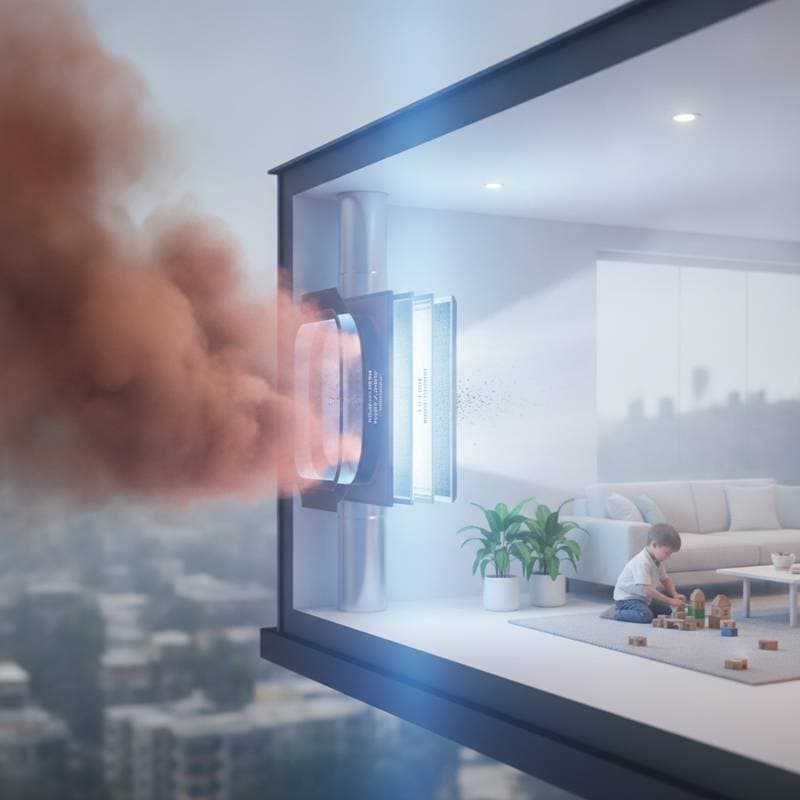
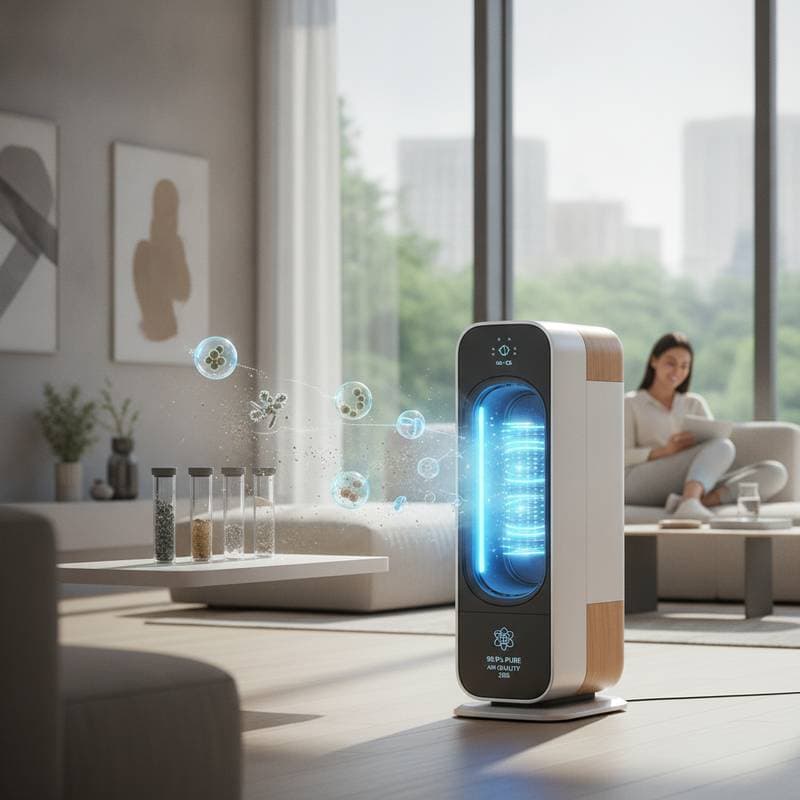
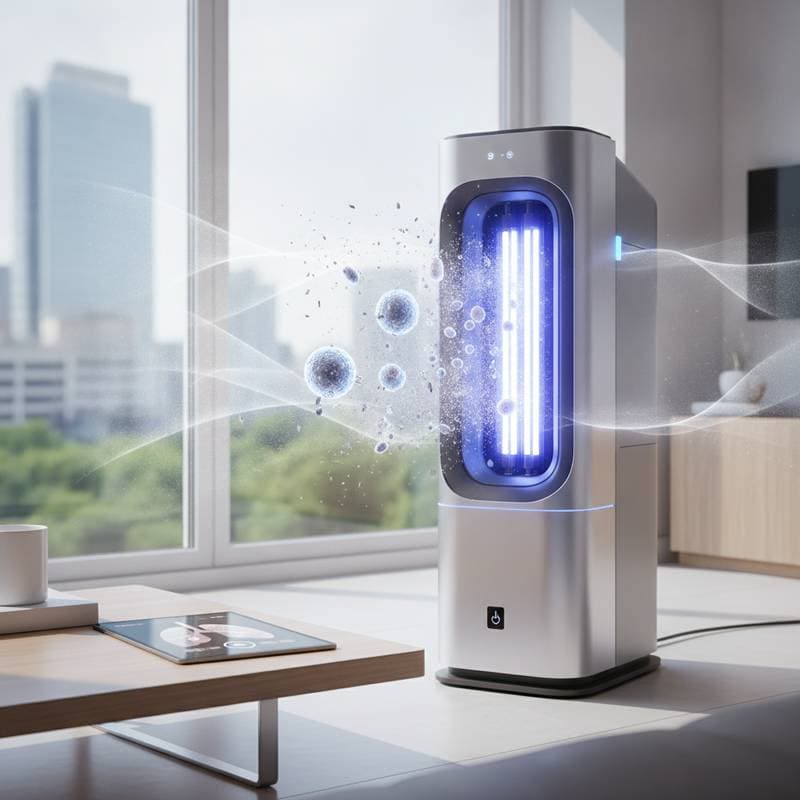
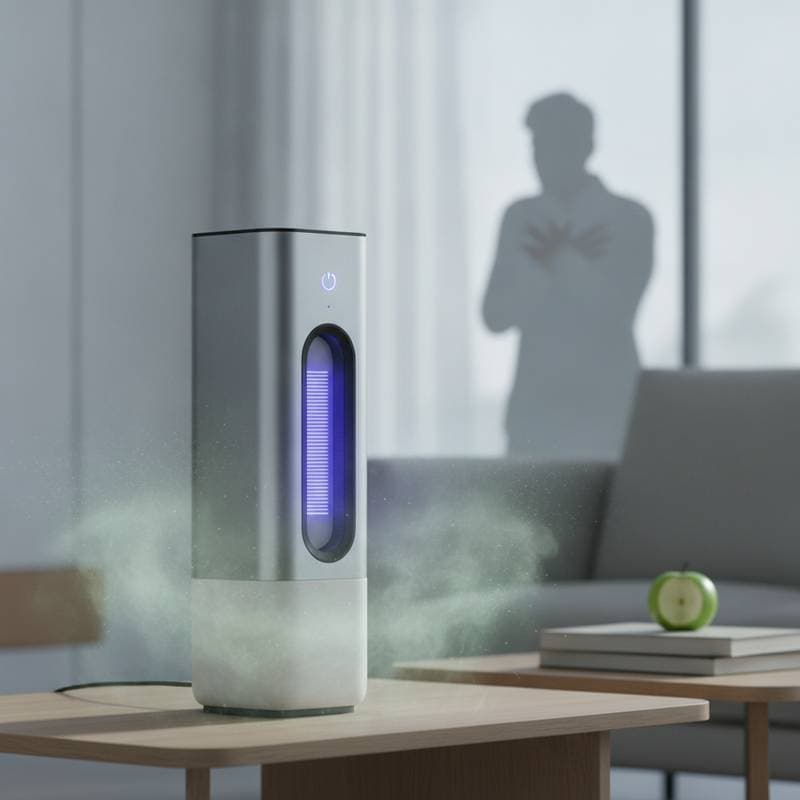
Homeowners searching for cleaner indoor air have increasingly turned to UV-C air purifiers. These devices use ultraviolet light to destroy airborne pathogens and allergens. While they can be effective against certain microorganisms, the FDA warns that some UV-C air purifiers may generate ozone. This is a harmful pollutant that can cause serious health issues.
This article explains what the FDA warning means. It covers how ozone exposure affects indoor air quality. Homeowners will also learn what to consider before purchasing or using a UV-C air purifier. Safer alternatives and maintenance tips are outlined to support a healthy home environment.
Ozone Exposure and Indoor Air Quality
Why Ozone Is Hazardous
Ozone is a reactive gas that can damage tissues in the respiratory tract. Prolonged exposure or high concentrations can lead to coughing, chest tightness, and reduced lung function. Sensitive individuals, including children and older adults, face greater risks.
Common Symptoms of Ozone Exposure
- Throat irritation or coughing
- Shortness of breath
- Headaches or dizziness
- Exacerbation of asthma symptoms
- Increased sensitivity to airborne allergens
Even at low levels, chronic exposure can weaken the lungs and increase susceptibility to infection. Ozone has no reliable odor threshold. Homeowners might not realize their air purifier is producing unsafe levels.
Safer Alternatives for Cleaner Air
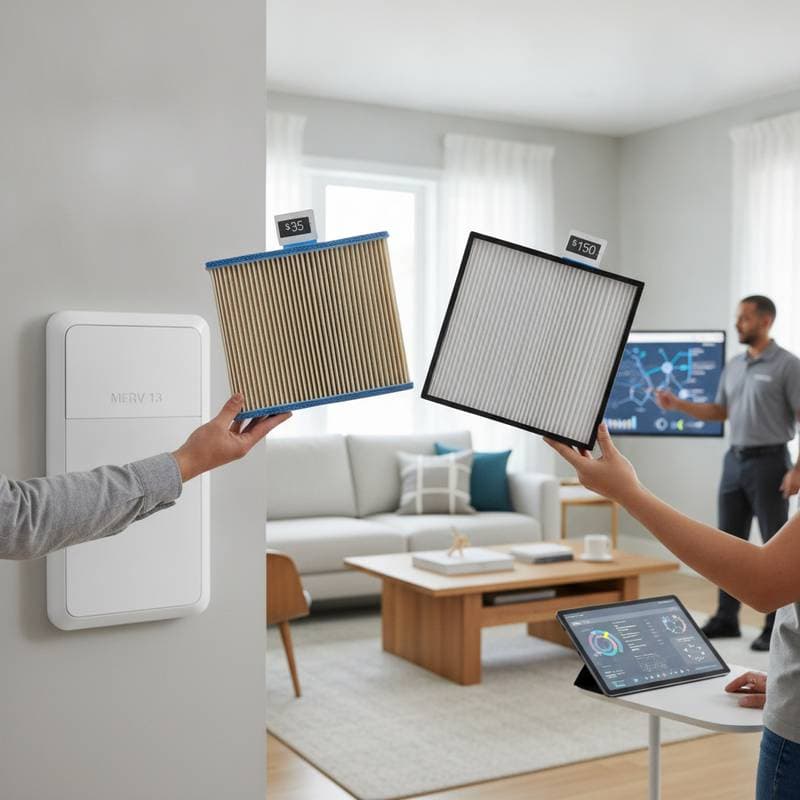
Homeowners can improve indoor air quality without risking ozone exposure. Several proven alternatives provide effective filtration and pathogen reduction.
| Technology Type | Ozone-Free | Description |
|---|---|---|
| HEPA Filtration | Yes | Captures 99.97 percent of particles including dust, pollen, and smoke. |
| Activated Carbon Filters | Yes | Removes odors and volatile organic compounds. |
| UV-C with Filter Housing | Yes (if sealed) | Uses contained UV-C lamps within the filter system to disinfect air safely. |
| PECO or PCO Filters | Varies | Breaks down pollutants using light-based reactions. Select models labeled ozone-free. |
Combining HEPA and carbon filtration typically offers the best balance of performance and safety.
UV-C Air Purifier Safety FAQs
Can UV-C Air Purifiers Effectively Kill Germs Without Producing Ozone?
Yes, if the unit is designed with the correct wavelength and materials. UV-C lamps operating near 254 nanometers effectively disinfect air without generating ozone. The key is proper engineering and housing that prevents light leakage and ozone formation.
How Can Homeowners Tell if Their Air Purifier Produces Ozone?
Most ozone-producing devices emit a sharp or metallic odor during operation. However, the absence of smell does not guarantee safety. Checking the product certification label and manufacturer specifications remains the most reliable method.
Should UV-C Systems Be Used Continuously?
Continuous use is not recommended unless the device is certified ozone-free and intended for that purpose. Intermittent operation combined with filtration and ventilation offers safer results.
Practical Steps for Healthier Indoor Air
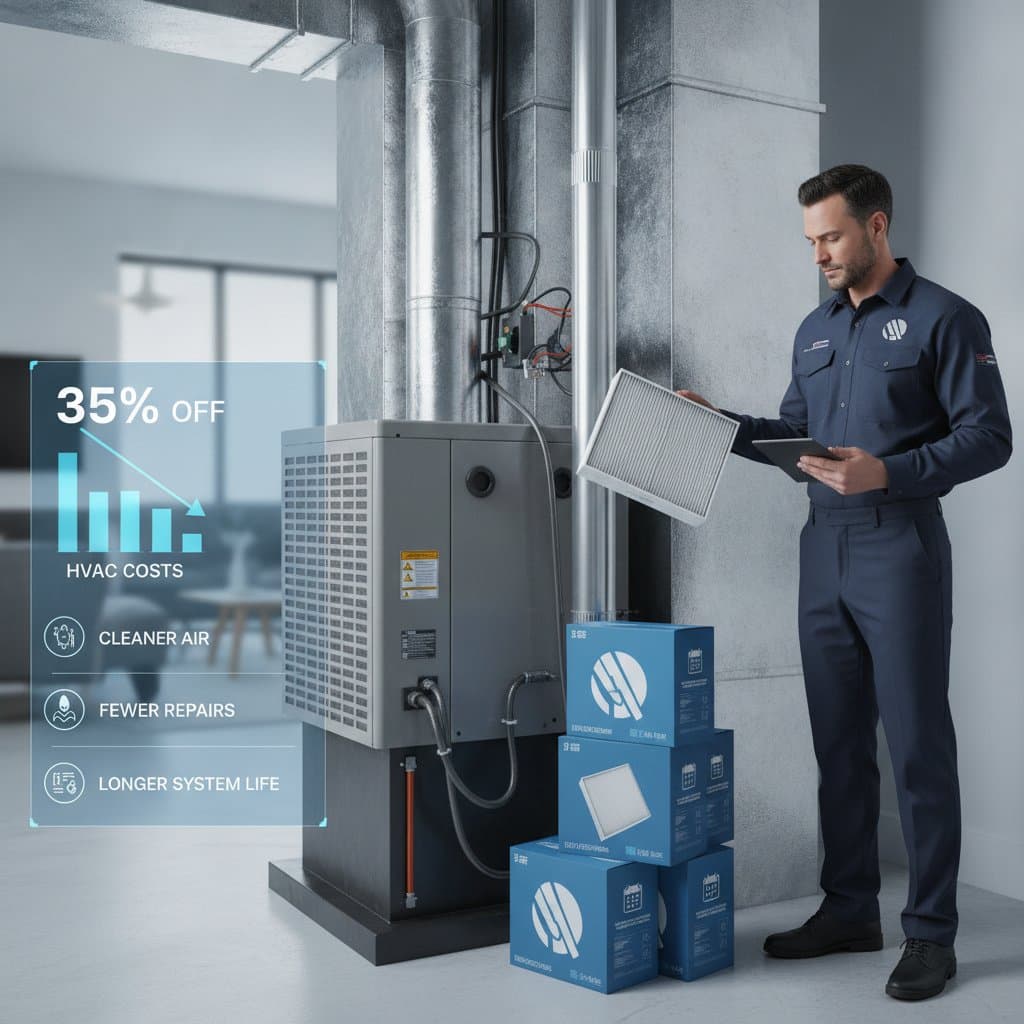
Improving indoor air quality requires understanding which technologies deliver results without hidden hazards. The FDA warning highlights the importance of choosing verified ozone-free UV-C air purifiers and maintaining proper ventilation. Homeowners who prioritize certified, well-designed systems can enjoy cleaner air while protecting their health. Regular maintenance, filter replacement, and careful product selection help ensure that efforts to purify the air do not introduce new risks.