Why Whole-Home Dehumidifiers Matter for Humidity Control
If your home feels sticky even when the air conditioner runs, a whole-home dehumidifier could be the missing piece in your comfort and air quality strategy. These systems maintain balanced humidity throughout your home. They improve comfort, energy efficiency, and indoor air health. This guide explains how they work, what they cost, and why they represent a smart upgrade for long-term moisture management.
| Item | Average Cost |
|---|---|
| National Average Cost | $2,000 - $3,500 |
| Typical Price Range | $1,500 - $4,000 |
| High-End Systems | $5,000+ |
| Low-End Systems | $1,000 - $1,500 |
Average Whole-Home Dehumidifier Costs
Expect to pay between $2,000 and $3,500 for a professionally installed whole-home dehumidifier. The price depends on system size, capacity, and installation complexity. Standalone units that integrate with existing ductwork tend to cost less than advanced units designed for large or multi-level homes.
Here is a general breakdown of cost ranges:
- Small homes under 2,000 square feet: $1,500 to $2,500
- Medium homes from 2,000 to 3,500 square feet: $2,500 to $3,500
- Large homes over 3,500 square feet: $3,500 to $5,000 or more
Labor typically accounts for 30 to 40 percent of the total cost. Most installations take a few hours. Homes without existing duct access or proper drainage may require additional work.
Key Factors That Affect Whole-Home Dehumidifier Price
Several elements influence the final cost of a dehumidifier system. Understanding these factors helps you plan a realistic budget and choose the right equipment.
Unit Capacity and Size
Dehumidifier capacity is measured in pints per day. This figure indicates how much moisture the unit can remove in 24 hours. A small unit may handle around 65 pints daily. High-capacity systems can extract over 130 pints. Larger systems cost more but prove necessary for bigger homes or regions with consistently high humidity.
Energy Efficiency Rating
Energy-efficient models use less electricity while achieving the same moisture removal rate. Look for ENERGY STAR certified units. These can save up to 20 percent on operating costs. The initial investment may be higher, yet lower energy use pays off over time.
Installation Complexity
If your HVAC system already has accessible ductwork and drainage, installation proceeds smoothly. Homes without proper ventilation routes or those needing new condensate lines may see higher labor costs. In some cases minor electrical upgrades are required to support the new system.
Brand and Warranty Coverage
Premium brands often include advanced filtration, smart controls, and longer warranties. Basic models may come with one-year coverage. Higher-end systems can include five-year protection. The quality of materials and support services also influences price.
Local Climate and Moisture Levels
Homes in humid regions require more robust systems that can handle high moisture loads. This regional demand can slightly increase both equipment pricing and installation labor rates.
Types of Whole-Home Dehumidifiers
Several types of whole-home dehumidifiers exist. Each suits different home layouts and HVAC configurations.
Ducted Whole-Home Dehumidifiers
These units connect directly to existing HVAC ductwork. They allow even moisture control across all rooms.
Pros:
- Seamless integration with central air systems
- Quiet operation
- Consistent humidity balance throughout the home
Cons:
- Higher installation cost
- Requires professional setup
Standalone Whole-Home Units
Standalone models operate independently. They often serve specific zones or floors. Placement options include basements, crawl spaces, or mechanical rooms.
Pros:
- Flexible placement options
- Easier maintenance access
- Lower upfront cost
Cons:
- Limited coverage area
- May require manual drainage setup
Crawl Space and Basement Dehumidifiers
These specialized units target the most moisture-prone areas. They help prevent mold growth and structural damage.
Pros:
- Protects foundations and stored items
- Reduces musty odors
- Helps stabilize overall indoor humidity
Cons:
- Does not control humidity in upper floors
- May need periodic cleaning or filter replacement
Signs You Need a Whole-Home Dehumidifier
Humidity problems are not always obvious at first. Watch for these common warning signs that your home may benefit from a dedicated dehumidifier:
- Persistent damp or musty smells in rooms or closets
- Condensation on windows or cold surfaces
- Mold or mildew growth, especially in bathrooms or basements
- Warped wood floors or furniture
- Peeling paint or bubbling wallpaper
- Increased allergy or respiratory symptoms
- Sticky air feeling even when the thermostat reads a comfortable temperature
If any of these symptoms appear, the air conditioner alone is likely not enough to manage moisture effectively.
The Whole-Home Dehumidifier Installation Process
Installing a whole-home dehumidifier follows a precise process that ensures efficient and safe operation. Here is what to expect during a typical professional installation.
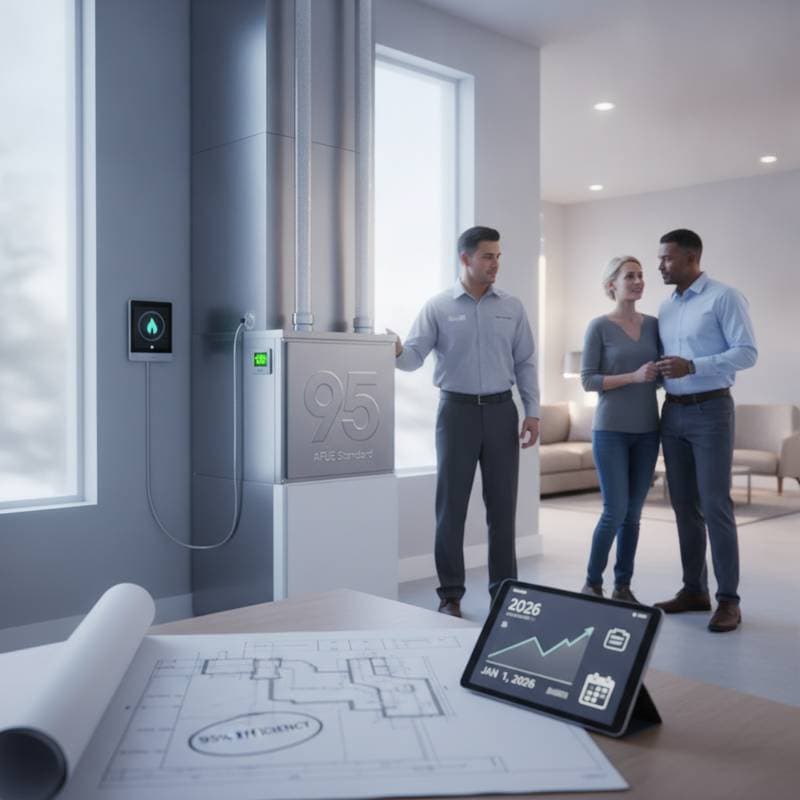
- Home Assessment: A technician evaluates square footage, insulation quality, and HVAC configuration. They measure indoor humidity levels to determine the right capacity and unit placement.
- Equipment Selection: The contractor helps choose a system that matches home needs while considering brand preferences, energy efficiency, and maintenance ease.
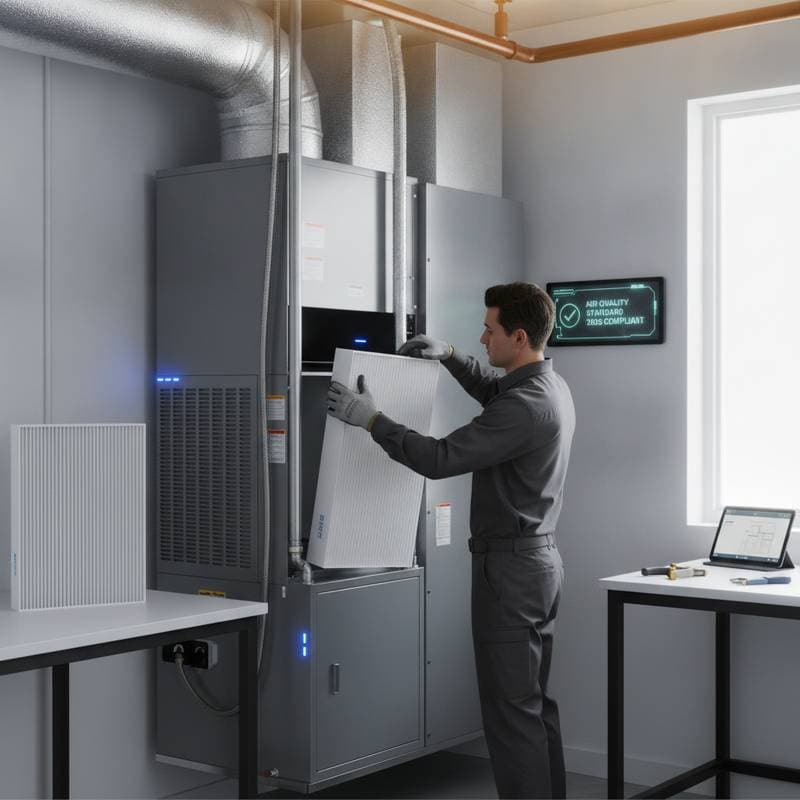
- Ductwork Connection: The unit integrates into return and supply air ducts. This allows it to pull moist air, remove humidity, and circulate dry air evenly.
- Drainage Setup: A condensate line directs collected water to a drain or sump pump. Proper drainage prevents leaks and ensures continuous operation.
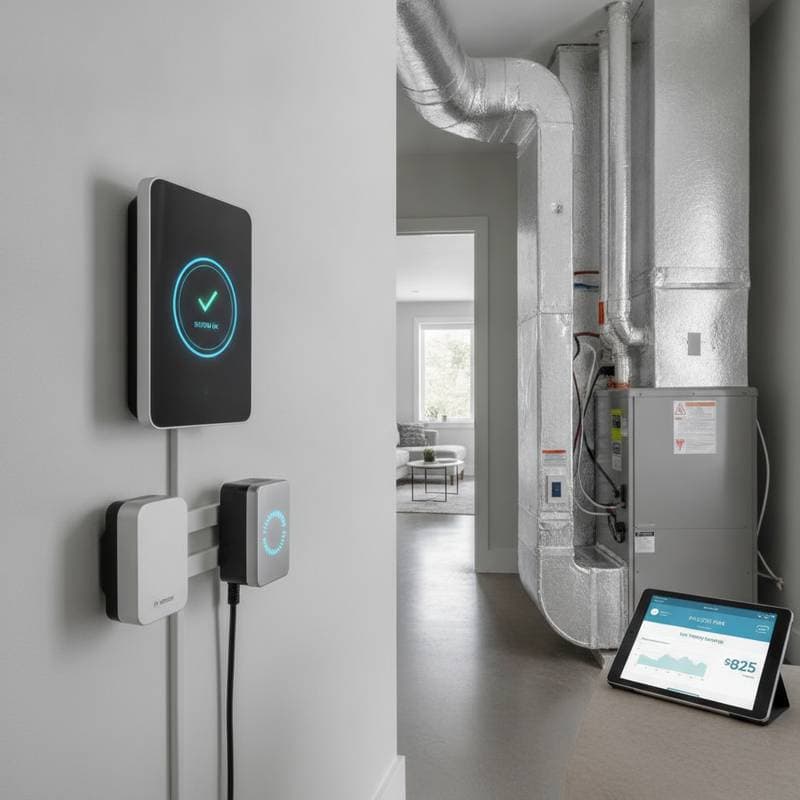
- Electrical and Control Integration: The system connects to the electrical panel and may include a dedicated humidistat or smart thermostat control.
- Testing and Calibration: The technician tests airflow, drainage, and system performance. They confirm humidity settings and ensure correct response to controls.
- Homeowner Orientation: Guidance covers how to monitor humidity, replace filters, and schedule maintenance.
Whole-Home Dehumidifier Labor Costs
Labor costs for installing a whole-home dehumidifier typically range from $500 to $1,200. The price depends on system complexity and local rates. It includes technician time, ductwork modifications, electrical connections, and system calibration.
Key cost factors include:
- Accessibility of ductwork
- Drainage distance
- Electrical updates
- System size and controls
Hiring a licensed HVAC contractor ensures the installation meets local codes and maintains warranty coverage.
Benefits of Whole-Home Dehumidifiers
Adding a whole-home dehumidifier provides benefits that extend beyond comfort. The long-term advantages include:
- Improved indoor air quality through reduced allergens, dust mites, and mold spores
- Better comfort by eliminating sticky air even in mild temperatures
- Energy savings because lower humidity allows a higher thermostat setting without discomfort
- Protection for the home by preventing wood warping, paint damage, and structural deterioration
- Longer HVAC lifespan through reduced strain on the air conditioner
These systems operate quietly in the background. They create a healthier and more pleasant environment in every season.
Frequently Asked Questions About Whole-Home Dehumidifiers
Is a whole-home dehumidifier better than portable units? Yes. Whole-home systems regulate humidity across every room. Portable units treat only a single area. Whole-home units connect directly to the HVAC system and drainage, so emptying water containers is never required.
How do I know what size dehumidifier my home needs? The right size depends on square footage, insulation quality, and average humidity. A professional can perform a load calculation to determine the ideal pint capacity.
Do whole-home dehumidifiers work with existing HVAC systems? Most models integrate seamlessly with central air systems. The technician connects the unit to return ducts. This allows moist air intake and dry air distribution without affecting heating or cooling performance.
How often should a whole-home dehumidifier be serviced? A yearly inspection is usually sufficient. The technician cleans filters, checks drainage, and verifies that the humidity sensor works properly. Some homeowners schedule maintenance during their annual HVAC tune-up.
Can a dehumidifier reduce energy bills? Yes. Lower humidity makes air feel cooler. This allows a higher thermostat setting and less air conditioner runtime. Over time both energy use and HVAC wear decrease.
Will a dehumidifier make my home too dry? When properly set it will not. Most systems include a humidistat that maintains levels between 40 and 50 percent, the ideal range for comfort and air quality.
Where is the best place to install a whole-home dehumidifier? The unit is typically installed near the air handler or furnace and connected to the return duct. In homes without central ducts it may be placed in a basement or crawl space with a dedicated ventilation path.
Maintaining Your Investment
Once the dehumidifier is installed, a few simple steps keep it running efficiently for years:
- Check and replace filters every few months.
- Verify drainage regularly to prevent clogs or backups.
- Monitor humidity levels and adjust the humidistat as needed.
- Schedule annual professional service to inspect coils and controls.
A well-maintained system extends the life of HVAC equipment. It also ensures the home remains comfortable and healthy throughout the year.
Next Steps for Humidity Control
Persistent humidity that makes a home uncomfortable or musty calls for a lasting solution. A whole-home dehumidifier balances indoor air, protects belongings, and enhances comfort in ways portable units cannot match. Schedule an in-home assessment with a qualified HVAC professional to evaluate moisture control needs. Obtaining multiple quotes helps identify a reliable contractor and a fair installation price. With the right system in place the home stays cool, dry, and comfortable regardless of outdoor conditions.