Why HVAC Pros Install UV-C for Pathogen-Free Air Now
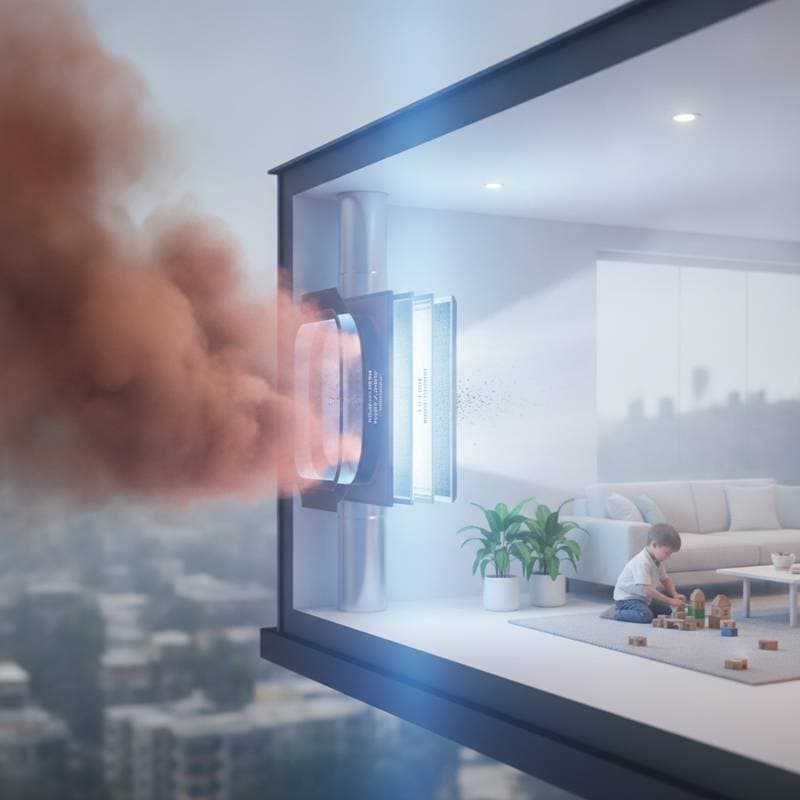
Indoor air quality matters greatly to homeowners seeking cleaner living spaces. Many wonder why HVAC professionals recommend UV-C purification systems. These setups reduce pathogens and enhance air quality throughout the home.
What Is UV-C Air Purification?
UV-C light uses a short wavelength that destroys microorganisms. Technicians install these lights inside HVAC systems to target bacteria, viruses, and mold spores traveling through ducts. The lights break down microbial DNA or RNA to halt reproduction and deliver safer air.
How UV-C Fits Into an HVAC System
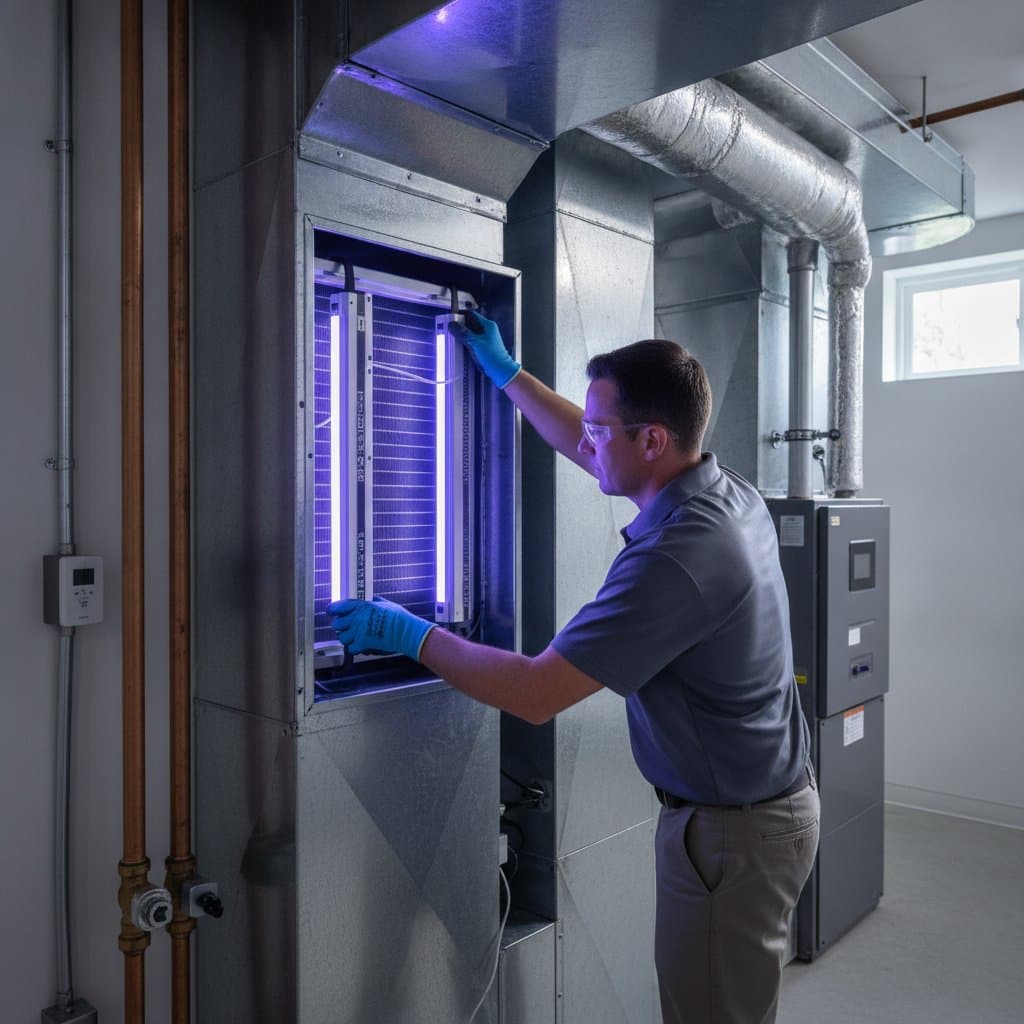
Technicians position UV-C lights near the evaporator coil or within ductwork. This setup exposes moving air and coil surfaces to continuous disinfection. The process prevents mold accumulation and lowers pathogen levels before air reaches living areas.
Why HVAC Professionals Trust UV-C Technology
Experts select UV-C systems for consistent performance without chemicals or added scents. The equipment operates quietly and needs little upkeep after setup. Several factors drive current recommendations.
Proven Pathogen Control
Hospitals have relied on UV-C disinfection for years. Residential applications reduce airborne microbes linked to allergies and respiratory concerns. Proper installation neutralizes many common household contaminants.
Coil Protection and System Efficiency
Microbial growth on coils restricts airflow and raises energy use. UV-C exposure maintains coil cleanliness, eliminates musty smells, and eases load on motors. Equipment often lasts longer under these conditions.
Continuous, Chemical-Free Purification
UV-C units run around the clock without releasing byproducts. They disinfect air during every cycle and require no repeated treatments.
Common Signs You Could Benefit From UV-C Installation
Homeowners notice several indicators of compromised air quality.
- Frequent allergy or asthma symptoms indoors
- Musty odors from vents
- Mold near registers
- Persistent dust after cleaning
- Repeated colds or congestion at home
These patterns suggest UV-C could lower microbial circulation.
Key Factors Affecting UV-C Installation Cost
Pricing depends on multiple elements.
- System size and duct layout determine lamp count and placement complexity.
- Coil-focused units cost less than full airstream models.
- Premium lamps offer longer life and stronger output.
- Labor rates vary by region and technician certification.
- Annual bulb replacement adds to ongoing expenses.
Long-term health and efficiency gains typically justify the investment.
UV-C Air Purification vs. Other Air Cleaning Methods
Several options exist for better indoor air.
HEPA and Mechanical Filters
HEPA filters capture particles effectively yet leave microbes untouched. UV-C complements them by neutralizing organisms that pass through.
Ionizers and Ozone Generators
These devices may produce irritants. UV-C avoids such byproducts and suits homes with children or pets.
Activated Carbon Filters
Carbon removes odors and gases but ignores biological threats. Combined use with UV-C addresses both concerns.
DIY Installation vs. Hiring a Pro
Some kits suggest simple setup, yet HVAC work demands expertise.
What You Can Safely Do
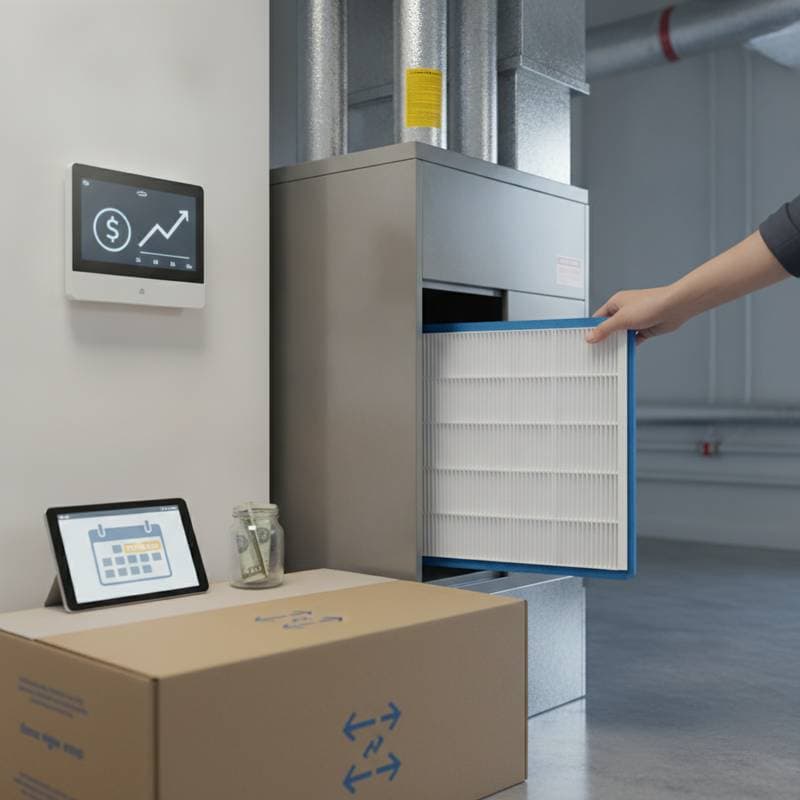
Owners can replace bulbs following manufacturer guidelines. Power disconnection and glove use prevent damage or injury. Regular filter changes support overall performance.
Why a Professional Should Handle Installation
Wiring and precise lamp positioning affect safety and results. Certified technicians avoid airflow disruption and verify interlocks. Professional work protects both equipment and occupants.
The Professional UV-C Installation Process
Technicians follow a clear sequence.
- They evaluate system layout and airflow.
- Equipment selection matches system capacity and goals.
- Mounting occurs near coils or in supply ducts with code-compliant wiring.
- Testing confirms operation and efficiency.
- Maintenance instructions cover inspection and bulb schedules.
Frequently Asked Questions
How long do UV-C lights last in an HVAC system?
Lamps typically function one to two years before intensity declines. Scheduled replacement preserves disinfection strength.
Are UV-C air purifiers safe for my family?
Correct installation keeps light contained within the system. No ozone or chemicals enter living spaces.
Does UV-C kill all germs and viruses?
It neutralizes many common pathogens on contact. Complete elimination depends on exposure time, lamp strength, and system design.
Selecting UV-C Equipment for Long-Term Results
Homeowners gain steady air quality improvements and fewer maintenance issues when systems match their HVAC setup. Professional guidance ensures proper sizing and placement for reliable daily performance.