Beat Mold in Wet Weather with HVAC Humidity Control
Mold growth accelerates rapidly in damp indoor environments. Maintaining proper humidity through an HVAC system offers reliable protection. The target range for indoor relative humidity lies between 30 and 50 percent. This level supports comfort while denying mold the moisture it requires.
The following sections detail effective humidity management methods, suitable equipment choices, and practical steps for year-round protection.
| Key Fact | Detail |
|---|---|
| Ideal Indoor Humidity | 30% - 50% |
| Mold Growth Threshold | Above 60% humidity |
| Most Effective Solution | Whole-home dehumidifier integrated with HVAC |
| Common Signs of Excess Humidity | Musty odors, condensation on windows, visible mold |
| Typical Cost for Whole-Home Dehumidifier | $1,500 - $3,000 installed |
Average Costs for Whole-Home Humidity Control
Humidity control investments vary by equipment type and coverage needs. Portable units provide an entry-level option for single rooms at $150 to $300. Whole-home dehumidifiers connect to existing ductwork and deliver uniform results across every floor.
| Type of Solution | Average Cost Installed | Coverage Area |
|---|---|---|
| Portable Dehumidifier | $150 - $300 | Up to 500 sq. ft. |
| Whole-Home Dehumidifier | $1,500 - $3,000 | Entire home |
| Smart Thermostat with Humidity Control | $200 - $500 | Controls HVAC humidity settings |
| UV Air Sanitizer (add-on) | $400 - $800 | Supplements mold prevention |
Whole-home systems operate automatically and improve HVAC efficiency over time. Homeowners typically notice lower energy use and fewer moisture-related repairs after installation.
Key Factors That Affect Humidity Control Cost
Home Size and Layout
Larger floor plans or multi-level homes require higher-capacity units. Finished basements often need dedicated zoning to maintain consistent readings on every level.
Climate and Outdoor Conditions
Properties in humid regions or near water experience prolonged moisture loads. These conditions increase runtime and call for units sized specifically for local weather patterns.
HVAC System Compatibility
Older systems may require duct modifications or updated controls. A professional assessment identifies any necessary upgrades before equipment selection.
Energy Efficiency
Units carrying the Energy Star label remove more moisture per kilowatt-hour. This rating directly reduces operating costs while sustaining target humidity levels.
Installation Complexity
Access to ductwork and drainage points influences labor time. Straightforward installations finish in a few hours, whereas complex layouts extend the schedule and total investment.
Types of HVAC Humidity Control Systems
Central HVAC Dehumidifiers
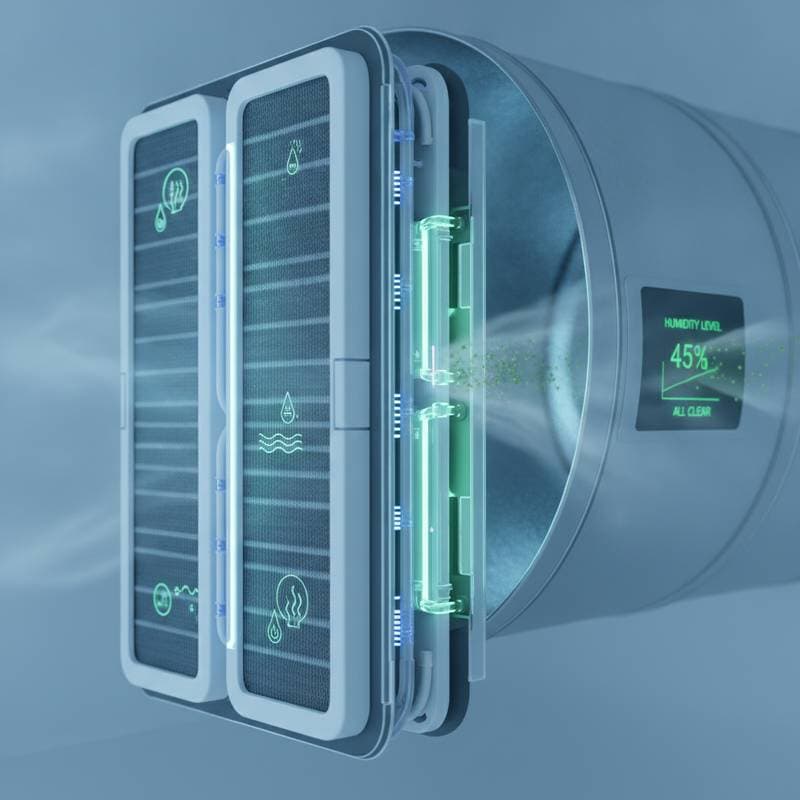
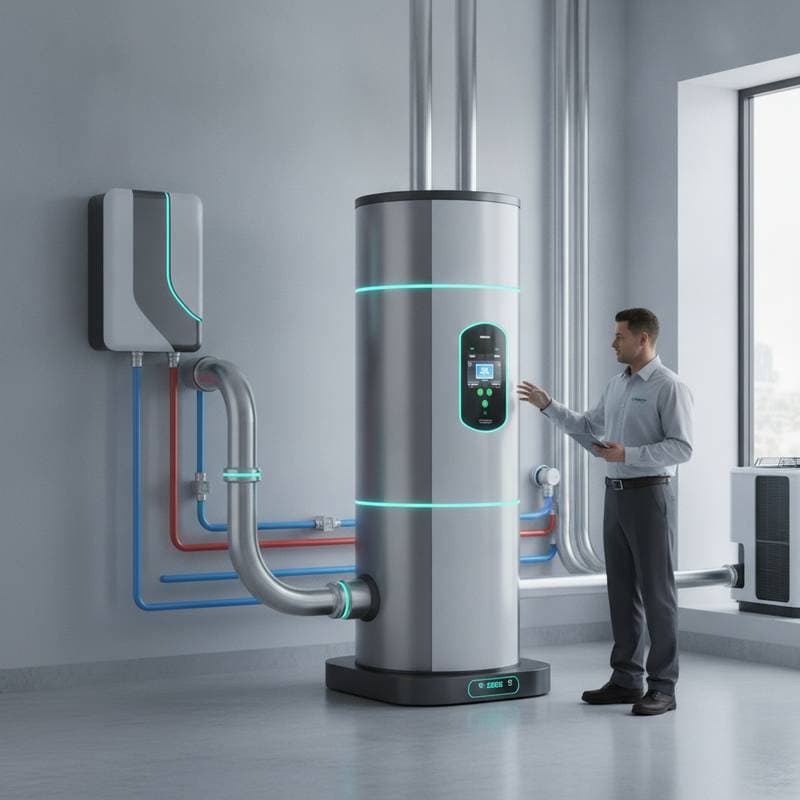
Central units tie directly into supply and return ducts. They extract moisture from air before it circulates through living spaces.
Pros include whole-house coverage and automatic operation. The primary drawback remains higher initial cost and required professional installation.
Portable Dehumidifiers
These plug-in appliances suit spot treatment in smaller areas. They offer low upfront cost yet demand regular emptying and filter cleaning.
Smart Thermostats with Humidity Sensors
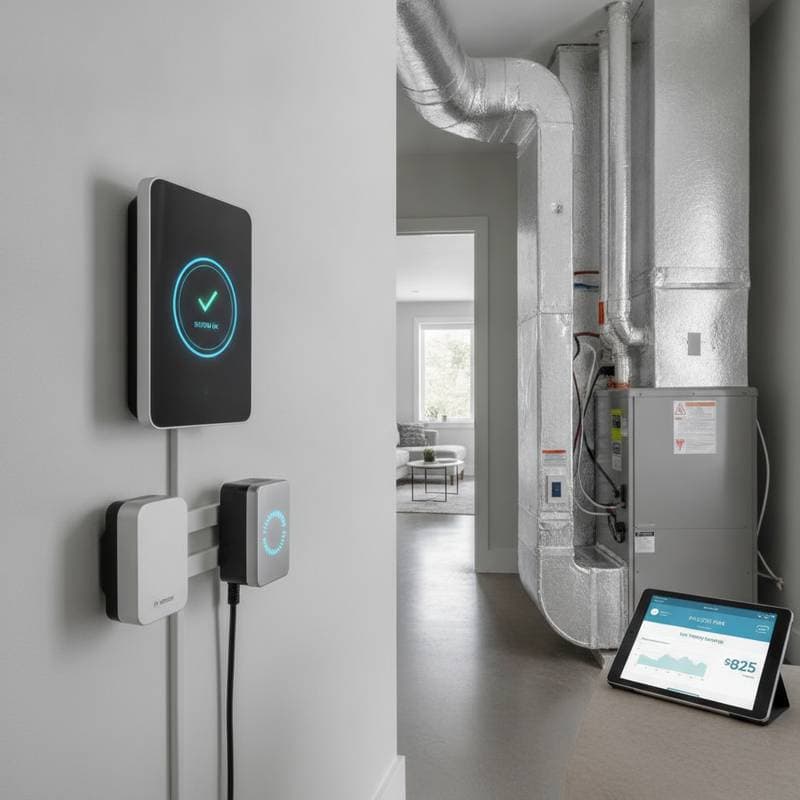
Advanced thermostats track both temperature and moisture. They adjust HVAC cycles to stay inside the 30 to 50 percent band without constant manual input.
Ventilation and Air Purification Add-ons
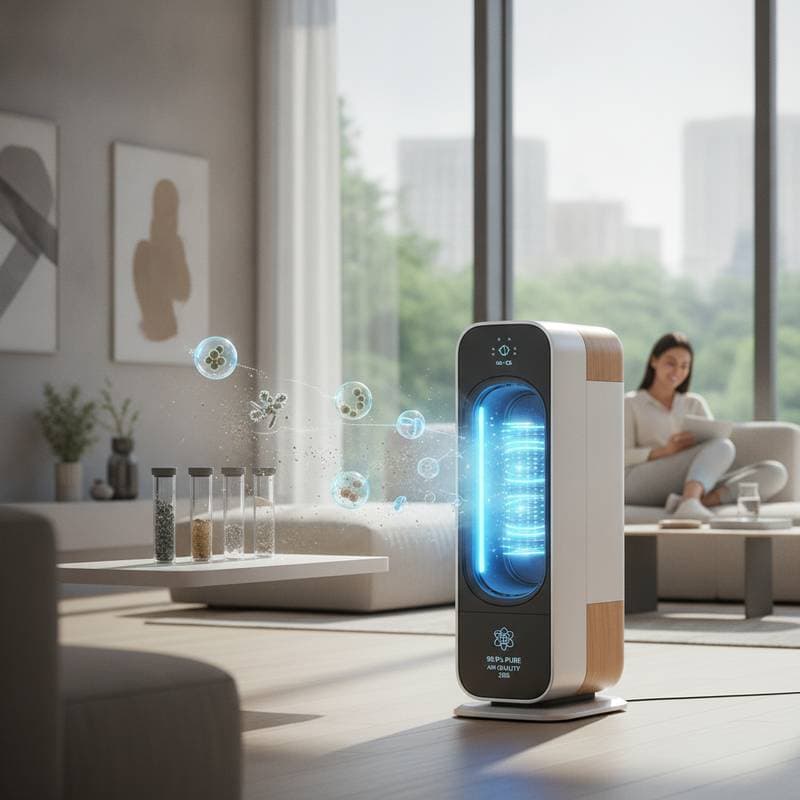
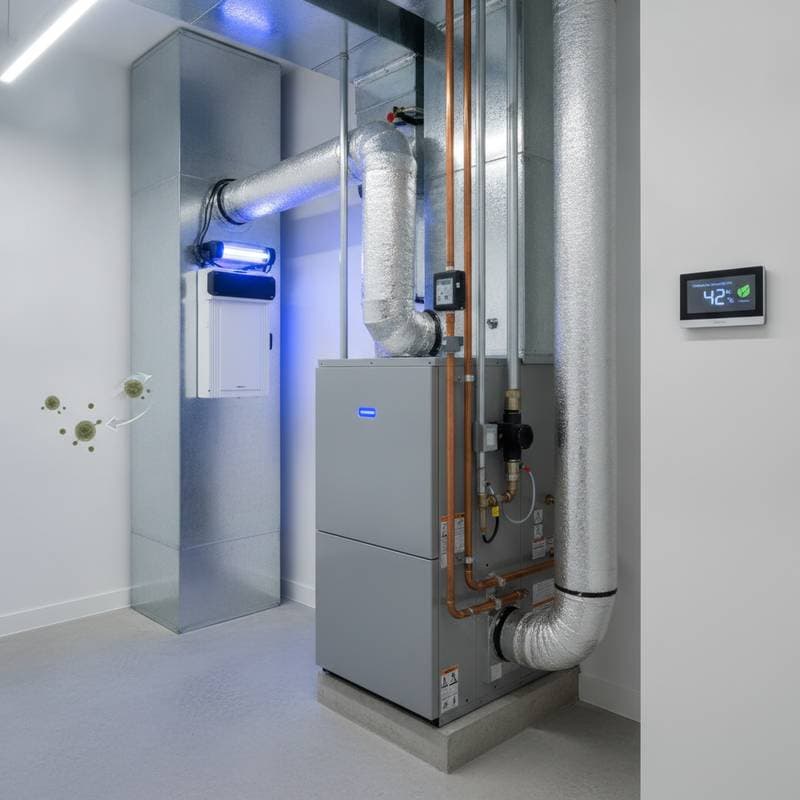
UV lights and energy recovery ventilators reduce airborne spores. These accessories complement dehumidification when installed alongside core humidity controls.
Signs You Need HVAC Humidity Control
Persistent window condensation, musty odors, or visible mold indicate humidity above 60 percent. Warped wood, increased allergy symptoms, and damp carpets provide additional confirmation that action is needed.
The Whole-Home Dehumidifier Installation Process
- A technician evaluates duct layout, moisture readings, and system capacity.
- Equipment sized to the home is selected and positioned for optimal airflow.
- The unit connects to the return duct so moist air passes through the dehumidifier first.
- A dedicated drain line routes condensate to a safe discharge point.
- Electrical ties allow automatic response to rising humidity.
- Final testing confirms balanced performance and correct sensor calibration.
- Homeowners receive guidance on filter changes and seasonal checks.
HVAC Labor Costs for Humidity Control Installation
Professional labor typically adds $500 to $1,000 depending on system complexity. Separate quotes for equipment and labor allow accurate comparison across contractors.
Frequently Asked Questions About HVAC Humidity Control
How does humidity control prevent mold growth?
Mold spores require moisture above 60 percent to multiply. Consistent control below 50 percent removes that condition.
Can my air conditioner control humidity on its own?
Air conditioners remove some moisture during cooling cycles yet lack precision. Dedicated dehumidifiers maintain tighter tolerances in humid climates.
What is the ideal humidity level for comfort?
Most occupants report best comfort between 30 and 50 percent. Levels below 30 percent can dry skin and sinuses while levels above 50 percent encourage mold and dust mites.
Do I need a dehumidifier in winter?
Indoor moisture from daily activities can still accumulate. Year-round humidity management prevents condensation and maintains balanced air quality.
How often should I maintain my dehumidifier?
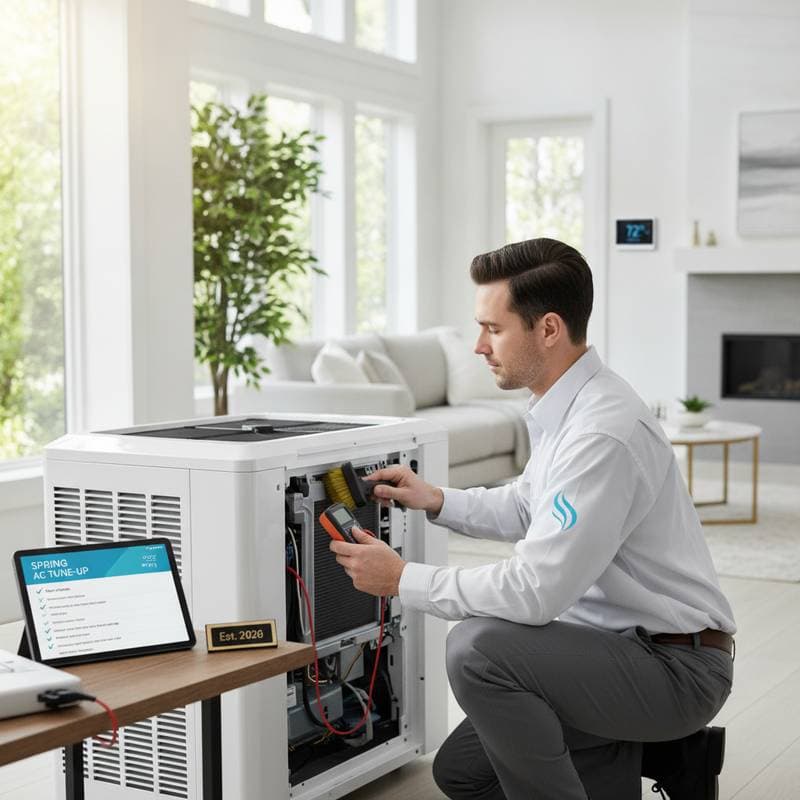
Filter service occurs every three to six months. Annual professional inspection verifies drainage and sensor accuracy.
Will humidity control lower my energy bills?
Balanced humidity allows the air conditioner to run shorter cycles. Reduced runtime lowers utility costs and extends equipment life.
Can humidity control help with allergies?
Lower humidity suppresses mold and dust mite populations. Reduced allergen load often eases respiratory symptoms.
Maintaining Your Home Humidity Balance
Whole-home dehumidification integrated with an HVAC system delivers consistent protection against mold, structural damage, and declining air quality. Homeowners who monitor levels seasonally and schedule regular service preserve comfort and system efficiency for years.