UV-C Purification Reduces Mold Claims by 55%
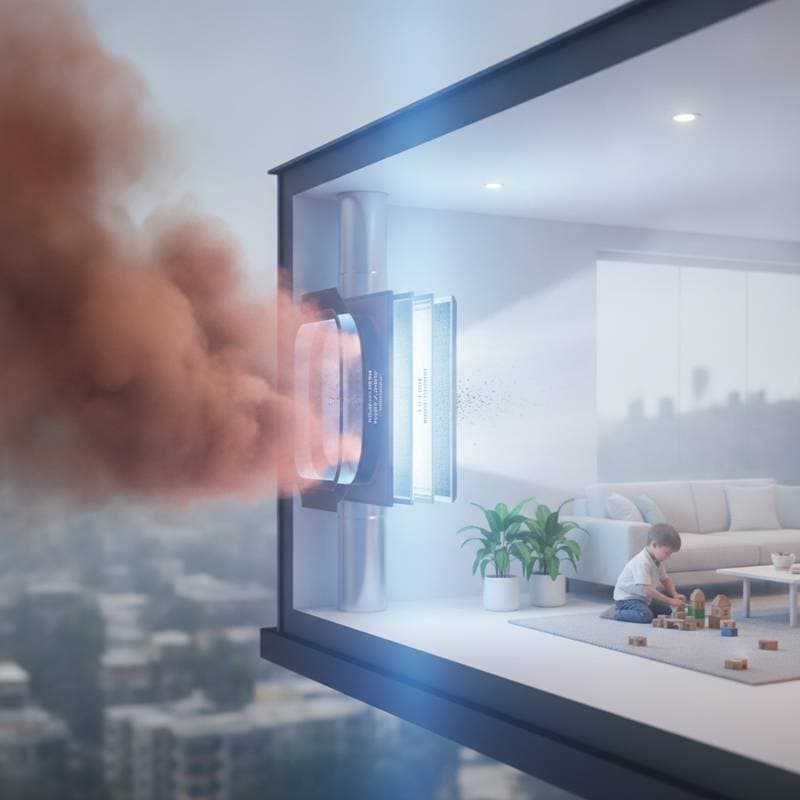
Indoor air quality remains a priority for homeowners who want to maintain healthy living spaces. UV-C air purification has emerged as an effective addition to HVAC systems. Research indicates that homes equipped with this technology see mold-related claims drop by 55 percent. The following sections explain how the process works and what benefits it delivers.
What UV-C Air Purification Involves
UV-C air purification employs short-wavelength ultraviolet light to neutralize microorganisms. These include mold spores, bacteria, and viruses. The light damages microbial DNA so the organisms cannot reproduce.
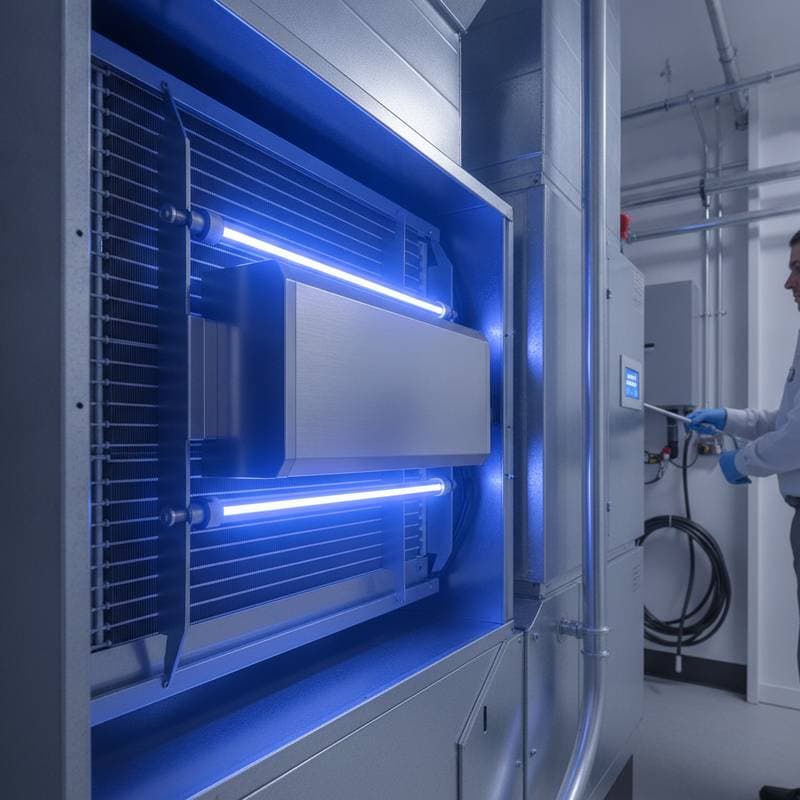
Technicians typically mount UV-C lamps near evaporator coils or within the air handler. This location targets zones where moisture and dust accumulate. Continuous exposure keeps surfaces free of growth and supports steady system performance.
Persistent Mold Issues in HVAC Systems
Mold develops readily in the dark, damp sections of air handlers and ductwork. Once established, spores travel through the home and trigger odors, allergies, and surface damage. Homeowners frequently submit insurance claims after discovering contamination that requires professional remediation.
Mechanisms That Limit Mold Growth
UV-C light at 254 nanometers disrupts the DNA of microbes on contact. This action prevents colony formation on coils and other moist surfaces. Several practical outcomes follow.
- Coils remain free of organic buildup that restricts airflow.
- Reduced humidity levels limit conditions that support mold.
- Airborne spores encounter the light and lose viability.
- Fewer cleanings are needed because biological growth stays minimal.
These effects produce cleaner equipment and lower long-term costs.
Indicators That UV-C May Help
Certain conditions suggest microbial activity within an HVAC system. Musty odors from vents, visible mold near registers, or repeated allergy symptoms indoors all point to the same source. Excessive condensation around the unit or frequent coil cleanings provide additional signals. Adding UV-C after professional cleaning helps prevent recurrence.
Cost Influences for UV-C Installation
Several variables determine the final price of a UV-C upgrade. System size dictates the number and strength of lamps required. Lamp quality affects durability and output consistency. Installation complexity rises when custom brackets or wiring become necessary. Annual bulb replacement adds a modest recurring expense. Bundling the work with other HVAC upgrades can reduce the overall rate.
Comparison With Conventional Methods
Traditional mold control relies on periodic coil cleaning, dehumidifiers, and chemical sprays. These steps address visible growth yet leave spores able to return. UV-C purification operates continuously without chemicals and integrates directly into the airstream.
Installation Steps
A qualified technician begins with a site assessment to select optimal lamp positions. Fixtures are secured near the coil or in the plenum. Electrical connections follow, with proper grounding and shielding. Final testing confirms function and safety. Homeowners receive guidance on annual bulb changes.
Common Questions
Lamp lifespan
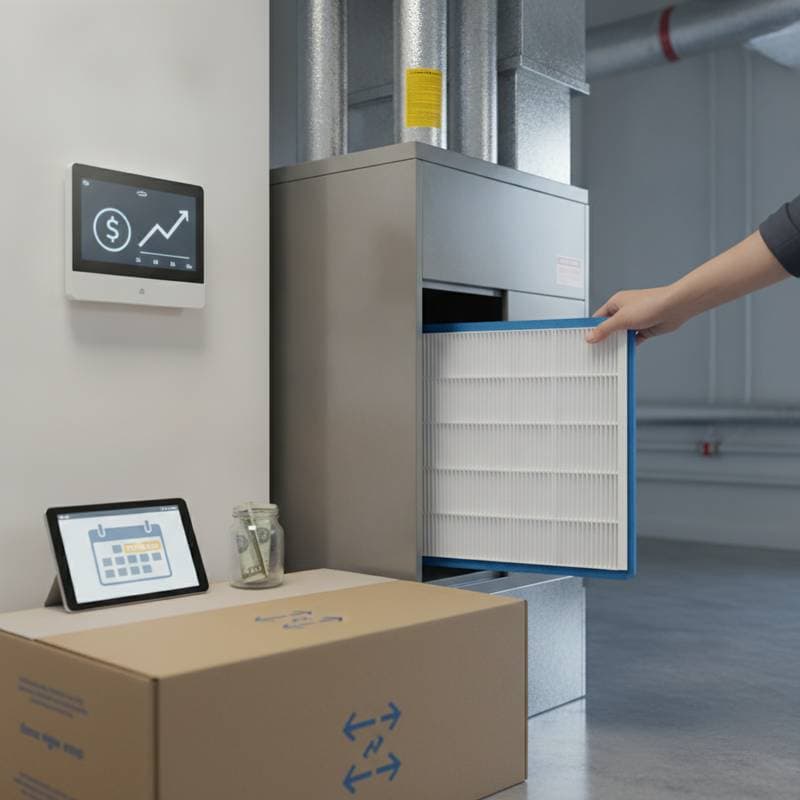
Most UV-C bulbs operate effectively for one year of continuous use. Replacement occurs during routine maintenance visits.
Safety considerations
Properly installed lamps remain enclosed within the HVAC cabinet. Direct exposure is avoided, which is why professional installation is required.
Odor reduction
By limiting mold and bacteria, UV-C light reduces musty smells that originate from organic buildup.
Filter compatibility
Air filters continue to capture dust and pollen while UV-C addresses biological contaminants. The two systems complement each other.
Energy impact
Cleaner coils improve airflow, allowing the HVAC equipment to operate more efficiently and potentially lowering energy use.
Next Steps for Homeowners
Homeowners who observe ongoing moisture, odors, or respiratory irritation should request an HVAC evaluation. A licensed contractor can determine whether UV-C purification fits the existing system and outline expected outcomes. This addition supports cleaner air and reduced maintenance demands over time.