UV-C Technology Targets Allergens Missed by Conventional Filters
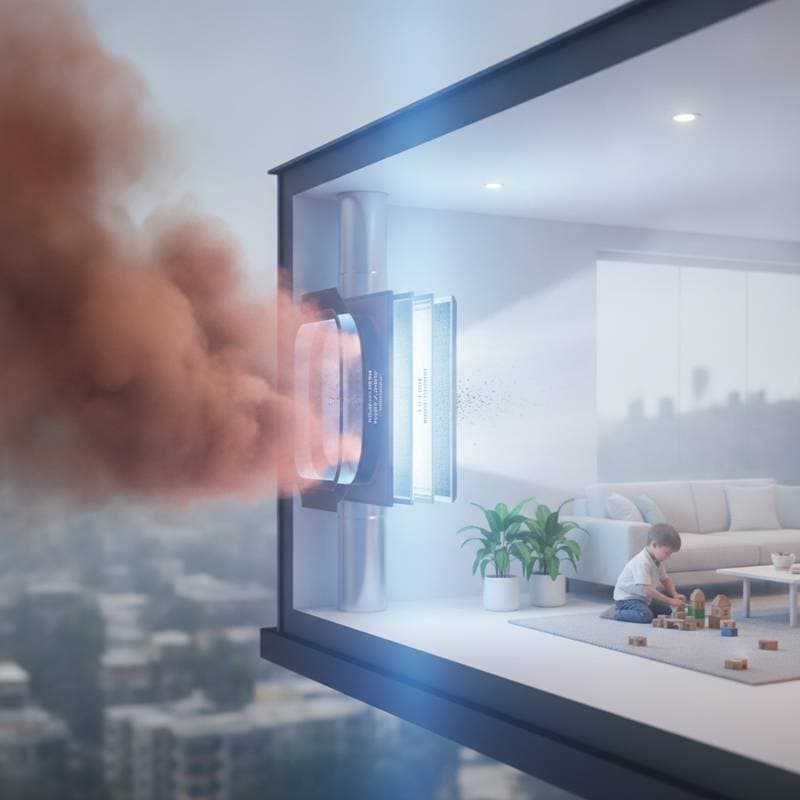
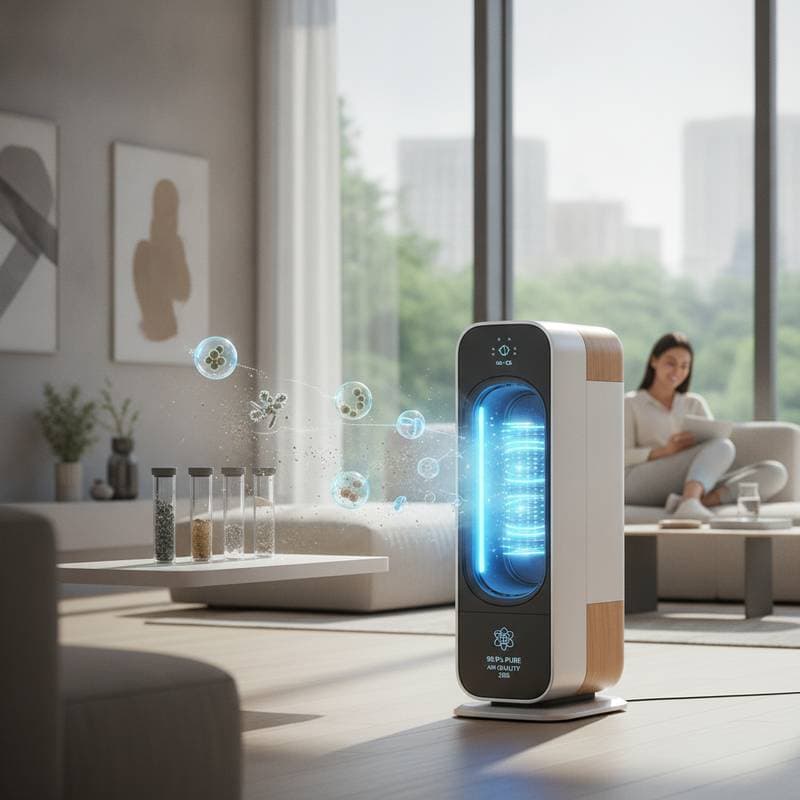
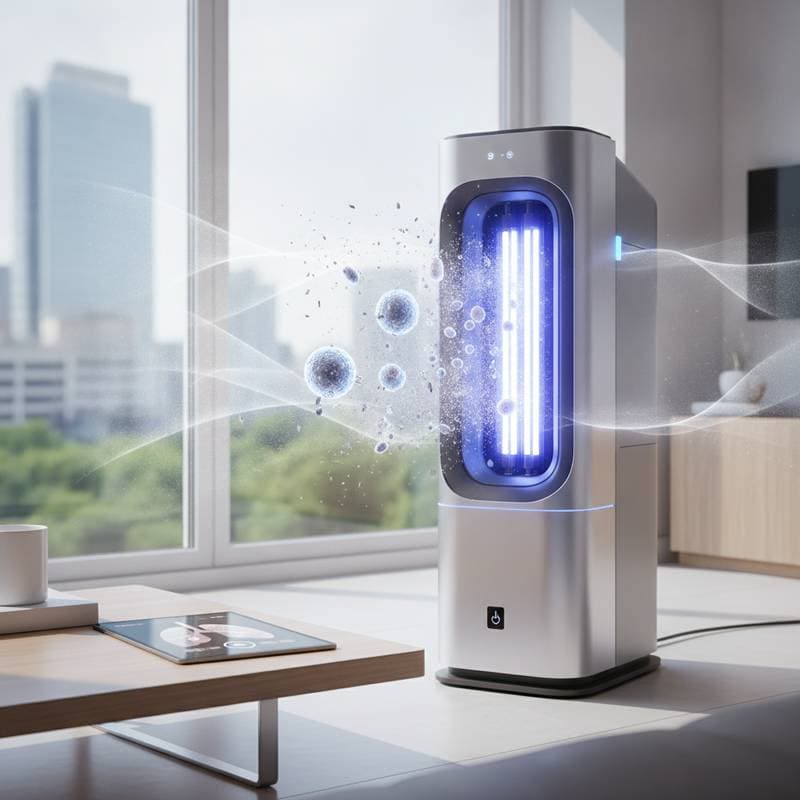
UV-C air purification systems use ultraviolet light to neutralize airborne contaminants that pass through standard filtration. This approach addresses bacteria, mold spores, and other biological particles at the source. Homeowners seeking relief from persistent allergy symptoms often find that combining UV-C with existing HVAC filters produces measurable improvements in air quality.
How UV-C Purification Works Within HVAC Systems
UV-C lamps installed near evaporator coils or inside ductwork emit short-wavelength light that disrupts the DNA of microorganisms. As air circulates, these organisms lose the ability to reproduce and eventually die. The process occurs continuously during system operation and requires no chemical additives.
Proper placement ensures maximum exposure time for passing air. Systems must maintain manufacturer-specified intensity levels to achieve consistent results. Regular verification confirms that output remains effective throughout the bulb service life.
Factors That Influence Total Investment
Replacement bulbs and periodic cleanings add to long-term costs, yet they preserve system performance. Reputable brands with solid warranties may cost more initially but often provide better reliability and support. Most homeowners can expect to invest anywhere from a few hundred to over a thousand dollars depending on these variables. Always request a professional assessment before purchasing.
DIY Tasks Versus Professional Installation
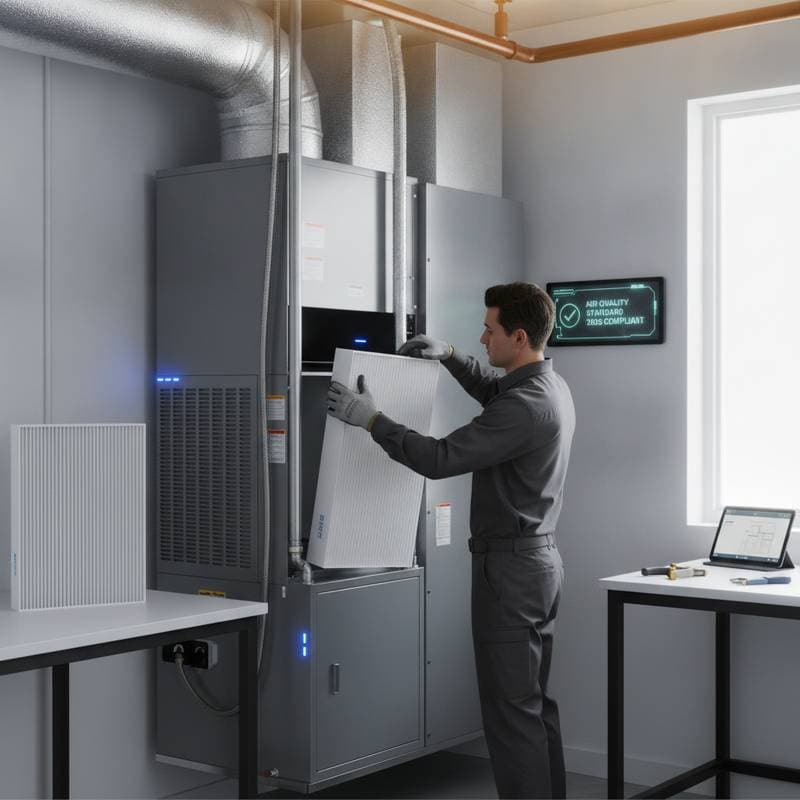
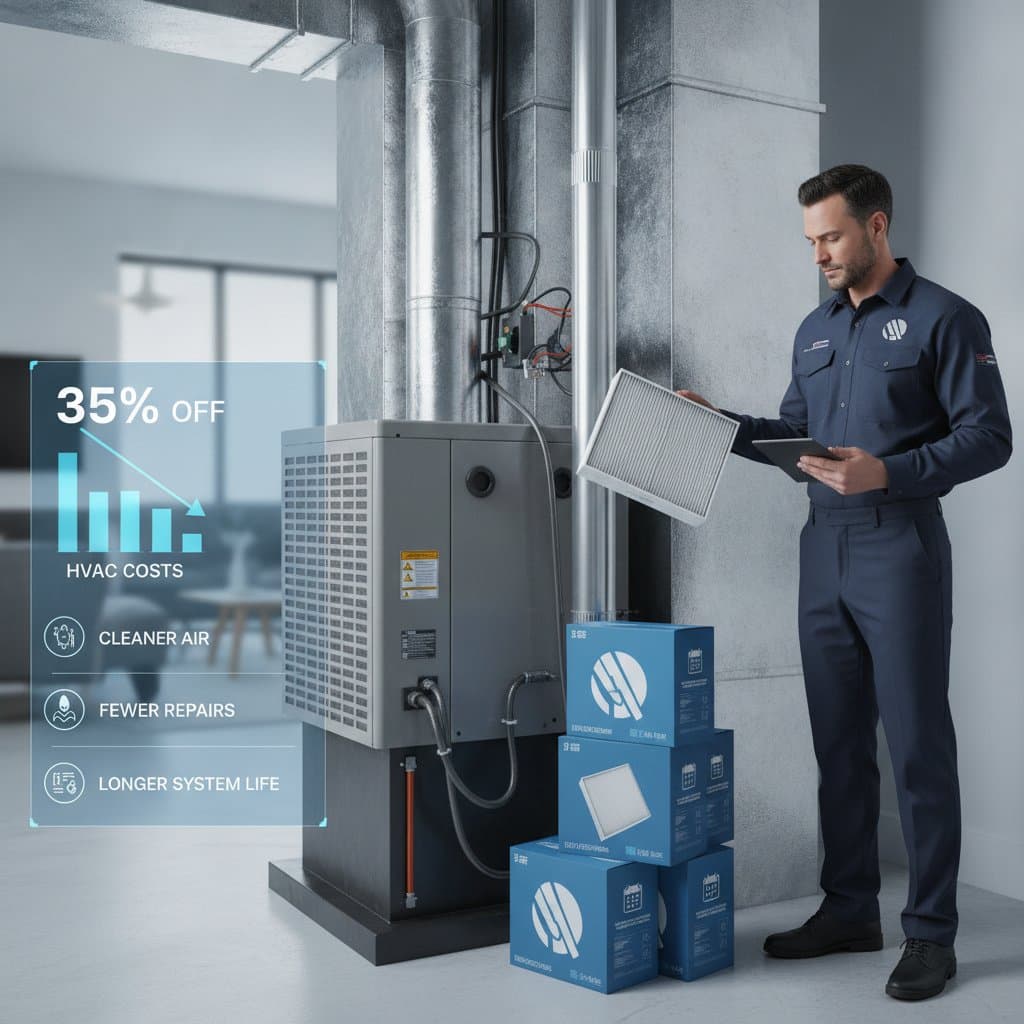
Homeowners can safely replace filters and clean dust from vents on a regular schedule. Checking indicator lights and changing bulbs according to recommendations keeps the unit operating correctly. Keeping the exterior clean and free of obstructions prevents airflow restrictions.
Professionals should handle installation of UV-C lamps inside ducts or near evaporator coils. They manage electrical connections safely and confirm that airflow patterns support effective purification. Verification that UV exposure levels meet manufacturer specifications prevents underperformance.
Common Questions About UV-C Air Purifiers
How often should I replace the UV-C bulb?
Most UV-C bulbs last between 9 and 12 months of continuous use. Even if the bulb still glows, its UV output weakens over time. Follow the manufacturer replacement schedule for best results.
Are UV-C air purifiers safe for my family and pets?
Yes, when installed correctly inside your HVAC system, the UV light is contained and poses no risk. Never look directly at an operating UV-C bulb or handle it without proper protection.
Can UV-C purifiers remove dust and pet hair?
UV-C light does not trap physical debris like dust or pet hair. It works alongside filters that handle those larger particles. The combination of filtration and UV-C purification delivers the best allergy relief.
Do UV-C systems use a lot of electricity?
No, most UV-C air purifiers are energy-efficient and draw about the same power as a standard household light bulb.
Will a UV-C purifier eliminate all allergens?
While it will greatly reduce biological contaminants, some allergens such as pollen or dander may remain. Pairing UV-C purification with regular cleaning and high-quality filters provides the most effective results.
Selecting a UV-C Unit for Long-Term Performance
A UV-C air purifier can transform an indoor environment from allergy-prone to comfortable. Homeowners who experience frequent sneezing or stale air benefit from upgrading their purification approach. Professional guidance helps match the correct unit to existing equipment and ensures safe, lasting operation.