How Much Do UV-C Air Purifiers Cost and Why Are They 2026’s Must-Have for Allergy Season?
Allergy season brings more than pollen and dust. It often means sneezing, itchy eyes, and indoor air that feels stuffy or contaminated. As homeowners look for better ways to clean their air, UV-C air purifiers have become a leading solution. These systems use ultraviolet light to neutralize airborne pathogens, allergens, and bacteria before they circulate through your home. The average cost of a UV-C air purifier ranges from $250 to $1,000, depending on its type and installation requirements.
This article explains how UV-C air purifiers work, what they cost, which factors influence pricing, and how they can improve your indoor air quality during allergy season. It also includes practical advice on choosing a system, common questions, and what to ask when getting quotes from professionals.
Cost Factors for UV-C Air Purifiers
Several factors influence the final cost of purchasing and installing a UV-C air purifier. Understanding these helps you plan your budget more effectively.
1. System Type
Whole-home units cost more than portable models because they integrate directly with your HVAC system. Portable models require no installation, while in-duct systems involve electrical work and mounting inside air ducts.
2. Brand and Quality
Brands that use higher-quality UV-C bulbs and advanced filtration features generally cost more. Some models also include sensors for air quality monitoring, auto-shutoff features, and multi-speed fans that enhance performance.
3. Installation Labor
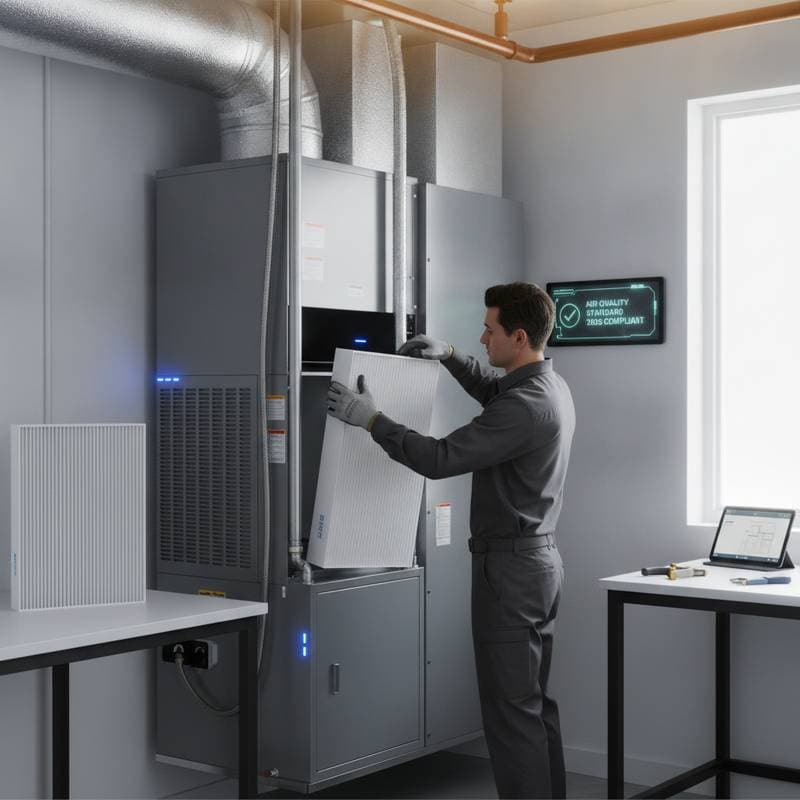
Professional installation typically costs $100 to $300 depending on local labor rates. This includes placement, wiring, and system testing to ensure proper operation.
4. Maintenance and Replacement Bulbs
UV-C bulbs lose effectiveness over time. Replacement bulbs usually cost $30 to $100 each and need to be changed every six to twelve months depending on use. Regular maintenance ensures consistent air purification.
5. Home Size and Airflow
Larger homes with high air volume require stronger or multiple units. The goal is to match purifier capacity to the total cubic footage of your living space for optimal results.
6. Energy Efficiency
Higher-efficiency models may come with a slightly higher price tag but consume less power. This can lower long-term energy costs while maintaining clean air throughout allergy season.
UV-C Air Purifier FAQs
How do UV-C air purifiers work?
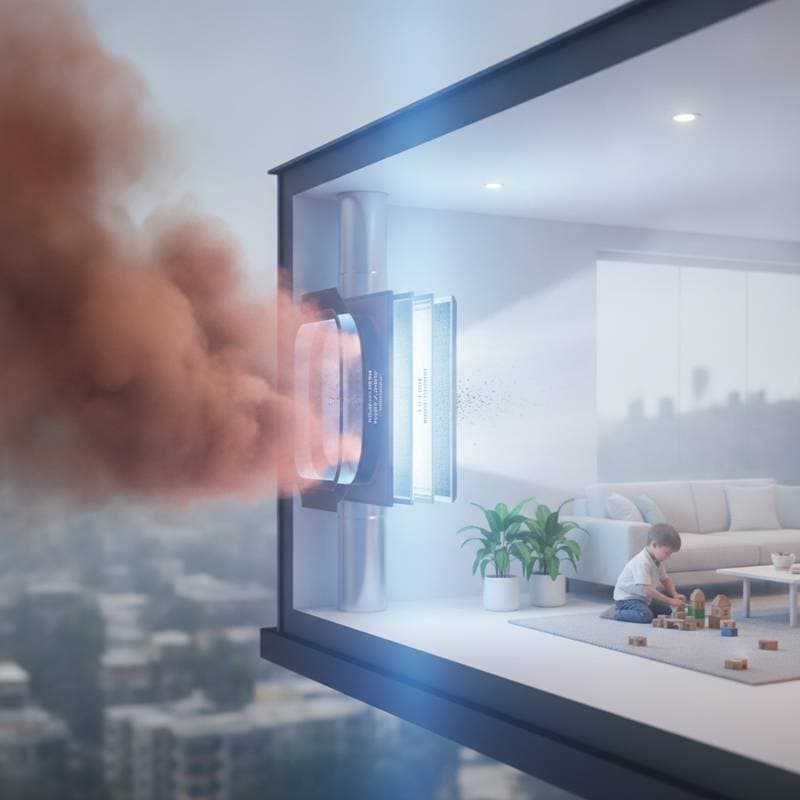
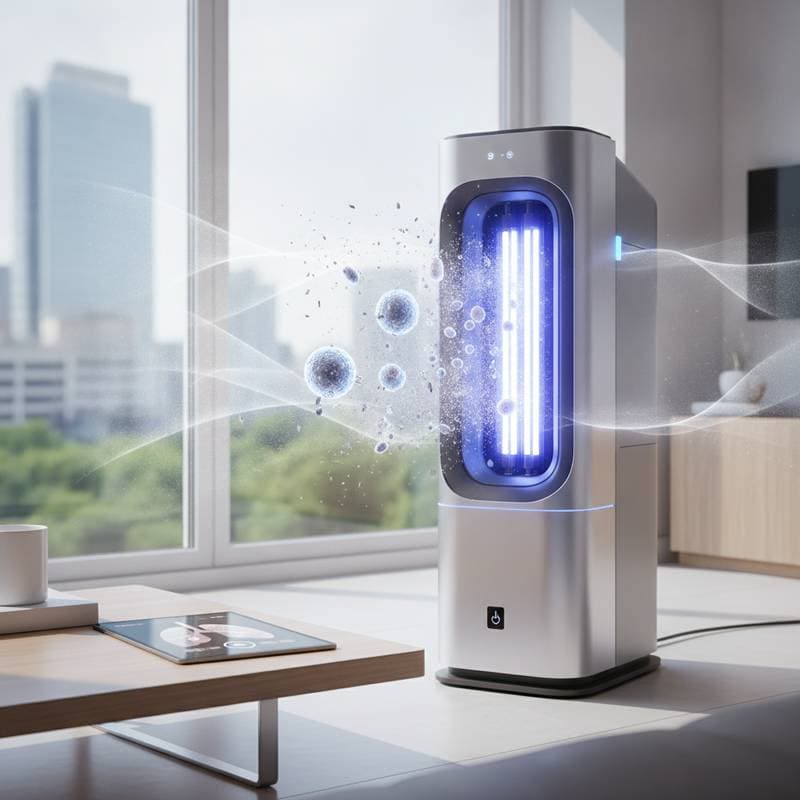
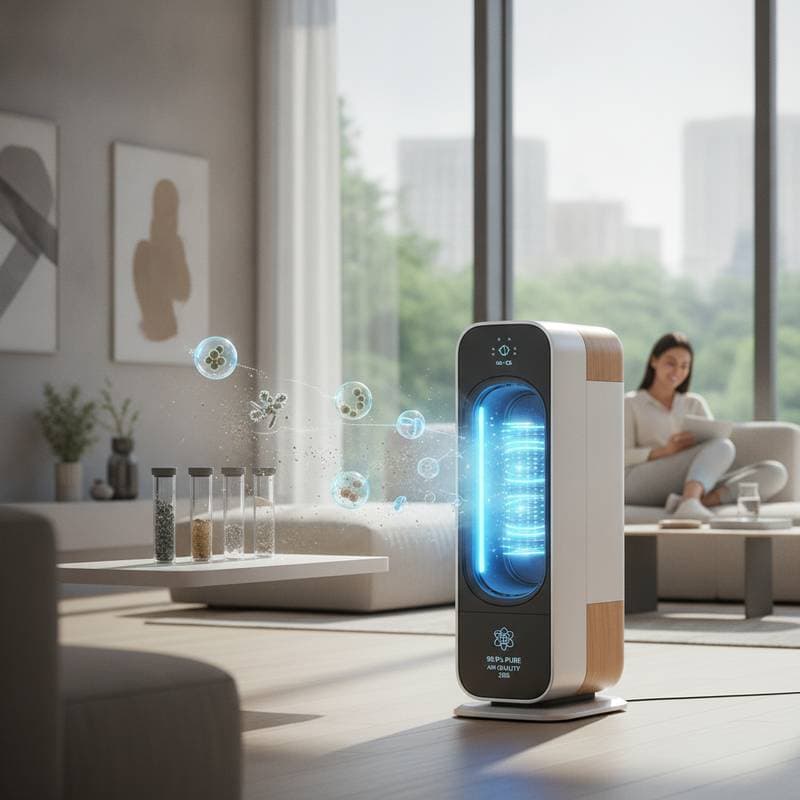
UV-C air purifiers use short-wavelength ultraviolet light to break down the DNA or RNA of airborne microorganisms. When installed in an HVAC system, the light treats all air passing through the ducts. This process helps reduce harmful particles and allergens, creating a cleaner air supply throughout the home.
Are UV-C air purifiers safe?
Yes, when installed and maintained correctly, UV-C purifiers are safe. The ultraviolet light is contained within the unit, preventing exposure to occupants. Professional installation ensures the system is shielded and properly aligned to avoid direct human contact with the light source.
Do UV-C air purifiers remove dust or pollen?
While UV-C light neutralizes germs and mold spores, it does not physically remove dust or pollen. For complete air purification, a combined HEPA and UV-C system is recommended. The HEPA filter traps larger particles, and the UV-C light sterilizes biological contaminants that pass through.
How often should the UV-C bulb be replaced?
Most UV-C bulbs last between 6 to 12 months depending on usage and manufacturer design. Over time, the bulb’s intensity decreases, reducing its ability to neutralize particles. Regular replacement ensures the purifier continues to perform at peak efficiency.
Can UV-C air purifiers help with pet allergies?
Yes, UV-C purifiers can be effective for pet owners. They help reduce airborne particles from pet dander and control odors. While they do not eliminate allergens already on surfaces, they significantly improve air quality and reduce respiratory irritation.
Do these purifiers increase energy use?
The energy consumption of a UV-C purifier is relatively low, comparable to a standard light bulb. Models designed for HVAC integration often operate only when the system runs, which helps conserve energy.
Getting UV-C Air Purifier Quotes
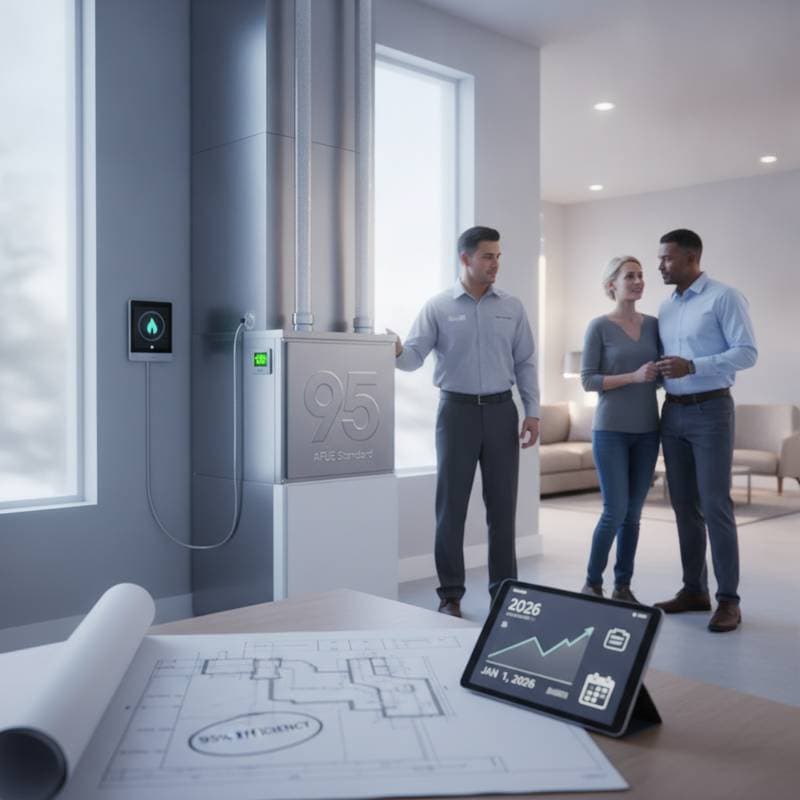
When considering a UV-C air purifier, it is wise to get multiple quotes from licensed HVAC contractors. They can assess your home’s layout, duct size, and airflow to recommend the most effective system. Comparing options helps balance performance, energy efficiency, and cost.
Questions to Ask Before Installation
- What type of UV-C system fits my home best, in-duct or portable?
- What is the total installed cost, including labor and parts?
- How long will the installation take?
- Is the system compatible with my current HVAC setup?
- How often will I need to replace the UV-C bulb?
- Does the system come with a warranty or service plan?
- What maintenance steps should I follow?
- Are there any rebates or incentives for energy-efficient models?
- How much noise does the system produce?
- Will this system help reduce specific allergens like mold or pollen?
Maintaining Your Investment
Installing a UV-C air purifier is a proactive step toward healthier indoor air, especially during allergy season. Regular maintenance, such as replacing bulbs and cleaning filters, keeps the system performing efficiently.
With cleaner air, fewer allergy symptoms, and improved comfort, homeowners can enjoy a fresher, more breathable living environment all year.