UV-C Air Purifiers Set to Become the 2026 HVAC Standard
Indoor air quality ranks high among homeowner priorities for cleaner and safer living environments. UV-C air purifiers now appear frequently in discussions about heating and cooling upgrades. These systems alter how equipment manages airborne contaminants. The following sections explain the shift toward UV-C technology and its role as an emerging standard.
Definition and Function of UV-C Air Purifiers
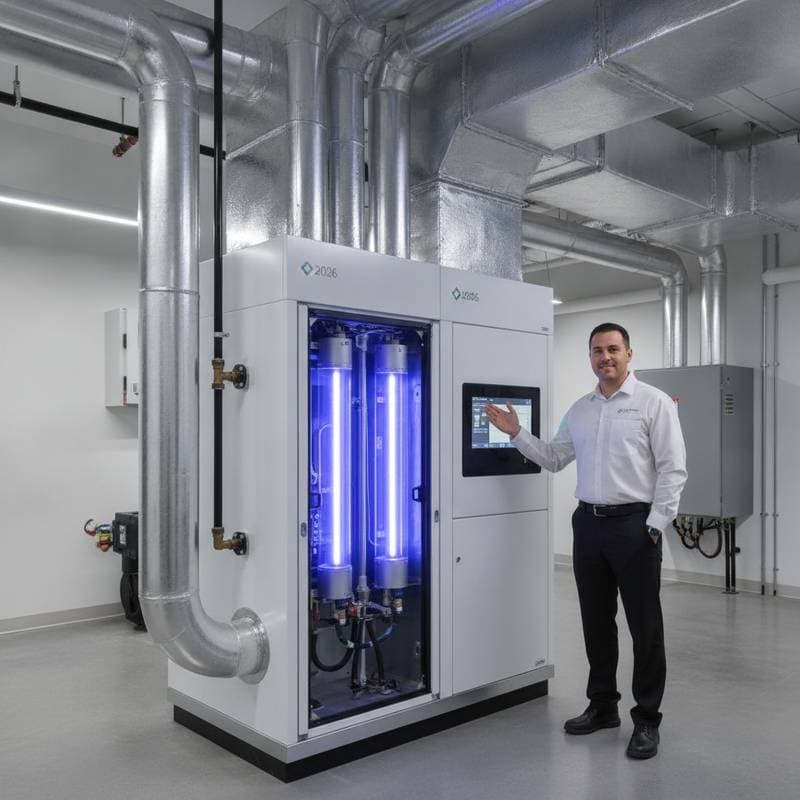
A UV-C air purifier employs ultraviolet light at a specific wavelength to neutralize bacteria, mold spores, and viruses. The light disrupts the genetic material of these organisms so they cannot reproduce. Installation occurs inside the HVAC ductwork or air handler where passing air receives direct exposure.
Traditional filters capture particles while UV-C systems eliminate biological threats at the molecular level. This distinction allows the two technologies to work together effectively. The outcome is air that reaches living spaces with fewer active contaminants.
Reasons for Rising Adoption
Homeowners notice more allergens and microbial growth in duct systems that affect daily comfort. UV-C technology addresses these issues directly. Several practical advantages drive interest in the approach.
- It neutralizes organisms that standard filters miss.
- It reduces odors from organic compounds.
- It maintains coil cleanliness to support steady airflow and lower energy use.
- It operates continuously during system runtime.
These outcomes support both occupant health and equipment durability. Lower costs and improved efficiency accelerate broader use across residential and commercial settings.
Indicators for System Upgrades
Certain conditions signal the need for added purification. Persistent dust or musty smells after routine cleaning often point to duct contamination. Visible mold near vents or rapid filter clogging also suggests biological growth.
Frequent indoor allergy symptoms or uneven airflow further indicate that current filtration falls short. A UV-C unit targets the source of these problems rather than symptoms alone.
Cost Influences and Typical Ranges
Several variables determine final pricing for a UV-C installation. System size dictates lamp quantity and power requirements. Installation type affects labor because some units fit inside the air handler while others mount in return ducts.
Lamp lifespan and added features such as sensors raise upfront costs but reduce future service needs. Professional installation by a licensed technician ensures code compliance and correct integration. Homeowners generally encounter totals from several hundred dollars to slightly over one thousand depending on home size and model selection.
Operational Sequence Inside HVAC Equipment
Air enters the return duct and travels toward the evaporator coil. The UV-C lamp then directs short-wavelength light at the stream. This exposure alters pathogen DNA and renders organisms inactive before distribution to rooms.
Continuous operation prevents biofilm accumulation on coils and limits mold formation within the cabinet. Proper placement maximizes coverage without contact to wiring or insulation.
Installation Choices and Professional Requirements
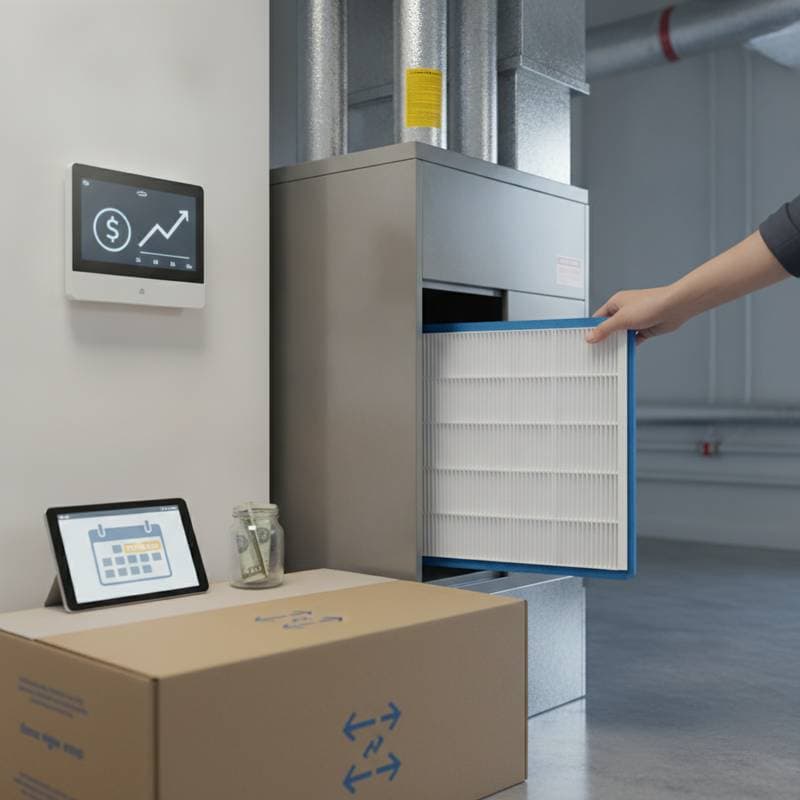
Homeowners can replace filters on schedule, clean accessible vents, and monitor moisture around the equipment cabinet. These steps maintain overall system health.
Licensed technicians must handle electrical connections, lamp positioning, and system integration. Incorrect placement reduces effectiveness while improper wiring creates safety risks. A professional verifies compatibility and provides maintenance guidance after completion.
Installation Steps Performed by Technicians
The process begins with an inspection of available space and airflow direction. The technician selects a mounting location near the coil for maximum exposure. Wiring connects to the blower circuit followed by sealing of all openings.
Final testing confirms activation and containment of light within the system. The entire procedure typically finishes in under three hours.
Common Questions About Performance
UV-C units do not capture dust or pet hair. A separate high-efficiency filter remains necessary for particulate removal. Most lamps require replacement every nine to twelve months even when they still emit visible light.
Correct installation prevents damage to system components. The light stays contained inside the equipment and poses no risk to occupants when shields remain in place. Cleaner coils contribute to sustained energy efficiency over multiple seasons.
Adding UV-C Purification to Existing Systems
Consultation with a qualified technician identifies compatible models and confirms duct configuration. Proper selection and installation deliver measurable improvements in air cleanliness and equipment longevity. Homeowners gain a practical method to maintain healthier indoor conditions year-round.