Why Monthly HVAC Plans Are Replacing Traditional Repairs
When your air conditioner breaks down on a hot day or your heater stops working in the middle of winter, the situation can quickly turn from an inconvenience into an emergency. Many homeowners now prevent those stressful events through a better approach. Monthly HVAC plans, also called maintenance or service plans, replace the old model of waiting for a failure before seeking help. This guide explains why the shift is occurring, how the plans operate, and the benefits they deliver for home comfort and budgeting.
What Is a Monthly HVAC Plan?
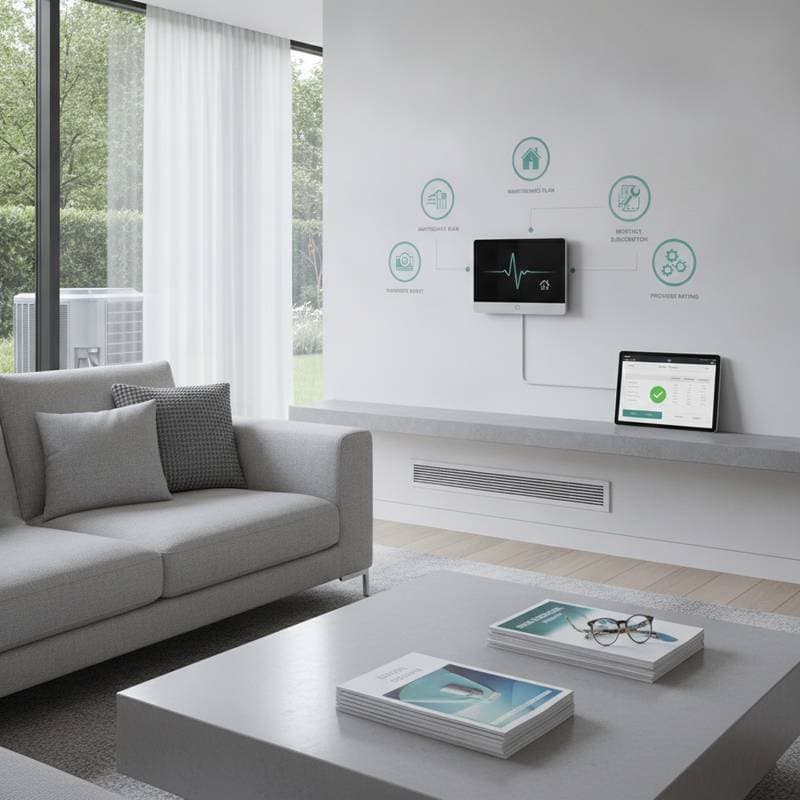
A monthly HVAC plan is a subscription service that delivers regular maintenance, inspections, and priority repairs for heating and cooling equipment. Homeowners pay a fixed monthly fee instead of facing charges only after a breakdown occurs. The fee keeps the system in optimal condition throughout the year.
Typical plans cover routine tune-ups, filter changes, and system inspections that identify small issues early. Many plans also provide discounts on parts, lower service fees, and priority scheduling during peak seasons. The overall aim is to lengthen equipment life, raise efficiency, and cut unexpected repair expenses.
Why Traditional Repairs Are Losing Ground
Traditional HVAC repairs follow a reactive pattern. Homeowners wait for a failure, then contact a technician. This method often produces higher total costs and greater stress. Several factors drive the move toward subscriptions.
- Unpredictable costs: One repair can reach hundreds or thousands of dollars. A maintenance plan spreads payments evenly for easier budgeting.
- Emergency breakdowns: Systems without regular service fail more often during periods of greatest need.
- Reduced efficiency: Missed maintenance forces the equipment to consume more energy and raises utility bills.
- Shorter equipment lifespan: Neglected systems wear out sooner and require earlier replacement.
Switching to a monthly plan removes these surprises and supplies steady confidence that the system receives ongoing attention.
Common Features of HVAC Maintenance Plans
Contractors structure plans in different ways, yet most share several core elements that support reliable operation.
- Seasonal tune-ups: Inspections and performance checks performed on both heating and cooling equipment.
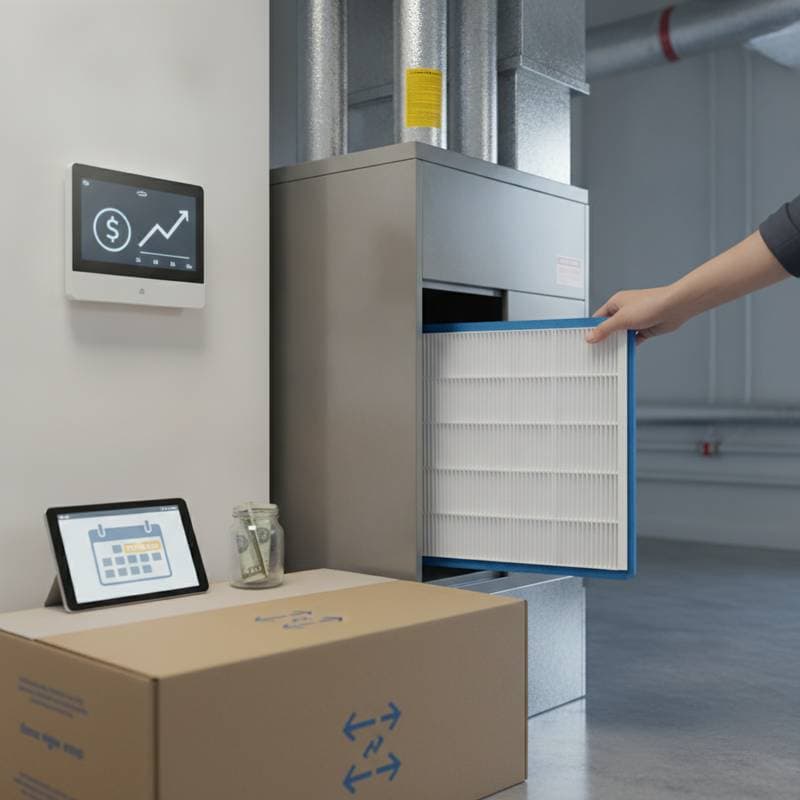
- Filter replacement: Clean filters maintain airflow, support indoor air quality, and lessen strain on components.
- Priority scheduling: Plan members receive earlier service appointments during busy periods.
- Discounted repairs: Many plans reduce charges for parts and labor when repairs become necessary.
- System documentation: Technicians record performance data at each visit to reveal trends before problems grow.
These elements create a proactive model that prevents breakdowns and lowers long-term expenses.
Key Benefits of Monthly HVAC Plans
Predictable Costs and Easier Budgeting
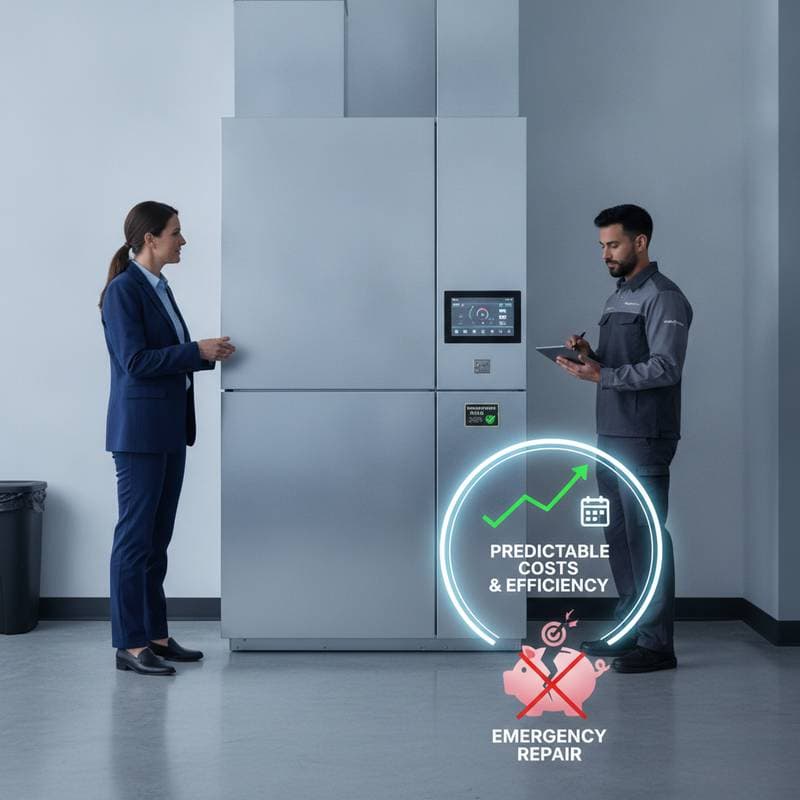
A monthly plan removes the risk of large, unplanned repair bills. Maintenance expenses become a regular budget item that simplifies financial planning.
Improved System Efficiency
Regular service maintains peak performance. Clean coils, calibrated thermostats, and lubricated parts allow the unit to use less energy. The resulting utility savings often offset a portion of the subscription fee.
Fewer Breakdowns
Routine visits let technicians detect worn belts, loose connections, or clogged drains before major damage occurs. This approach lowers the likelihood of failures during extreme weather.
Longer Equipment Lifespan
Proper care extends the years of service from an HVAC system. Consistent maintenance reduces wear on components and postpones the need for replacement.
Healthier Indoor Air Quality
Technicians examine filters, ducts, and humidity levels during visits. These checks prevent the circulation of dust, allergens, and mold.
Priority Service and Discounts
Plan members gain earlier access to technicians and reduced repair rates when issues arise. The advantage becomes especially valuable during high-demand seasons.
Key Factors Affecting the Cost of HVAC Plans
Plan pricing depends on several variables. Understanding these factors helps homeowners select appropriate coverage.
- System type and size: Larger or more complex equipment requires additional time and materials.
- Service frequency: Some plans schedule two visits annually, while others add extra inspections.
- Coverage level: Plans that include parts and labor for selected repairs carry higher fees but provide broader protection.
- Location: Labor rates and climate conditions influence regional pricing.
- Contractor reputation: Companies with certified technicians may charge more yet often deliver higher service quality.
Most homeowners discover that plan fees remain far below the annual cost of unexpected repairs.
Monthly HVAC Plans vs. Traditional Repairs
What You Can Do Yourself
Homeowners can safely change filters and keep vents unobstructed. These steps maintain steady airflow and reduce equipment strain between professional visits. Watch for warning signs such as unusual noises, weak airflow, or odd odors.
When to Call a Professional
Tasks involving refrigerant, gas lines, or electrical components require a licensed technician. These jobs need specialized tools and training. A professional inspects, cleans, and tests each part while confirming compliance with safety standards.
Complex repairs attempted without proper qualifications can create safety hazards, void warranties, or cause additional damage. A maintenance plan ensures qualified personnel handle these tasks on schedule.
The HVAC Maintenance Process
Enrollment in a monthly plan follows a clear sequence.
- Initial assessment: A technician evaluates the system and establishes a maintenance schedule.
- Routine service visits: Seasonal tune-ups include checks of refrigerant levels, coil cleaning, electrical testing, and thermostat calibration.
- Documentation: Each visit produces detailed notes on performance and any adjustments completed.
- Preventive recommendations: Technicians discuss potential issues before they develop into costly problems.
- Ongoing support: Plans often include priority emergency scheduling and reminders for upcoming service.
This process maintains efficient operation and reduces unexpected interruptions.
Why Homeowners Are Embracing the Subscription Model
The movement toward monthly HVAC plans reflects broader trends in home services. Homeowners favor predictable solutions that lower stress and uncertainty. Instead of reacting to failures, they gain assurance that a professional monitors system health continuously.
The model also suits busy schedules. Maintenance occurs automatically, so homeowners avoid tracking service dates or contacting multiple contractors.
Frequently Asked Questions
How much does a monthly HVAC plan cost?
Pricing varies by provider and equipment type. Most plans fall within a modest monthly range that stays well below the expense of a typical repair. The final amount reflects equipment details, service level, and local labor rates.
Is a maintenance plan worth it if my system is new?
Yes. New systems still require regular maintenance to preserve warranty coverage and sustain efficient performance. Routine service identifies minor issues before they become warranty claims.
Will a maintenance plan cover all repairs?
Most plans supply discounts on parts and labor but do not cover every repair. Review the contract to confirm included items. Higher-tier plans may provide full coverage for selected components.
Can I cancel my HVAC subscription anytime?
Many companies permit cancellation with notice, although some require a minimum term. Examine the service agreement for exact terms before enrollment.
How often should my HVAC system be serviced?
Most systems need inspection and tuning twice each year, once for heating and once for cooling. Some plans add visits for homes with heavy use or extreme climates.
Next Steps for Homeowners
Enrolling in a monthly HVAC plan protects comfort, controls expenses, and reduces the stress of sudden breakdowns. Spreading maintenance costs across the year improves budget control while the system continues to operate efficiently.
Contact a trusted HVAC provider to review coverage options that match your home. Consistent professional care forms the basis for reliable heating, cooling, safety, and peace of mind.