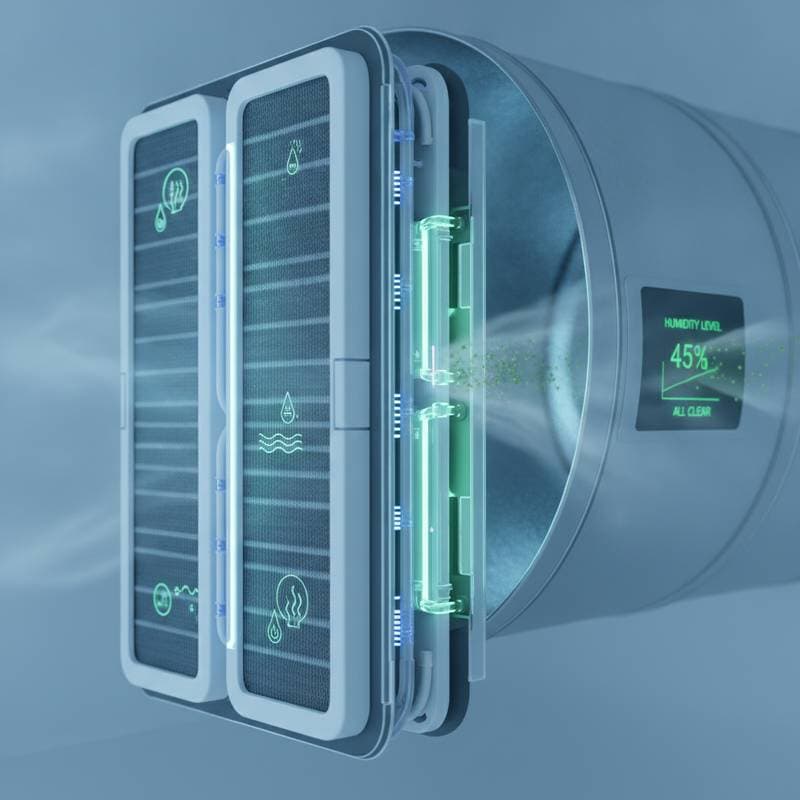
Smart Filters That Alert You Before Mold Starts
Mold thrives in humid, stagnant air. Modern HVAC technology detects excess moisture early and intervenes before growth begins. Moisture-sensing HVAC filters measure humidity in real time, adjust system operation, and send alerts when conditions favor mold.
These devices improve indoor air quality, limit allergen spread, and reduce wear on HVAC components. The sections below explain their operation, selection criteria, and maintenance requirements.
Core Components and Operation
| Feature | Benefit |
|---|---|
| Sensor Type | Detects real-time humidity and moisture levels |
| Main Function | Prevents mold growth by adjusting air circulation |
| Average Cost | $40 - $120 per filter |
| Lifespan | 3 - 6 months before replacement |
| Key Benefit | Cleaner air, less maintenance, and healthier home environment |
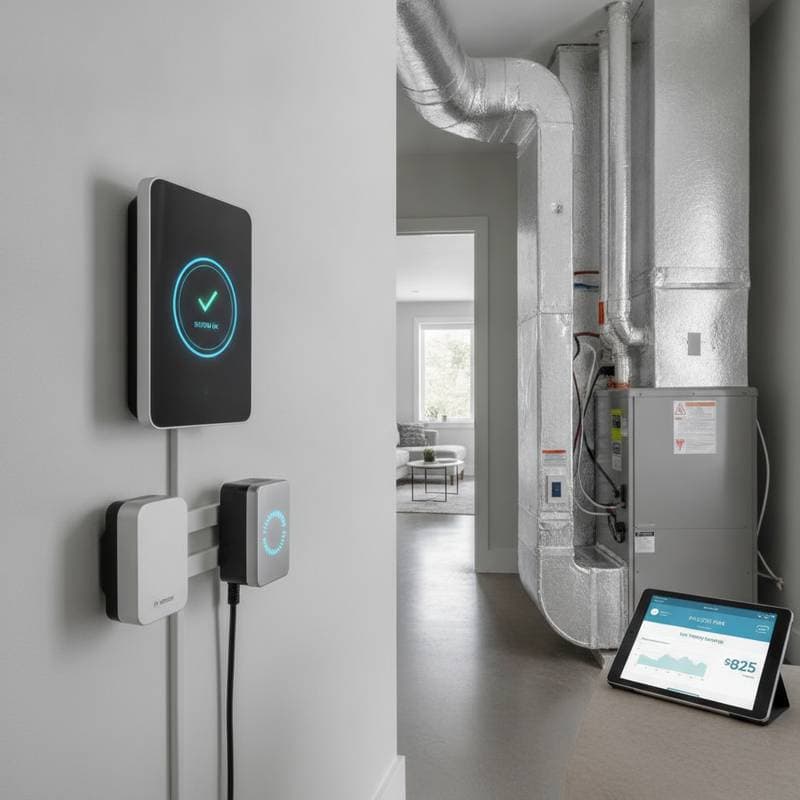
Each filter contains a humidity sensor paired with a communication module. When moisture exceeds safe levels, the unit signals the HVAC system to increase airflow or activate dehumidification. The same signal can reach a smartphone app for immediate user notification.
Standard filters trap particles only. Moisture-sensing models create an active control loop that maintains balanced humidity throughout the living space.
Reasons to Prioritize Mold Prevention
Unchecked mold damages building materials and produces persistent odors. It also aggravates respiratory conditions. Remediation inside ductwork often costs several thousand dollars and requires extended disruption.
Early humidity control at the filter level avoids these outcomes and supports long-term system efficiency.
Selection Criteria
Material and Construction
Synthetic fiber, carbon, and pleated media each offer different particle capture rates. Higher-grade options pair with sealed sensor housings that resist corrosion from condensate.
Measurement Precision
Choose units that report humidity to within two percent accuracy and update readings every thirty seconds. Integration with existing smart thermostats allows continuous logging without additional hubs.
System Compatibility
Confirm that the filter frame matches the return-air slot dimensions. Some models require a communicating thermostat or Wi-Fi adapter to transmit data. Verify voltage and connector type before purchase.
Installation Location
Position the filter where airflow represents the entire conditioned space. Avoid corners or bypass ducts that produce false low readings.
Available Configurations
- Smart disposable filters contain a one-time sensor and pair with a mobile app for alerts.
- Reusable models feature a washable media core and a detachable sensor module rated for multiple seasons.
- Factory-integrated systems track humidity alongside temperature and volatile organic compounds.
- Hybrid units link directly to whole-home dehumidifiers and adjust setpoints automatically.
Indicators of Elevated Humidity Risk
Persistent musty smells near registers, condensation on supply grilles, or visible growth on ceilings signal inadequate moisture control. Standalone hygrometer readings above 55 percent relative humidity for extended periods also warrant attention. Increased allergy symptoms often accompany these conditions.
Step-by-Step Installation
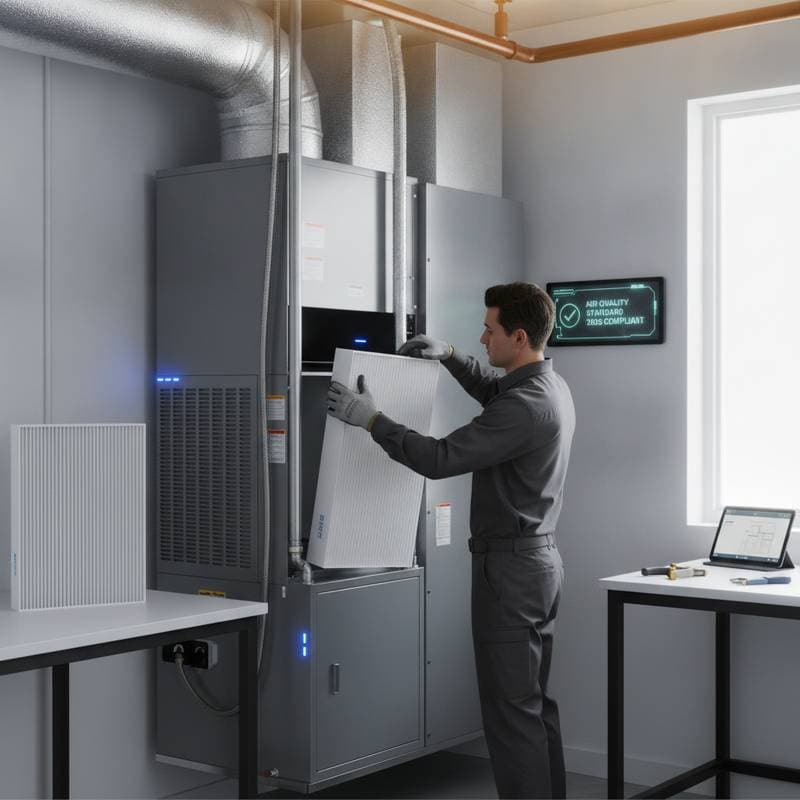
- Shut off power to the HVAC equipment at the service disconnect.
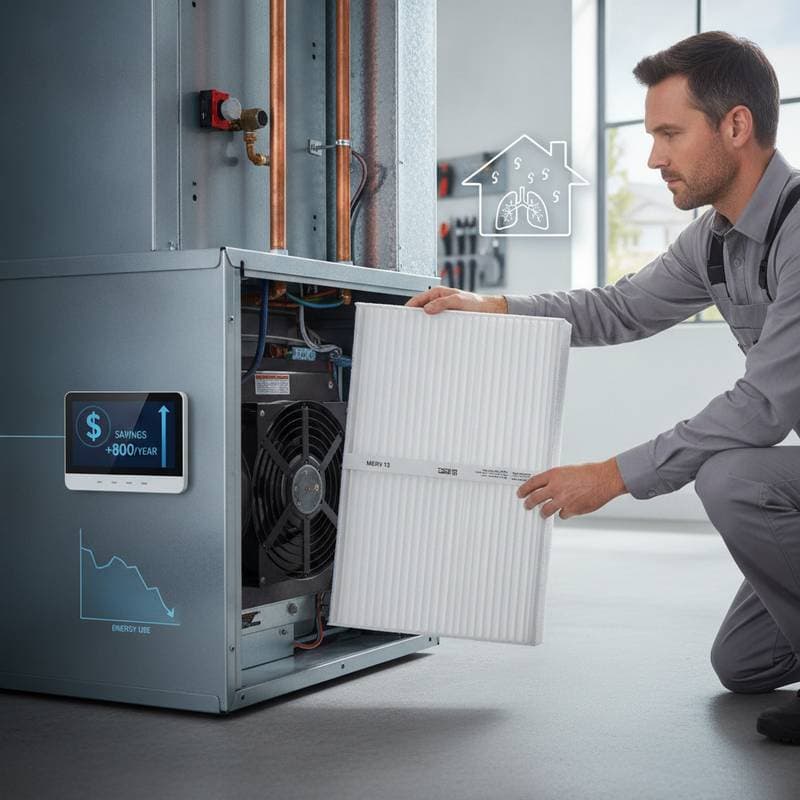
- Note the airflow arrow on the existing filter and remove it.
- Insert the new moisture-sensing filter so the arrow points in the same direction.
- Activate the sensor pairing mode and connect it to the chosen app or thermostat.
- Restore power and run a five-minute test cycle to confirm data transmission.
- Review humidity trends for the first seventy-two hours to verify stable readings.
Technicians can perform sensor calibration when the installation involves custom duct transitions.
Ongoing Care
Replace disposable filters on the schedule printed on the frame. Rinse reusable media with water only and allow complete drying before reinstallation. Wipe sensor contacts monthly to prevent dust accumulation that skews readings. Annual duct cleaning further supports accurate operation.
Typical Investment Range
Individual filters cost between forty and one hundred twenty dollars. Reusable versions carry a higher initial price yet lower the per-year expense. A compatible smart thermostat or hub adds one hundred to three hundred dollars when not already present. Professional synchronization service averages seventy-five to one hundred fifty dollars.
Common Questions
How often should filters be changed?
Disposable units require replacement every three to six months. Properly maintained reusable versions operate for several years.
Do the filters capture existing mold spores?
They trap airborne spores while humidity control prevents new colonies. Existing contamination still requires professional remediation.
Will any HVAC system accept these filters?
Most standard return slots accommodate the physical dimensions. Electronic communication depends on thermostat capabilities.
How do energy costs compare?
Slight increases in fan runtime are offset by reduced dehumidifier demand and fewer emergency service calls.
Do the sensors function during heating operation?
Yes. Humidity thresholds remain active year-round because winter air can still carry enough moisture for localized growth.
Selecting the Right Filter for Your Home
Match sensor accuracy and connectivity features to your current thermostat. Review warranty terms that cover both the media and the electronics. Consistent monitoring then maintains balanced humidity and protects the living environment without repeated manual checks.