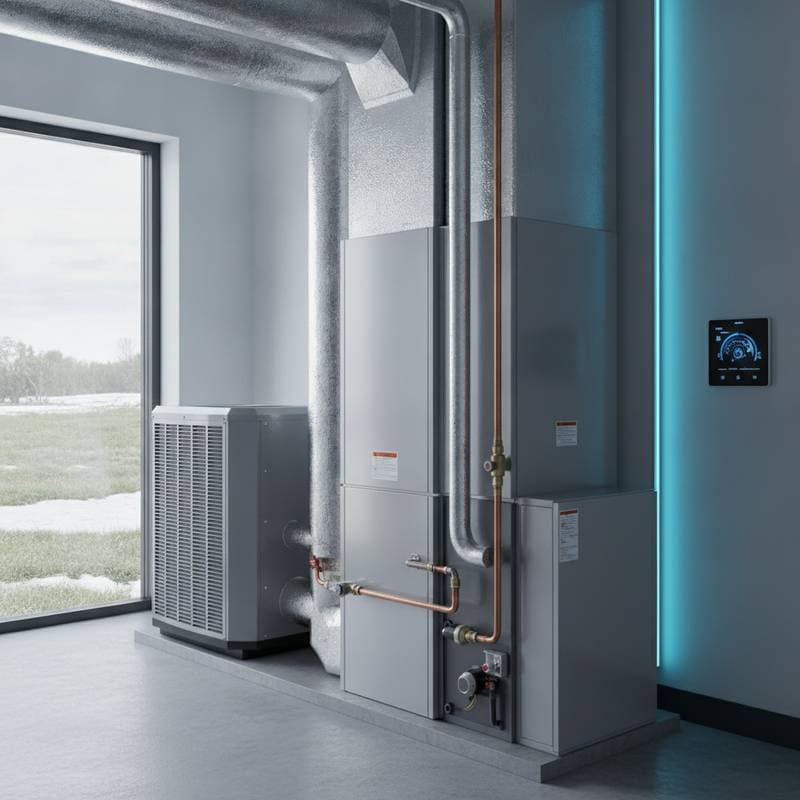
Why More Homeowners Install Dual-Fuel Systems
When temperatures swing between hot summers and cold winters, homeowners need a heating and cooling solution that adapts without wasting energy or money. The dual-fuel HVAC system, sometimes called a hybrid heating system, combines the best features of a heat pump and a furnace. This system switches between them automatically to deliver the most cost-effective performance.
Here is what you need to know about why so many homeowners are making the switch to dual-fuel systems, how they work, and whether this technology is right for your home.
What Is a Dual-Fuel HVAC System?
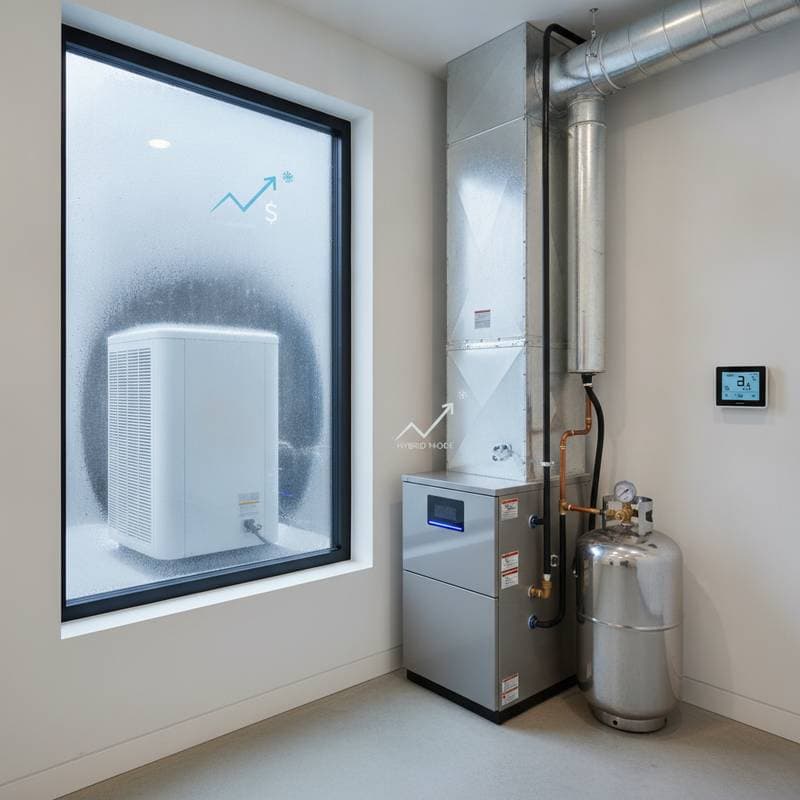
A dual-fuel system combines two heating technologies into one coordinated unit. It pairs an electric heat pump with a gas furnace or sometimes a propane furnace. The system uses the heat pump for energy-efficient heating and cooling during mild weather. It then switches to the furnace when temperatures drop too low for the heat pump to operate efficiently.
This hybrid approach gives you the best of both worlds. The electric heat pump handles heating and cooling efficiently when the weather is moderate. The furnace provides reliable, powerful heat when outdoor temperatures fall too low for the heat pump to keep up. The transition between the two heat sources happens automatically through the system control board, which monitors outdoor conditions and energy usage.
Why Dual-Fuel Systems Are Gaining Popularity
Homeowners are looking for HVAC solutions that are both energy efficient and cost effective. Traditional furnaces or heat pumps alone can struggle with extreme weather or high energy costs. Dual-fuel systems adapt to changing conditions automatically. This makes them a smart long-term investment for balanced climates and areas with fluctuating energy prices.
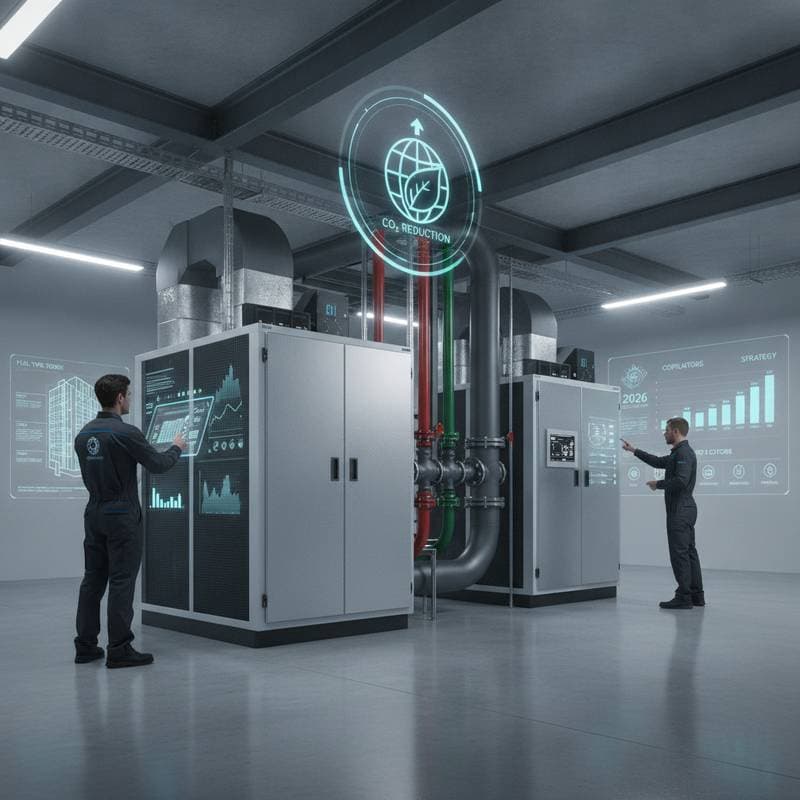
The main reasons more homes are turning to this technology include energy flexibility. The system can use whichever energy source is cheaper at the moment. Lower utility bills result from optimized fuel use. Reduced carbon footprint occurs because the electric heat pump uses renewable power sources when available. Consistent comfort is maintained because the furnace supplements the heat pump when needed. Longer equipment life follows from sharing the workload between two systems.
How a Dual-Fuel System Works
A dual-fuel system operates through intelligent switching between its two main components. In mild weather operation during spring or fall, the heat pump provides both heating and cooling by transferring heat between indoors and outdoors. It uses very little energy, which makes it cost efficient during these times.
In cold weather operation, when outdoor temperatures fall below a certain point, the system automatically engages the furnace. The furnace produces consistent warmth using gas or propane. This ensures your home stays comfortable even in freezing conditions. Smart control through the thermostat or control board monitors outdoor temperatures and energy usage. It switches between heat pump and furnace without any manual input.
Common Signs You Should Consider a Dual-Fuel Upgrade
If your current HVAC setup is outdated or struggles with temperature swings, a dual-fuel system might be the perfect solution. Look for these signs that it could be time to upgrade. Your furnace or heat pump is more than a decade old and showing signs of inefficiency. Energy bills are rising even though your usage has not changed. Your home experiences uneven heating or cooling between rooms. You live in a region with cold winters and mild shoulder seasons. You want to reduce dependence on a single energy source.
Types of Dual-Fuel Systems
Not all dual-fuel systems are identical. They can be configured to match your home layout, climate, and energy preferences.
Split-System Dual-Fuel Units
This version pairs a separate heat pump outdoor unit with an indoor gas furnace. It is ideal for homeowners upgrading an existing furnace who want to add a heat pump for better efficiency.
Packaged Dual-Fuel Units
In these systems, all components are contained in a single outdoor cabinet. They save space and simplify installation. This makes them popular for smaller homes or properties with limited indoor mechanical space.
Variable-Speed Dual-Fuel Systems
Some newer models feature variable-speed compressors and blower motors. These adjust output gradually rather than turning on and off abruptly. This enhances comfort, quiet operation, and efficiency.
Choosing the right configuration depends on your home structure, climate, and whether you already have ductwork in place.
Key Factors Affecting Dual-Fuel System Cost
The total cost of a dual-fuel HVAC system can vary widely based on several important considerations. National averages typically range from several thousand to over ten thousand dollars for complete installation. Exact pricing depends on your location and system size.
The main factors that influence cost include system size and capacity. A larger home requires a higher-capacity system, which increases both equipment and installation costs. Efficiency ratings matter because models with high Seasonal Energy Efficiency Ratio or Annual Fuel Utilization Efficiency ratings cost more upfront but save more energy over time. Brand and features such as variable-speed technology or smart thermostats raise the price but improve comfort and control. Installation complexity increases costs when homes need new ductwork, electrical upgrades, or gas line adjustments. Regional energy prices affect both the operating expenses and potential savings from switching to dual-fuel.
Dual-Fuel System vs. Traditional HVAC Options
When comparing dual-fuel systems with standard HVAC setups, the differences in efficiency and comfort are clear.
| Feature | Dual-Fuel System | Traditional Furnace | Standard Heat Pump |
|---|---|---|---|
| Heating Efficiency in Mild Weather | Excellent | Low | Excellent |
| Heating Efficiency in Extreme Cold | Excellent | Excellent | Poor |
| Cooling Capability | Excellent | None | Excellent |
| Energy Source | Gas + Electric | Gas Only | Electric Only |
| Operating Costs | Lower overall | Moderate | Higher in cold climates |
This combination of efficiency, adaptability, and comfort makes dual-fuel systems especially appealing to homeowners in regions with wide temperature swings.
What You Can Do Yourself vs. When to Call a Professional
Some routine maintenance tasks can be safely handled by homeowners. Others require professional service to ensure safety and performance.
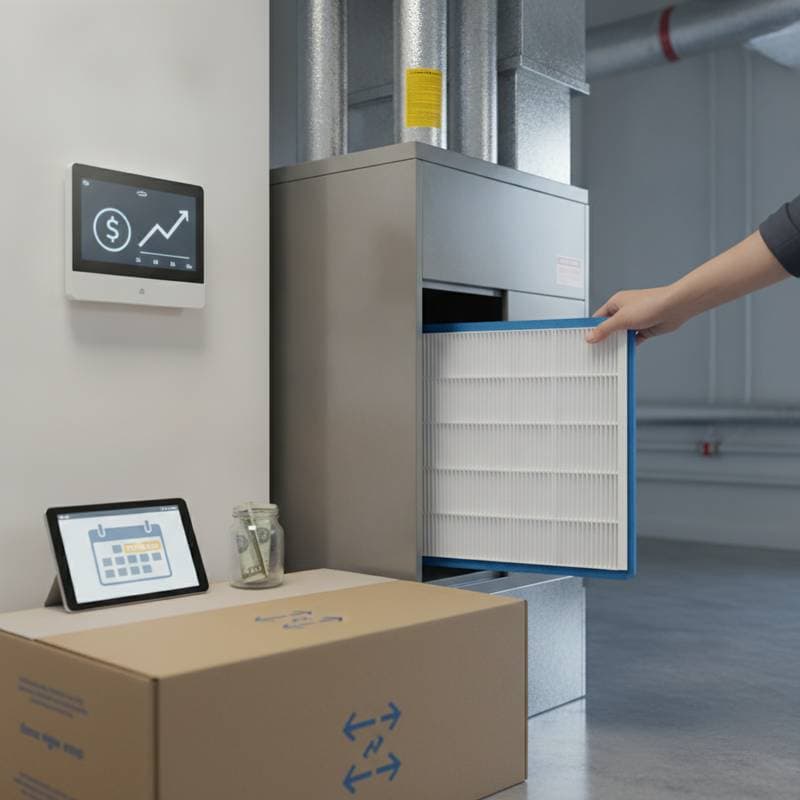
Safe homeowner tasks include checking and replacing air filters every one to three months. Keep the outdoor condenser unit clear of debris, leaves, and snow. Clean supply and return vents inside your home. Monitor your thermostat settings and adjust for seasonal changes.
Tasks for a professional include installing or replacing a dual-fuel system. Adjusting refrigerant levels or handling refrigerant lines. Inspecting gas connections and combustion safety. Performing annual tune-ups and system diagnostics.
Dual-fuel systems involve both electrical and gas components. For safety and warranty protection, installation and advanced maintenance should always be handled by a licensed HVAC technician.
The Dual-Fuel Installation Process
When you decide to install a dual-fuel system, here is what to expect from start to finish. A home assessment occurs first. A technician evaluates your current system, ductwork, and energy usage to determine the right size and configuration. Equipment selection follows. Based on your home needs, you choose a heat pump and furnace combination that matches your efficiency goals and budget.
Installation comes next. The technician installs both units, connects gas and electrical lines, and integrates the control system. System calibration programs the thermostat to switch between modes automatically based on outdoor temperature thresholds. Testing and verification check all connections, airflow, and safety controls before the system is considered ready.
This process typically takes one to two days. The exact time depends on the complexity of the installation and whether any upgrades to ducts or wiring are required.
Frequently Asked Questions
What is the main advantage of a dual-fuel HVAC system?
The biggest advantage is efficiency. The system uses the heat pump during mild weather for low-cost heating and cooling. It then switches to the furnace only when necessary. This balance keeps energy bills lower and comfort levels higher.
Can I convert my existing furnace to a dual-fuel system?
In many cases, yes. If your current furnace is in good condition, a technician can often pair it with a compatible heat pump to create a hybrid system. A professional evaluation will confirm whether your equipment and controls support this upgrade.
How long does a dual-fuel system last?
With regular maintenance, most dual-fuel systems last about as long as traditional HVAC setups. Heat pumps typically run efficiently for around a decade or more. Furnaces can last even longer. Proper care and seasonal tune-ups help extend lifespan.
Does a dual-fuel system save money?
Yes, in most climates it does. Since the system automatically chooses the most efficient heating method, it reduces energy waste. Exact savings depend on local energy rates and usage patterns. Many homeowners notice lower utility costs after switching.
Are dual-fuel systems environmentally friendly?
They are more eco-friendly than gas-only systems. The heat pump uses electricity, which can be generated from renewable sources. This reduces fossil fuel consumption. The furnace runs only when it is the more efficient choice, limiting emissions overall.
Planning Your Dual-Fuel System Upgrade
Maintaining your HVAC system is key to comfort and efficiency. While you can handle simple upkeep such as filter changes and debris removal, complex work like installation, gas connections, and refrigerant service should always be done by a qualified professional.