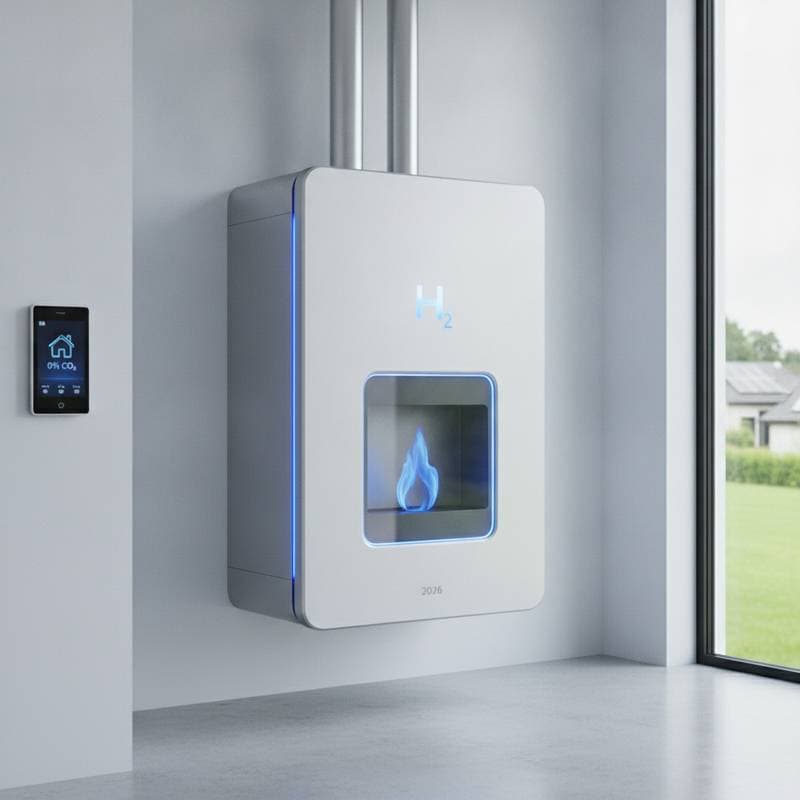
Hydrogen Furnaces Deliver Clean Heat Without Carbon Emissions
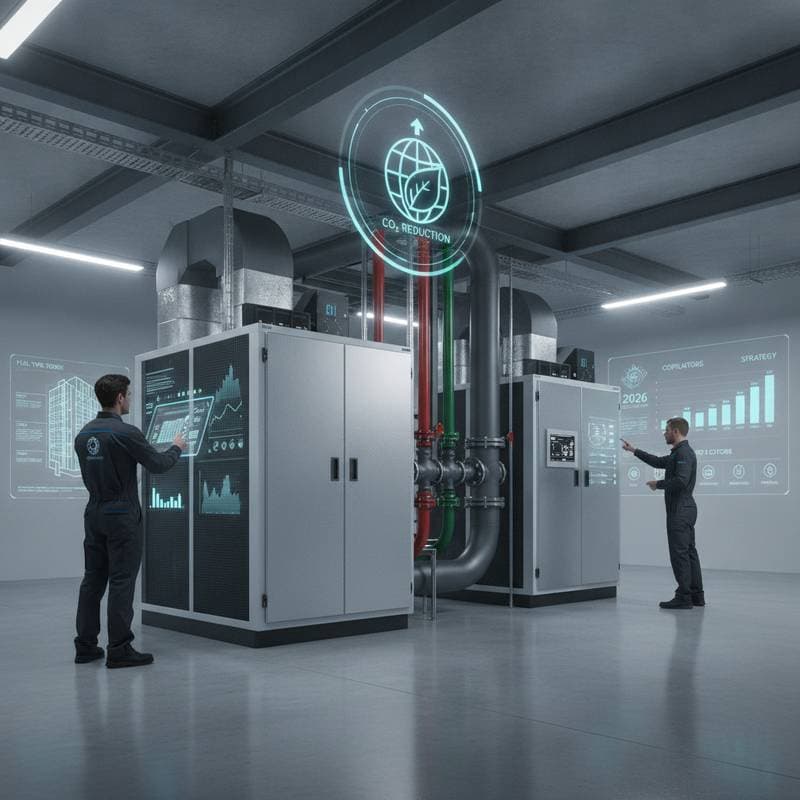
Hydrogen furnaces provide an efficient way to heat homes while producing no carbon emissions. These systems burn pure hydrogen gas to generate warmth. They represent an emerging option for homeowners seeking to reduce reliance on fossil fuels.
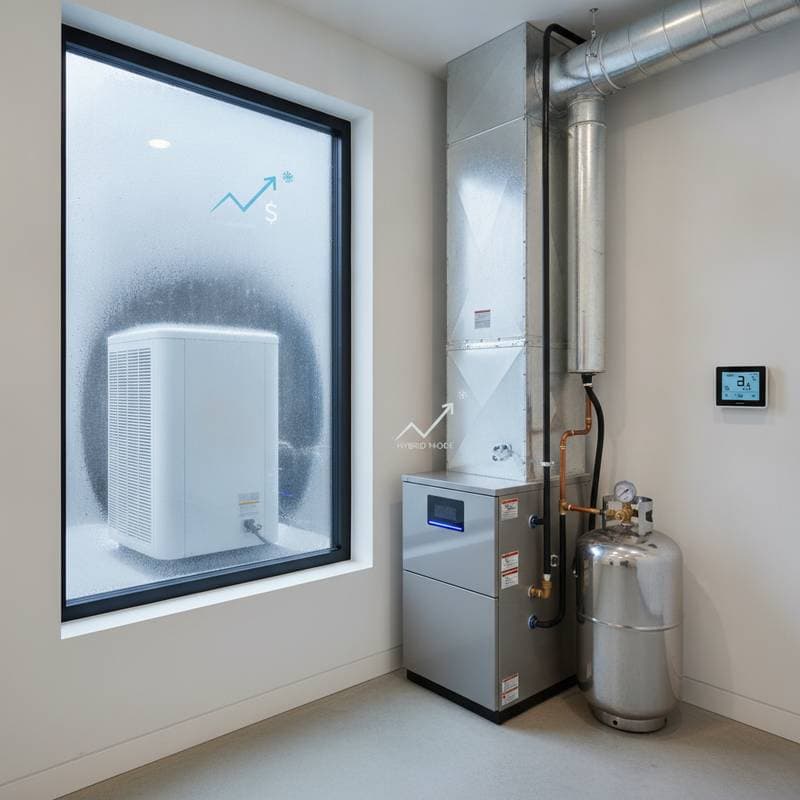
Homeowners gain long term value from high efficiency models. Such units often cost more at purchase but lower ongoing energy expenses. Many systems operate initially on natural gas and switch to hydrogen when supply lines expand.
Key Factors in System Selection
- High efficiency models generally cost more upfront but deliver better long term savings.
- In some areas hydrogen ready systems can operate on natural gas until hydrogen fuel becomes widely accessible.
- Homes with existing gas lines or venting systems may require modifications to support hydrogen use safely.
- Some regions offer rebates or credits for installing low carbon or hydrogen ready heating systems.
- Skilled HVAC technicians familiar with hydrogen systems ensure proper installation and system safety.
While specific prices vary by location and system size homeowners can expect hydrogen ready furnaces to cost more initially than standard gas units. Over time reduced energy waste and environmental benefits can balance those costs.
Hydrogen Furnaces Compared With Traditional Gas Systems
Hydrogen furnaces share many similarities with gas furnaces but differ in critical areas that influence performance and sustainability.
- Gas furnaces rely on fossil fuels while hydrogen furnaces use a renewable and clean burning alternative.
- Hydrogen produces zero carbon emissions compared to significant emissions from natural gas.
- Modern hydrogen ready systems are built for high efficiency often matching or exceeding the performance of conventional systems.
- Hydrogen ready furnaces protect your investment by allowing easy conversion as hydrogen fuel becomes more accessible.
Maintenance Tasks for Homeowners and Professionals
There are a few maintenance tasks you can safely handle yourself. Hydrogen systems involve advanced technology that should always be managed with care.
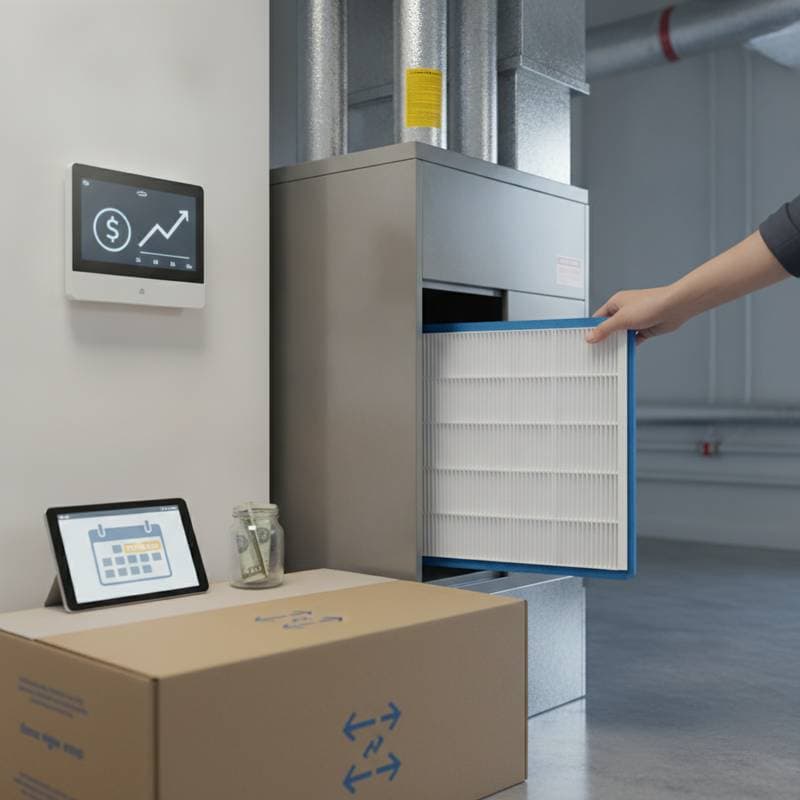
Keep the furnace area clean and unobstructed. Replace or clean air filters as recommended by the manufacturer. Monitor for unusual noises or smells and report them immediately.
Licensed HVAC professionals handle the following tasks. They inspect and service combustion components. They adjust fuel mixtures or conversion kits for hydrogen compatibility. They test ventilation and safety controls. They verify proper installation and code compliance.
Hydrogen furnaces involve combustion and pressurized gas systems. Professional maintenance remains essential to ensure safety and performance.
Steps in Professional Hydrogen Furnace Installation
If you decide to install a hydrogen ready furnace here is what you can expect from a professional service.
- A technician assesses your home layout insulation and existing ductwork.
- The right furnace size and model are chosen based on your heating needs and hydrogen readiness.
- The technician installs the furnace connects fuel lines and ensures safe operation.
- The system is tested under normal conditions and efficiency settings are fine tuned.
- You learn how to operate and maintain your new system for optimal results.
This process ensures your furnace operates safely and efficiently from day one.
Answers to Common Questions
Can an existing gas furnace be converted to run on hydrogen?
In most cases older gas furnaces cannot be safely converted to hydrogen. Modern hydrogen ready systems are designed specifically for this transition and meet strict safety standards.
How safe are hydrogen furnaces?
When installed and maintained by a qualified HVAC technician hydrogen furnaces are very safe. They include safety valves leak detectors and modern control systems to prevent any risk of fire or explosion.
Will hydrogen heating cost more to operate?
Operating costs depend on local hydrogen prices and system efficiency. Many homeowners find expenses comparable to natural gas once supply networks mature.
When will hydrogen fuel be available for homes?
Availability timelines vary by region. Pilot programs already operate in select communities with wider rollout expected over the next decade.
Is hydrogen heating better for the environment?
Hydrogen heating produces no carbon emissions during use. This quality makes it a strong choice for reducing household environmental impact.
Preparing Your Home for Future Heating Options
Hydrogen furnaces represent a practical choice for homeowners focused on comfort and reduced emissions. Investing in a hydrogen ready system today prepares your property for upcoming energy sources. A licensed HVAC professional can evaluate your current setup and confirm readiness for hydrogen compatibility.