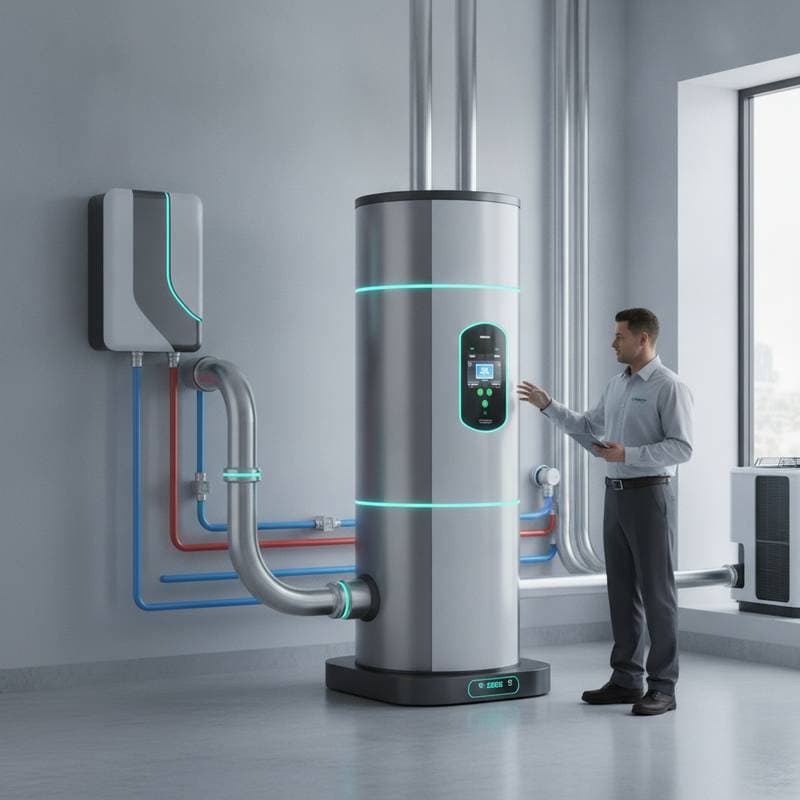
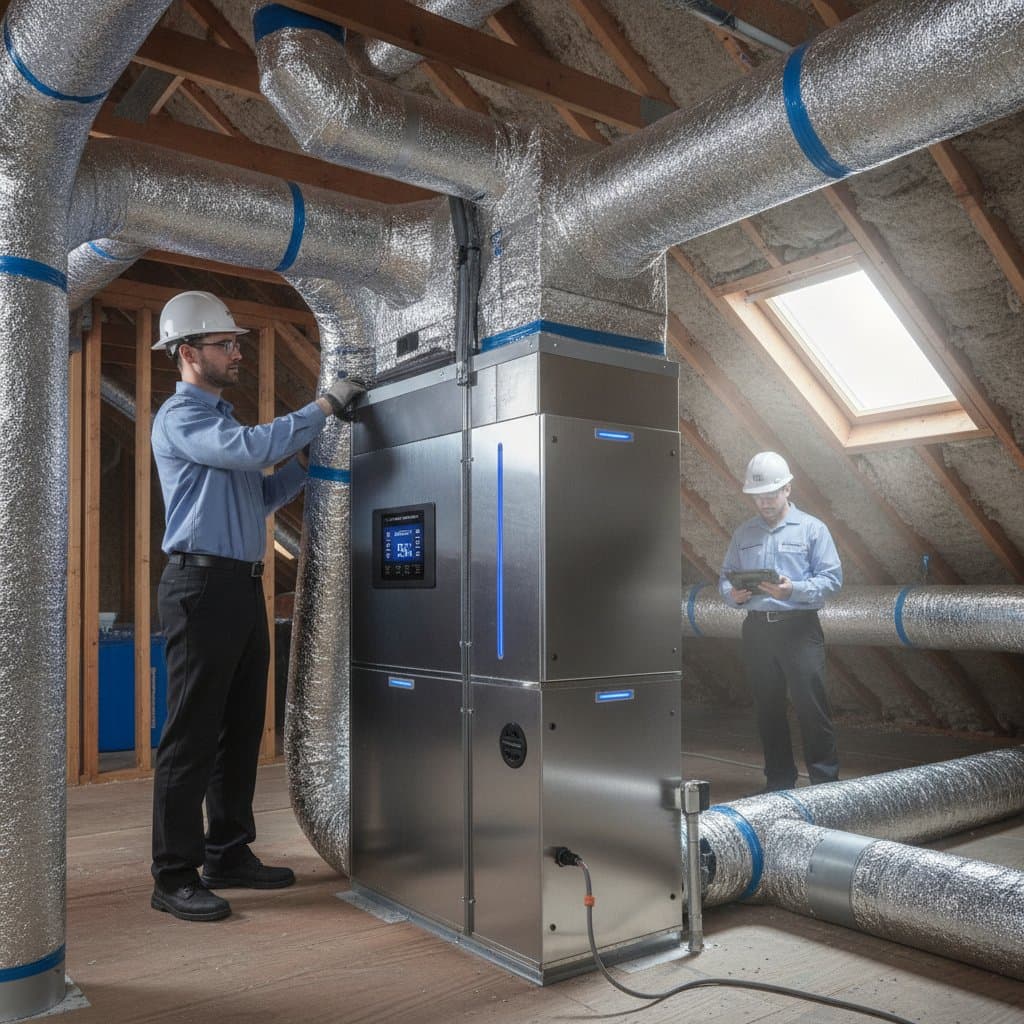
Heat Recovery Systems Reduce HVAC Energy Waste by 55 Percent
Heat recovery systems capture warmth from air leaving a home and transfer it to incoming fresh air. This process allows an HVAC unit to maintain indoor temperatures with less effort. Homeowners often achieve energy waste reductions of up to 55 percent while improving air quality and comfort.
- Average energy waste reduction reaches 55 percent
- Complete system costs range from 2500 to 6000 dollars
- Payback occurs in three to six years
- Expected lifespan extends 10 to 20 years
- Primary options include HRV and ERV models
Core Operating Principles
The system routes outgoing stale air and incoming outdoor air through a heat exchanger core. Heat moves across the core without mixing the two streams. In ERV models moisture transfers as well. The HVAC equipment therefore cycles less often to reach the desired temperature.
Cost Ranges and Selection Factors
Equipment and labor together average between 2500 and 6000 dollars. Single-room units sit at the lower end while whole-home retrofits reach the higher end. Four variables drive final pricing.
System Type
HRV units move only heat and suit cold climates. ERV units move both heat and moisture and perform better in humid regions.
Home Size and Layout
Larger floor plans or intricate duct runs require higher-capacity equipment. Smaller homes may need only one compact unit.
Efficiency Rating
Models with higher sensible recovery efficiency ratings cost more upfront yet return larger long-term savings.
Installation Complexity
New construction allows straightforward duct placement. Existing homes may require additional labor to integrate runs.
HRV and ERV Characteristics
HRV advantages include strong heat transfer and reduced moisture accumulation. Their main limitation appears in humid conditions. ERV advantages center on simultaneous humidity control across varied climates. They require slightly more frequent filter attention.
Indicators for System Consideration
Persistent condensation on windows, stale odors, or unusually high utility bills signal inadequate ventilation. Tightly sealed homes built for efficiency often benefit most.
Installation Sequence
- A technician inspects existing ventilation paths and HVAC layout.
- The appropriate HRV or ERV model is selected for climate and square footage.
- Ductwork, intake and exhaust vents, and the core unit are placed.
- Airflow balance and temperature transfer are verified.
- A filter and core cleaning schedule is set with the homeowner.
Service Life and Upkeep
Regular filter replacement and annual core cleaning keep performance stable. Most units operate quietly, comparable to a bathroom exhaust fan. Proper care supports the full 10-to-20-year lifespan.
Climate Suitability and Energy Impact
HRV models deliver best results in cold regions. ERV models manage both temperature and humidity in mixed or damp areas. Many households record HVAC energy reductions near 55 percent after installation.
Retrofit Feasibility
Systems can be added to existing homes. A qualified installer designs duct routes that match current construction. The added complexity raises labor time but does not prevent successful integration.
Planning Your Installation
Obtain multiple bids that detail equipment efficiency ratings and duct layouts. Confirm local incentives for energy-saving ventilation. Schedule professional maintenance at purchase to protect long-term performance and savings.