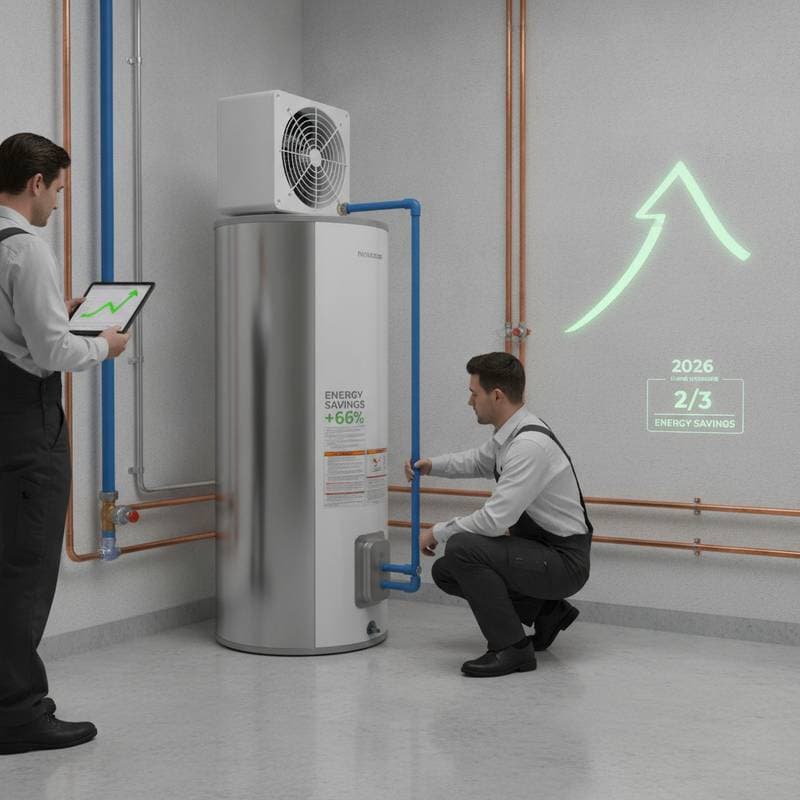
2026's Fastest ROI Upgrade: Heat Pump Water Heaters
If you seek one of the smartest home upgrades for comfort and energy savings, consider a heat pump water heater. As energy costs rise and efficiency standards tighten, this system offers one of the quickest paths to lower utility bills while increasing home value. The following sections explain why homeowners regard it as a top return on investment upgrade.
What Is a Heat Pump Water Heater?
A heat pump water heater, often called a hybrid water heater, operates differently from traditional electric or gas models. Instead of generating heat directly, it transfers warmth from surrounding air into the water tank. This process uses a small amount of electricity to move heat rather than create it, which improves efficiency.
Many units deliver the same volume of hot water while using less than half the energy of conventional systems. The result includes lower monthly bills, extended system life, and a reduced carbon footprint.
Why Homeowners Are Switching
Homeowners switch for three primary reasons.
- Energy savings: The average heat pump water heater uses about one third of the electricity required by a standard electric model.
- Environmental benefits: It reduces greenhouse gas emissions by relying on heat transfer rather than combustion.
- Long term value: Although the initial cost can exceed that of conventional units, monthly savings often recover the investment within a few years.
When you replace an aging water heater or plan an efficiency upgrade, this technology provides strong payback potential.
Common Signs You Need a New Water Heater
Before upgrading, verify whether your current water heater approaches the end of its service life. Warning signs include the following.
- Inconsistent water temperature or frequent cold water bursts
- Strange noises such as popping or rumbling from sediment buildup
- Leaks or rust around the tank base
- Rising energy bills without increased usage
- Water that appears discolored or carries a metallic taste
If any of these issues appear, evaluate a heat pump model. A professional can assess your setup and confirm suitability for installation.
Key Factors Affecting Heat Pump Water Heater Cost
Several elements determine total purchase and installation cost. Understanding them supports effective budget planning.
- Unit size and capacity: Larger households require higher capacity models that cost more yet serve multiple users effectively.
- Efficiency rating: Units with higher energy ratings deliver greater long term savings.
- Installation complexity: Replacement of a similar electric model remains straightforward. Retrofitting from gas or adding new wiring can raise labor costs.
- Brand and warranty: Reputable brands supply extended warranties and higher efficiency standards.
- Local rebates and incentives: Many regions provide rebates or tax credits that offset initial expenses.
Installed costs typically range from 1500 to 3500 dollars. Energy savings often recover that investment within several years.
DIY vs. Hiring a Pro
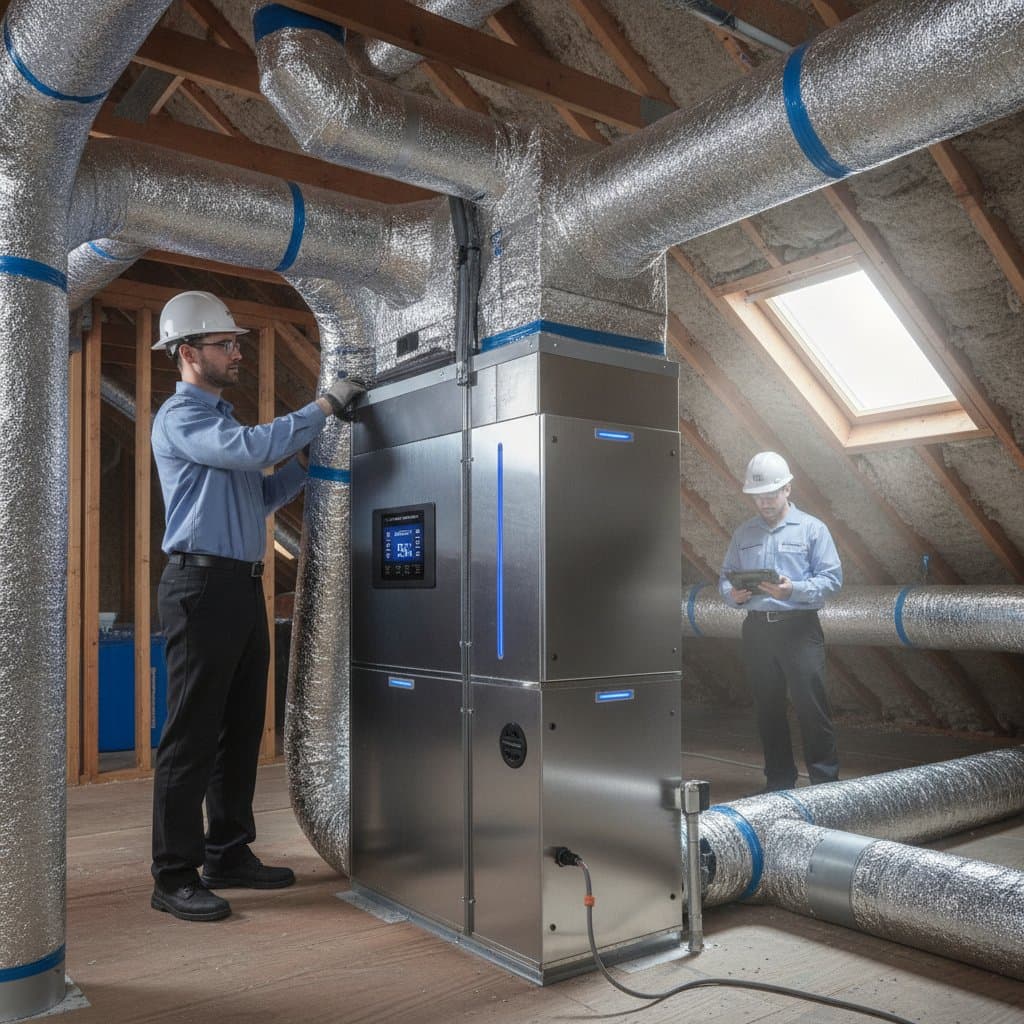
Although self installation may appear attractive, important safety considerations apply. Heat pump water heaters require proper electrical connections, refrigerant handling, and occasional plumbing modifications. Errors can produce leaks, electrical hazards, or reduced performance.
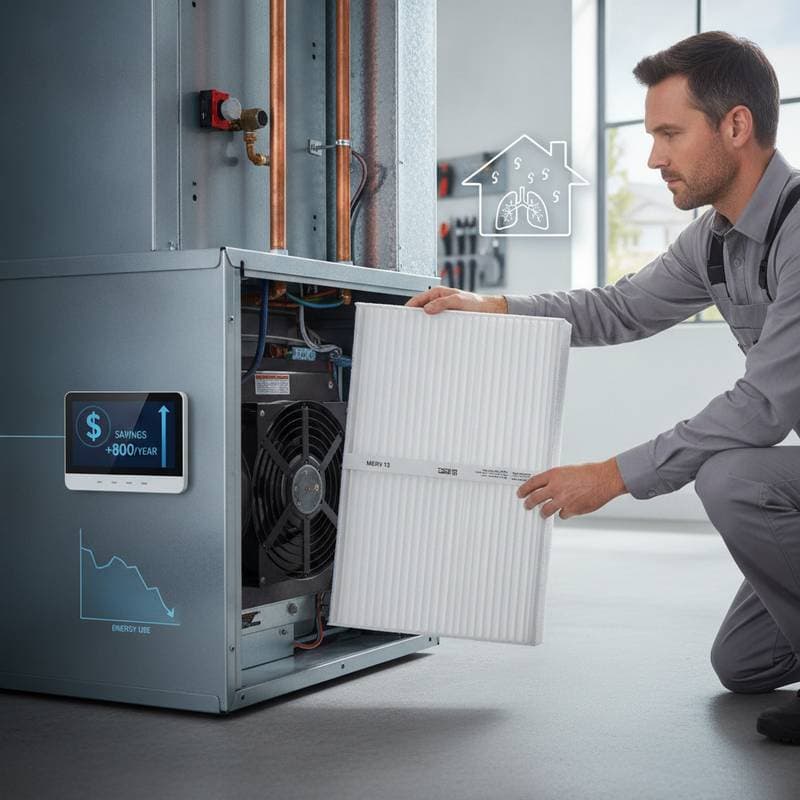
You can safely clear the installation area, ensure adequate ventilation, check drainage for condensate lines, and replace filters per manufacturer guidance. Leave electrical wiring, refrigerant handling, and optimal unit placement to a licensed HVAC technician. Professional work ensures code compliance, efficient operation, and warranty protection.
The Heat Pump Water Heater Installation Process
A professional installation follows these steps.
- Assessment of the existing water heater, electrical panel, and placement area.
- Selection of appropriate capacity and efficiency rating.
- Removal of old equipment and completion of necessary plumbing or electrical updates.
- Positioning, connection, and securing of the new unit.
- Verification of temperature settings, leak checks, and airflow confirmation.
- Guidance on operation, maintenance, and energy saving practices.
The process usually concludes in less than one day, after which immediate hot water and reduced energy use become available.
Frequently Asked Questions
How much energy can I save with a heat pump water heater?
Many homeowners achieve energy savings of 50 percent or more compared with standard electric water heaters. Results vary with usage patterns, household size, and local climate.
Can I use a heat pump water heater in a cold climate?
Modern models operate efficiently in cooler environments. Some include hybrid modes that switch to traditional electric heating when temperatures fall too low.
Next Steps for Homeowners
Contact a licensed HVAC contractor to assess your current system and review available rebates. Proper selection and installation deliver reliable hot water, measurable bill reductions, and lasting home value.