Claim Your $1,800 Heat Pump Water Heater Rebate in 2026
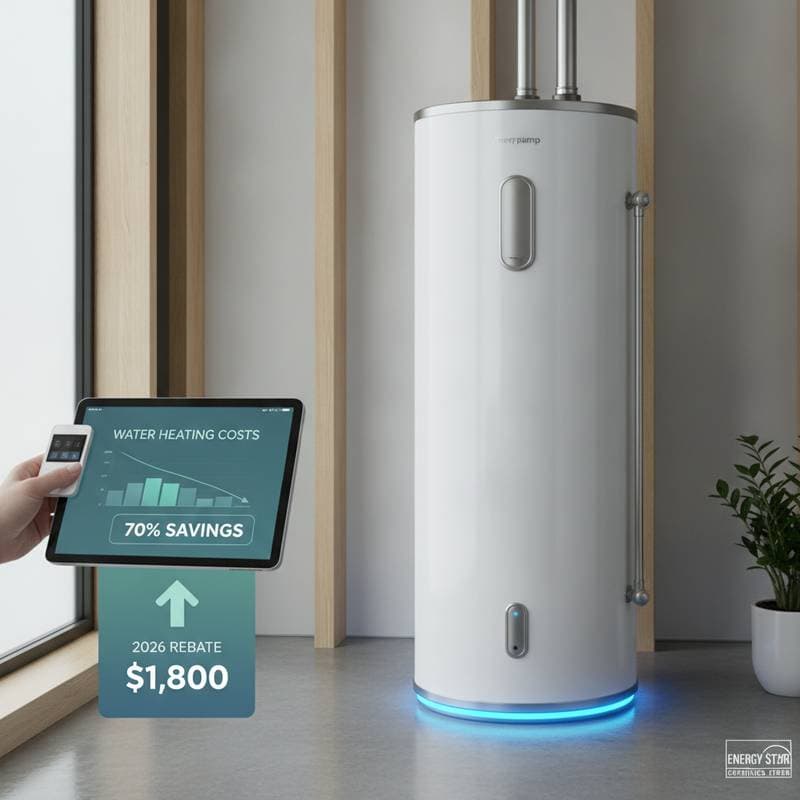
If you upgrade to a high-efficiency heat pump water heater, you may qualify for a rebate of up to $1,800 that can dramatically lower your installation cost. This rebate program is designed to help homeowners reduce energy use while saving money on monthly utility bills. Below, you will learn how the rebate works, who qualifies, and how to claim your savings when you install a new heat pump water heater.
| Item | Rebate Amount |
|---|---|
| Maximum Rebate | Up to $1,800 |
| Eligible Equipment | ENERGY STAR Certified Heat Pump Water Heater |
| Typical Installed Cost | $2,000 - $4,500 |
| Potential After-Rebate Cost | $200 - $2,700 |
| Savings on Water Heating Costs | Up to 70% per year |
Average Heat Pump Water Heater Costs
A heat pump water heater usually costs between $2,000 and $4,500 installed. This range depends on the unit size, efficiency, and the complexity of the installation. The equipment alone can range from $1,000 to $2,500, while labor costs often add another $800 to $2,000. Once you factor in the rebate, your final cost can drop significantly.
By Capacity
- 40-gallon units: $1,800 to $2,800 installed
- 50-gallon units: $2,000 to $3,500 installed
- 65-gallon units: $2,500 to $4,000 installed
- 80-gallon units: $3,000 to $4,500 installed
Larger households typically need bigger tanks. The rebate applies across sizes as long as the unit meets efficiency requirements.
Key Factors That Affect Heat Pump Water Heater Price
Several factors influence the total cost of a heat pump water heater installation. Understanding these variables helps you budget accurately and maximize your rebate value.
Unit Size and Capacity
The tank capacity you need depends on how many people live in your home and how much hot water you use daily. Smaller tanks cost less upfront but may not keep up with larger households. A professional contractor can help you find the right balance between capacity and efficiency.
Energy Efficiency Rating
Look for ENERGY STAR certified models with a high Uniform Energy Factor. A higher rating means the unit uses less electricity to produce the same amount of hot water. High-efficiency units may cost a bit more initially, but they qualify for the largest rebates and deliver long-term energy savings.
Brand and Quality
Premium brands often include longer warranties, quieter operation, and advanced smart controls. While these features increase initial cost, they can improve reliability and reduce maintenance expenses later.
Installation Complexity
If your existing water heater is electric, replacing it with a heat pump model is a straightforward job. Homes with gas water heaters might need additional electrical work and venting adjustments. Installation costs can also rise if the new unit requires upgraded wiring, a condensate drain, or extra space for airflow.
Labor and Regional Prices
Labor rates vary by location and contractor experience. Urban areas often have higher labor costs than rural ones, but local rebates and energy incentives can help balance the difference.
Types of Heat Pump Water Heaters
There are several types of heat pump water heaters available. Each type offers unique benefits depending on your home layout and hot water needs.
Integrated or All-in-One Units
These systems combine the heat pump and storage tank in a single unit.
Pros:
- Compact design suitable for most homes
- Lower installation cost
- Easy replacement for existing electric water heaters
Cons:
- May need extra space for airflow
- Can slightly cool the surrounding area
Split-System Units
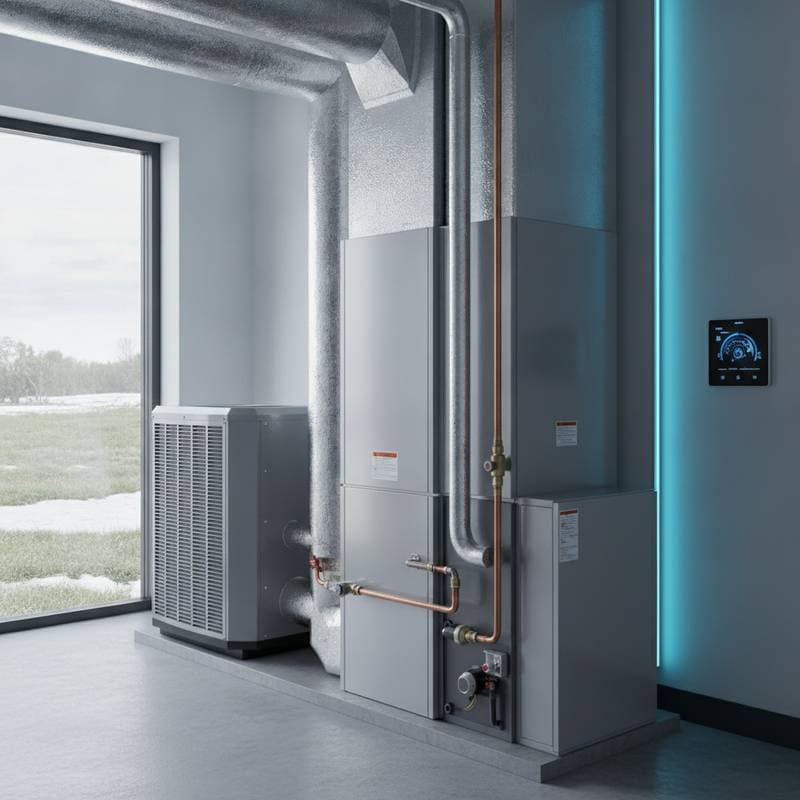
In these setups, the heat pump and water tank are separate components connected by refrigerant lines.
Pros:
- Higher efficiency and performance in colder areas
- Flexible installation options
Cons:
- More complex installation
- Higher upfront cost
Hybrid Units
Hybrid models switch between heat pump and standard electric operation. This ensures reliable hot water in all conditions.
Pros:
- Efficient in a variety of climates
- Backup heating for high-demand periods
Cons:
- Slightly more expensive
- Requires proper setup to maximize savings
Signs You Need a New Water Heater
Knowing when to replace your water heater helps you plan ahead and take advantage of rebate programs without waiting for a breakdown.
- Your water heater is over a decade old
- You run out of hot water faster than before
- Water temperature fluctuates unexpectedly
- You see rust, corrosion, or water leaks near the tank
- Energy bills have increased without explanation
- The heater makes loud or unusual noises
Replacing an aging or inefficient unit before it fails can prevent unexpected costs. It also makes you eligible for the rebate sooner.
The Heat Pump Water Heater Installation Process
A professional installation ensures safety, efficiency, and compliance with local codes. Here is what to expect when you schedule the job.
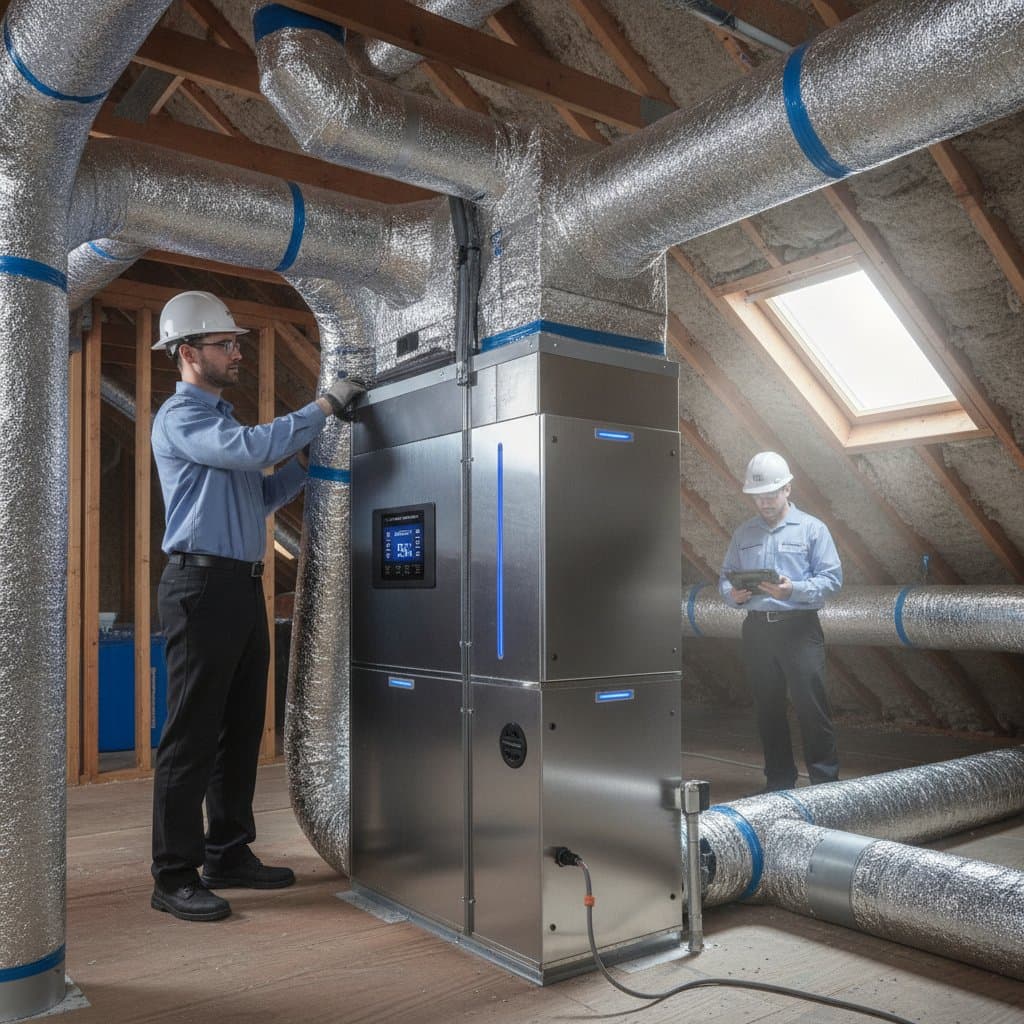
- Site Evaluation: A technician inspects your current water heater, electrical setup, and available space to confirm compatibility.
- Equipment Selection: You choose a qualified ENERGY STAR heat pump water heater that meets rebate requirements.
- Preparation: The contractor disconnects and removes the old water heater.
- Installation: The new unit is positioned, connected to the plumbing, and wired for power.
- Testing and Calibration: The system is filled, powered on, and tested to verify proper temperature and operation.
- Cleanup and Disposal: The installer removes old parts and ensures the area is clean and safe.
- Rebate Documentation: The contractor or homeowner submits proof of purchase, installation details, and efficiency documentation to claim the rebate.
Most installations take half a day to complete. This depends on site conditions.
Heat Pump Water Heater Labor Costs
Labor typically accounts for $800 to $2,000 of the installation cost. This includes electrical work, plumbing connections, equipment setup, and testing. If your home requires upgraded wiring or a new electrical circuit, costs can rise slightly. Always request multiple quotes from certified installers to confirm fair pricing before committing.
Frequently Asked Questions About Heat Pump Water Heater Rebates
How do I qualify for the $1,800 rebate?
You must purchase and install an ENERGY STAR certified heat pump water heater that meets program efficiency standards. The installation must occur in your primary residence. You will need to provide an itemized invoice and proof of purchase when applying for the rebate.
Can I combine this rebate with other incentives?
Yes. You may be able to combine the rebate with local utility programs or manufacturer discounts. Check with your energy provider and installer to ensure you do not miss additional savings.
How long does it take to receive the rebate?
Most rebate programs issue payment within a few weeks after approval. This depends on processing volume. Be sure to submit accurate documentation to avoid delays.
Will a heat pump water heater work in a cold climate?
Modern models are engineered to perform efficiently across a wide range of temperatures. If you live in a colder region, your installer may recommend a hybrid model or a split system that places the heat pump in a more controlled space.
How much energy can I save with a heat pump water heater?
These units can reduce water heating costs by up to 70 percent each year compared with conventional electric models. Actual savings depend on local electricity rates, household size, and usage patterns.
Do I need to maintain my heat pump water heater?
Annual maintenance includes checking the air filter, cleaning the condensate drain, and inspecting connections. Professional service once a year keeps the unit running at peak efficiency and protects your warranty coverage.
Can homeowners install these units themselves?
Most rebate programs require installation by a licensed professional. Self-installation can void warranties and may fail to meet local building codes or safety standards.
Next Steps to Secure Your Rebate
Installing a heat pump water heater is one of the smartest ways to cut energy costs and take advantage of available rebates. The potential $1,800 rebate can turn a major upgrade into an affordable improvement that pays for itself through lower utility bills. Schedule an in-home evaluation with a qualified HVAC contractor to confirm your eligibility, choose the right unit, and start your rebate application.