Humidity Sensing Vents Reduce Cooling Expenses Through Precise Moisture Management
How These Vents Lower Energy Consumption
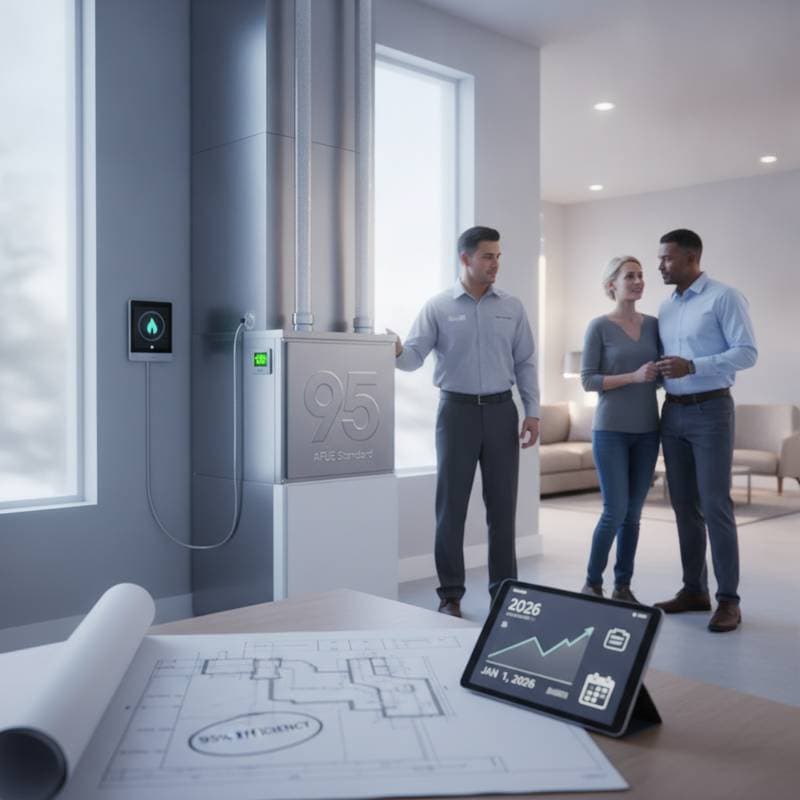
Homeowners seek methods to enhance indoor comfort while decreasing utility expenses. Humidity sensing vents, referred to as smart vents, adjust airflow automatically according to detected moisture and temperature. Research indicates potential reductions in cooling expenses reaching 35 percent in humid areas. The devices achieve this by distributing air evenly and allowing the HVAC unit to run less.
This piece details the operational principles, associated expenses, realized savings, and selection criteria. It addresses common questions and guidance on professional installation.
Operational Mechanism of Humidity Sensing Vents
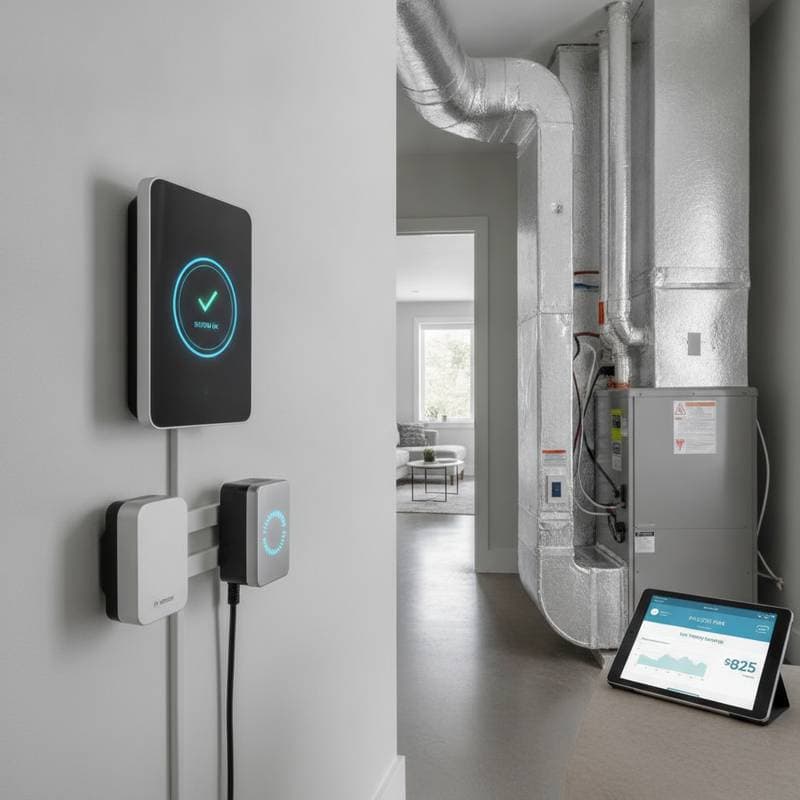
These vents incorporate sensors that monitor humidity and temperature continuously. Excess moisture or warmth triggers the vent to open wider for increased airflow. Once conditions stabilize, the vent restricts flow to avoid unnecessary cooling.
Essential elements comprise:
- Sensors for relative humidity detection
- Temperature monitoring components
- Motorized dampers responsive to readings
- Wireless connectivity options for thermostat linkage
- Applications for scheduling and oversight
Automation of this type decreases the central system workload and promotes even conditions throughout the residence.
Elements That Shape Installation Expenses
Several variables affect total project costs for humidity sensing vent systems. Awareness of these variables supports accurate budgeting.
Quantity of Vents Required
Individual vents range from 100 dollars to 200 dollars each. Most residences need six to twelve units for balanced coverage. Larger properties or multi zone setups require additional units.
Compatibility With Existing HVAC Equipment
Older systems sometimes need wiring updates or adapter modules. Such modifications add between 300 dollars and 600 dollars to overall expenses.
Professional Labor and Site Conditions
Technician time typically costs 75 dollars to 125 dollars per vent. Complex duct access increases both time and charges.
Level of Automation Selected
Systems with wireless features and mobile applications carry higher initial prices yet deliver stronger long term savings.
Available Rebates and Incentives
Utility providers occasionally supply rebates that lower net costs by 10 to 20 percent.
Additional Advantages of Humidity Control
Lower utility bills represent one outcome. These vents also deliver several practical improvements.
Consistent Room Conditions
Temperature and moisture levels remain steady, which eliminates noticeable hot or cold zones.
Better Indoor Air Quality
Effective moisture management limits mold formation and related odors in damp areas.
Extended Equipment Life
Reduced operating cycles decrease stress on compressors and fans.
Reduced Noise
Gradual damper movement prevents sudden bursts of air common with manual registers.
Integration With Other Devices
The vents connect with existing thermostats and air quality equipment for unified control.
Common Questions About Humidity Sensing Vents
Service Life Expectancy
Most units operate for 10 to 15 years with routine care. Battery models require replacement cells every one to two years. Hardwired versions generally last longer.
Installation Process
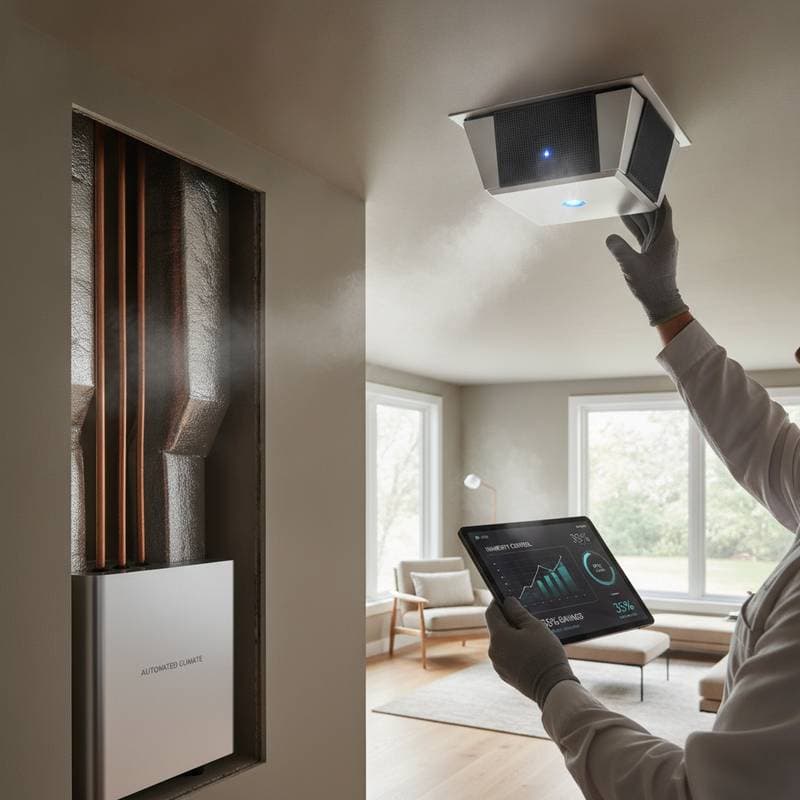
Licensed technicians complete the work in one to three hours for typical homes. Vents replace existing registers and pair through a mobile application.
Suitability for DIY Projects
Homeowners with technical experience can attempt installation. Professional calibration ensures correct sensor function and maximum savings.
System Compatibility
The vents function with forced air furnaces, air conditioners, and heat pumps. Ductless mini split systems do not support centralized vent control.
Maintenance Schedule
Vacuum vents every few months. Inspect sensors once per year for accuracy.
Performance in Heating Mode
The same sensors improve comfort during winter by preventing overly dry conditions and balancing airflow.
Steps for Obtaining Installation Quotes
Contact at least three licensed HVAC contractors experienced with smart systems. Prepare specific questions to compare proposals.
- What experience do you have with humidity sensing vent installations?
- How will you confirm compatibility with my current equipment?
- Which model suits a home of this size?
- What is the expected timeline for completion?
- Does the quote include labor and material warranties?
- Will you perform calibration and application setup?
- Are local rebates available for this upgrade?
- What ongoing maintenance plan do you recommend?
- How do you handle connectivity support after installation?
- Can you supply references from comparable projects?
Protecting the System After Installation
Regular sensor cleaning and battery checks preserve performance. Review humidity trends in the application to spot insulation or duct issues early. Proper care sustains both comfort gains and energy reductions over time.