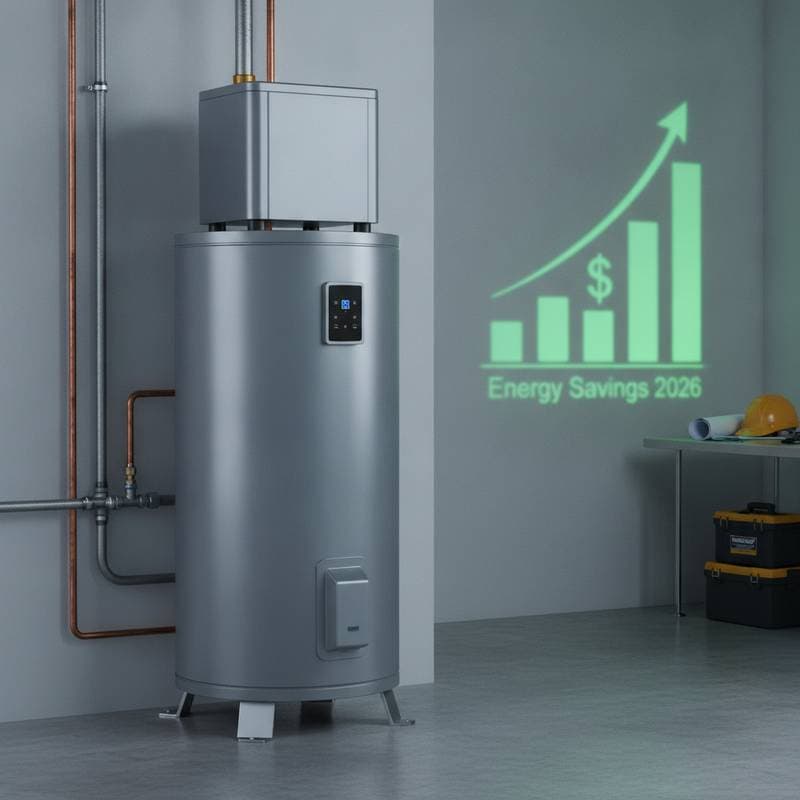
Heat Pump Water Heaters Deliver Major Annual Savings
If rising water heating expenses concern you, a heat pump water heater offers a practical solution. These units operate up to three times more efficiently than conventional electric or gas models. Many households reduce utility costs by as much as $600 each year.
How These Systems Function
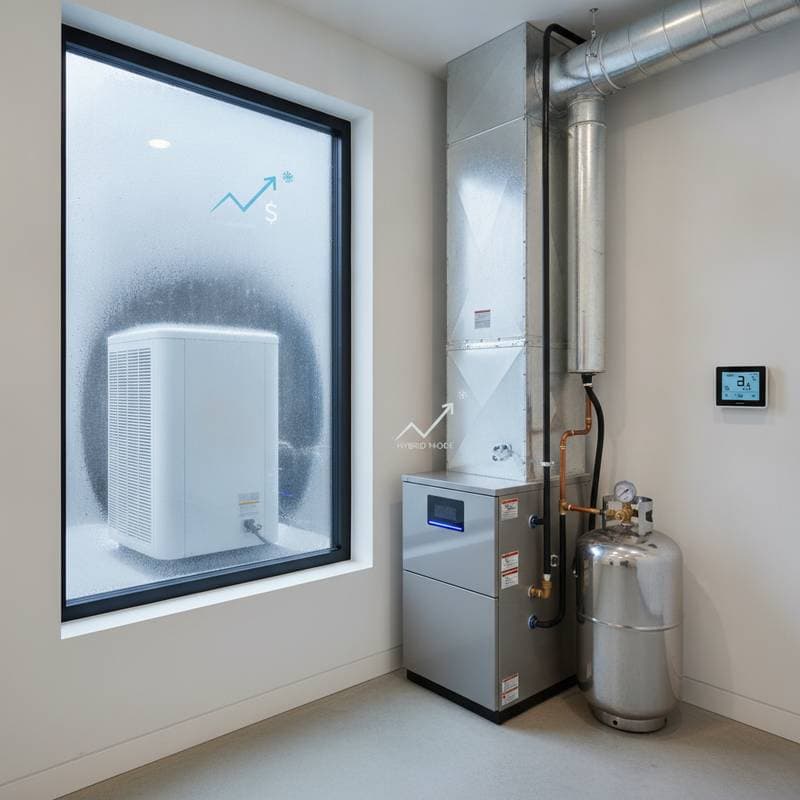
A heat pump water heater moves warmth from surrounding air into the storage tank rather than creating heat through resistance elements. The approach mirrors a refrigerator operating in reverse. It extracts heat from the air and directs that energy into the water.
This design requires far less electricity because the unit relocates existing warmth instead of generating new heat from scratch. Homeowners notice the difference most clearly during periods of regular use.
Efficiency Advantages Explained
Several design elements enable the threefold performance gain over traditional heaters.
- Heat transfer uses electricity solely to move warmth.
- Hybrid modes allow automatic switching to resistance heating during high demand.
- Sensors and controls optimize operation based on conditions.
- The unit releases cooler, drier air that can improve comfort in warmer spaces.
These features combine to lower energy consumption while maintaining reliable hot water supply.
Indicators for Replacement
Consider an upgrade when the current water heater exhibits specific problems. Frequent shortages of hot water, recovery times exceeding normal limits, or a tank older than ten years signal declining performance. Rising energy bills, audible sediment noise, or visible corrosion also point toward replacement.
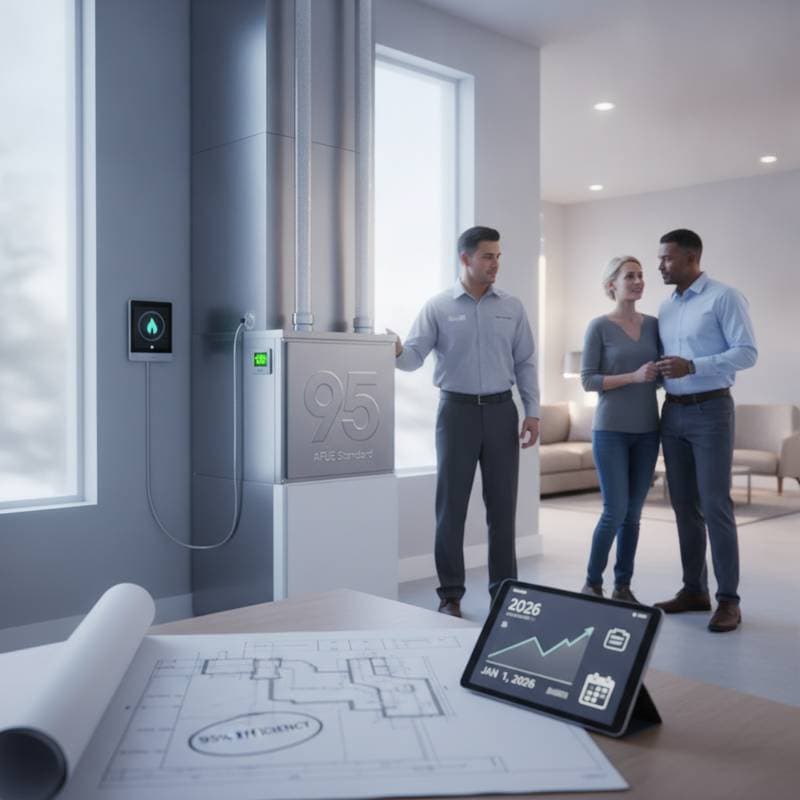
A qualified technician can assess the existing setup and determine whether a heat pump model matches household needs and available space.
Cost Influences to Review
Several variables affect the total investment required.
- Tank capacity determines both upfront price and suitability for larger households.
- Higher efficiency ratings increase initial cost yet improve long-term savings.
- Electrical upgrades or added ventilation raise labor expenses.
- Extended warranties and advanced controls appear more often with premium brands.
- Local rebates from utilities can offset a portion of the purchase price.
Energy reductions typically recover the added cost within several years of operation.
Homeowner Maintenance and Professional Service
Owners can perform basic upkeep such as filter cleaning and occasional tank draining when the manufacturer specifies the procedure. All electrical work, refrigerant handling, and diagnostic tasks require licensed technicians to preserve warranty coverage and safety standards.
Schedule service promptly if hot water output drops, unusual sounds occur, or control panel messages appear.
Installation Sequence
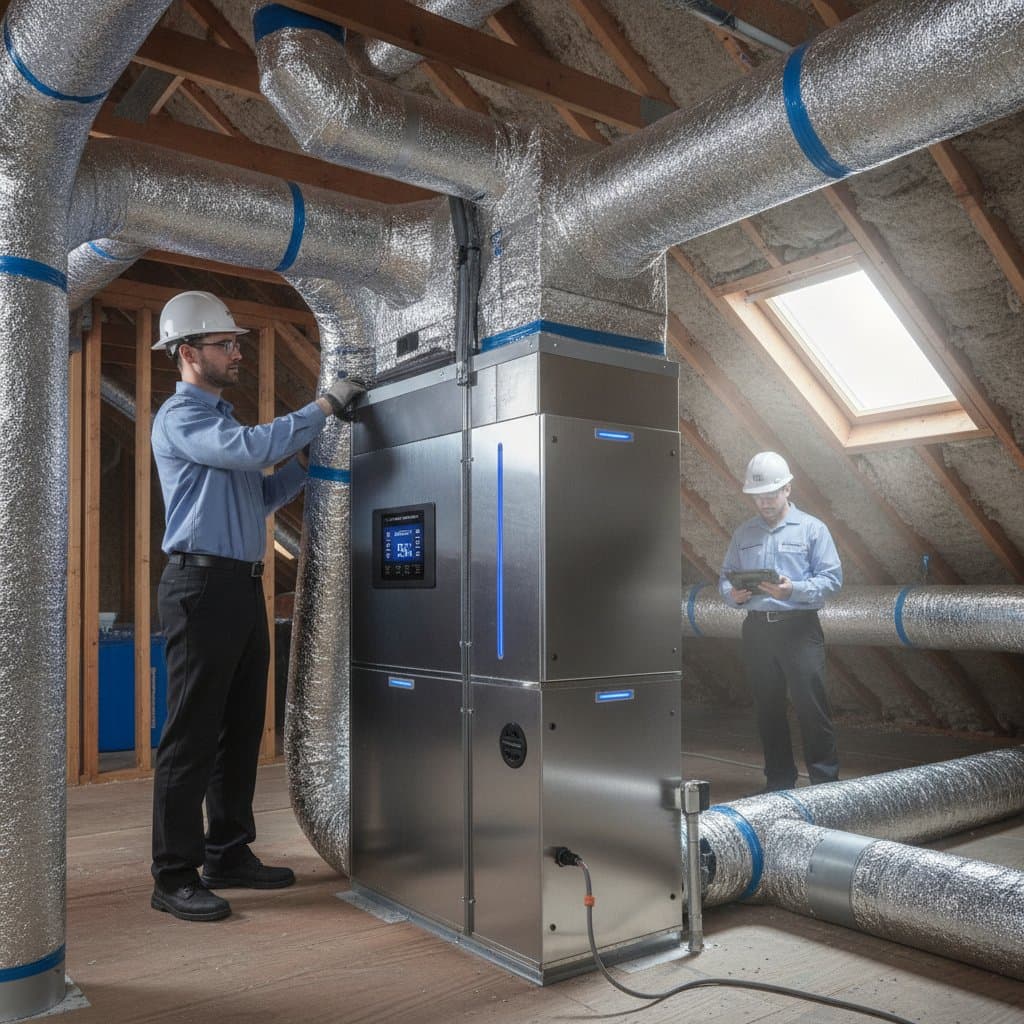
Professional installation follows a clear sequence that protects efficiency and code compliance.
- The technician evaluates the current heater, electrical capacity, and ventilation.
- Equipment selection matches household usage patterns.
- Removal of the old unit precedes placement of the new system.
- Connections, calibration, and airflow verification complete the process.
Proper execution ensures immediate performance and longevity.
Space and Climate Considerations
Units require standard floor space plus adequate clearance for airflow. Installation succeeds in basements, utility rooms, or garages where temperatures remain above freezing. Models continue to function in colder regions when placed in conditioned or protected areas.
Regular filter cleaning and annual inspections support a service life of ten to fifteen years.
Planning Your Upgrade
Review household hot water patterns and available incentives before selecting a model. Professional guidance confirms the right capacity and placement for sustained savings and comfort.