Control Humidity to Prevent Mold and Reduce Cooling Costs by 18 Percent
High indoor humidity creates discomfort while raising energy expenses and promoting mold. Proper humidity management prevents these issues and can reduce cooling costs by as much as 18 percent. This guide covers the mechanisms of humidity control along with practical system options and maintenance practices.
| Benefit | Average Savings or Impact |
|---|---|
| Energy Savings | Up to 18 percent reduction in cooling costs |
| Ideal Indoor Humidity | 40 percent to 50 percent relative humidity |
| Mold Growth Threshold | Above 60 percent humidity |
| Typical Dehumidifier Installation Cost | 1200 to 2800 dollars |
| Health Benefits | Reduced allergens and improved comfort |
How Humidity Influences Comfort and System Performance
Elevated moisture levels make indoor air feel warmer than the thermostat indicates. Air conditioners must then operate longer to extract both heat and water vapor, which raises electricity consumption and accelerates equipment wear.
Mold develops rapidly once relative humidity exceeds 60 percent. Growth often occurs in concealed spaces such as wall cavities, duct interiors, and window frames. Consistent moisture control therefore protects building materials and supports respiratory health.
Whole Home Dehumidification System Costs
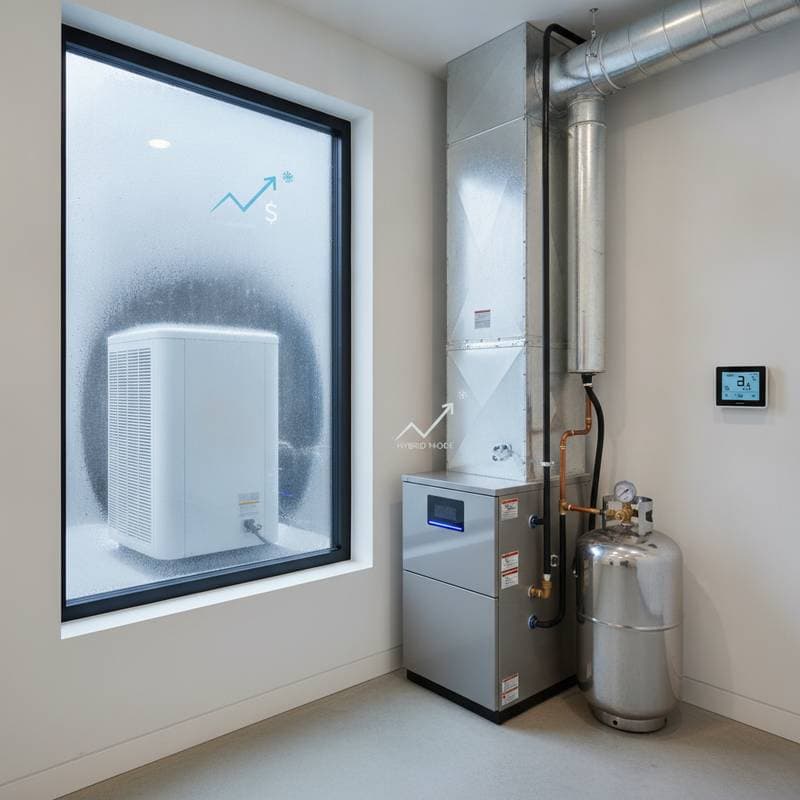
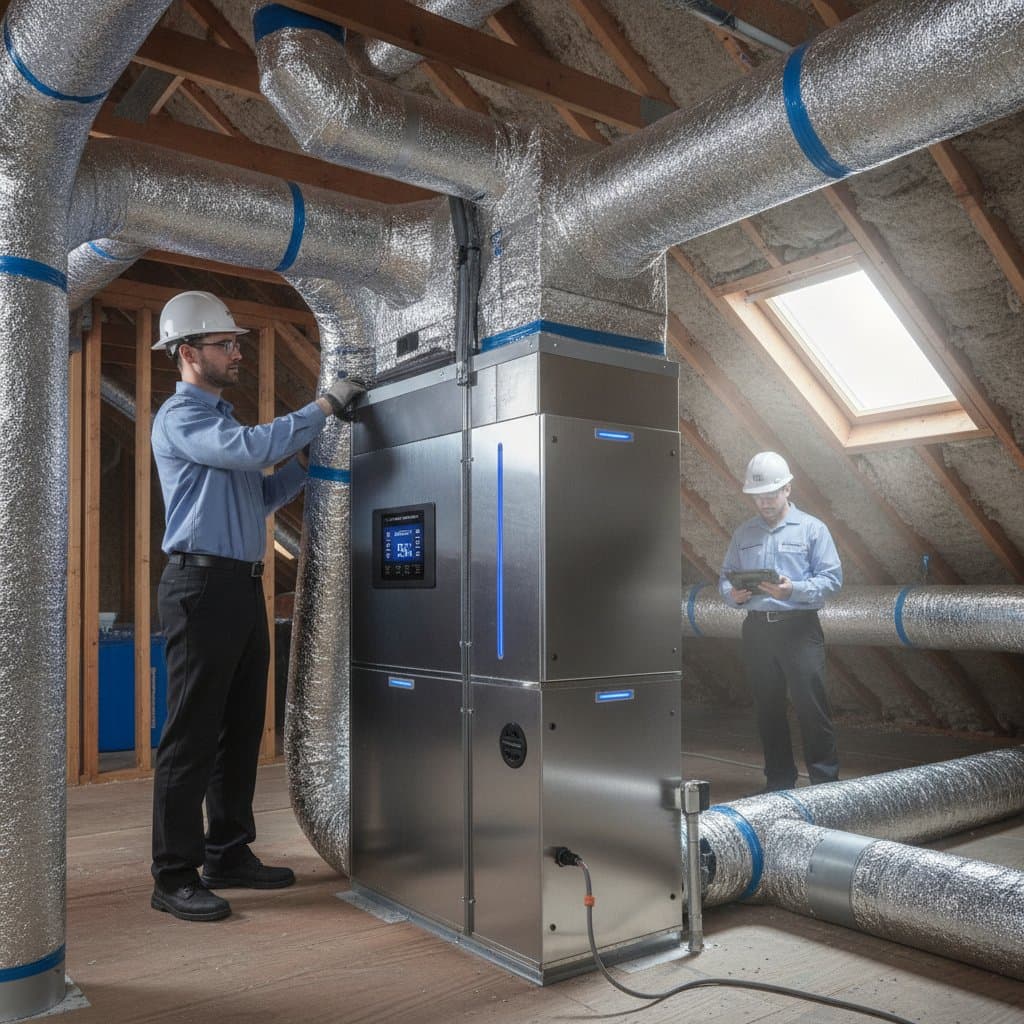
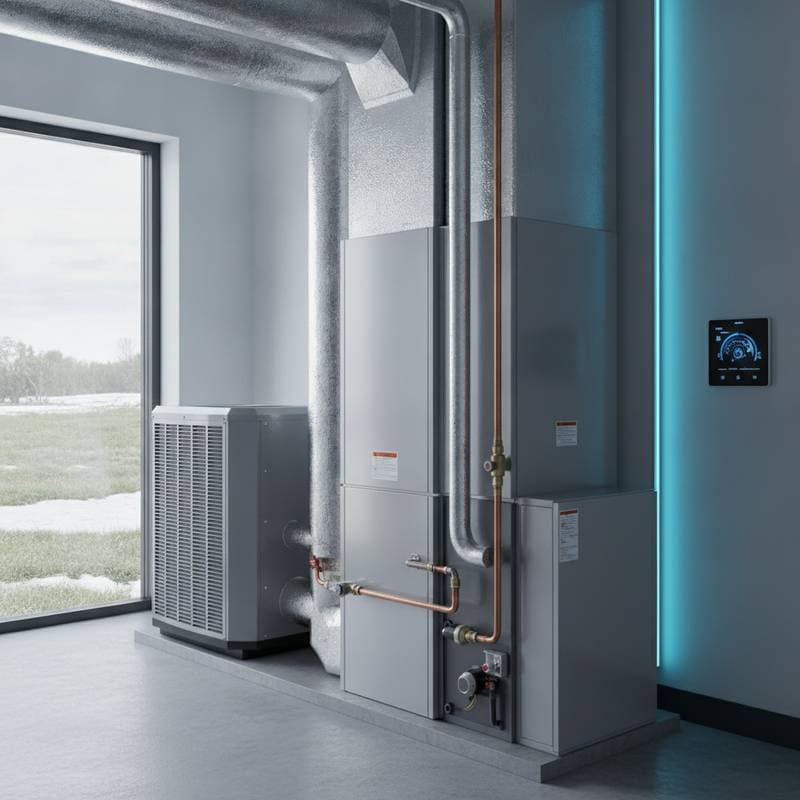
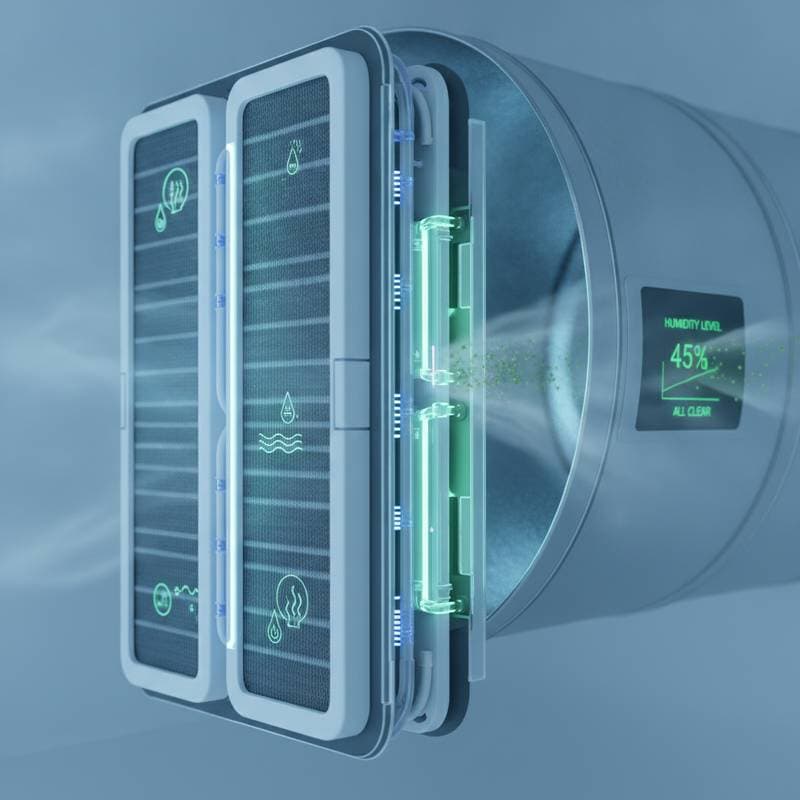
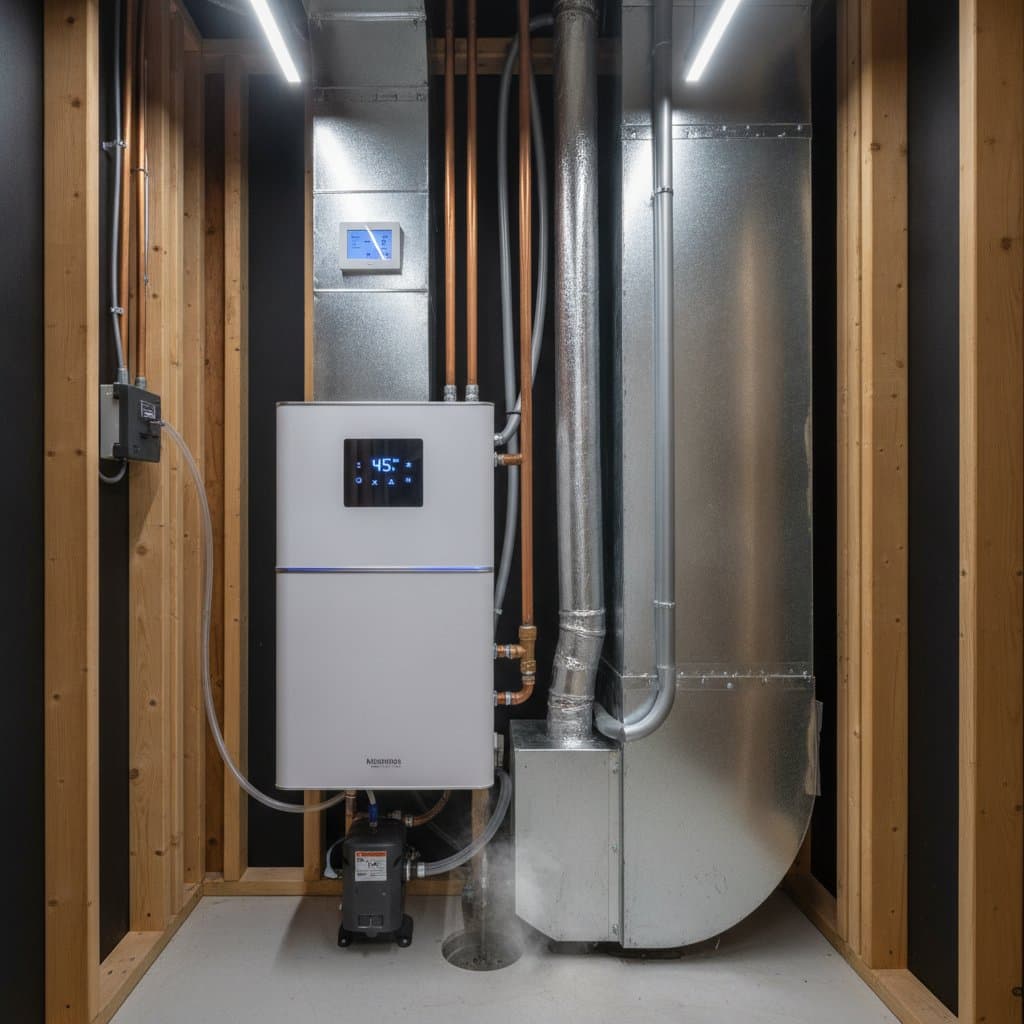
Whole home units integrate with existing ductwork and deliver uniform moisture removal. Professional installation ranges from 1200 to 2800 dollars depending on home size and required modifications. Portable units cost between 200 and 500 dollars yet serve only isolated spaces and require manual emptying.
Factors That Determine Final Project Cost
Home Size and Airflow Patterns
Larger floor plans or compartmentalized layouts demand higher capacity equipment or additional zoning. Open designs facilitate even distribution while finished basements or attics may require extra duct extensions.
Compatibility With Existing HVAC Equipment
Newer air handlers accept dehumidifier integration with minimal changes. Older systems frequently need airflow adjustments or condensate drain upgrades before reliable performance is achieved.
Efficiency Features and Controls
Variable speed blowers and energy recovery components lower ongoing power use. Smart thermostats that track both temperature and humidity further optimize runtime without manual intervention.
Site Specific Installation Challenges
Routing drainage lines and electrical connections adds labor when access is restricted. Finished interiors often require creative routing that extends project duration.
Available Humidity Control Options
Whole Home Dehumidifiers
These appliances tie directly into central ductwork for automatic, house wide operation.
- Consistent moisture removal across all rooms
- Quiet performance during normal cycles
- Automatic coordination with the main HVAC system
Higher initial investment and professional installation represent the primary drawbacks.
Portable Units
Plug in models address single rooms or damp areas such as basements.
- Lower purchase price
- Simple relocation between spaces
Limited moisture capacity and the need for regular reservoir emptying restrict their usefulness for whole house applications.
Integrated Smart Thermostats
Advanced controls measure humidity and adjust equipment operation accordingly.
- Automated energy reductions
- Improved balance between temperature and moisture
Compatibility requirements and network connectivity may be necessary for full functionality.
Indicators That Humidity Management Is Needed
Watch for these common signals that moisture levels require attention:
- Visible condensation on windows during mild weather
- Persistent musty smells or small mold colonies
- Air that feels heavy despite active cooling
- Cupped hardwood flooring or swollen trim
- Increased allergy or sinus symptoms indoors
- Short cooling cycles followed by rapid temperature rise
Typical Installation Sequence
- A technician measures current humidity, reviews duct layout, and identifies moisture sources.
- Equipment capacity is matched to square footage and measured moisture load.
- The unit is mounted and connected to supply or return ductwork.
- A gravity drain or condensate pump is installed to remove collected water.
- The system is balanced and set points are verified under actual operating conditions.
- Homeowners receive guidance on filter cleaning intervals and annual service recommendations.
Service and Upkeep Requirements
Filter cleaning or replacement occurs every three to six months. Drain lines receive visual inspection twice each year to prevent blockages. These steps maintain rated efficiency and extend equipment life.
Frequently Asked Questions
How does balanced humidity reduce cooling expenses?
Lower moisture allows occupants to feel comfortable at a higher thermostat setting. The air conditioner therefore runs fewer minutes per hour, which directly decreases electricity consumption.
Which humidity range stops mold development?
Maintaining 40 to 50 percent relative humidity keeps surfaces dry enough to inhibit spore germination. Levels above 60 percent supply the moisture mold requires to colonize.
Can a standard air conditioner maintain proper humidity alone?
Most cooling systems remove only part of the moisture load. Dedicated dehumidification provides tighter control and prevents the short cycling that leaves residual dampness.
How often should dehumidifier maintenance occur?
Filters need attention several times per year. Drain lines benefit from inspection each spring and fall. Professional tune ups once annually confirm refrigerant charge and sensor accuracy.
Does humidity control reduce allergy symptoms?
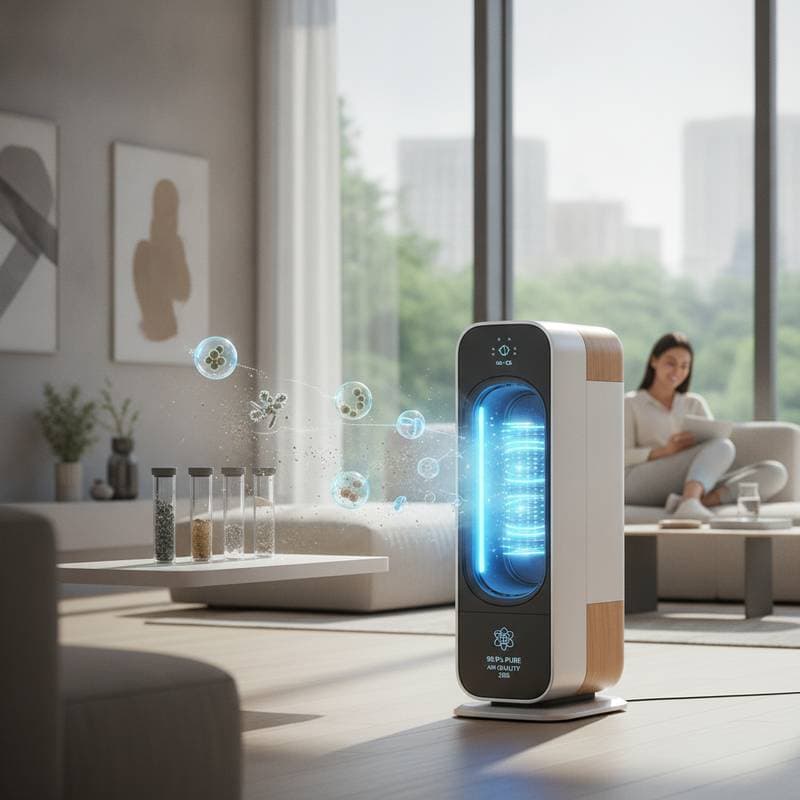
Lower moisture levels limit dust mite populations and mold spore counts. Indoor air quality improves and many occupants report fewer respiratory irritations.
Selecting and Implementing a Solution
Begin with a professional assessment of current humidity levels and HVAC condition. Compare whole home and portable options against measured needs and budget. Schedule installation during milder weather to minimize disruption, then follow the provided maintenance schedule to sustain performance and savings over time.