UV-C Purifiers: The New Must-Have for Allergy Homes
If your home struggles with dust, pollen, or pet dander, you already know how frustrating allergy season can be. Sneezing, itchy eyes, and constant discomfort can make your home feel less like a sanctuary and more like a challenge. UV-C purifiers address these issues directly.
These advanced systems are becoming the new must-have for allergy-prone households. Here is what you need to know about how they work, why they are effective, and when to call a professional for help.
What is UV-C Purification?
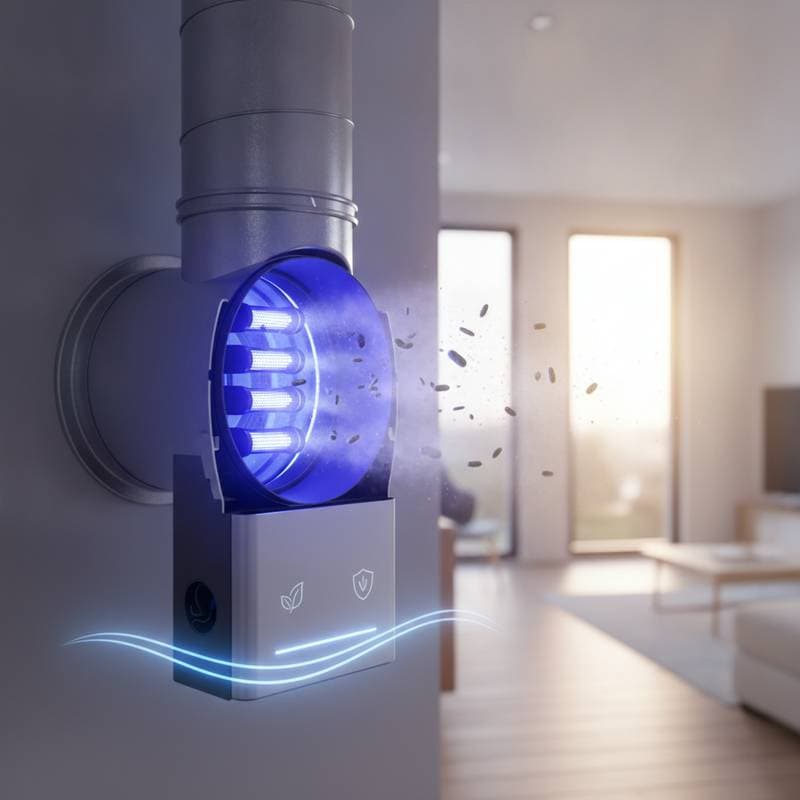
UV-C purification uses ultraviolet light at a specific wavelength to destroy the DNA or RNA inside microorganisms such as bacteria, viruses, and mold spores. This process, known as germicidal irradiation, prevents these particles from reproducing and spreading through your indoor air.
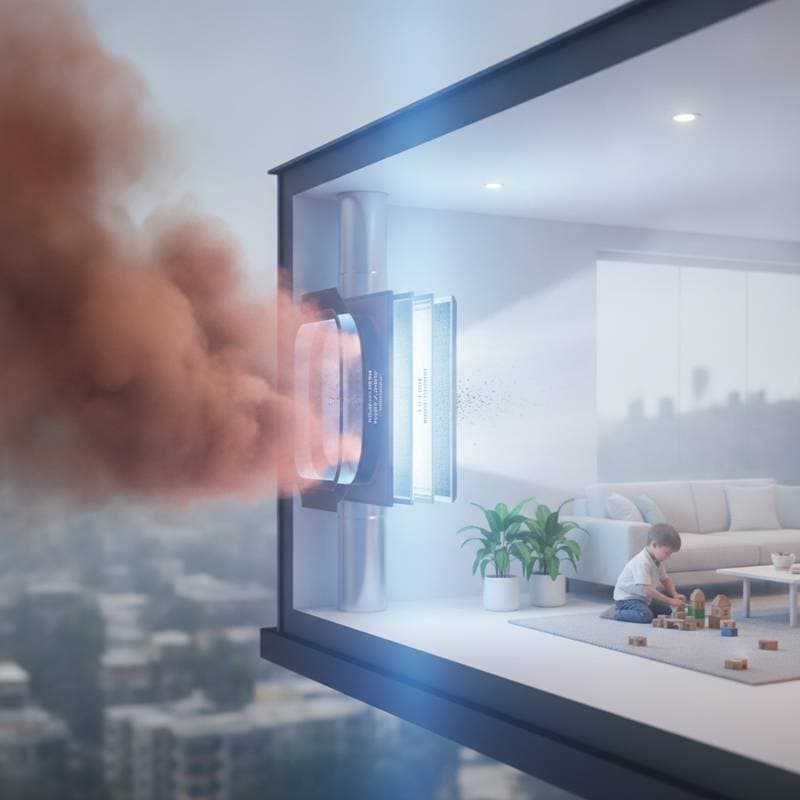
When installed inside your HVAC system, a UV-C purifier continuously treats the air as it passes through. That means cleaner air moves through your vents, reducing the number of allergens circulating in your home. A professional technician can integrate these systems directly into your existing ductwork, ensuring consistent coverage throughout your living space.
Common Signs You Need a UV-C Purifier
If you or your family experience persistent allergy symptoms indoors, a UV-C purifier can offer noticeable relief. Here are some clear indicators that your air may need extra help:
- Frequent sneezing or coughing even with windows closed
- Lingering stale or musty odors from ducts or vents
- Visible mold growth around HVAC components
- Increased dust accumulation despite regular cleaning
- Family members with asthma or respiratory sensitivities feeling worse indoors
These signs often mean your air contains microscopic irritants that traditional filters alone cannot capture. A UV-C system tackles those invisible threats directly.
Key Benefits of UV-C Air Purifiers
Homeowners are turning to UV-C technology for its proven ability to improve indoor air quality. Here are some of the biggest advantages:
- Allergy Relief: By neutralizing airborne allergens, UV-C purifiers help reduce common triggers that cause sneezing, congestion, and itchy eyes.
- Odor Control: UV light breaks down organic compounds that cause lingering smells from pets, cooking, or mold.
- Cleaner HVAC Coils: When installed near evaporator coils, UV-C lamps keep them free of biological growth, improving system efficiency.
- Healthier Air Circulation: The system continuously sanitizes air as it moves through your ducts, creating a cleaner environment for your entire household.
- Low Maintenance: Most UV-C lamps require only periodic bulb replacement, making them an easy long-term addition to your HVAC system.
UV-C Purifiers vs. Other Air Cleaning Methods
Traditional filtration methods rely on trapping particles, while UV-C systems neutralize them. To understand the difference, it helps to compare how each approach works.
- HEPA Filters: Capture dust and pollen efficiently but cannot kill bacteria or viruses.
- Ionizers: Release charged particles that attract contaminants, but they may produce trace ozone, which some people prefer to avoid.
- Activated Carbon Filters: Absorb odors and chemicals but need frequent replacement.
- UV-C Purifiers: Destroy microorganisms at the DNA level, offering continuous sterilization without chemicals or ozone.
DIY Maintenance vs. Professional Installation
A professional technician will inspect your HVAC system to determine the best installation location. They will safely mount UV-C lamps in areas where air passes most frequently. The technician will also verify safety features and electrical connections before testing the system to confirm proper operation.
Frequently Asked Questions
Is UV-C light safe for my family and pets?
Yes. When installed correctly inside your HVAC system, UV-C light is completely contained. It cleans the air without direct exposure to people or pets.
How often should the UV-C bulb be replaced?
Most bulbs last about a year, but exact lifespans vary by model. Your technician can provide a schedule based on your specific system.
Can a UV-C purifier remove dust and pollen?
UV-C light does not remove particles but neutralizes biological contaminants like mold and bacteria. Pairing it with a quality filter captures dust and pollen effectively.
Will a UV-C system increase my energy bills?
UV-C lamps use very little electricity. By keeping coils cleaner, they may even help your HVAC system run more efficiently.
Do I still need regular HVAC maintenance with a UV-C purifier?
Yes. Regular maintenance remains important. The UV-C system enhances air quality but does not replace filter changes, duct cleaning, or seasonal tune-ups.
Integrating UV-C Technology into Your Home
If allergies make it hard to enjoy your home, adding a UV-C purifier can make a noticeable difference. It works quietly behind the scenes to kill germs and reduce irritants, giving you cleaner, fresher air every day. For safe installation and the best results, schedule an appointment with a certified HVAC professional who can ensure your system is properly fitted and maintained.