2026 Codes Require HVAC Humidity at 40-60% RH Levels
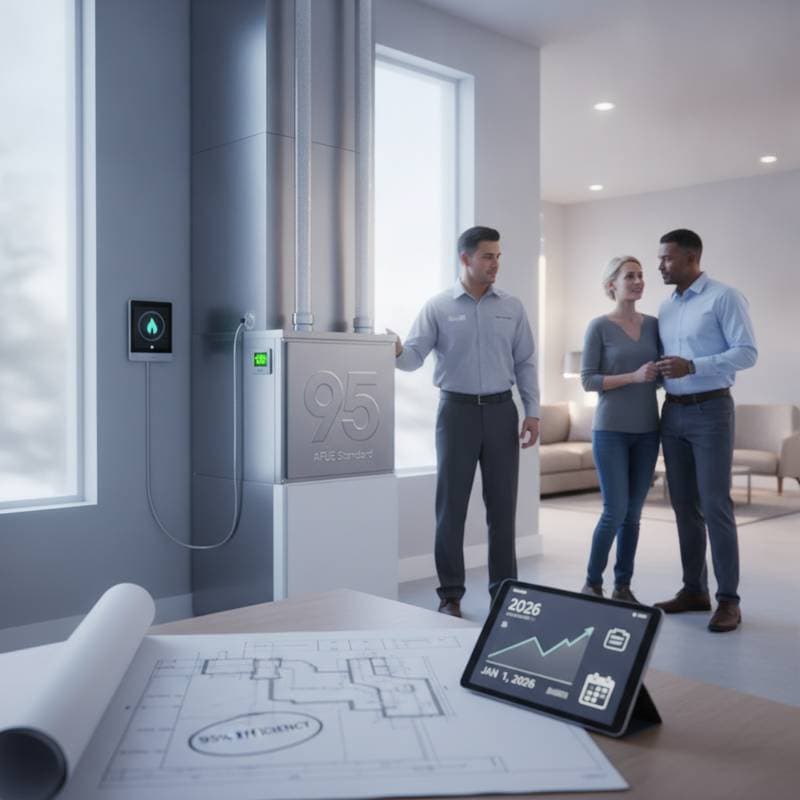
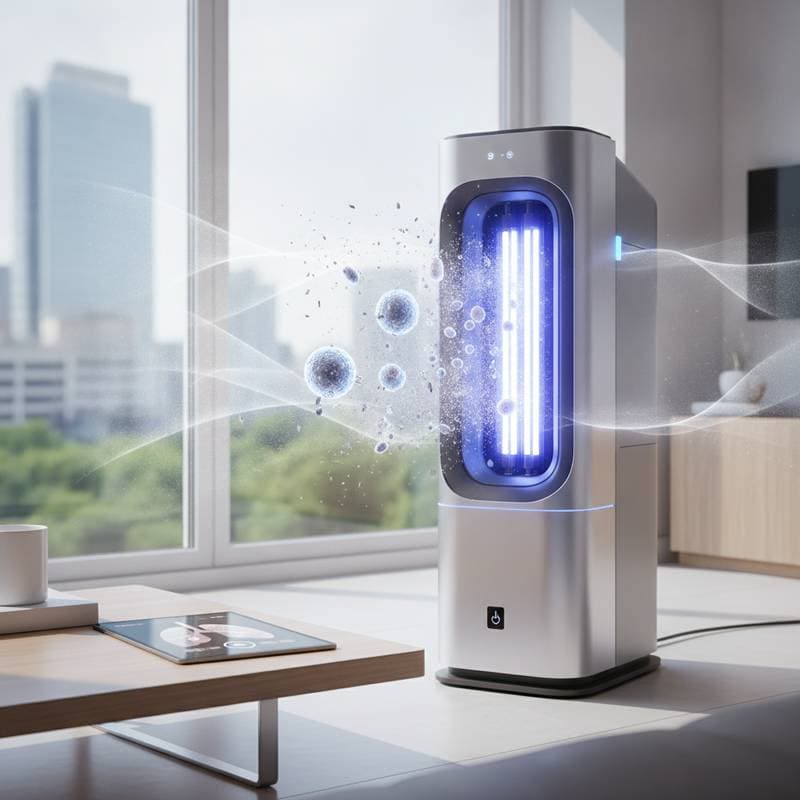
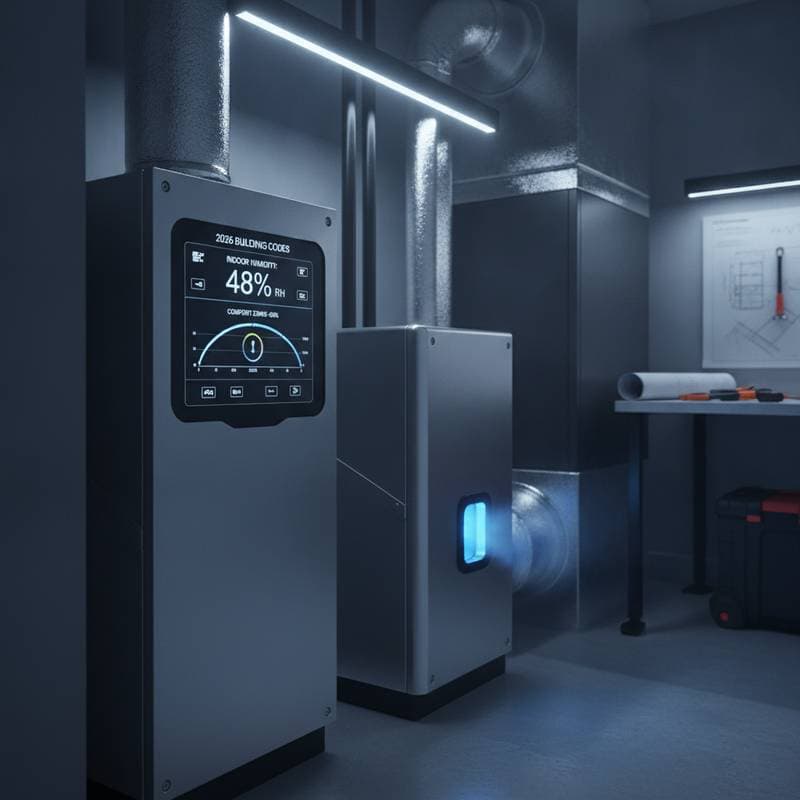
New building codes set a clear target for indoor humidity. Homes and commercial spaces must maintain relative humidity between 40 and 60 percent. Your HVAC system must therefore heat, cool, and manage moisture with precision. The update reflects growing awareness that balanced humidity supports comfort, health, and structural integrity.
| Requirement | Range or Detail |
|---|---|
| Target Indoor Humidity | 40% - 60% Relative Humidity (RH) |
| Purpose | Health, comfort, and building durability |
| Applies To | New construction and major HVAC upgrades |
| Compliance Method | Humidification and dehumidification systems integrated with HVAC |
Average Cost of Humidity Control Upgrades
Upgrading an HVAC system to manage indoor humidity within the required range usually costs between $800 and $3,000. The price depends on home size, system type, and whether both humidification and dehumidification are needed. Whole-home humidifiers generally start around $500 to $1,500. Whole-home dehumidifiers range from $1,200 to $3,000 including installation. Retrofitting an existing HVAC system with smart humidity controls typically adds $300 to $700.
Key Factors That Affect Humidity Control Costs
System Type and Capacity
Larger homes need more powerful systems to move and treat sufficient air volume. A compact unit may handle a small home, yet multi-story or high-square-footage buildings often require dual systems. Higher capacity increases cost.
Energy Efficiency
Units rated with higher energy efficiency, such as those featuring variable-speed blowers or smart sensors, cost more upfront. They reduce long-term operating expenses. An efficient system maintains proper humidity without overcooling or overheating the space.
Installation Complexity
If the HVAC system already has ductwork and modern controls, adding humidity management proves simpler and less expensive. Older homes may need electrical upgrades, drainage lines, or duct modifications. These additions raise labor costs.
Brand and Quality
Premium brands typically offer better warranties and more reliable humidity control. Budget systems meet code requirements yet can struggle to maintain consistent levels in extreme conditions.
Smart Controls and Sensors
Automated humidity management through a smart thermostat or integrated sensors improves accuracy and comfort. These systems adjust output automatically to keep humidity within range. The added convenience increases cost.
Types of HVAC Humidity Control Systems
Whole-Home Humidifiers
These units add moisture to dry indoor air during heating seasons.
- Improve comfort and respiratory health
- Prevent wood floors and furniture from drying out
They require a water supply connection and routine maintenance.
Whole-Home Dehumidifiers
These units remove excess moisture when humidity rises above safe levels.
- Prevent mold, mildew, and musty odors
- Protect walls, insulation, and finishes
They involve higher installation cost due to drainage requirements.
Integrated Smart HVAC Systems
Modern HVAC units can include built-in humidity sensors and control modules.
- Provide automated comfort management
- Lower long-term maintenance
They require higher upfront investment.
Signs You Need Better Humidity Control
Many homeowners do not realize their humidity levels are off until problems appear. Watch for these signs:
- Condensation on windows or cold surfaces
- Peeling paint or warped wood
- Musty smells indicating mold growth
- Static electricity or dry skin in winter
- Allergy or respiratory discomfort
- Uneven comfort levels between rooms
If any of these issues appear, the home likely falls outside the 40-60 percent range targeted by the new codes.
The Installation Process for Upgrading Humidity Control
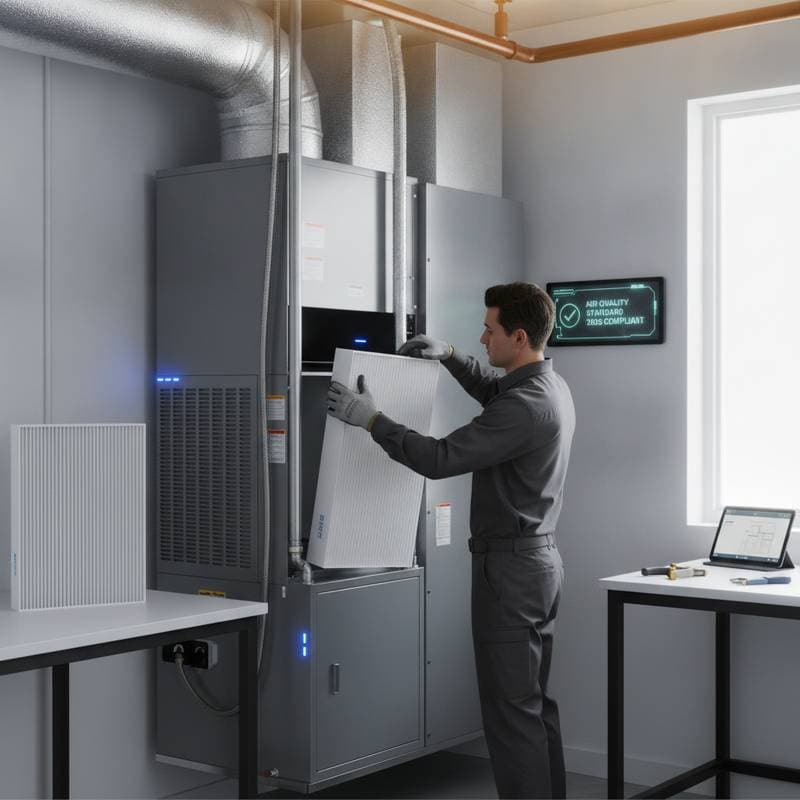
- Initial Assessment: A technician measures current indoor humidity, system capacity, and duct layout.
- System Selection: The contractor recommends a humidifier, dehumidifier, or integrated smart control based on needs.
- Installation: The chosen equipment connects to the HVAC system, including water lines or drainage as needed.
- Calibration: Sensors and thermostats are configured to maintain the target humidity range automatically.
- Testing: The technician verifies that humidity levels respond correctly to changes in indoor temperature and outdoor conditions.
- Maintenance Setup: Guidance is provided on filter changes, cleaning schedules, and annual inspection requirements.
HVAC Labor Costs for Humidity System Installation
Labor typically accounts for 40 to 60 percent of total installation cost. Expect to pay between $500 and $1,800 for professional installation, depending on system complexity. Connecting a humidifier to existing ductwork is relatively simple. Installing a whole-home dehumidifier with drainage or smart sensors may require several hours of labor.
Frequently Asked Questions About HVAC Humidity Codes
Why are new humidity standards being introduced?
Research shows that maintaining indoor humidity between 40 and 60 percent reduces airborne viruses, mold spores, and dust mite growth. The new codes promote healthier indoor environments while protecting building materials from moisture damage.
Do all existing homes need to comply immediately?
No. The new humidity standards primarily apply to new construction and major HVAC replacements. Upgrading a system voluntarily can still improve comfort and indoor air quality.
How do I know my home humidity level?
A digital hygrometer provides an accurate reading. Many smart thermostats also display indoor humidity levels. This allows tracking of performance and adjustment as needed.
Can portable humidifiers meet the code requirement?
Portable units can help individual rooms but do not satisfy whole-home humidity control standards. Integrated systems are required for consistent results across the property.
What happens if humidity levels stay outside the recommended range?
Too much humidity can cause mold, wood rot, and indoor air quality issues. Too little can lead to dry skin, static electricity, and damage to furniture or flooring. Balanced humidity prevents both extremes.
Will managing humidity increase energy bills?
Efficient systems often lower total energy use by maintaining comfort at more moderate temperatures. Proper humidity reduces the need for excessive heating or cooling.
Preparing Your HVAC System for Compliance
The new humidity requirements create an opportunity to build healthier and more comfortable homes. Maintaining indoor humidity between 40 and 60 percent protects family health, home structure, and HVAC investment. When planning a new build or system upgrade, consult a qualified HVAC professional about humidity control solutions that meet upcoming codes.