Smart HVAC Systems Stop Mold Before It Starts
Advanced HVAC Humidity Control for Mold Prevention
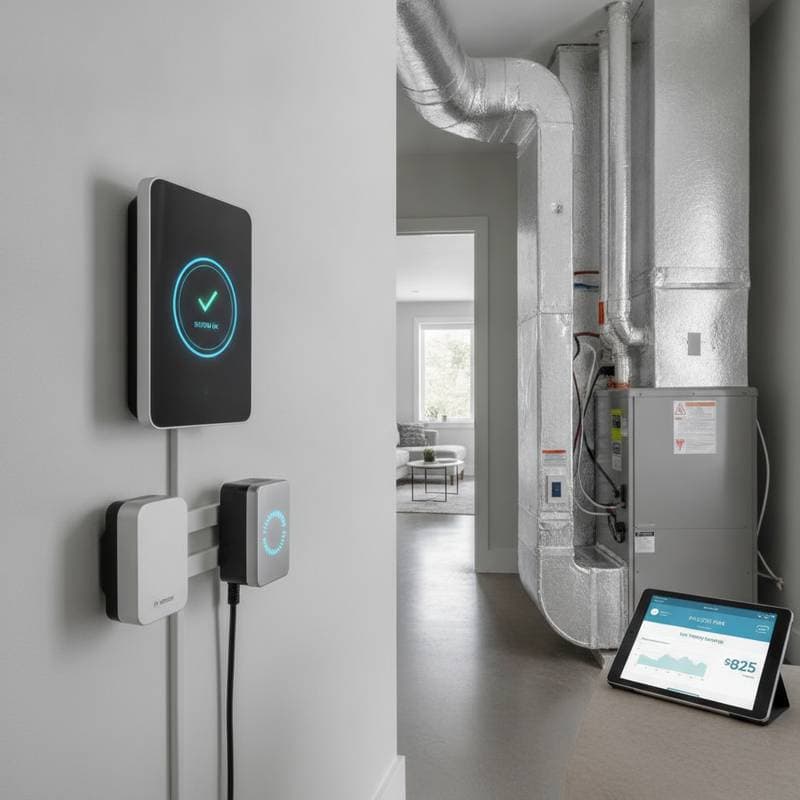
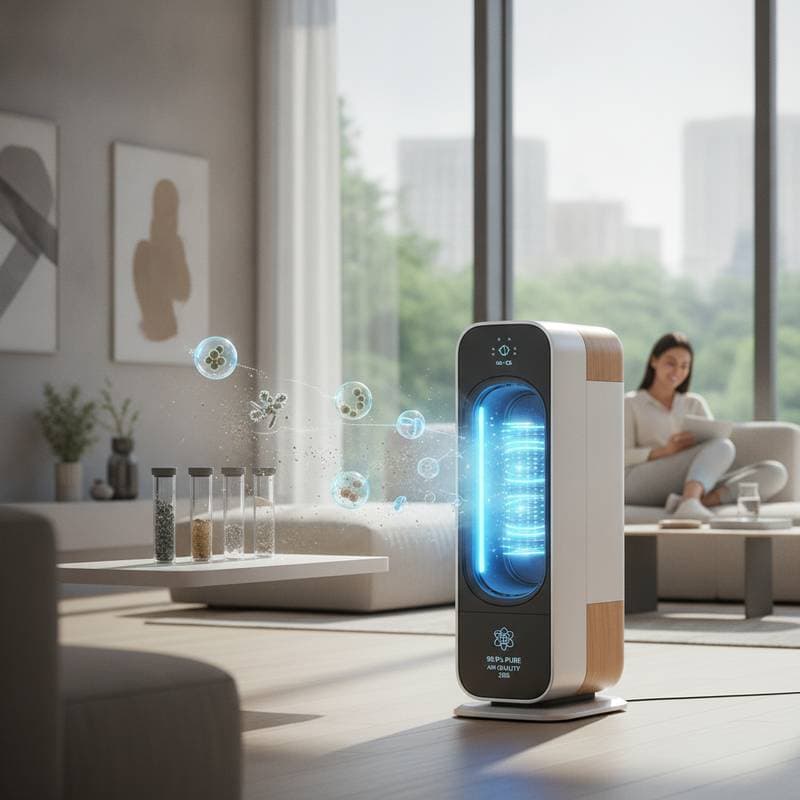
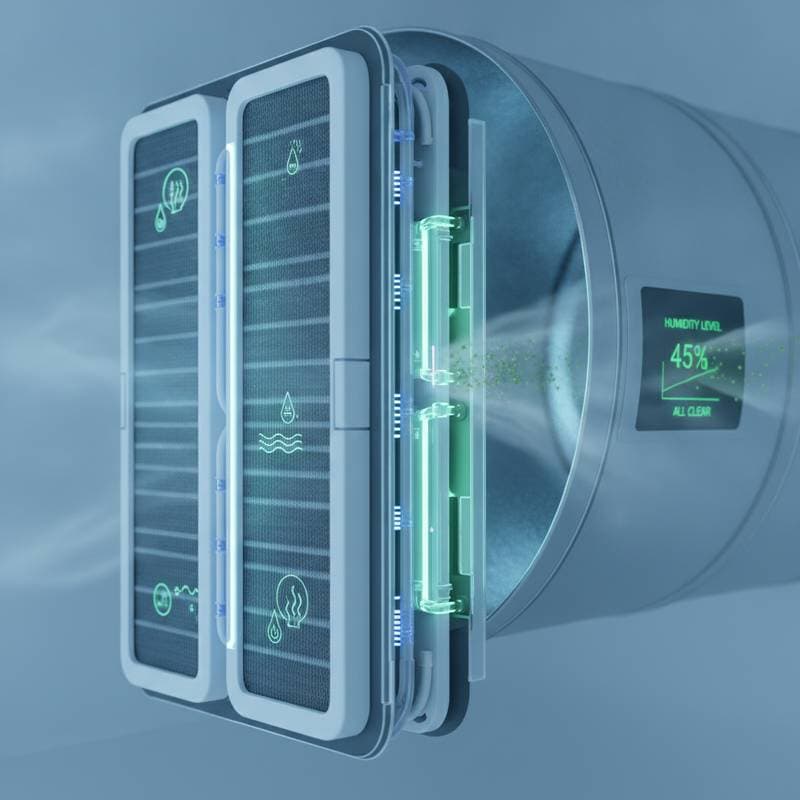
If your home feels damp or musty, high humidity may be creating conditions where mold thrives. Advanced HVAC humidity control systems prevent mold growth by maintaining ideal moisture levels automatically. New smart dehumidifiers and integrated humidity sensors protect homes more effectively than older methods.
Quick Answer Box
| Item | Key Information |
|---|---|
| Ideal Indoor Humidity Range | 30% - 50% |
| Typical Cost for Whole-Home Dehumidifier | $1,500 - $3,500 |
| Smart Thermostat with Humidity Control | $200 - $600 |
| Mold Growth Risk | Increases above 60% humidity |
| Best HVAC Upgrade for Mold Prevention | Variable-speed system with integrated humidity control |
Average Costs of Advanced Humidity Control Systems
The cost of advanced humidity control depends on equipment, home size, and integration level with the existing HVAC system. A basic portable dehumidifier may cost only a few hundred dollars. Whole-home solutions deliver more consistent results across every room.
| System Type | Average Installed Cost | Ideal For |
|---|---|---|
| Portable Dehumidifier | $150 - $500 | Small rooms or basements |
| Whole-Home HVAC Dehumidifier | $1,500 - $3,500 | Entire house humidity control |
| Smart Thermostat with Humidity Control | $200 - $600 | Automated comfort and energy efficiency |
| Variable-Speed HVAC System | $6,000 - $11,000 | Precise humidity and temperature management |
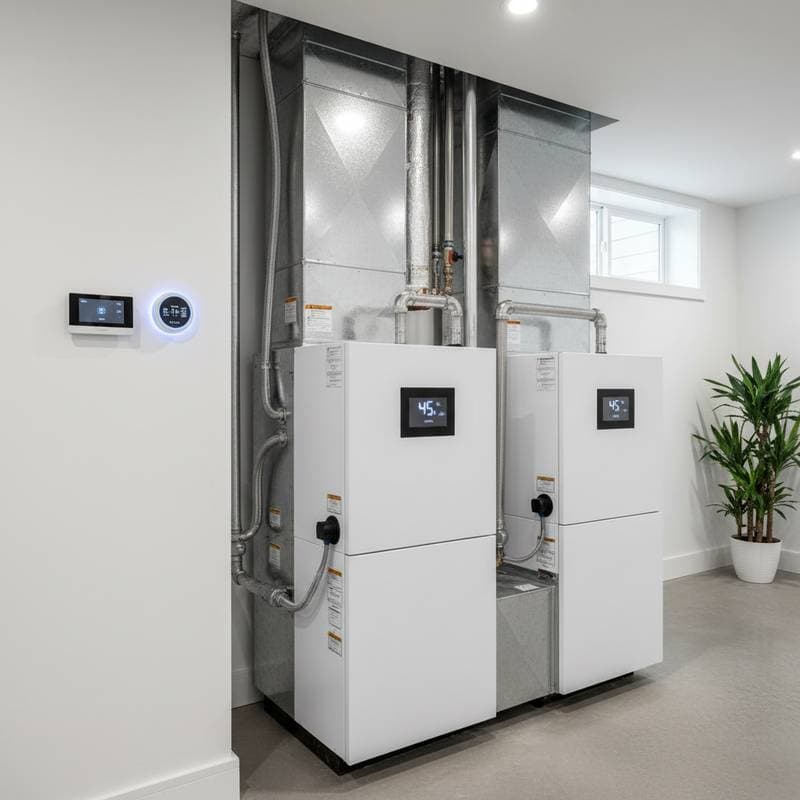
Whole-home systems carry higher upfront costs yet provide long-term value through improved comfort, reduced mold risk, and lower energy bills. These systems monitor and adjust indoor humidity continuously.
Key Factors That Affect Humidity Control Costs
Several factors influence the final cost of installing or upgrading HVAC humidity control. Home size and layout matter because larger homes require more powerful units or multiple zones. Open floor plans prove easier to manage than compartmentalized spaces.
System integration affects expense when older equipment needs control board upgrades. Energy efficiency ratings such as SEER2 show how effectively a unit removes moisture while using less electricity. Climate conditions dictate capacity needs, with humid regions requiring stronger continuous dehumidification.
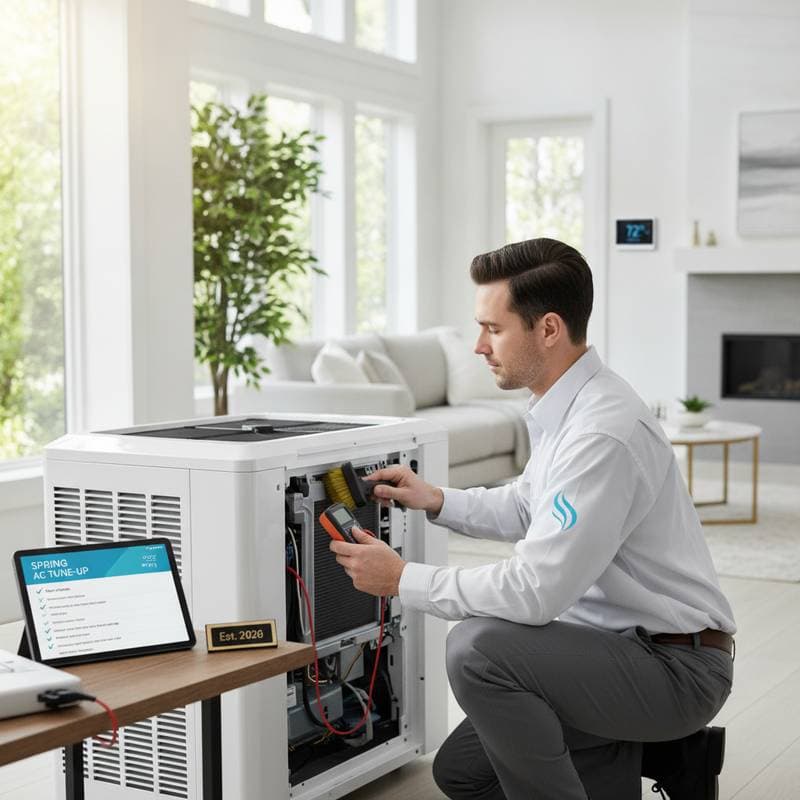
Professional labor costs rise when duct modifications or new drainage lines become necessary. Certified technicians protect warranty coverage and ensure reliable performance.
Types of HVAC Humidity Control Systems
Several humidity control solutions exist, each suited to different home needs and budgets.
1. Whole-Home Dehumidifiers
Pros:
- Maintains uniform humidity in every room
- Integrates with existing HVAC ductwork
- Reduces allergens and mold risk
Cons:
- Higher initial investment
- Requires professional installation
2. Smart Thermostats with Humidity Sensors
Pros:
- Monitors temperature and humidity in real time
- Adjusts HVAC operation automatically
- Accessible through smartphone apps
Cons:
- May need compatible HVAC equipment
- Limited dehumidification capacity on its own
3. Variable-Speed HVAC Systems
Pros:
- Adjusts airflow and cooling output precisely
- Maintains stable indoor temperature and moisture levels
- Energy-efficient and quiet operation
Cons:
- Expensive to install or replace existing systems
- Requires expert setup for optimal performance
4. Portable or Room Dehumidifiers
Pros:
- Affordable and easy to move
- Quick solution for damp rooms or basements
Cons:
- Limited coverage area
- Requires manual emptying and maintenance
Signs You Need Better Humidity Control
Several warning signs indicate that current HVAC equipment is not managing moisture properly. Persistent musty smells appear especially in basements or bathrooms. Condensation forms on windows or walls. Peeling paint, warped floors, and visible mold spots also signal problems.
Allergies or respiratory irritation that worsen indoors further suggest humidity issues. Evaluation of the HVAC system becomes necessary when any of these conditions appear.
The Advanced Humidity Control Installation Process
Qualified HVAC professionals follow a clear sequence when installing advanced humidity control.
- A technician evaluates home size, insulation, and existing equipment.
- The homeowner selects a whole-home dehumidifier, smart thermostat integration, or full system upgrade.
- The installer prepares ductwork, drainage lines, and electrical connections.
- Components are mounted and linked to sensors or thermostats.
- The system is calibrated and tested to hold humidity between 30% and 50%.
- The technician explains monitoring, adjustments, and maintenance requirements.
HVAC Labor Costs for Humidity Control Upgrades
Labor costs vary with system complexity and regional rates. Smart thermostat installation typically ranges from $100 to $250. Whole-home dehumidifier installation averages $500 to $1,000. Full HVAC replacement with humidity control runs between $2,000 and $4,000.
Certified technicians deliver correct installation and code compliance. Poor installation can lead to leaks or uneven humidity control.
Frequently Asked Questions About HVAC Humidity Control
How does humidity control prevent mold growth?
Mold spores thrive when relative humidity exceeds 60%. Maintaining indoor humidity between 30% and 50% keeps surfaces dry enough to stop mold development.
Can my current HVAC system manage humidity?
Most standard air conditioners remove some moisture during cooling cycles. Adding a whole-home dehumidifier or upgrading to a variable-speed system provides superior control.
What maintenance does a humidity control system need?
Regular filter changes, coil cleaning, and drain line inspections maintain efficiency. Annual professional checks confirm accurate sensor readings and proper drainage.
Will humidity control increase my energy bills?
Balanced humidity often reduces energy use because occupants feel comfortable at slightly higher temperatures. High-efficiency systems consume less power overall.
How can I monitor indoor humidity levels?
A hygrometer provides direct readings. Smart thermostats display real-time humidity data and send alerts when levels move outside the target range.
Is whole-home humidity control worth the investment?
Whole-home control protects home structure, preserves furnishings, and improves respiratory health, especially in humid regions or after prior mold problems.
Can humidity control help with allergies?
Balanced humidity discourages dust mites, mold, and bacteria. Cleaner air and stable moisture levels support healthier indoor environments.
Protecting Your Home Through Consistent Humidity Management
Consistent maintenance keeps an advanced humidity control system performing reliably. Clean filters, seasonal inspections, and regular humidity checks prevent sudden spikes that indicate drainage or sensor issues. Smart systems track moisture trends, adjust airflow automatically, and send mobile alerts when conditions change. Balanced humidity reduces allergens, extends the life of furnishings, and guards against costly mold damage.