Why MERV 13 Will Be Required for All HVAC Systems in 2026
What Does the New MERV 13 Requirement Mean for Homeowners?
The upcoming MERV 13 filtration requirement represents a major shift in indoor air quality standards. All new HVAC systems must use filters rated at MERV 13 or higher. These filters trap smaller airborne particles than previous minimum standards. For homeowners this change delivers cleaner indoor air along with better health protection when systems receive proper maintenance.
This article explains the new MERV 13 standard, the reasons behind its introduction, its effects on HVAC performance, and the steps homeowners can take to prepare. It also addresses cost factors, maintenance practices, and expectations for professional installation.
Why MERV 13 Is Becoming the New Standard
Improved Health and Safety
The requirement for MERV 13 filtration stems from increased awareness of indoor air quality and its impact on health. Higher efficiency filters reduce airborne contaminants linked to respiratory illness and allergy symptoms. By capturing more fine particles, MERV 13 filters lower exposure to pollutants that irritate lungs and reduce indoor comfort.
Environmental and Efficiency Goals
Cleaner indoor air supports broader environmental objectives. HVAC systems operating with MERV 13 filters maintain cleaner coils and ducts when filters are changed regularly. This leads to improved system efficiency and reduced energy waste. The standard also prompts manufacturers to design systems that balance airflow despite the higher resistance of dense filters.
Response to Modern Living Conditions
Contemporary homes are constructed with tighter seals for energy efficiency. This design limits natural ventilation and allows pollutants to remain trapped indoors. The MERV 13 requirement addresses this issue by ensuring mechanical systems remove smaller and more harmful particulates that older filters cannot capture.
MERV 13 Filter Cost and Maintenance
Average Cost for MERV 13 Filters
| Filter Type | Average Cost (Each) | Lifespan | Details |
|---|---|---|---|
| Disposable MERV 13 Filter | $20 to $45 | 2 to 3 months | Common in residential systems and easy to replace |
| Pleated MERV 13 Filter | $35 to $60 | 3 to 6 months | Enhanced design that supports better airflow and longer service life |
| Washable MERV 13 Filter | $75 to $120 | 6 months to 1 year | Reusable option with higher initial cost but long term savings |
Costs vary according to filter size, brand, and materials. Although MERV 13 filters cost more than lower rated options, the gains in air quality and system performance justify the expense for most households.
Maintenance Requirements
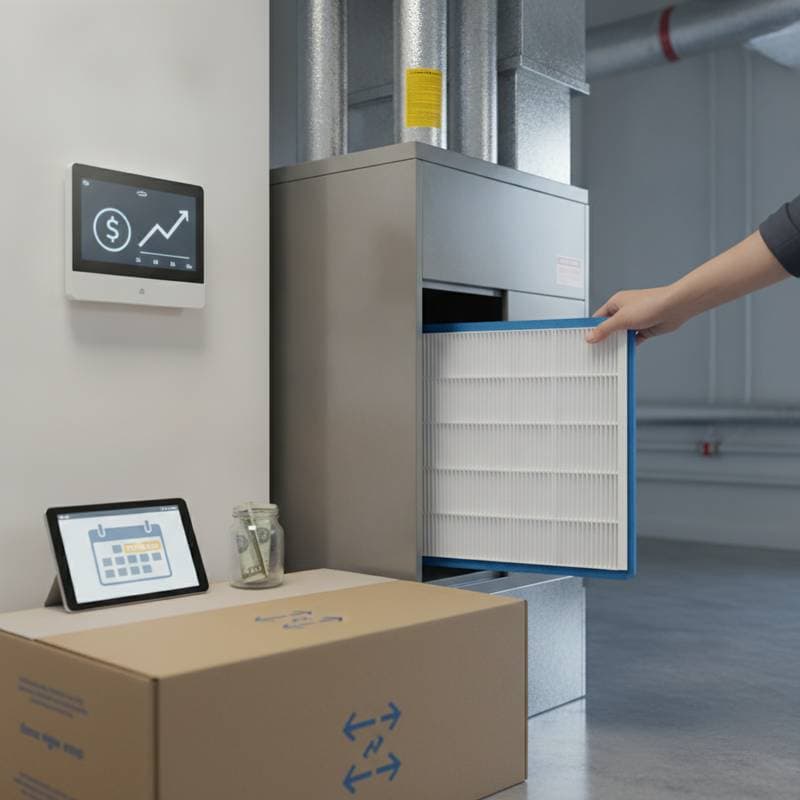
Filters require monthly inspection to maintain proper airflow. Replacement or cleaning should occur as soon as buildup appears. Neglect of filter maintenance reduces efficiency, raises energy consumption, and shortens HVAC lifespan. Homeowners should arrange periodic duct cleaning and schedule professional service at least once each year to confirm efficient operation under the higher filtration standard.
Factors Influencing System Compatibility
Airflow and Pressure Drop
MERV 13 filters feature a denser construction that can restrict airflow if the HVAC system lacks proper design. Systems installed before the new standard may require upgrades such as stronger fans or variable speed blowers to preserve optimal performance.
System Size and Efficiency
Larger or higher efficiency HVAC units accommodate MERV 13 filtration with greater ease. Homeowners planning an upgrade should verify that the system is correctly sized for the home and that ductwork remains clean and sealed to avoid excess strain.
Installation and Professional Adjustments
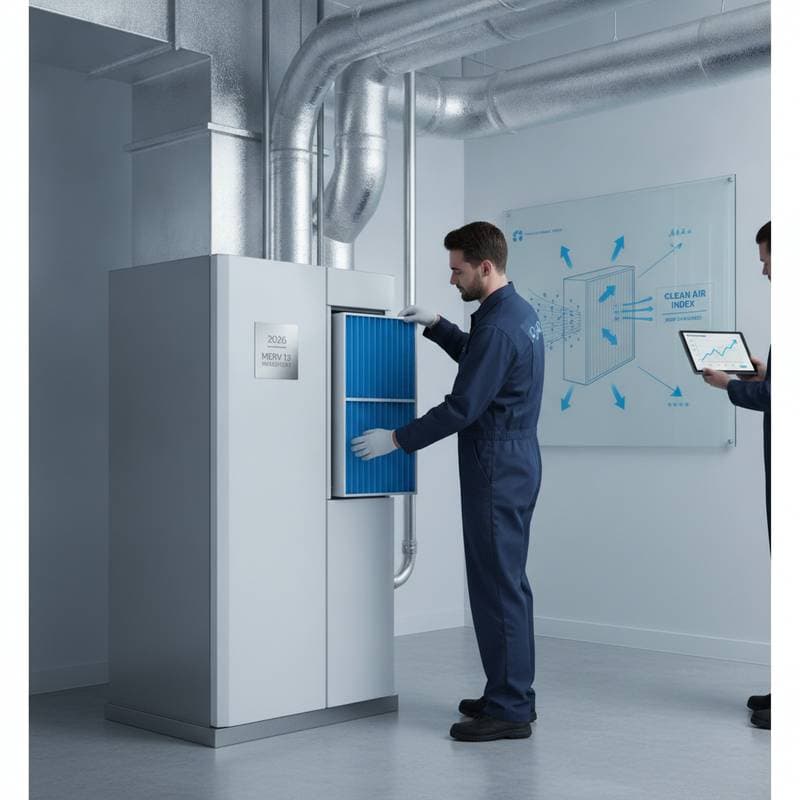
Some older systems need retrofitting to accept MERV 13 filters. Licensed HVAC technicians can inspect the equipment, measure static pressure, and perform modifications that sustain balanced airflow.
Preparing Your Home for the MERV 13 Requirement
Check Compatibility Early
Owners of older HVAC systems should request an evaluation from a licensed technician. The technician can test airflow and identify whether a stronger blower motor or similar upgrade will support MERV 13 filters.
Improve Indoor Ventilation
High efficiency filtration provides maximum benefit when paired with proper ventilation. Use kitchen and bathroom exhaust fans, keep supply and return vents unobstructed, and consider a dedicated air purifier in rooms with elevated pollutant levels.
Budget for Upgrades
Filter costs remain modest, yet some systems may require modifications. Setting aside funds for duct sealing or airflow balancing ensures compliance and supports long term efficiency.
MERV 13 FAQs
How Often Should a MERV 13 Filter Be Replaced?
Most MERV 13 filters last three to six months depending on local air quality and system usage. Households with pets, smokers, or elevated dust levels often require more frequent changes. Always follow the manufacturer recommendations for the specific filter model.
Will MERV 13 Filters Affect Energy Efficiency?
Properly installed and maintained MERV 13 filters improve energy efficiency by keeping internal components cleaner. Restricted airflow caused by neglect or incorrect installation can reduce efficiency. Routine inspections and timely replacements prevent this outcome.
Are MERV 13 Filters Safe for All HVAC Systems?
Not every older system can manage the increased density of MERV 13 filters. Consult an HVAC professional to confirm that the blower motor and ductwork can handle the change without creating pressure imbalance.
Do MERV 13 Filters Reduce Allergies?
MERV 13 filters capture a higher percentage of common allergens such as pollen, dust mites, and pet dander. Consistent use often leads to fewer allergy symptoms for sensitive individuals when combined with regular system maintenance.
Questions to Ask an HVAC Professional
- Is my current HVAC system compatible with MERV 13 filters?
- Will ductwork or airflow settings require adjustment?
- Which filter type best matches my home air quality needs?
- How frequently should the filter be replaced for best results?
- Are energy rebates available for system upgrades?
- What maintenance schedule supports reliable MERV 13 operation?
- Would a variable speed blower improve airflow with higher filtration?
- How can indoor air quality be monitored after the upgrade?
- What signs indicate that a filter is restricting airflow?
- Which brands or models offer proven reliability?
Achieving Cleaner Air and Reliable System Performance
Homeowners who plan ahead and maintain their equipment properly will meet the 2026 requirement without disruption. Regular filter changes, professional inspections, and targeted upgrades keep systems running efficiently while delivering healthier indoor environments year round.