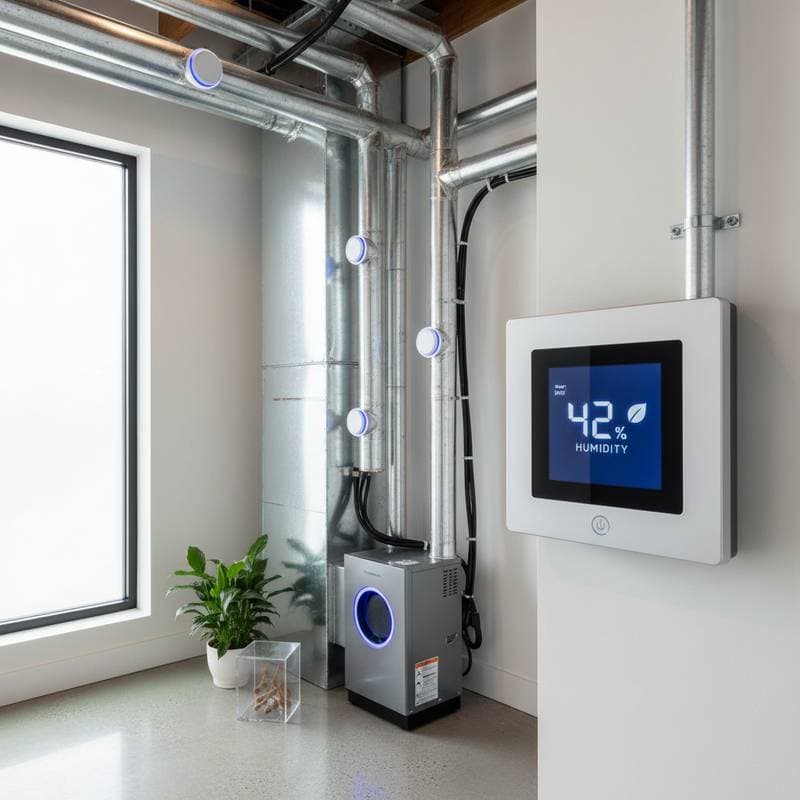
Smart HVAC Humidity Control Prevents Mold Growth
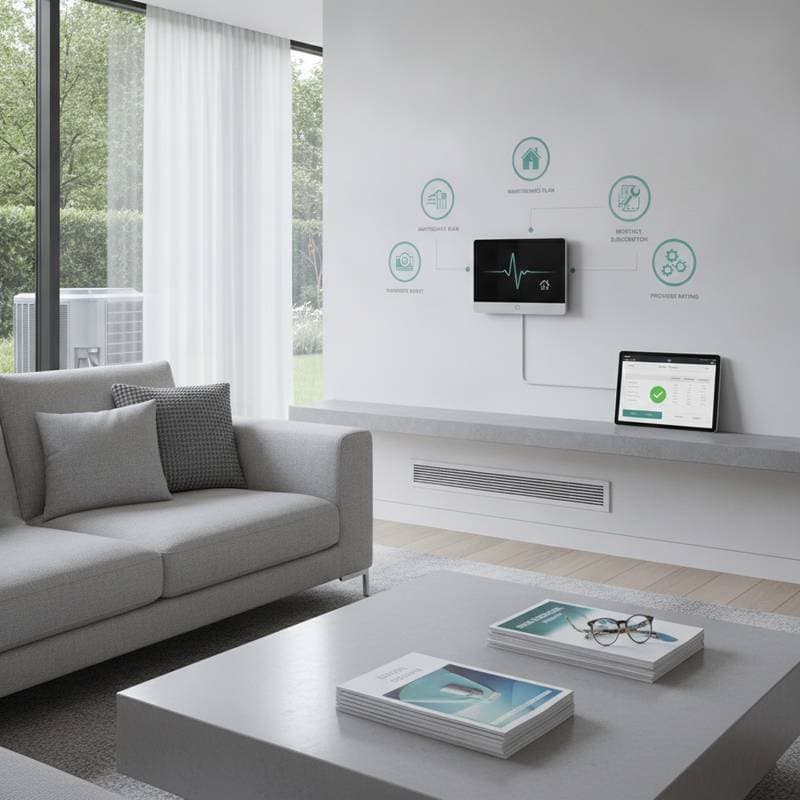
Smart HVAC humidity control maintains indoor humidity between 30 and 50 percent to protect homes from mold. Mold spores require moisture levels above 60 percent along with damp surfaces to colonize. These systems use sensors and automated adjustments to keep conditions outside the growth range while supporting better air quality and lower energy use.
| Key Factor | Ideal Range or Benefit |
|---|---|
| Recommended Indoor Humidity | 30% to 50% |
| Mold Growth Threshold | Above 60% humidity |
| Smart Thermostat Integration | Real-time humidity monitoring and adjustments |
| Energy Savings Potential | 10% to 20% reduction in energy costs |
| Health Benefit | Reduces allergens and airborne spores |
Average Cost of Smart HVAC Humidity Control
Homeowners can add humidity control through smart thermostats, whole-home dehumidifiers, or integrated HVAC units. Pricing varies with equipment type and installation requirements.
| System Type | Average Installed Cost |
|---|---|
| Smart Thermostat with Humidity Sensor | $250 - $600 |
| Whole-Home Dehumidifier | $1,200 - $2,800 |
| Smart HVAC System with Built-in Humidity Control | $5,000 - $9,000 |
| Standalone Smart Humidifier | $300 - $700 |
These figures cover equipment and professional installation. Long-term reductions in energy consumption and mold remediation costs frequently recover the initial outlay.
Key Factors That Affect Smart Humidity Control Pricing
System Compatibility
Existing HVAC equipment that already accepts smart thermostats integrates quickly. Older systems often require extra wiring or adapters that raise labor expenses.
Sensor Quality and Placement
Accurate sensors deliver reliable readings when positioned in return ducts or moisture-prone rooms such as bathrooms and basements. Higher-grade units cost more yet provide consistent performance.
Energy Efficiency Features
Variable-speed compressors and fans modulate output to avoid humidity spikes. These components lower operating costs over time despite higher purchase prices.
Installation Complexity
Thermostat swaps require minimal time. Full dehumidifier additions may involve new duct runs and condensate lines that increase total project duration.
Brand and Smart Features
Premium brands supply app control, voice assistant support, and seasonal automation. Each added capability contributes to the final installed price.
Types of Smart HVAC Humidity Control Systems
Smart Thermostats with Humidity Sensors
These devices measure moisture and adjust heating or cooling cycles automatically.
Pros:
- Low cost and quick installation
- Smartphone remote access
- Works with most existing HVAC setups
Cons:
- Limited moisture removal capacity in large homes
- Depends on the main system for dehumidification
Whole-Home Dehumidifiers
Units tie into central ductwork and extract moisture during air circulation.
Pros:
- Strong performance in humid climates
- Even control across every room
- Reduced runtime for the primary HVAC equipment
Cons:
- Higher upfront investment
- Requires professional duct integration
Smart Humidifiers
These units add moisture during dry winter months to protect wood surfaces and maintain comfort.
Pros:
- Prevents overly dry conditions
- Pairs with thermostats for year-round balance
Cons:
- Unnecessary in already humid areas
- Needs periodic cleaning
Integrated Smart HVAC Systems
Factory-equipped units handle temperature and humidity through a single control platform.
Pros:
- Unified management of both variables
- Highest efficiency and filtration performance
- Fewer separate appliances to maintain
Cons:
- Largest initial expense
- Best suited for new construction or full system replacement
Signs You Need Smart Humidity Control
- Condensation on windows signals excess indoor moisture.
- Musty odors often indicate hidden mold colonies.
- Warped flooring or furniture results from repeated humidity swings.
- Persistent allergy symptoms can stem from elevated spore counts.
- Visible mold in bathrooms or basements confirms inadequate moisture management.
- Excessive dust or static electricity points to overly dry air.
The Smart Humidity Control Installation Process
Step 1: System Evaluation
A technician reviews the HVAC equipment, duct condition, and insulation to locate moisture sources and confirm compatibility.
Step 2: Sensor Placement and Wiring
Sensors mount in return ducts or high-moisture zones to capture accurate data for the control system.
Step 3: Equipment Installation
The chosen thermostat, humidifier, or dehumidifier is mounted and connected. Any required duct or drain modifications are completed.
Step 4: System Calibration
Technicians set target humidity ranges and link controls to mobile apps for remote oversight.
Step 5: Testing and Homeowner Training
Final checks verify performance. Homeowners receive instructions on monitoring and seasonal adjustments.
Smart HVAC Humidity Control Labor Costs
| Service Type | Typical Labor Cost |
|---|---|
| Smart Thermostat Installation | $100 - $300 |
| Whole-Home Dehumidifier Installation | $400 - $900 |
| Integrated Smart HVAC System Installation | $1,000 - $2,000 |
Labor covers wiring, calibration, and basic user instruction. Licensed technicians ensure safe, code-compliant results.
How Smart Humidity Control Prevents Mold Growth
Smart systems hold indoor humidity below the 60 percent threshold where mold spores activate. Continuous sensor feedback triggers cooling or dehumidification before conditions favor growth.
Continuous Monitoring
Real-time data allows immediate response to rising moisture levels.
Targeted Moisture Removal
Whole-home dehumidifiers extract water vapor evenly throughout the living space.
Improved Air Circulation
Variable-speed fans reduce stagnant zones near windows and in basements where mold often starts.
Data Insights and Alerts
Automated notifications prompt quick action when readings approach unsafe levels.
Health and Energy Benefits of Smart Humidity Control
Stable humidity reduces dust mites, mold spores, and respiratory irritants. Occupants experience fewer dry-air complaints such as skin irritation or sinus discomfort.
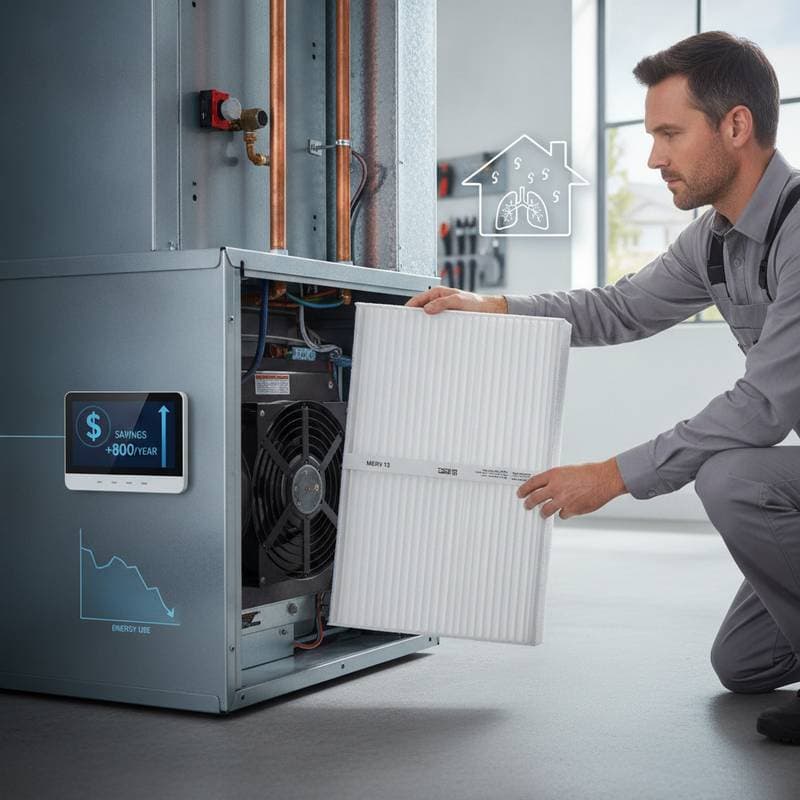
Energy use declines because the HVAC equipment avoids short cycling. Homeowners can raise cooling setpoints or lower heating setpoints without sacrificing comfort, which trims monthly utility costs.
Frequently Asked Questions About Smart HVAC Humidity Control
How does smart humidity control differ from a regular humidistat?
A basic humidistat simply switches equipment on or off. Smart platforms learn usage patterns, account for outdoor weather, and coordinate with the full HVAC network for tighter control.
Can I add smart humidity control to my existing HVAC system?
Most standard systems accept smart thermostats or standalone dehumidifiers with modest wiring changes. A technician can assess compatibility on site.
What humidity level should I maintain to prevent mold?
Target 30 to 50 percent relative humidity. Mold growth accelerates once levels exceed 60 percent.
Does smart humidity control increase energy use?
No. Balanced humidity allows the system to operate more efficiently and reduces unnecessary runtime.
How often should humidity sensors be calibrated or checked?
Annual inspection during routine HVAC service maintains accuracy.
Is a smart humidity control system worth the investment?
Many homeowners recover costs through lower energy bills and avoided mold remediation expenses.
Can I monitor humidity remotely?
Yes. Most smart thermostats and integrated systems provide real-time readings and alerts through smartphone apps.
Next Steps for a Balanced Indoor Environment
Smart HVAC humidity control delivers consistent moisture management that protects structures, supports health, and trims operating costs. Homeowners who notice condensation, odors, or comfort inconsistencies should schedule an evaluation with a qualified HVAC contractor to identify the most suitable solution for their property.