Commercial HVAC Carbon Tax Costs and Compliance
Commercial HVAC carbon costs depend on your location, fuel use, refrigerants, building size, and the rules that apply to your business. Many companies face direct carbon charges, higher energy prices, refrigerant compliance expenses, or reporting obligations rather than one universal HVAC tax. This guide explains how to estimate exposure, reduce operating costs, and prepare your commercial building for changing regulations.
| Cost Area | Typical Financial Effect |
|---|---|
| Carbon charges on natural gas or other fuels | A few cents to several dollars per therm or fuel unit |
| Refrigerant compliance and recovery | Hundreds to several thousand dollars per service event |
| HVAC efficiency upgrades | Thousands to tens of thousands of dollars |
| Carbon reporting and consulting | Hundreds to several thousand dollars annually |
| Large commercial retrofit projects | Tens of thousands to hundreds of thousands of dollars |
Average Commercial HVAC Carbon Tax Costs
There is no single national commercial HVAC carbon tax rate. Carbon pricing may be imposed through a state program, utility charge, fuel surcharge, emissions trading system, or building performance regulation. The charge may appear on a gas bill, energy statement, permit invoice, or compliance report.
For a commercial building, the most useful calculation is annual carbon exposure. Annual carbon cost equals fuel consumption multiplied by the carbon price. For example, a facility that burns 20,000 therms of natural gas and faces a carbon charge of $0.50 per therm would incur an estimated $10,000 in direct carbon costs. This estimate does not include electricity charges, administrative work, equipment upgrades, or penalties for missed reporting.
Typical Cost Categories
Your total commercial HVAC carbon tax cost may include direct fuel charges. Natural gas, propane, oil, and other combustion fuels may carry an emissions fee. Utilities may pass carbon compliance expenses to commercial customers through electricity cost increases. High efficiency boilers, heat pumps, controls, and ventilation systems can reduce emissions through equipment upgrades.
Refrigerant management adds service costs through leak testing, recovery, recordkeeping, and approved refrigerant replacement. Compliance administration requires staff time, engineering reports, energy audits, and emissions verification. Missed filings, inaccurate reports, or excessive emissions can create additional expenses through penalties.
Small offices may spend a few thousand dollars on planning and efficiency work. Large retail stores, warehouses, schools, medical facilities, and industrial buildings may face much higher costs due to their fuel consumption and equipment size.
Key Factors That Affect Commercial HVAC Carbon Tax Price
Building Size and Energy Consumption
Larger buildings generally use more heating, cooling, and ventilation energy. A facility with several rooftop units, boilers, air handlers, and exhaust fans can produce a larger emissions profile than a small office. Review at least twelve months of utility bills, equipment run hours, and fuel purchases. This information gives you a practical starting point for estimating carbon exposure. If your records are incomplete, an HVAC contractor or energy consultant can create a consumption baseline.
Fuel Type and Heating Method
Natural gas systems release carbon dioxide when they operate. Oil and propane systems may create different emissions levels, while electric equipment shifts emissions from the building to the power grid. A heat pump may reduce on-site combustion, but its financial benefit depends on electricity prices, outdoor temperatures, equipment efficiency, and the local power supply. Converting equipment without reviewing electrical capacity can create unexpected costs.
Equipment Efficiency
Efficiency describes how much heating or cooling a system provides for the energy it consumes. A boiler with a high annual fuel utilization efficiency, known as AFUE, converts more fuel into useful heat. A cooling system with a strong SEER2 rating uses less electricity during operation. Higher efficiency equipment often costs more to install, but it may reduce fuel use and carbon charges. Ask for a comparison of purchase price, projected energy savings, maintenance needs, and expected service life.
Refrigerant Selection and Leakage
Refrigerants can contribute to climate emissions when they escape into the atmosphere. Commercial systems with large refrigerant charges may require leak inspections, repair records, recovery procedures, and approved replacement products. A small leak can increase cooling costs while creating compliance concerns. Regular leak detection and prompt repairs can protect equipment performance and reduce refrigerant expenses.
Local Regulations and Building Rules
Carbon tax programs differ by jurisdiction. Some rules focus on fuel suppliers, while others affect building owners through energy benchmarking, emissions limits, building performance standards, or mandatory improvement plans. Your obligations may also depend on occupancy, floor area, building type, fuel consumption, and system capacity. A commercial HVAC professional can help identify which requirements apply to your property.
Installation Complexity
Replacing a rooftop unit may require a crane, structural review, electrical work, curb adaptation, controls integration, and roof protection. Boiler replacements may require venting changes, gas line work, pumps, valves, and water treatment. Complex installation increases labor costs and can delay savings. Early planning gives you more time to compare equipment and schedule work before an emergency failure.
Types of Commercial HVAC Systems and Carbon Exposure
Packaged Rooftop Units
Packaged rooftop units combine heating, cooling, fans, and controls in one cabinet. These systems work well for offices, retail buildings, and restaurants. They offer straightforward replacement in many facilities and are available with improved efficiency ratings. Easy connection with building automation systems makes them practical for many applications.
Roof access can complicate service, and multiple units may require extensive maintenance. Gas heating sections create direct combustion emissions that contribute to carbon costs.
Commercial Heat Pumps
Heat pumps move heat instead of creating it through combustion. Reversible systems can provide heating and cooling. These systems reduce or eliminate on-site gas use and support lower emissions in many applications. They provide heating and cooling from one system and work well with modern controls.
Higher installation cost in some buildings may require electrical service upgrades. Performance can decline during severe cold, and backup heat may still use gas or electric resistance.
Chillers and Air Handlers
Chiller systems serve larger buildings through chilled water and air handling equipment. These systems prove efficient for large facilities with centralized maintenance and controls. They work well for zoning and load management and can connect with heat recovery systems.
High initial cost and essential refrigerant management create challenges. Pumps and cooling towers add maintenance needs, and poor controls can waste substantial energy.
High Efficiency Boilers
Boilers distribute hot water or steam to terminal units, radiators, or air handlers. These systems prove reliable for large heating loads and remain compatible with existing hydronic systems. High efficiency models can reduce fuel consumption and prove durable when properly maintained.
These systems continue to rely on combustion fuel and require venting, water treatment, and safety checks. They may face higher carbon costs as regulations expand.
Signs You Need a Commercial HVAC Compliance Review
Look for these warning signs. Utility bills are rising even though occupancy has not changed. Heating or cooling equipment operates for unusually long periods. Boilers, rooftop units, or chillers are near the end of their service life. Refrigerant leaks occur repeatedly. Your facility lacks energy consumption records. HVAC controls are outdated, disconnected, or difficult to program. Indoor temperatures vary widely between zones.
Equipment uses older refrigerants or has an uncertain service history. Your business received an emissions reporting notice. Planned renovations may increase electrical or heating demand. Maintenance records do not identify fuel use, refrigerant additions, or repairs. Building staff cannot explain which systems serve each area. A compliance review does not always require immediate replacement. It can identify low cost improvements, required reports, and equipment risks before they become expensive.
The Commercial HVAC Carbon Compliance Process
1. Gather Building and Equipment Information
Collect utility bills, equipment lists, service records, refrigerant logs, floor plans, operating schedules, and previous energy audits. Include all heating, cooling, ventilation, domestic hot water, and process loads.
2. Establish an Emissions Baseline
An HVAC professional can estimate emissions from fuel consumption and electricity use. The baseline should identify seasonal patterns, unusual spikes, and the systems responsible for the highest energy demand.
3. Review Applicable Regulations
Confirm whether your property must benchmark energy use, submit emissions reports, meet performance targets, maintain refrigerant records, or complete specific efficiency upgrades. Requirements can differ between neighboring jurisdictions.
4. Identify Low Cost Improvements
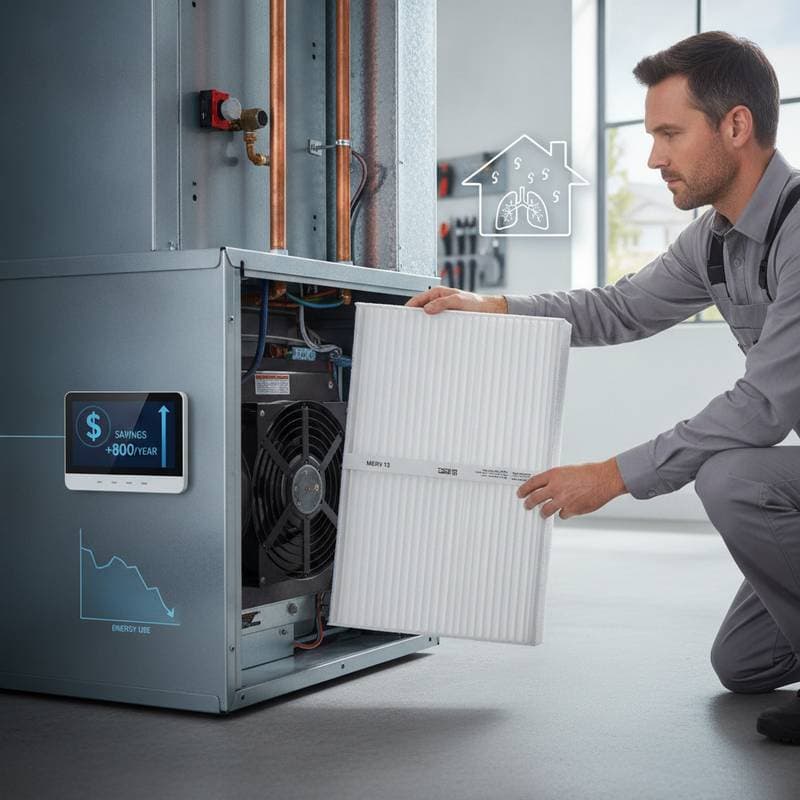
Start with measures such as filter replacement, duct sealing, sensor calibration, economizer repair, scheduling adjustments, pipe insulation, and control upgrades. These steps can reduce consumption without replacing major equipment.
5. Compare Replacement Options
When equipment is old or inefficient, compare several solutions. Review heat pumps, high efficiency boilers, variable speed drives, advanced controls, and heat recovery systems. Calculate expected savings against installation cost.
6. Complete Professional Installation
A qualified contractor should size equipment from calculated heating and cooling loads. Proper sizing, airflow testing, refrigerant charging, combustion testing, and control setup are necessary for reliable performance.
7. Document and Monitor Results
Keep invoices, test reports, refrigerant records, equipment specifications, and compliance filings. Track utility use after upgrades so you can confirm savings and detect problems early.
Commercial HVAC Labor Costs
Commercial HVAC labor commonly ranges from $100 to $250 per technician hour, with higher rates for emergency service, specialized controls, large equipment, or difficult access. A basic inspection may cost several hundred dollars, while a detailed energy or compliance assessment can cost from $1,000 to several thousand dollars.
Equipment replacement labor may represent 30 to 50 percent of the total project price. Rooftop unit replacement can cost several thousand dollars in labor per unit, while boiler, chiller, or central plant projects may require much larger budgets.
Ask each contractor for a written proposal that separates equipment and accessories, labor and installation, permits and inspections, crane or lifting costs, electrical and structural work, controls integration, refrigerant recovery and disposal, testing, startup, and training, warranty coverage, and ongoing maintenance. A low initial bid may exclude controls, code upgrades, electrical work, or disposal fees. Comparing complete scopes produces a more reliable commercial HVAC cost estimate.
Frequently Asked Questions About Commercial HVAC Carbon Tax Costs
Does every commercial building pay a carbon tax on HVAC?
No. Carbon pricing depends on your location and local regulations. Some jurisdictions impose direct carbon charges on fuel suppliers, while others require building owners to meet emissions targets or complete energy benchmarking. Many areas have no carbon pricing program at all. Check with local authorities or an HVAC professional to determine what applies to your property.
How do I calculate my building's carbon exposure?
Multiply your annual fuel consumption by the applicable carbon price per unit. Add any electricity cost increases from utility carbon compliance programs. Include refrigerant management costs and compliance administration expenses. An HVAC contractor can help create a complete emissions baseline from your utility records.
What are the most cost-effective ways to reduce carbon costs?
Start with low-cost improvements such as filter replacement, duct sealing, sensor calibration, and control upgrades. These measures often reduce consumption without major equipment replacement. When equipment reaches the end of its service life, compare heat pumps, high efficiency boilers, and advanced controls. Calculate expected savings against installation costs before making decisions.
When should I schedule a compliance review?
Schedule a review when utility bills rise without occupancy changes, equipment operates for extended periods, or systems approach the end of their service life. Repeated refrigerant leaks, outdated controls, or missing energy records also indicate the need for professional assessment. Early review helps identify low-cost improvements before problems become expensive.
Taking Action on Commercial HVAC Costs
Start by gathering twelve months of utility bills and equipment records. Calculate your current carbon exposure using local fuel prices and applicable carbon rates. Identify which regulations apply to your building type and location. Begin with low-cost improvements that reduce consumption without major capital investment. Compare replacement options when equipment reaches the end of its service life. Work with qualified contractors who provide complete proposals that include all installation requirements. Document all improvements and track utility use to confirm savings and identify problems early.