How Dual Fuel Heating Reduces Winter Energy Costs
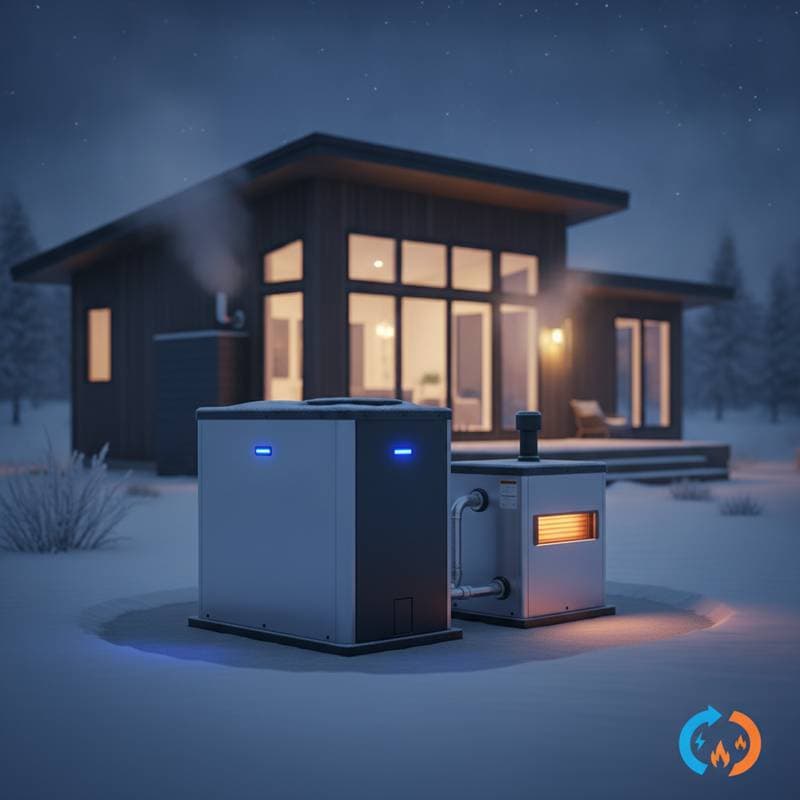
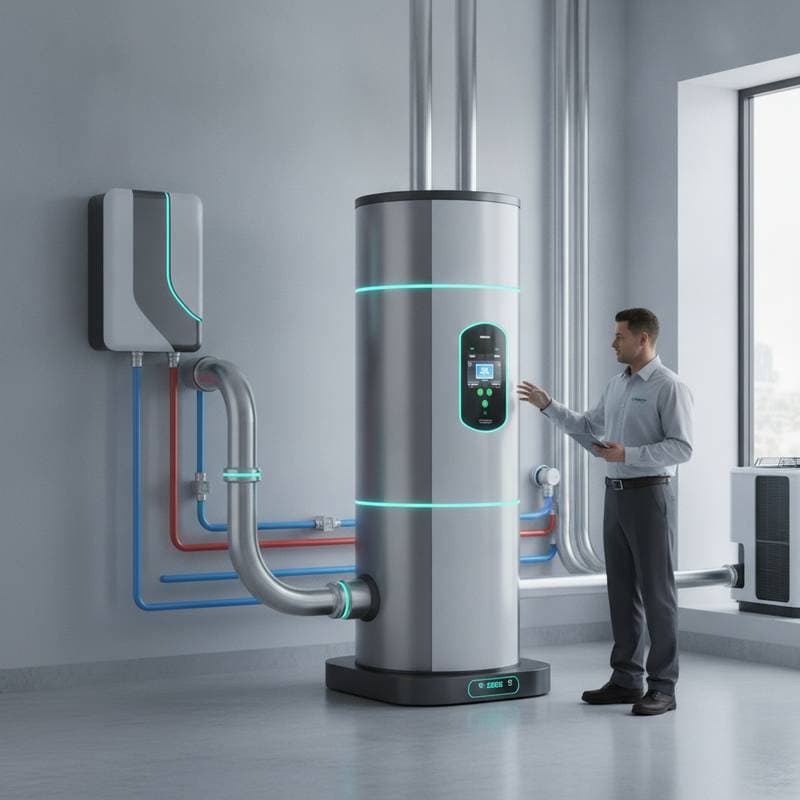
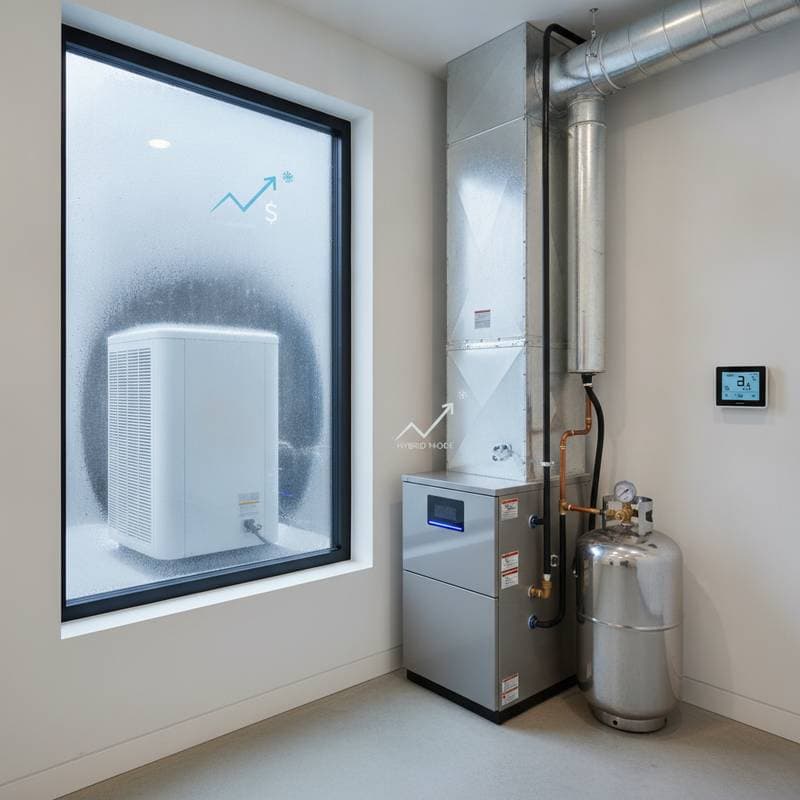
Dual fuel heating systems combine an electric heat pump with a propane or gas furnace to automatically select the most economical heating source based on outdoor temperatures. This hybrid approach delivers lower energy bills while maintaining consistent indoor comfort throughout the winter season.
| Key Detail | Practical Answer |
|---|---|
| Main components | Heat pump plus propane or gas furnace |
| Best climate | Cold regions with changing outdoor temperatures |
| Primary benefit | Lower heating costs and dependable backup |
| Typical fuel choice | Electricity during mild weather, propane during severe cold |
| Professional installation | Recommended for sizing, wiring, controls, and safety |
How Dual Fuel Heating Works
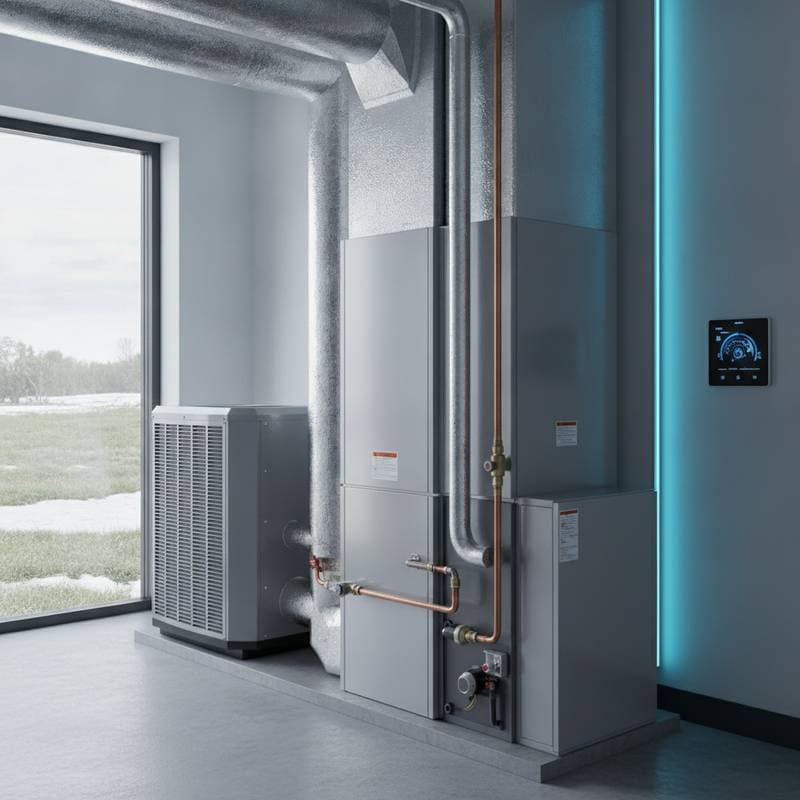
A dual fuel system integrates two heating technologies that work together through coordinated controls. The heat pump manages moderate winter conditions by extracting heat from outdoor air and transferring it indoors. When temperatures drop below the heat pump efficiency threshold, the system automatically switches to furnace operation.
An outdoor temperature sensor and control board determine the switch point based on a preset balance temperature. This balance point represents the outdoor temperature where furnace operation becomes more cost-effective than continued heat pump use. Professional technicians can adjust this setting according to local fuel prices, home insulation levels, and equipment specifications.
Heat Pump Operation
Heat pumps transfer available heat from outdoor air into your home without burning fuel. This process works efficiently even when outdoor temperatures feel cold to the touch. Heat pumps deliver reliable performance during mild and moderately cold conditions while providing cooling capability during warmer months.
Furnace Backup Operation
The propane or gas furnace creates heat through fuel combustion and distributes it through existing ductwork. This component provides strong, consistent heating output during extreme cold when heat pump efficiency declines. The furnace also maintains comfort during heat pump defrost cycles or periods of high heating demand.
Dual Fuel Heating Costs and Savings
Installation costs for dual fuel systems typically range from $8,000 to $18,000 depending on equipment size, ductwork modifications, electrical requirements, and propane storage needs. Monthly operating savings vary based on heat pump usage frequency, home insulation quality, local utility rates, and furnace efficiency ratings.
Where Savings Come From
The system reduces energy waste by selecting the heating source that matches current weather conditions. Operating a propane furnace during mild weather costs more than using a heat pump during those periods. Running a heat pump during severe cold increases electricity consumption and may reduce comfort levels.
A properly configured dual fuel system avoids both scenarios by using electric heating when practical and switching to propane or gas when stronger output provides better value and comfort.
Factors That Affect Payback
Several variables influence your potential savings from dual fuel heating:
- Local electricity and propane prices
- Heat pump efficiency and heating capacity
- Furnace efficiency rating
- Home insulation and air leakage rates
- Ductwork condition and design
- Equipment sizing accuracy
- Thermostat settings and usage patterns
- Frequency of extreme cold weather
A qualified contractor can calculate expected savings using your utility bills and equipment performance data rather than relying on general estimates.
Key Factors That Affect Dual Fuel System Price
Equipment Size
Heat pumps and furnaces must match your home heating load requirements. Undersized systems run continuously and struggle during cold weather. Oversized equipment cycles frequently, wastes energy, and creates temperature variations throughout your home.
Professional load calculations consider square footage, insulation levels, window types, ceiling heights, ductwork design, and local climate conditions. Accurate sizing prevents the problems associated with equipment that does not match your home requirements.
Efficiency Ratings
Heat pump efficiency ratings include SEER2 for cooling performance and HSPF2 for heating efficiency. Higher ratings indicate better energy performance, though more efficient equipment typically costs more initially. Propane furnaces use AFUE ratings to measure how effectively they convert fuel into usable heat.
Installation Complexity
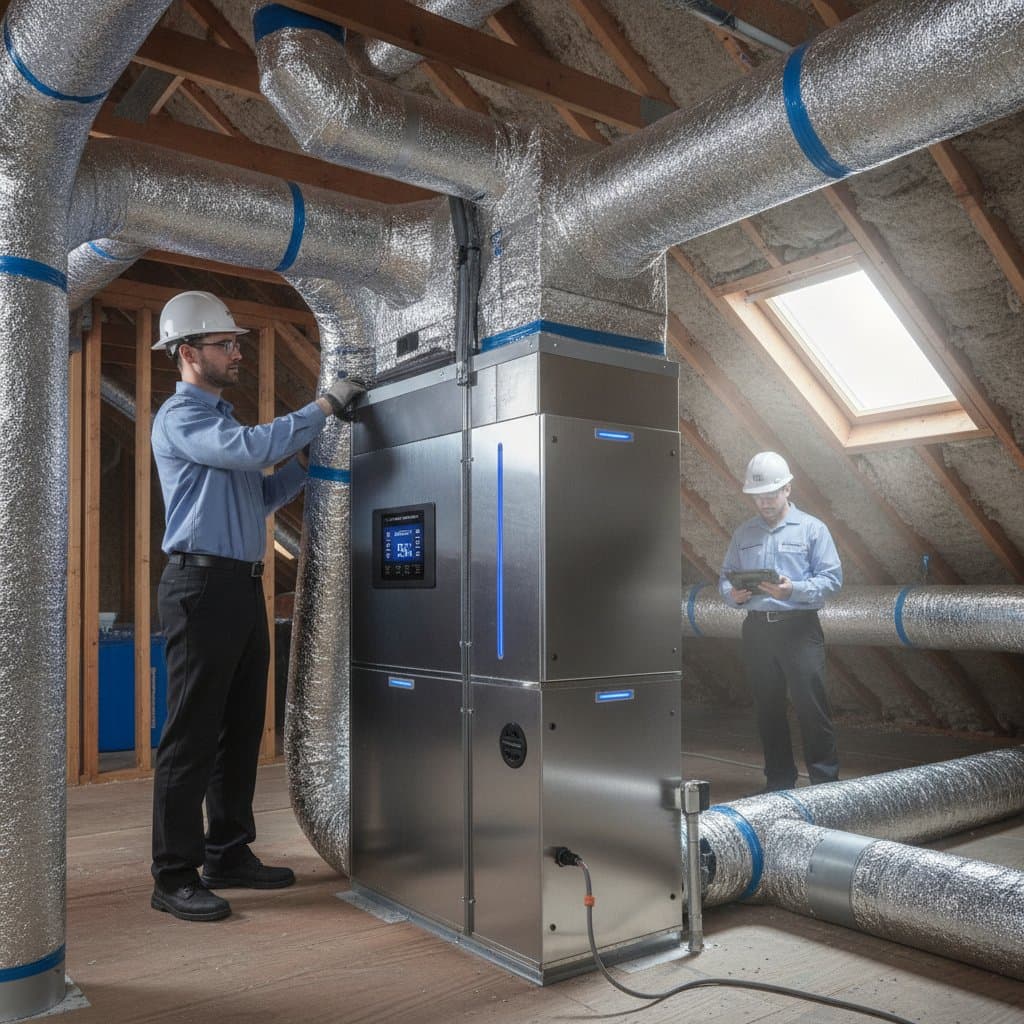
Installation costs increase when projects require ductwork replacement, electrical panel upgrades, propane tank installation, refrigerant line modifications, or drainage improvements. Limited access to equipment locations in attics or crawl spaces also extends labor time and expense.
Types of Hybrid Heating Systems
Electric Heat Pump With Propane Furnace
This combination works well for homes without natural gas service availability.
Pros:
- Reliable heat during severe cold weather
- Uses electricity during milder conditions
- Compatible with central air duct systems
- Propane available in many rural areas
Cons:
- Requires propane storage tank and regular deliveries
- Higher installation costs than single-fuel systems
- Needs maintenance for both refrigeration and combustion components
Electric Heat Pump With Gas Furnace
This setup utilizes natural gas where utility service is available.
Pros:
- Strong backup heating capability
- Convenient fuel delivery through existing utility lines
- Efficient operation in many cold climates
- No on-site propane tank required
Cons:
- Requires natural gas service access
- Monthly gas service charges may apply
- Combustion equipment requires periodic safety inspections
Dual Fuel Mini Split System
Ductless heat pumps can pair with separate propane heating systems in homes without usable ductwork.
Pros:
- Efficient room-by-room temperature control
- Suitable for home additions and older construction
- Avoids major ductwork installation requirements
Cons:
- Multiple indoor units may be necessary
- Visual appearance may not suit every room design
- Separate backup controls require careful coordination
Signs You Need a Dual Fuel System
Consider a hybrid heating system if you experience these conditions:
- Your heat pump struggles during the coldest weather periods
- Electric bills increase significantly during winter months
- Your home lacks natural gas service
- Your current furnace shows signs of aging or unreliability
- Some rooms remain cold while others overheat
- You rely on portable heaters during cold weather
- Your system runs continuously without reaching thermostat settings
- You want backup heating during power outages or equipment failures
Dual fuel systems cannot resolve comfort issues caused by poor insulation, blocked air registers, leaking ducts, or incorrect equipment sizing. These problems require attention before equipment replacement.
The Dual Fuel Installation Process
- Home evaluation: A technician examines insulation, ductwork, electrical service, fuel access, and equipment placement.
- Load calculation: The contractor determines the correct heating and cooling capacity for your specific home.
- System selection: You compare heat pump performance specifications, furnace efficiency ratings, control options, warranty coverage, and projected operating costs.
- Fuel planning: For propane systems, the contractor confirms tank placement, delivery access, regulator requirements, and local safety regulations.
- Equipment removal: The old furnace or heat pump is disconnected and removed safely.
- New equipment installation: Technicians install the indoor coil, outdoor heat pump, furnace, refrigerant lines, drain connections, wiring, and control systems.
- Control setup: The balance point and changeover settings are programmed according to equipment specifications and household requirements.
- Testing and orientation: The contractor tests heating stages, airflow patterns, safety controls, defrost operation, and thermostat communication. You receive instructions for filter maintenance and system operation.
Dual Fuel Heating Labor Costs
Professional labor typically accounts for $2,500 to $7,000 of total dual fuel installation costs. The exact amount depends on equipment accessibility, ductwork modifications, electrical work, propane connections, permit requirements, and old equipment removal.
Basic replacement projects in accessible utility areas cost less than installations requiring new ductwork or electrical panel upgrades. Request itemized proposals that separate equipment costs, labor charges, permit fees, fuel tank work, accessories, and disposal expenses.
Select contractors based on licensing, insurance coverage, combustion safety practices, load calculation capabilities, and warranty support rather than lowest bid alone. Multiple written estimates facilitate comparison of equivalent system proposals.
Frequently Asked Questions About Dual Fuel Heating
Does dual fuel heating work in very cold climates?
Yes. The propane or gas furnace provides high heating output when outdoor temperatures fall below the heat pump efficient operating range. Proper sizing and control setup remain essential for reliable performance in extreme conditions.
Is propane cheaper than electricity for heating?
Propane costs vary by location and supplier, while electricity rates depend on your utility provider and usage tier. A dual fuel system automatically selects the more economical option based on current outdoor temperatures and local fuel prices rather than requiring manual decisions.
How long does dual fuel equipment last?
Heat pumps typically operate for 15 to 20 years with proper maintenance. Furnaces often last 20 to 30 years depending on usage patterns and maintenance quality. Regular professional service extends equipment lifespan and maintains efficiency ratings.
Can I retrofit my existing system to dual fuel?
Many existing heat pump or furnace installations can be converted to dual fuel operation by adding the missing component and updating controls. A qualified contractor can evaluate your current equipment and determine retrofit feasibility based on system compatibility and home requirements.
What maintenance does dual fuel equipment require?
Dual fuel systems need regular filter changes, annual professional inspections, and periodic cleaning of both heat pump and furnace components. Maintenance schedules typically include spring heat pump service and fall furnace inspection to ensure reliable winter operation.
Planning Your Dual Fuel Heating Upgrade
Professional evaluation provides the foundation for selecting the right dual fuel system for your home. A qualified contractor can assess your current heating setup, calculate potential savings, and recommend equipment that matches your specific requirements and budget constraints.