Understanding Dual Fuel Heat Pumps
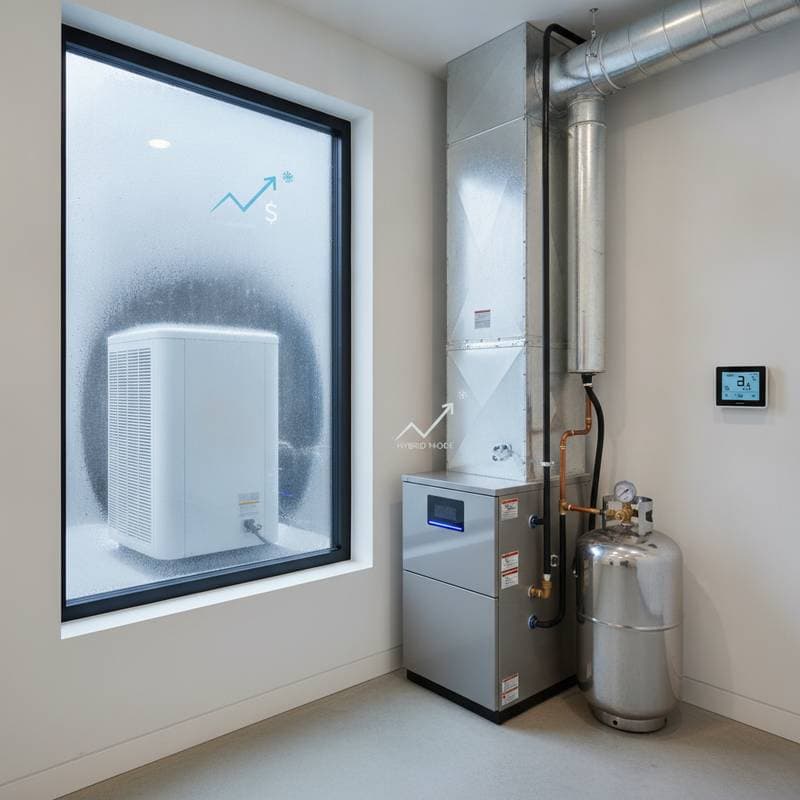
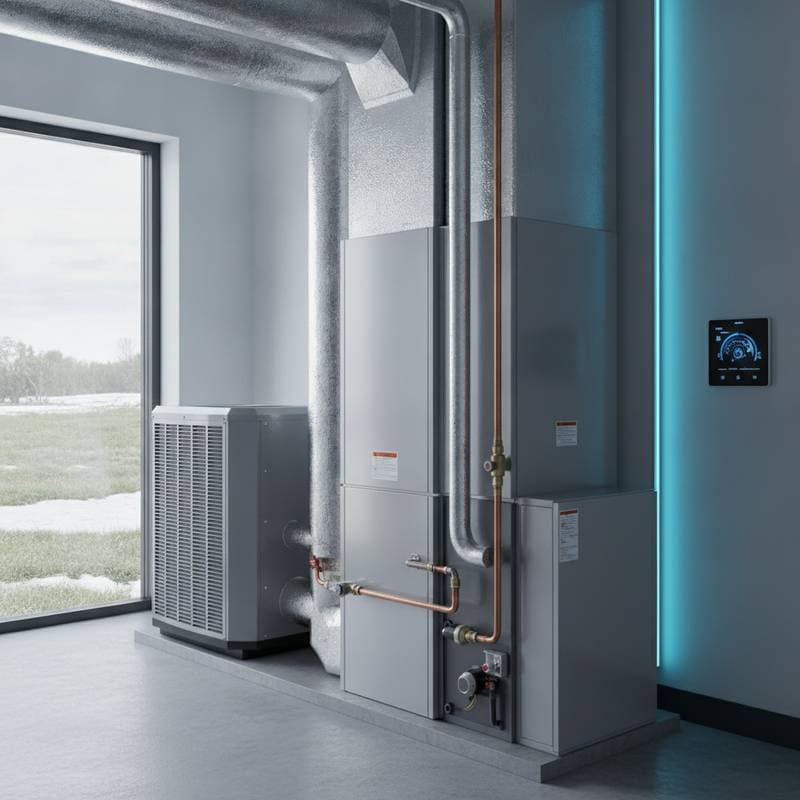
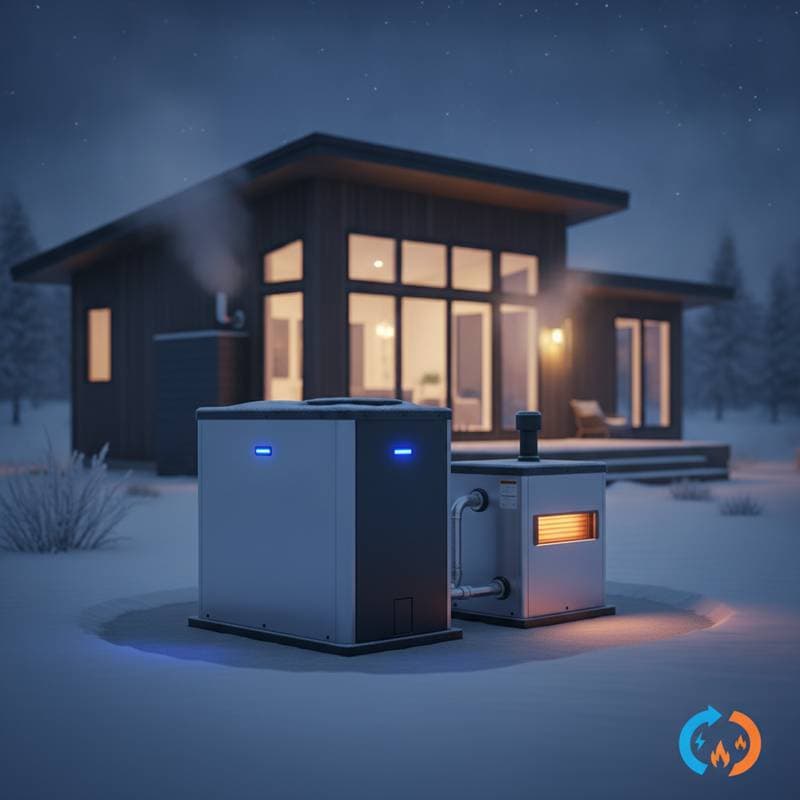
Dual fuel heat pumps combine an electric heat pump with a gas furnace in one integrated system. This setup allows the equipment to select the most efficient energy source based on outdoor temperatures. Homeowners gain reliable warmth without sacrificing efficiency during milder periods.
The electric heat pump handles heating duties when temperatures remain moderate. Once conditions drop below a set threshold the system activates the gas furnace. This automatic transition maintains steady indoor comfort while managing energy use.
How These Systems Operate in Cold Weather
Modern dual fuel units include sensors that monitor outdoor conditions continuously. When the temperature falls below approximately 35 degrees Fahrenheit the controls shift from the heat pump to the furnace. The change occurs without manual intervention or noticeable temperature swings.
The heat pump component extracts heat from outdoor air even when temperatures reach the low 30s. Below that point the gas furnace provides heat more effectively because combustion maintains output regardless of extreme cold. Proper calibration of the switchover point ensures peak performance throughout the season.
Key Advantages for Homeowners
- Reduced monthly utility expenses result from using electricity during efficient operating ranges and gas only when necessary.
- Consistent indoor temperatures improve comfort because each component runs within its optimal range.
- Lower overall emissions occur when the electric portion displaces some fossil fuel consumption.
- Equipment longevity increases because neither component works beyond its design limits during peak demand.
These benefits appear most clearly in regions that experience wide temperature swings across winter months. Homeowners report fewer service calls after the first year of operation.
Installation and Cost Considerations
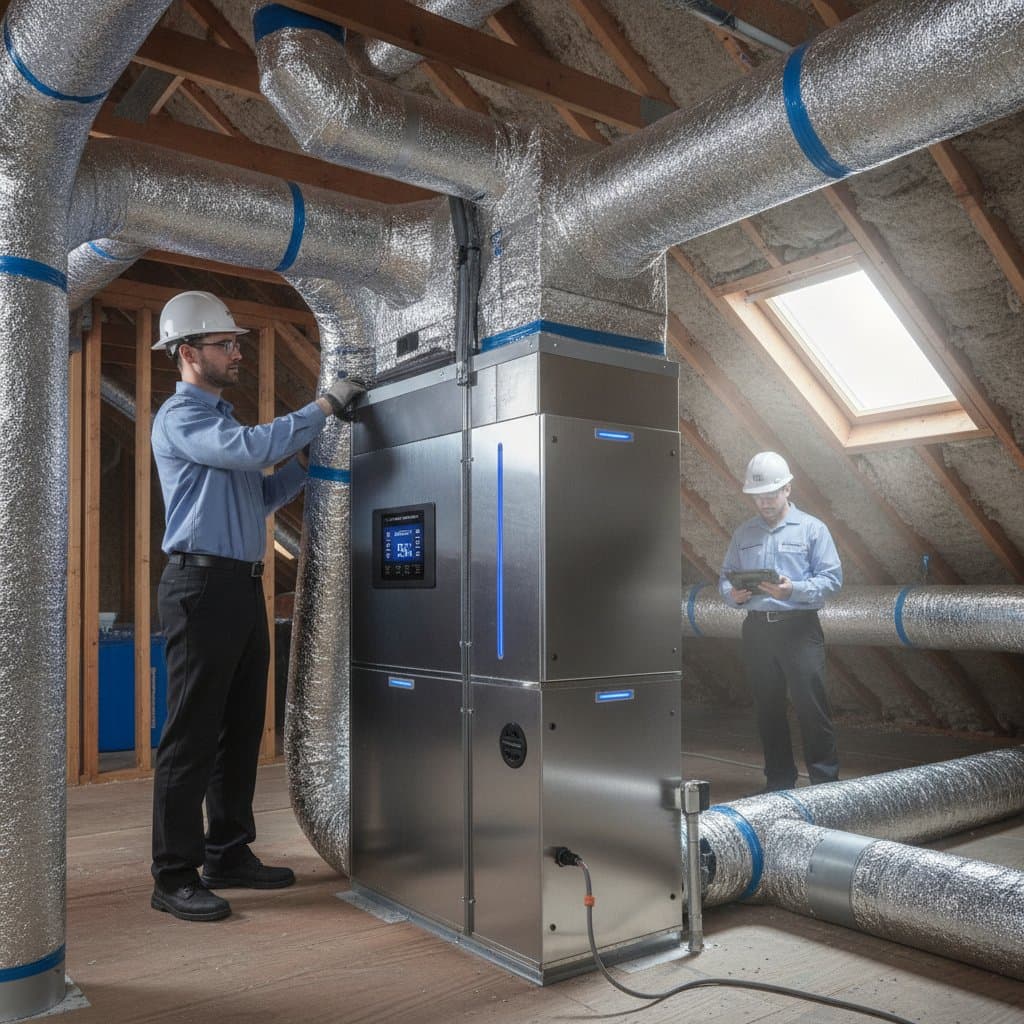
Professional assessment determines whether existing ductwork and electrical service can support the hybrid setup. Typical installation requires one to two days and involves placing the outdoor heat pump unit plus connecting the indoor furnace. Local utility rebates and federal tax credits can offset a portion of the upfront expense.
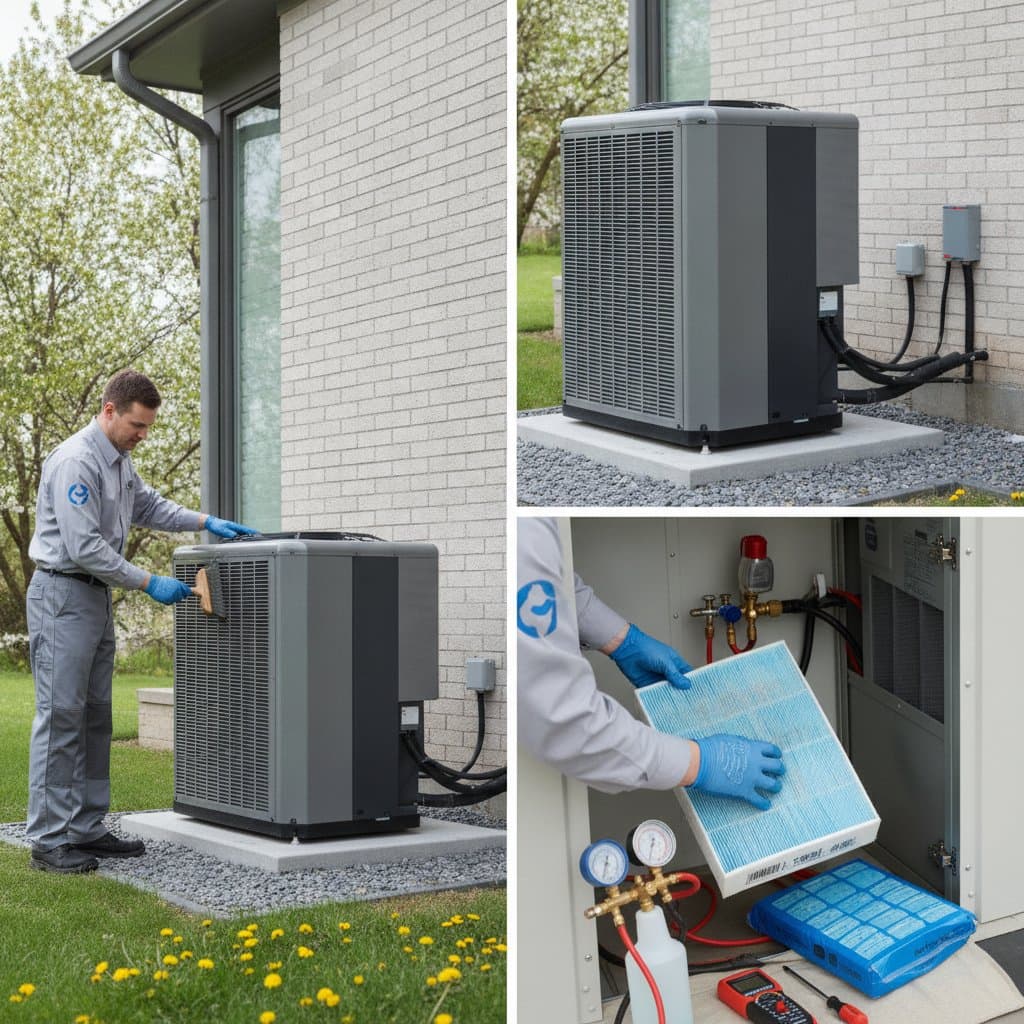
Annual maintenance includes filter changes every three months and a yearly inspection of both the heat pump and furnace sections. Technicians check refrigerant levels and combustion efficiency during the same visit. Following this schedule preserves manufacturer warranties and sustains rated performance.
Selecting the Right System
Capacity calculations must account for the size of the home and its insulation levels. Oversized equipment short cycles and wastes energy while undersized units struggle on the coldest days. A qualified contractor performs a Manual J load calculation before recommending specific models.
Look for units that carry ENERGY STAR certification and feature variable speed compressors. These options adjust output gradually rather than running at full power at all times. Matching the thermostat controls to the hybrid system allows precise scheduling and remote monitoring through smartphone applications.
Maximizing Long Term Value
Track energy usage for the first two heating seasons to confirm the switchover setting delivers expected savings. Small adjustments to the balance point temperature can further optimize costs if utility rates change. Regular filter replacement and annual professional service keep the system operating at designed efficiency levels.
Homeowners who follow these practices experience reliable comfort and measurable reductions in annual heating expenses across multiple winters.