Why 2026 Tariffs Increased Air Conditioner Prices by 18 Percent
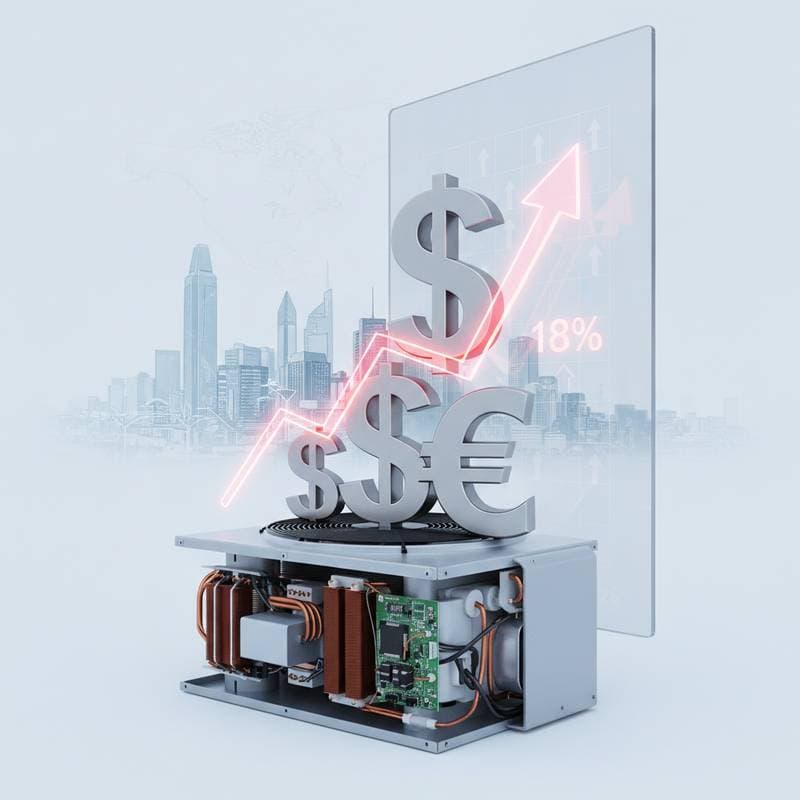
Homeowners across the country have noticed higher quotes for new air conditioning systems. The average cost to install a central air conditioner has climbed by about 18 percent. This increase stems largely from tariffs introduced on imported HVAC components.
What once cost between 5000 dollars and 9000 dollars for a complete system installation may now range from 5900 dollars to 10600 dollars. The final price depends on the brand, efficiency rating, and local labor rates. This article explains how these tariffs caused AC prices to jump. It also covers the factors that influence total cost and the steps homeowners can take to manage expenses.
Cost Breakdown by Brand and Efficiency
Higher efficiency systems rely on advanced compressors and refrigerants. Many of these parts are imported, so they experienced the largest price increases.
| Efficiency Rating (SEER2) | Typical Brand Tier | Average Installed Cost After Tariffs |
|---|---|---|
| 14 to 16 SEER2 | Standard | 5900 to 8000 dollars |
| 17 to 19 SEER2 | Mid Range | 7500 to 10000 dollars |
| 20 plus SEER2 | Premium | 9500 to 13000 dollars |
Homeowners who select top tier systems face higher upfront expenses. They continue to benefit from lower energy use over time.
How Tariffs Affect the HVAC Supply Chain
The HVAC market depends on a global supply network. When tariffs increase, manufacturers must either absorb the additional cost or pass it along to distributors and end users. In most cases the added expense is shared across all levels of the supply chain.
Effects on Manufacturers
Some companies increased domestic assembly while still importing key components. Others reduced production volumes to manage financial risk. Research and development budgets tightened as firms prioritized supply chain stability.
Effects on Contractors
Distributors raised wholesale pricing. This change forced contractors to adjust project estimates. Warranties and service contracts became more expensive because equipment replacement costs rose. Contractors also faced challenges sourcing parts for repairs, which led to longer wait times.
Effects on Homeowners
The average homeowner now pays hundreds or even thousands more for a new AC system. Some delayed upgrades while others chose smaller systems or repair solutions. Financing options and rebates gained importance for managing replacement costs.
Air Conditioner Price FAQs
Why did the 2026 tariffs target HVAC equipment?
The tariffs were introduced to reduce dependence on imported HVAC components and encourage domestic production. Government officials believed that increasing import costs would help local manufacturers compete. Domestic factories could not immediately meet demand, which led to higher short term prices for consumers.
Are all air conditioners affected equally?
Not all systems were impacted at the same level. Units with a high percentage of imported parts saw the largest increases. Entry level systems that use more domestically produced components experienced smaller cost jumps. Ductless mini splits, which rely heavily on overseas manufacturers, were among the most affected.
Will AC prices go back down?
Price normalization depends on how domestic supply adapts. If United States production expands and raw material costs stabilize, prices could ease slightly. Most experts expect elevated pricing to continue until supply chains fully adjust.
How can homeowners save despite higher prices?
Several strategies can help. Compare multiple quotes to find fair pricing. Ask about local utility rebates for energy efficient models. Schedule installations during slower HVAC seasons when labor costs may be lower. Maintain existing systems regularly to delay replacement. Explore financing options offered by contractors or lenders.
Should I repair or replace my AC system now?
If your current system is under ten years old and still efficient, repairing may be more cost effective. For older units with frequent breakdowns, replacement will likely deliver better comfort and lower energy bills. Newer systems usually reduce long term operating expenses even with higher initial costs.
Questions to Ask HVAC Contractors
When facing higher HVAC costs, obtaining multiple quotes becomes essential. Comparing detailed proposals helps ensure you understand exactly what each contractor is offering.
Ask these questions during the quoting process. Which brands and models are least affected by tariffs? How much of the quoted price covers equipment versus labor? Are there any current manufacturer or energy rebates available? What efficiency rating do you recommend for my home size and climate? How long will installation take and what does it include? Can you provide a written warranty for both parts and labor? Do you offer financing or payment plans to manage costs? Are all permit and inspection fees included in the estimate? How do you handle supply delays if certain parts are backordered? What maintenance plan do you suggest to protect my investment?
Steps to Control Your HVAC Expenses
The 2026 tariffs increased AC unit prices by about 18 percent. Homeowners still have choices to control spending. Compare quotes, consider mid range efficiency models, and maintain current systems properly. These actions help balance comfort and affordability.
Contractors continue to adapt by offering flexible financing and sourcing more domestic components. As production stabilizes, prices may level off. Smart planning and informed decisions remain the best way to manage the effects of these tariffs on your home cooling system.