New 55 dB HVAC Noise Regulations Take Effect in Eight States in 2026
Eight states introduce regulations limiting outdoor noise from residential HVAC systems to 55 decibels. These rules target air conditioners, heat pumps, and similar equipment to curb noise pollution in communities. Homeowners and contractors must verify that installations meet this threshold, measured at the property line.
The standards reshape equipment choices, installation practices, and even landscape designs around homes. This guide details the regulation's implications, compliant options, and preparation measures to achieve compliance before deadlines arrive.
| Key Regulation Details | Description |
|---|---|
| Maximum Noise Level | 55 dB at the property line for outdoor units |
| Affected States | Eight states with regional announcements |
| Compliance Parties | Homeowners, builders, HVAC professionals |
| Impacted Equipment | Air conditioners, heat pumps, rooftop condensers |
| Quiet System Range | 45 to 55 dB for modern models |
| Enforcement Start | 2026 in designated states |
| Primary Objective | Minimize residential noise pollution |
Elements Influencing HVAC Noise Output
HVAC systems generate sound through operation, but multiple factors control the volume reaching neighbors. Understanding these allows for informed decisions on selection and maintenance.
System Capacity and Scale
Units designed for larger homes require bigger fans and compressors, which produce more noise. Professionals recommend precise sizing based on home square footage and insulation levels to avoid excess capacity that amplifies sound and raises energy use.
Compressor Technology
Single-stage compressors operate at full speed or stop entirely, causing noticeable start-stop sounds. In contrast, two-stage or variable-speed models modulate output smoothly, maintaining lower noise during moderate cooling demands.
Fan and Enclosure Engineering
Advanced fan blades with serrated edges reduce turbulence, while sound-absorbing enclosures dampen vibrations. Select units featuring these elements to achieve ratings closer to 50 dB or below.
Placement Considerations
Positioning the unit close to reflective surfaces or living areas intensifies noise. Experts suggest locating it at least 10 feet from windows and using natural barriers like hedges to absorb sound waves effectively.
System Age and Upkeep
Older units develop rattles from worn parts, and neglected maintenance leads to louder performance. Schedule annual inspections to clean components and tighten fittings, preserving quiet operation over time.
Manufacturer Quality Standards
Reputable brands prioritize noise reduction through superior materials and engineering. Entry-level units might start above 60 dB and degrade faster, whereas premium options sustain compliance longer.
Indicators of Non-Compliant or Excessive HVAC Noise
Assess your system proactively to avoid surprises during enforcement. Look for these signals that suggest a need for adjustments or replacement.
- Outdoor unit produces sound comparable to moderate conversation levels nearby
- Persistent vibrations transmit through home structures or foundations
- Audible rattles or buzzes occur during cycling phases
- Neighbor reports indicate disruptive humming at property boundaries
- Startup sequences generate clanging or whirring beyond normal levels
- Decibel readings surpass 55 dB during professional measurement
A certified technician can conduct precise testing and propose targeted fixes, such as adding isolators or selecting upgrades.
Steps to Achieve HVAC Noise Compliance
Compliance involves systematic evaluation and implementation beyond mere equipment swaps. Follow this sequence to document adherence and sustain standards.
Initial Property Evaluation
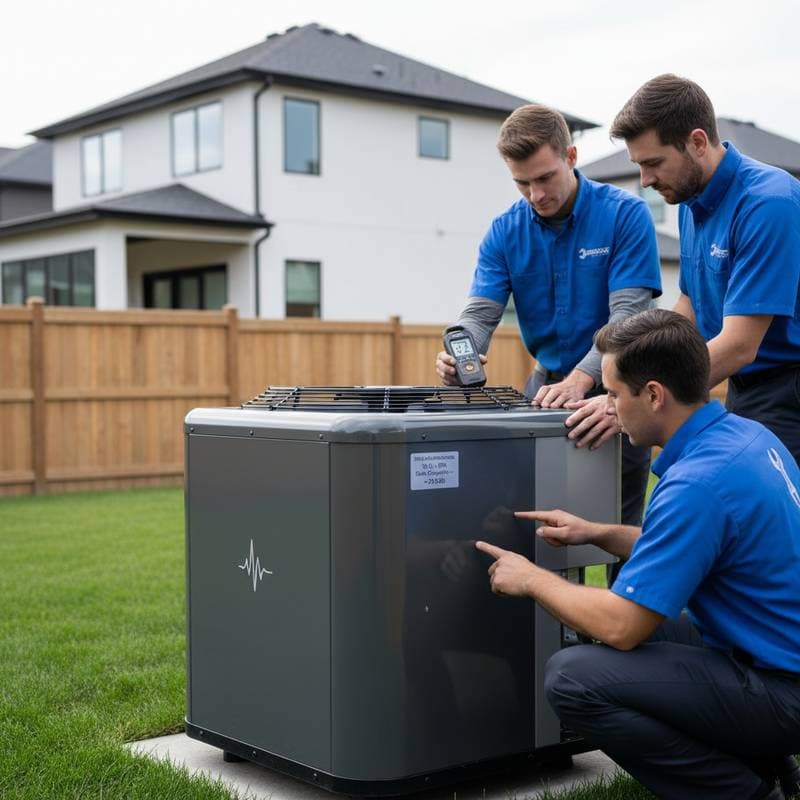
Technicians inspect existing setups, measure baseline noise, and map sound paths across the yard. Tools like calibrated meters provide accurate data at key points.
Selecting Suitable Equipment
Choose models with verified sound ratings under 55 dB from manufacturer specs. Prioritize energy-efficient options that align with local codes for dual benefits.
Optimized Installation Techniques
Plan placement to leverage distance and absorption materials. Incorporate anti-vibration mounts and ensure level foundations to prevent resonance issues.
Post-Installation Verification
Conduct final measurements to confirm levels meet requirements. Retain records, including photos and readings, for potential inspections.
Long-Term Monitoring and Care
Implement a maintenance schedule to address wear early. Periodic rechecks ensure ongoing quiet performance amid seasonal use.
Estimated Costs for Compliant HVAC Installations
Installation expenses depend on location and system type, with noise-focused features adding modest premiums. Budget for these typical ranges to plan effectively.
| Installation Category | Labor Cost Range |
|---|---|
| Conventional Air Conditioner | $1,500 to $3,000 |
| Heat Pump System | $2,000 to $3,500 |
| Ductless Mini-Split Setup | $1,800 to $3,200 |
| Supplemental Sound Mitigation | $300 to $800 extra |
| Compliance Assessment | $150 to $400 |
Engage experienced installers to integrate noise controls seamlessly, avoiding rework that could inflate total expenses.
Common Questions on HVAC Noise Standards
What volume does 55 decibels represent?
This level matches a subdued discussion or light rain. Traditional units often reached 65 to 75 dB, so the reduction fosters calmer surroundings.
Must existing systems be replaced?
Replacement applies only if current noise exceeds limits. Modifications like enclosures or repositioning may suffice for marginal cases.
Strategies to quiet an active system?
Focus on upkeep: clear debris from coils, secure loose elements, and update fans. External shields or vegetation screens further attenuate transmission.
Consequences of failing compliance?
States impose fines, inspection rejections, or mandatory alterations. New constructions risk occupancy delays until resolution.
Methods for noise rating by producers?
Ratings derive from controlled tests at one meter distance, expressed in dB(A) to account for human hearing. Consult spec sheets for reliable figures.
Feasibility of unit enclosures?
Enclosures work if they permit adequate airflow. Maintain gaps for ventilation and position barriers several feet away to drop noise by 5 to 10 dB.
Energy implications of low-noise systems?
These models typically consume less power. Features like variable speeds enhance efficiency, yielding savings on monthly bills.
Steps Toward Compliant Systems and Enhanced Home Comfort
Adopting the 55 dB standard elevates living quality by minimizing disturbances and optimizing efficiency. Residents in impacted areas gain from proactive assessments that safeguard investments.
Consult HVAC specialists for tailored evaluations and quotes. Select systems that balance performance, quietness, and cost to prepare fully for 2026 requirements.