Understanding the 2026 HVAC Noise Limits in 18 States
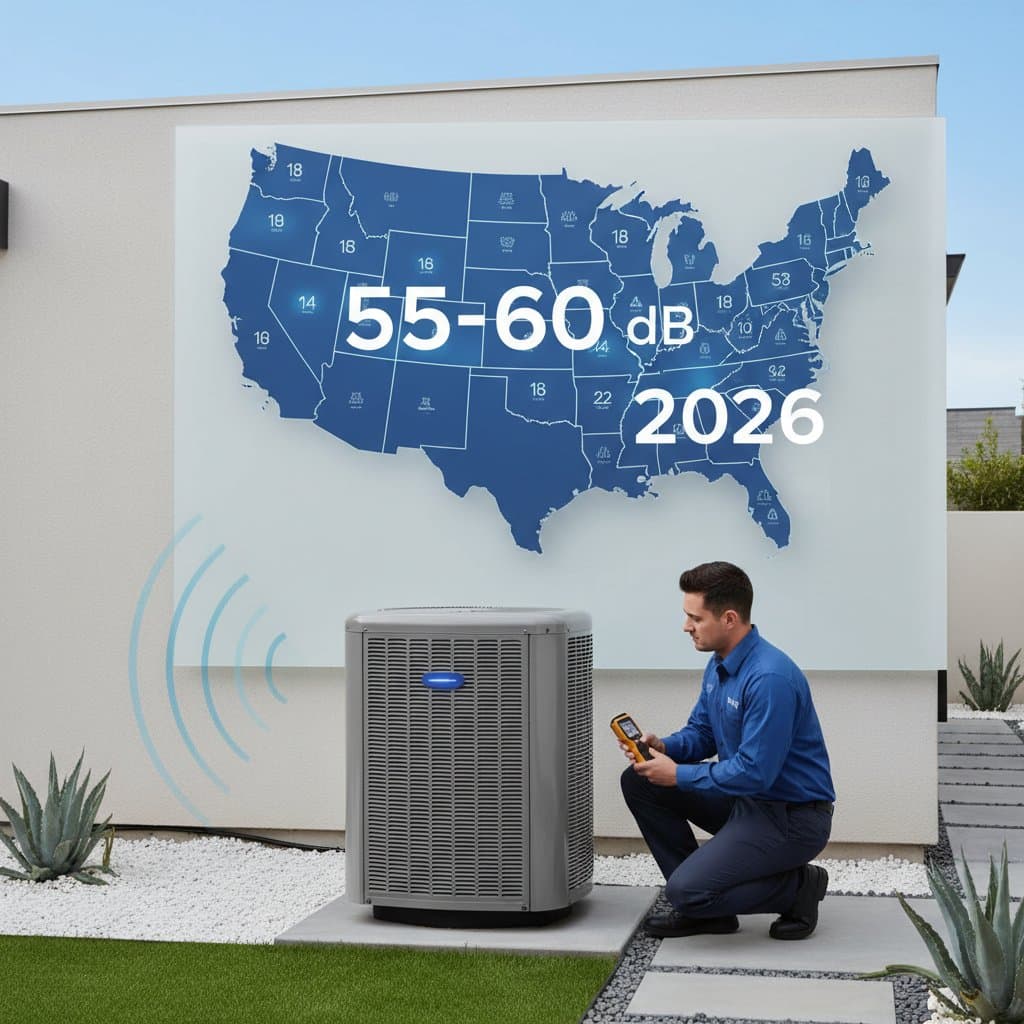
Eighteen states will introduce residential HVAC noise regulations in 2026, targeting the sound output of outdoor units for air conditioners and heat pumps. These measures seek to preserve community tranquility by limiting noise to levels comparable to a quiet conversation. For homeowners considering system upgrades, familiarity with these requirements proves essential to select compliant equipment and sidestep potential fines or installation delays.
The regulations specify noise thresholds measured at the property line, typically between 55 and 60 decibels. They apply exclusively to new installations and replacements, leaving existing systems unaffected unless local codes evolve further. Contractors must document compliance during permitting, often involving sound level verification from manufacturers.
| Aspect | Details |
|---|---|
| Affected States | Eighteen states rolling out residential HVAC noise standards |
| Noise Threshold | 55 to 60 decibels at the property boundary |
| Scope | New outdoor condensing units for air conditioners and heat pumps |
| Primary Objective | Mitigate noise pollution in residential areas |
| Implications for Homeowners | Guides choices in equipment models and site placement |
Typical Noise Outputs of Outdoor HVAC Units
Standard outdoor HVAC units generate sounds ranging from 50 to 75 decibels, influenced by factors such as unit capacity, design efficiency, and operational mode. The impending regulations encourage adoption of models that align with lower-end outputs, akin to background office chatter at 55 decibels. Manufacturers respond by prioritizing innovations in sound dampening, ensuring systems deliver robust cooling or heating without excessive disturbance.
Examples of Low-Noise HVAC Systems
- Ductless Mini-Split Systems: These units often register 45 to 55 decibels, thanks to their compact compressors and direct zoning capabilities.
- Variable-Speed Heat Pumps: Operating at 50 to 60 decibels, they modulate speed to match demand, minimizing abrupt noise spikes.
- Conventional Central Air Conditioners: Older models may reach 65 to 75 decibels, prompting upgrades to quieter alternatives for compliance.
To measure your current unit's output, use a sound level meter app or consult a professional for precise readings at various distances.
Elements Influencing HVAC Noise Levels
Compressor Technology
Variable-speed compressors outperform traditional single-stage types by ramping up or down gradually, which curtails operational noise and enhances energy savings. Single-stage units, by contrast, cycle on and off abruptly, amplifying sound during startup. Opt for inverter-driven models to align with regulatory expectations and improve long-term performance.
Fan and Airflow Engineering
Fans with broader blades rotating at reduced speeds generate less air turbulence, resulting in subdued noise profiles. Advanced designs incorporate aerodynamic contours or enclosures lined with acoustic insulation to further attenuate sound waves. When evaluating units, review specifications for fan diameter and RPM ratings to predict quieter operation.
Strategic Unit Positioning
Locating the outdoor unit adjacent to hard surfaces like walls or fences can cause sound reflection, intensifying perceived volume. Maintain at least three feet of clearance from obstructions and orient the unit away from neighboring properties. In dense neighborhoods, elevating the unit on a dedicated pad helps direct noise upward rather than across boundaries.
Mitigating Vibrations
Mechanical vibrations transmit noise through foundations or adjacent structures, often manifesting as low-frequency hums. Install rubber isolators or spring-mounted bases beneath the unit to absorb these forces. For existing setups, retrofitting anti-vibration pads offers a simple way to reduce ground-borne sounds without full replacement.
Overview of Quiet HVAC System Options
- Ductless Mini-Split Configurations: These provide targeted climate control with minimal ductwork, excelling in noise-sensitive environments.
- Advantages: Exceptionally low sound levels; customizable zoning for different rooms.
- Drawbacks: Initial costs rise with additional indoor heads.
- Variable-Speed Central HVAC Systems: Integrated setups that adjust dynamically for consistent comfort.
- Advantages: Reduced noise alongside superior energy efficiency; seamless whole-home coverage.
- Drawbacks: Requires professional duct assessment during installation.
- Hybrid Dual-Fuel Systems: Pair electric heat pumps with gas furnaces for versatile operation.
- Advantages: Balances efficiency across seasons; adaptable to varying climates.
- Drawbacks: Outdoor components may produce marginally higher noise than pure electric variants.
Selecting the right system involves balancing noise ratings with your home's size, layout, and budget. Consult certified technicians to simulate performance based on your property's acoustics.
Indicators of Excessive HVAC Noise
Persistent humming or rattling from the outdoor unit signals potential issues like loose components or refrigerant imbalances. Vibrations felt indoors through walls or floors indicate inadequate isolation. Neighbor complaints or measurements exceeding 65 decibels at the boundary warrant immediate inspection. Routine maintenance, including coil cleaning and belt tightening, prevents escalation of these problems.
Implications of the New Noise Regulations for Homeowners
The 2026 rules exempt pre-existing installations, focusing instead on future projects to phase in quieter standards gradually. During permitting, local authorities may require submission of manufacturer decibel certifications and site plans detailing unit locations. Non-compliance could result in rework costs or delayed occupancy, underscoring the value of proactive planning.
Homeowners benefit from these changes through enhanced neighborhood harmony and access to advanced, efficient technologies. Over time, widespread adoption may lower average energy consumption, as quieter systems often incorporate superior insulation and controls.
Frequently Asked Questions on HVAC Noise Standards
Must Existing Systems Undergo Replacement?
No, the regulations target only installations occurring after the effective date. However, voluntary upgrades can address aging units that exceed modern noise benchmarks.
Do Barriers Like Fencing or Insulation Effectively Dampen Noise?
Yes, installing acoustic barriers, dense shrubbery, or specialized sound-absorbing wraps can attenuate noise by 5 to 10 decibels. Position these features strategically between the unit and property line for optimal results.
How Do I Identify a Quiet HVAC Unit?
Examine product datasheets for outdoor sound ratings in decibels at full load. Prioritize models below 60 decibels, and cross-reference with independent testing from organizations like AHRI for reliability.
Does Lower Noise Compromise System Capacity?
Not at all. Contemporary variable-speed technologies maintain full heating and cooling output while operating at reduced volumes, often with improved airflow distribution.
Could Compliance Drive Up Installation Expenses?
Potentially, as premium quiet units and accessories add 10 to 20 percent to costs. These investments typically yield savings through lower utility bills and fewer repairs, enhancing overall value.
Steps to Prepare Your Home for Compliance
Residing in an affected state requires early action to navigate the 2026 HVAC noise limits effectively. Schedule a consultation with a licensed contractor to audit your current setup and discuss compliant alternatives. Request detailed sound specifications for proposed equipment, and explore incentives for energy-efficient models that inherently produce less noise.
Incorporate noise-reduction features during planning, such as isolated mounting and vegetative screens. By choosing systems that exceed minimum standards, you secure a quieter home environment alongside regulatory peace of mind. This forward-thinking approach not only meets legal obligations but also elevates daily comfort and property appeal.