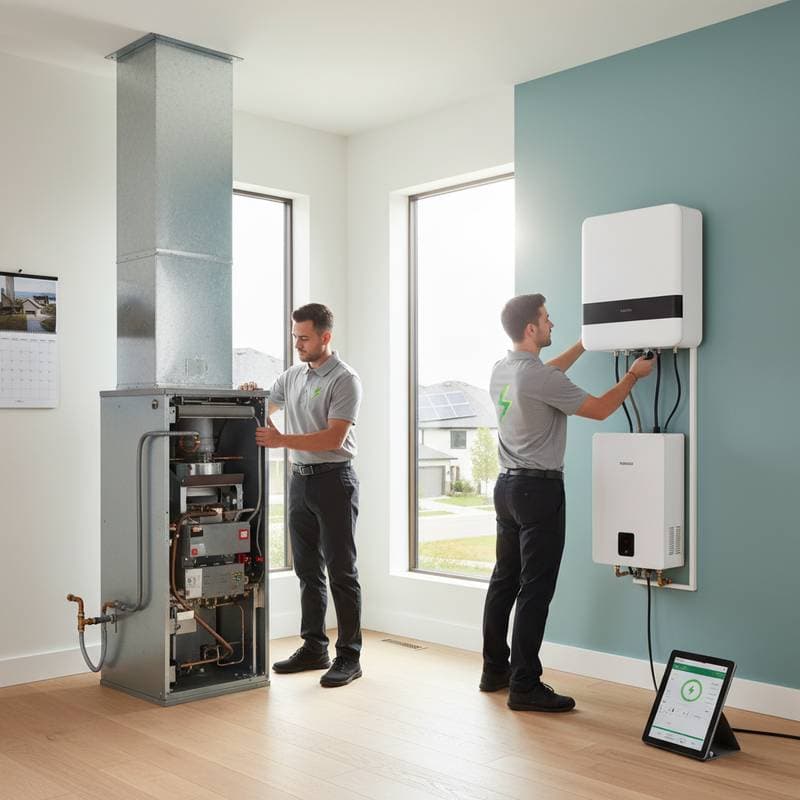
8 States Electrify Home Heating: Gas Furnace Bans Begin in 2026
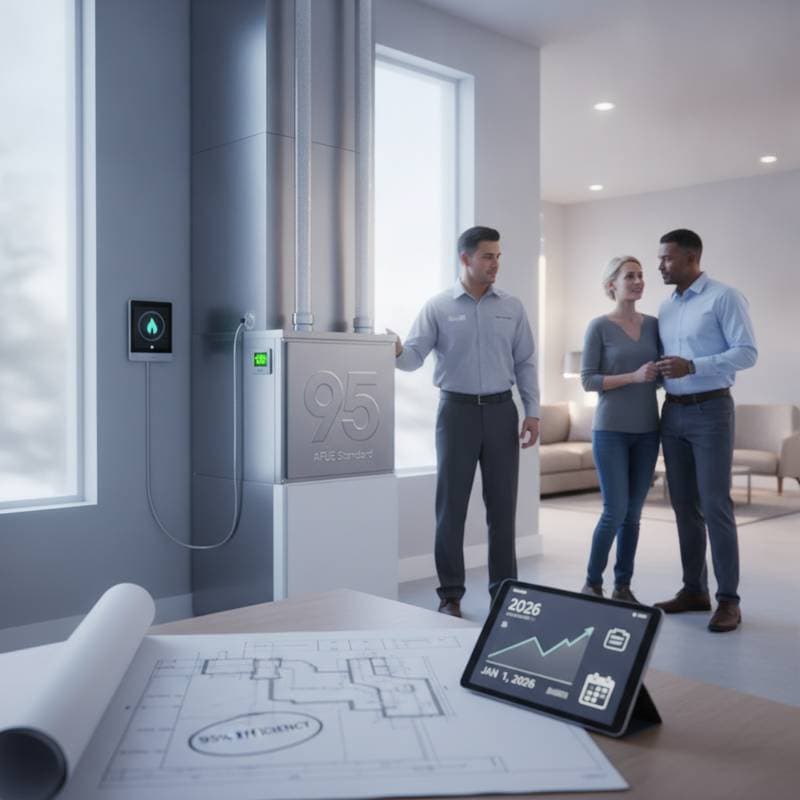
Home heating systems across the United States face significant changes. Eight states plan to prohibit new gas furnace and water heater installations starting in 2026. Homeowners wonder how these regulations influence comfort levels, expenses, and overall HVAC performance. This transition to electric alternatives stems from broader initiatives to decrease emissions, update building standards, and foster more efficient residences. The following sections explain the details, potential impacts, and preparation methods.
Understanding HVAC Electrification
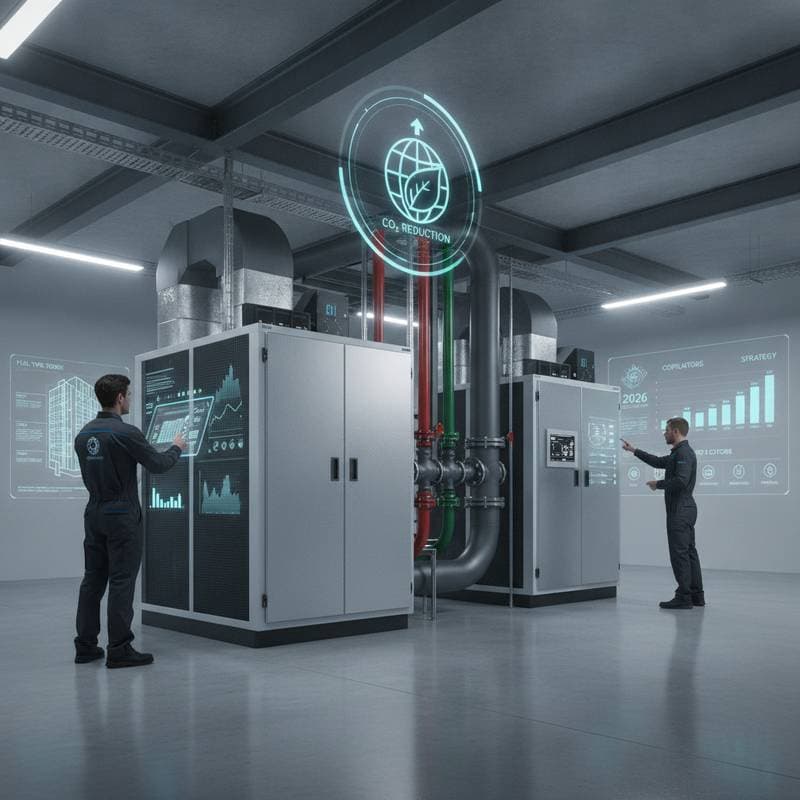
HVAC electrification involves substituting fossil fuel-based systems, including those using natural gas or propane, with electric alternatives for heating and cooling. Heat pumps represent the primary technology in this evolution. These devices transfer heat rather than produce it via combustion, serving both heating and cooling functions.
Electric HVAC systems rely on electricity to relocate heat efficiently, avoiding on-site emissions. Such systems integrate seamlessly with renewables like solar panels, yielding reduced environmental impact and operational costs. For residents, this means transitioning from gas furnaces, boilers, and water heaters to options such as air-source heat pumps, ground-source variants, or advanced refrigerant flow systems. Although initial costs exceed those of gas units, sustained savings and ecological advantages prompt states to enforce these requirements in new builds.
Reasons States Phase Out Gas Systems
State policies targeting gas bans arise from multiple considerations. Governments and environmental bodies aim to diminish carbon outputs, enhance air quality indoors, and lessen dependence on non-renewable resources. Key drivers include the following:
- Environmental objectives: Gas devices emit carbon dioxide and pollutants during use. Electric options lower these releases, particularly with renewable-sourced electricity.
- Health improvements: Research indicates gas furnaces contribute to indoor pollutants that harm respiratory systems. Electric setups remove these sources entirely.
- Superior efficiency: Heat pumps provide three units of heat per unit of electricity, surpassing traditional methods.
- Alignment with infrastructure: As grids incorporate more renewables, electric systems adapt better to evolving standards.
States Implementing Gas Heating Restrictions
Eight states lead this charge with policies restricting new gas heating from 2026. These measures update building codes to favor electric systems in fresh constructions and substantial remodels. The states are California, New York, Washington, Massachusetts, Colorado, Oregon, Vermont, and Hawaii.
Regulations vary by location, yet the core intent remains consistent: eliminate fossil fuel heating in new structures and promote electric retrofits. Residents in these areas must select electric replacements upon gas system failure post-2026. Other regions may adopt similar rules soon, given national trends toward sustainable energy.
Electric Heating and Cooling Options
Electric HVAC relies on diverse technologies. Familiarity with choices aids informed decisions during upgrades.
Air-Source Heat Pumps
Air-source heat pumps dominate residential applications. They pull heat from external air during winter for indoor distribution and expel indoor heat outdoors in summer. Contemporary units function effectively in low temperatures, thanks to enhanced designs.
Ground-Source Heat Pumps
Ground-source systems, also known as geothermal, utilize underground pipes to access stable earth temperatures. Initial setup demands more investment due to excavation, but they offer unmatched efficiency and consistent output. These suit long-term homeowners or new developments.
Ductless Mini-Split Systems
Ductless mini-splits provide zoned control without extensive ducting. Indoor units link to an external compressor, ideal for retrofits in older properties or targeted areas. This setup enables room-specific adjustments for optimal comfort.
Electric Resistance Furnaces
Electric furnaces employ resistive elements to generate heat directly from electricity. They offer straightforward operation but lag in efficiency compared to heat pumps, as they convert energy through resistance rather than transfer.
Factors Influencing Electrification Expenses
Budgeting requires awareness of cost determinants. Estimates fluctuate based on location, home characteristics, and installer expertise. Primary elements include:
- Equipment variety: Air-source heat pumps incur lower costs than geothermal due to simpler setup.
- Residence scale and sealing: Expansive or poorly insulated homes demand robust units, elevating prices.
- Power supply adequacy: Vintage electrical systems often require panel enhancements for electric loads.
- Retrofit challenges: Adapting existing structures proves costlier than new installations.
- Performance levels: Premium efficient models demand higher upfront payments yet reduce utility bills.
- Financial aids: State programs and utilities provide rebates that offset initial outlays.
Heat pump installations typically span $5,000 to $15,000. Energy reductions frequently recoup investments within years. Obtain bids from certified professionals for competitive rates.
Steps to Prepare for Gas Bans
Anticipate needs if your gas equipment approaches obsolescence. Proactive planning preserves choices amid impending rules. Consider these actions:
- Conduct an energy assessment to pinpoint inefficiencies like drafts or inadequate sealing. Enhanced insulation optimizes future electric performance.
- Inspect electrical capacity with an expert. Upgrades ensure compatibility with new demands.
- Evaluate heat pump varieties alongside an HVAC specialist, factoring in your climate and layout.
- Investigate rebates from local utilities or governments. Certifications often qualify for maximum benefits.
- Establish a financial plan to manage replacement timing without urgency.
Homeowner Tasks: DIY Versus Expert Involvement
Certain preparations fall within homeowner capabilities, while others necessitate professionals. Distinguish to maintain safety and compliance.
DIY Preparations
- Caulk gaps near entry points to conserve energy.
- Install seals and additional insulation for better retention.
- Inspect accessible ducts for cleanliness and repairs.
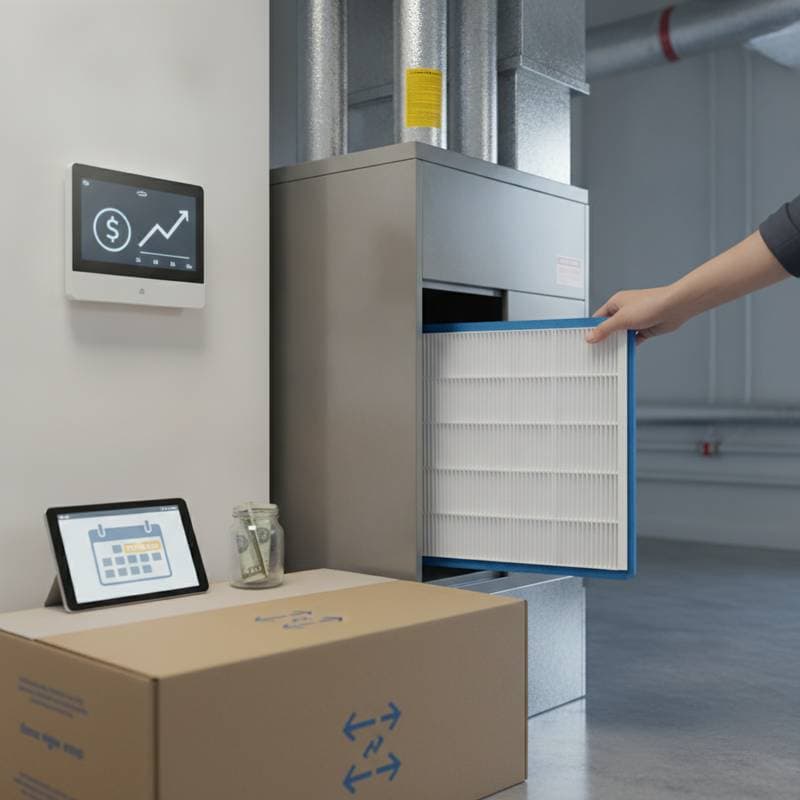
- Swap filters monthly to sustain system efficacy.
Expert Responsibilities
- Full system deployment or swaps.
- Refrigerant management and wiring.
- Electrical panel modifications.
- Load assessments and duct configurations.
Self-handling complex work risks dangers, non-compliance, and suboptimal results. Experts guarantee sizing accuracy, safety, and code adherence.
Overview of Professional Installation
Engaging a contractor streamlines the process. Familiarity with stages builds assurance in service quality.
- Consultation: Evaluate needs, current setup, and efficiency.
- Choice: Select suitable electric solution per budget and requirements.
- Sizing: Compute precise capacity for balanced operation.
- Preparation: Address wiring, ducts, and unit positioning.
- Deployment: Assemble components, link systems, and verify flows.
- Verification: Test functionality, safety, and output.
- Guidance: Receive instructions on usage and upkeep for peak performance.
Thorough execution safeguards durability, warranties, and returns on investment.
Frequently Asked Questions
Will Existing Gas Furnaces Require Immediate Removal?
No. Bans target new installations and constructions. Current units remain usable until failure. Replacements then mandate electric options per local codes.
Do Electric Systems Perform in Harsh Winters?
Yes. Advanced heat pumps handle sub-zero conditions with specialized compressors and fluids, ensuring reliable warmth.
How Do Heat Pump Operating Costs Compare to Gas?
Heat pumps often cost less annually, especially with efficient models and renewable electricity. Gas prices fluctuate, but heat pumps deliver 200 to 300 percent efficiency, versus gas at 80 to 95 percent. Savings depend on local rates and usage.
Is a Hybrid Heat Pump and Gas Backup Feasible?
Yes, in permitted areas. Dual-fuel setups use heat pumps primarily, switching to gas in extremes. This balances efficiency and reliability, though full electric aligns better with bans.
What Advantages Come from Early Adoption?
Switching ahead secures rebates, avoids rushed decisions, and leverages current incentives. Early movers enjoy immediate efficiency gains, reduced emissions, and compatibility with grid upgrades.
Embracing Efficient Home Comfort
Electric HVAC policies reshape residential energy use. These developments, though initially challenging, yield purer environments, secure interiors, and economical operations. Assess your setup with a professional to identify upgrades and incentives, positioning your home for sustainable warmth.