Dual-Fuel Heat Pumps Reduce Winter Heating Costs by Up to 55 Percent
If you live in a region where winters are long and temperatures drop well below freezing, you know how quickly heating costs can climb. Dual-fuel heat pumps are changing the game for homeowners in cold climates. These systems combine the best of electric and gas heating to deliver powerful performance and huge energy savings.
What Is a Dual-Fuel Heat Pump
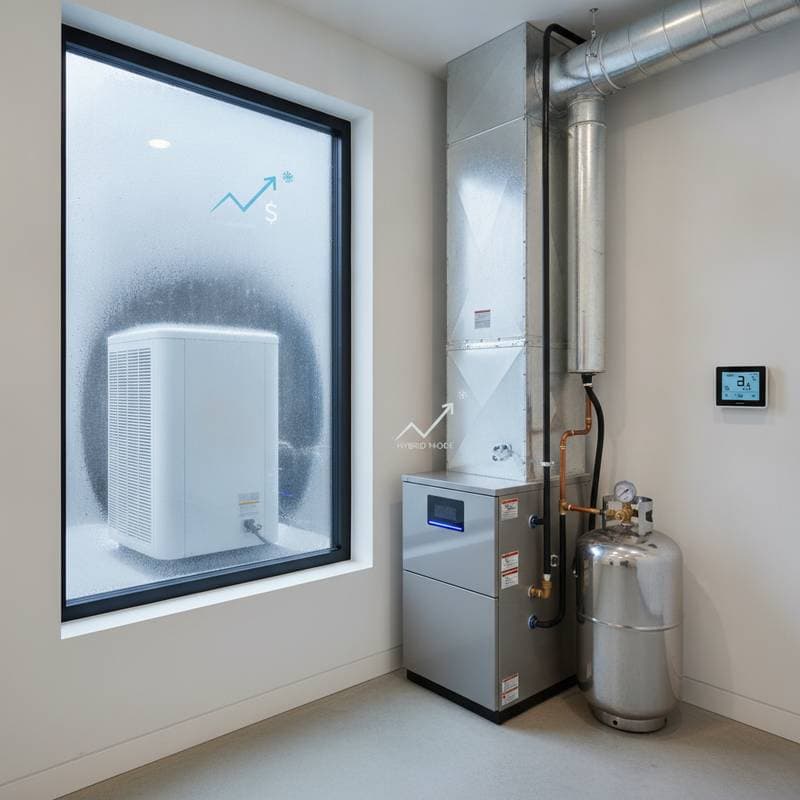
A dual-fuel heat pump is a hybrid heating system that pairs an electric heat pump with a gas furnace. The heat pump handles heating when outdoor temperatures are mild. It draws heat from the air and transfers it indoors. When temperatures drop too low for the heat pump to work efficiently, the system automatically switches to the gas furnace for reliable warmth.
This intelligent balance between two heat sources ensures maximum energy efficiency and comfort regardless of outdoor conditions. Homeowners save significantly on fuel costs by running primarily on electricity during milder weather.
Why Dual-Fuel Systems Excel in Cold Climates
Traditional air-source heat pumps struggle to extract heat from very cold air. This forces them to work harder and use more electricity. Dual-fuel systems solve this problem by letting the gas furnace take over when efficiency drops. The seamless transition keeps your home warm and your energy bills under control.
These systems shine in cold climates for several reasons. Automatic fuel switching keeps efficiency high and energy use low. Consistent comfort means you never have to choose between warmth and affordability. Reduced wear and tear occurs because neither system runs constantly. The overall carbon footprint is lower when compared to furnaces that rely solely on fossil fuels.
Signs a Dual-Fuel System Fits Your Home
Consider a dual-fuel heat pump if your heating bills spike during colder months. Another indicator is a current heat pump that struggles to keep up in freezing weather. Homeowners who rely entirely on a gas or oil furnace often want to cut fuel costs with this upgrade. Those seeking a more energy-efficient and eco-friendly heating solution also benefit. Finally, plan to stay in your home long enough to enjoy the long-term savings.
Factors That Influence Dual-Fuel Heat Pump Costs
The total cost of installing a dual-fuel system varies based on several factors. System size and capacity matter because larger homes require higher-capacity equipment. Efficiency ratings affect upfront costs yet deliver greater long-term savings. Existing infrastructure such as gas lines and ductwork can lower installation expenses. Brand and warranty choices often include longer coverage and advanced features. Installation complexity rises with multi-zone systems or extensive retrofits.
A professional HVAC technician evaluates your home layout, insulation, and climate zone to recommend the most cost-effective setup.
Maintenance Options for Dual-Fuel Systems
Homeowners can handle some simple maintenance tasks to keep dual-fuel systems running smoothly. Major service should always be left to a qualified technician.
Safe tasks include replacing or cleaning air filters every one to three months. Keep outdoor units clear of debris, leaves, and snow. Check thermostat settings to ensure proper mode switching.
Call a professional when the system fails to switch between heat pump and furnace automatically. Uneven heating or unusual noises also warrant attention. Higher-than-normal energy bills signal the need for service. Schedule an annual inspection or tune-up each year.
Steps in the Dual-Fuel Installation Process
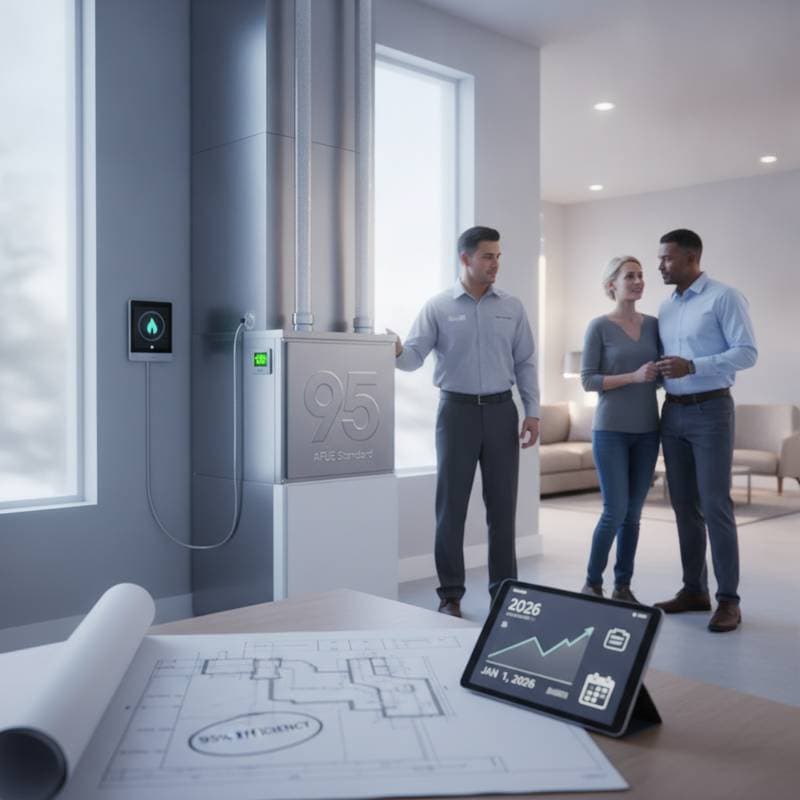
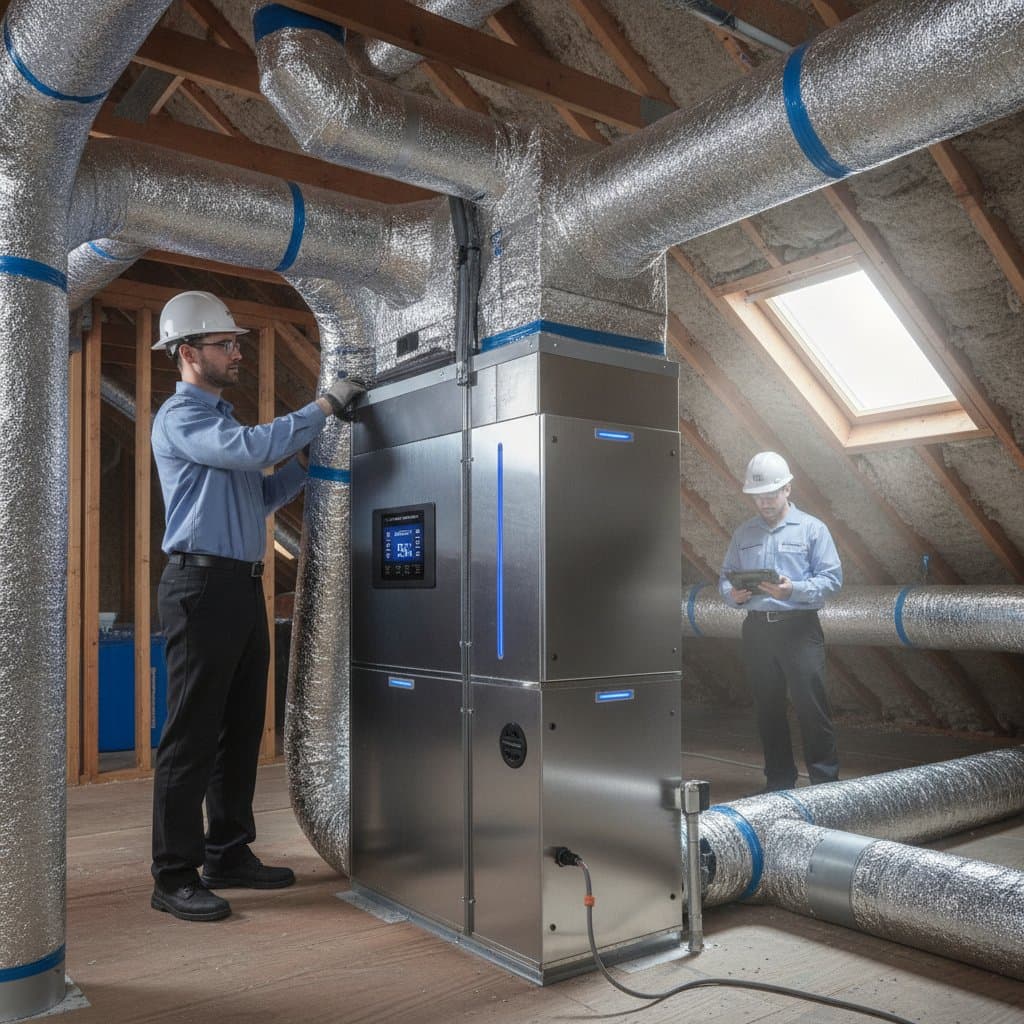
When you hire an HVAC contractor, expect a clear and structured process. The technician first assesses insulation, ductwork, and existing equipment. Next, they recommend the right heat pump and furnace combination for your climate and budget. Both units are then installed and connected to a shared control system. Testing confirms proper airflow, safe gas connections, and seamless switching. A final walkthrough teaches you how to operate and maintain the system.
This process typically takes a few days depending on home complexity.
Frequently Asked Questions
How much can a dual-fuel heat pump save me
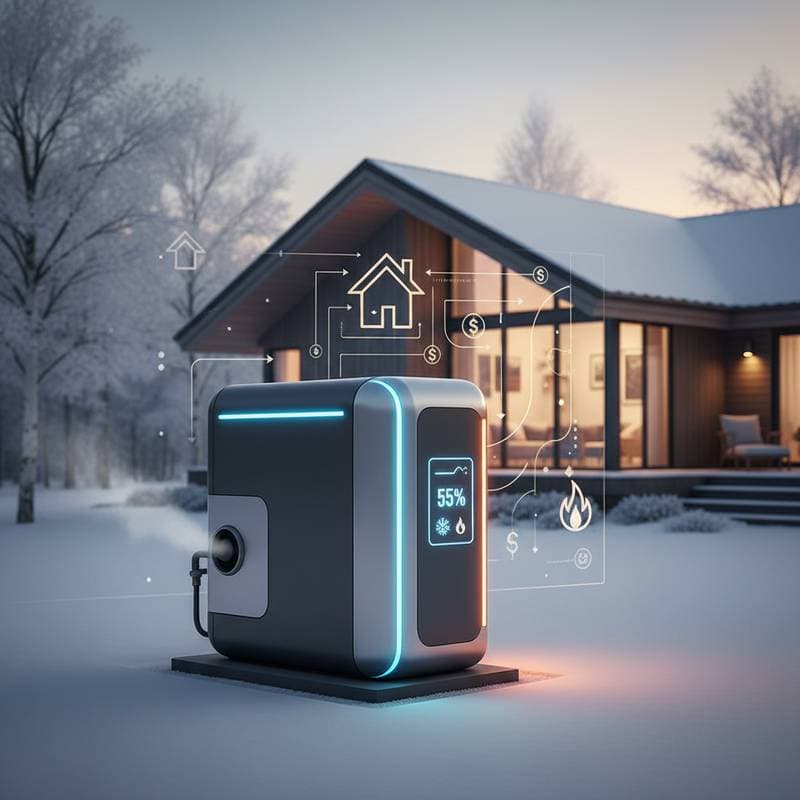
Homeowners often see heating cost reductions of up to 55 percent compared to traditional systems, especially in colder climates. Exact savings depend on local energy prices and the home insulation quality.
Can I install a dual-fuel system with my existing furnace
Yes. In many cases a dual-fuel heat pump can be paired with a compatible gas furnace. A technician confirms whether your current equipment supports this setup.
Are dual-fuel heat pumps environmentally friendly
Yes. They rely on electricity most of the time, which reduces fossil fuel consumption. When the furnace runs, it does so efficiently and cuts total emissions compared to single-fuel systems.
How long does a dual-fuel system last
With proper maintenance a dual-fuel system typically lasts 15 to 20 years. Regular professional inspections help maximize this lifespan.
Do dual-fuel systems work with smart thermostats
Yes. Most dual-fuel setups integrate easily with smart thermostats. This allows precise scheduling and remote control for added convenience.
Achieving Peak Performance From Your System
Schedule annual professional tune-ups to maintain efficiency. Monitor energy bills each season to spot changes early. Adjust thermostat settings seasonally for optimal fuel switching. These steps ensure continued comfort and sustained savings over many winters.