8 States Ban New Boilers: Heat Pump Alternatives Explained
What Does the Boiler Ban Mean and How Can Homeowners Adapt?
Several states now prohibit new gas boiler installations. This policy supports reduced fossil fuel consumption and promotes electric heating options. Heat pumps serve as the primary alternative because they deliver both heating and cooling through electricity.
Whole home heat pump installation costs typically range from 6000 dollars to 14000 dollars. Costs vary with system type, home size, and efficiency level. This guide outlines the policy impact, compares heat pump types, details pricing factors, and provides steps for homeowners.
Heat Pump Alternatives to Gas Boilers
Air Source Heat Pumps
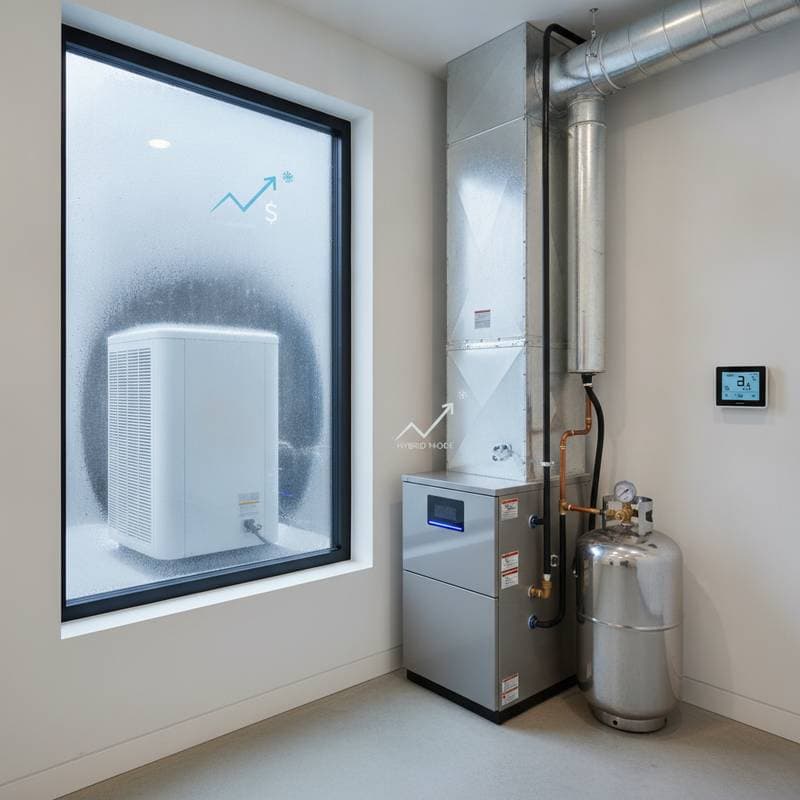
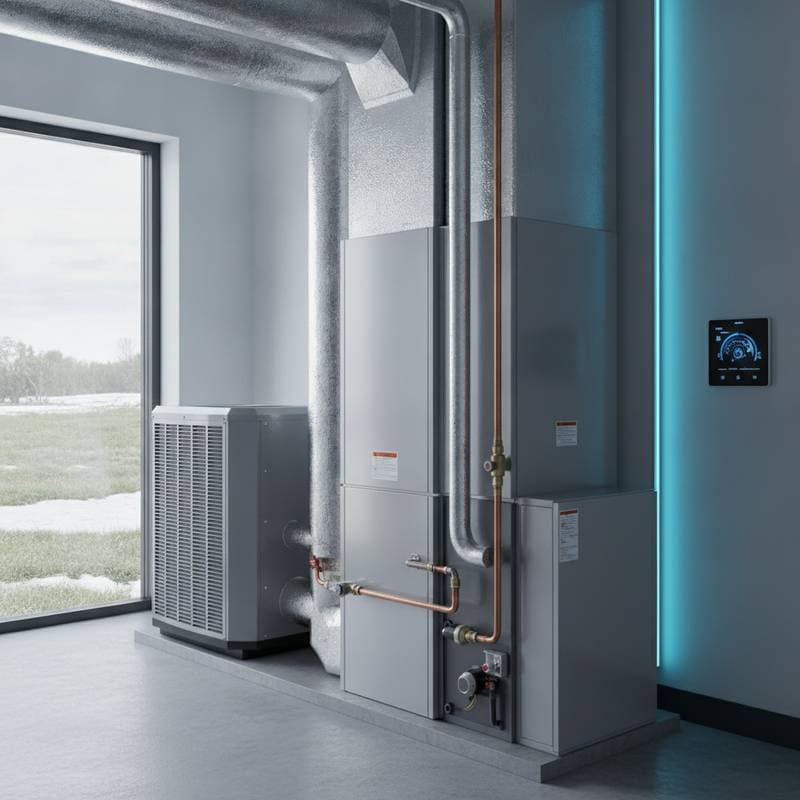
Air source heat pumps move heat between indoor and outdoor air with refrigerant cycles. They represent the most frequent boiler replacement.
- Standard models suit mild climates and cost 6000 dollars to 10000 dollars installed. They reach up to 300 percent efficiency.
- Cold climate models handle lower temperatures and cost 8000 dollars to 14000 dollars installed. They reach up to 250 percent efficiency.
Advantages include dual heating and cooling functions, reduced operating costs compared with gas, compatibility with existing ducts, and eligibility for rebates. Disadvantages include possible need for backup heat during extreme cold and higher initial expense.
Ground Source Heat Pumps
Ground source systems draw stable heat from underground loops. They deliver high efficiency across seasons.
- Horizontal loop configurations cost 12000 dollars to 25000 dollars installed and last 25 years or longer.
- Vertical loop configurations cost 15000 dollars to 35000 dollars installed and last 25 years or longer.
Advantages include superior efficiency, low maintenance, and substantial bill reductions. Disadvantages include elevated upfront cost and space requirements for ground loops.
Ductless Mini Split Heat Pumps
Ductless systems serve homes without ductwork. Each indoor unit manages a separate zone.
- Single zone units cost 3000 dollars to 6000 dollars installed and condition one area.
- Multi zone units cost 7000 dollars to 12000 dollars installed and condition two to five areas.
Advantages include adaptable placement, quiet performance, and precise zone control. Disadvantages include visible indoor units and potential need for multiple units in larger homes.
Factors Affecting Heat Pump Installation Cost
Home size influences system capacity and installation complexity. Properties with existing ducts usually incur lower costs than those requiring new ductwork.
System type determines base price. Air source units cost less than geothermal options, while ductless units fit smaller spaces well.
Labor rates differ by region. Urban locations often charge more due to permitting and workforce expenses.
Higher efficiency ratings increase purchase price yet lower monthly energy use. ENERGY STAR certified models qualify for maximum rebates.
Additions such as smart thermostats or duct sealing raise total cost but improve comfort and reduce waste.
Federal and state incentives can offset several thousand dollars. Homeowners should review local utility programs before purchase.
Heat Pump FAQs
How Long Does a Heat Pump Last?
Air source models operate 15 to 20 years with routine care. Geothermal models operate 25 years or longer. Filter replacement and annual coil cleaning extend service life.
Can Heat Pumps Work in Cold Climates?
Modern cold climate units maintain output below freezing. Auxiliary elements activate only during rare extreme lows to preserve comfort.
Are Heat Pumps Noisy?
Outdoor units produce a low hum. Indoor components remain nearly silent. Correct placement and upkeep keep sound minimal.
Do Heat Pumps Require Ductwork?
Ducted models connect to central systems. Ductless models use wall units and need no ducts. Either approach works in homes without existing ductwork.
How Much Can I Save by Switching?
Annual heating costs drop 30 percent to 60 percent after conversion from gas or oil. Actual savings depend on local rates and system performance.
What Maintenance Do Heat Pumps Need?
Owners replace filters every few months, inspect refrigerant levels, clean coils, and verify thermostat settings. Professional service once per year sustains efficiency.
Can I Keep My Existing Radiators?
Standard radiators need higher water temperatures than most heat pumps supply. Low temperature radiators or added air distribution resolve compatibility issues.
Questions to Ask Before Installation
Obtain multiple quotes and confirm the following points with each contractor:
- Contractor license and insurance status.
- Recommended system for local climate and home size.
- Reuse potential for existing ducts or radiators.
- Items included in the quoted price.
- Efficiency rating of the proposed equipment.
- Available local rebates or tax credits.
- Installation duration and required maintenance.
- Warranty coverage for parts and labor.
- Financing options.
Multiple bids clarify market rates and confirm installer experience with electric systems.
Planning the Switch to Electric Heating
State restrictions on gas boilers create a clear path toward efficient electric solutions. Heat pumps lower emissions, cut operating costs, and align homes with future energy standards. Homeowners who compare options, secure incentives, and select qualified installers complete the change with lasting comfort and reduced environmental impact.