8 States Banning Gas Furnaces in 2026: What It Means
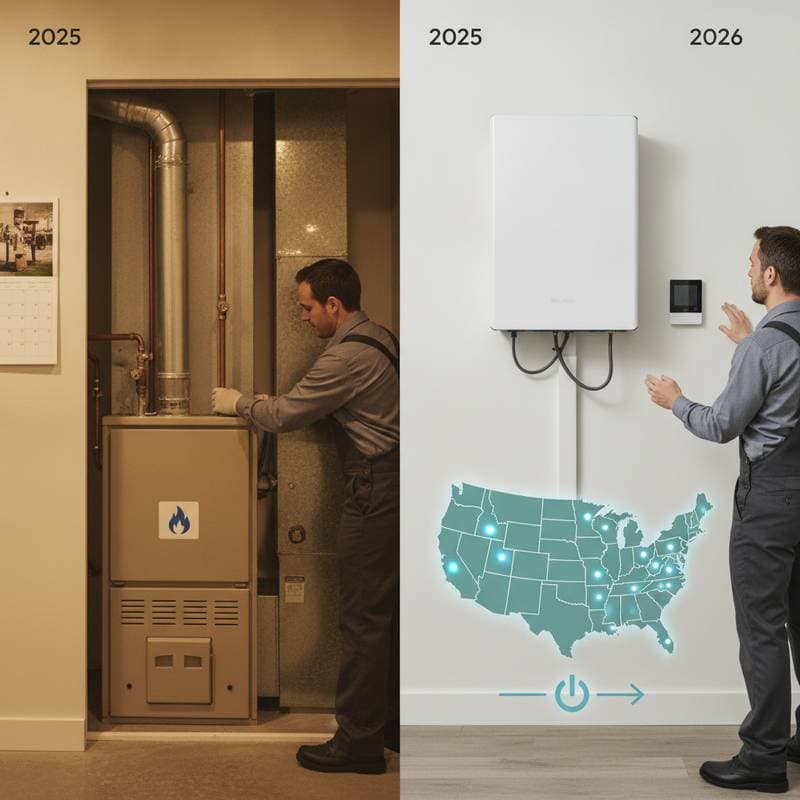
Several states are preparing to phase out traditional gas furnaces in favor of electric heating systems. The goal is to reduce carbon emissions and move toward cleaner energy solutions. For homeowners, this shift means rethinking heating options, installation costs, and long-term energy efficiency.
| Key Detail | Summary |
|---|---|
| States Involved | 8 states planning gas furnace restrictions |
| Effective Period | Starting in 2026 |
| Main Replacement | Electric heat pumps and high-efficiency electric furnaces |
| Homeowner Impact | New installation requirements and possible incentives |
Average Furnace Conversion Costs
Replacing a gas furnace with an electric heat pump or furnace can vary widely in cost. On average, homeowners spend between $6,000 and $12,000 depending on system size, efficiency level, and installation complexity. Converting older ductwork or upgrading electrical capacity may add a few thousand dollars to the total.
Electric heat pumps are often more expensive to install upfront, but they can cut heating costs by up to half when paired with good insulation and energy-efficient windows.
Key Factors That Affect Conversion Price
System Type and Size
Larger homes need higher-capacity systems, which increases both equipment and labor costs. A small single-level home might need a 2-ton system, while larger homes could require 4 tons or more.
Electrical Upgrades
Homes that currently rely on gas may need electrical panel upgrades to handle the new system power demand. This can add anywhere from $1,000 to $3,000 depending on the home existing setup.
Efficiency Rating
Systems with high SEER2 (cooling efficiency) and HSPF2 (heating efficiency) ratings cost more upfront but typically save money over time.
Labor and Permitting
Labor costs vary by region, and new electrification laws may require additional inspections. Expect professional installation to account for about half of the total project cost.
Types of Electric Heating Systems
Homeowners have several electric options to replace gas furnaces.
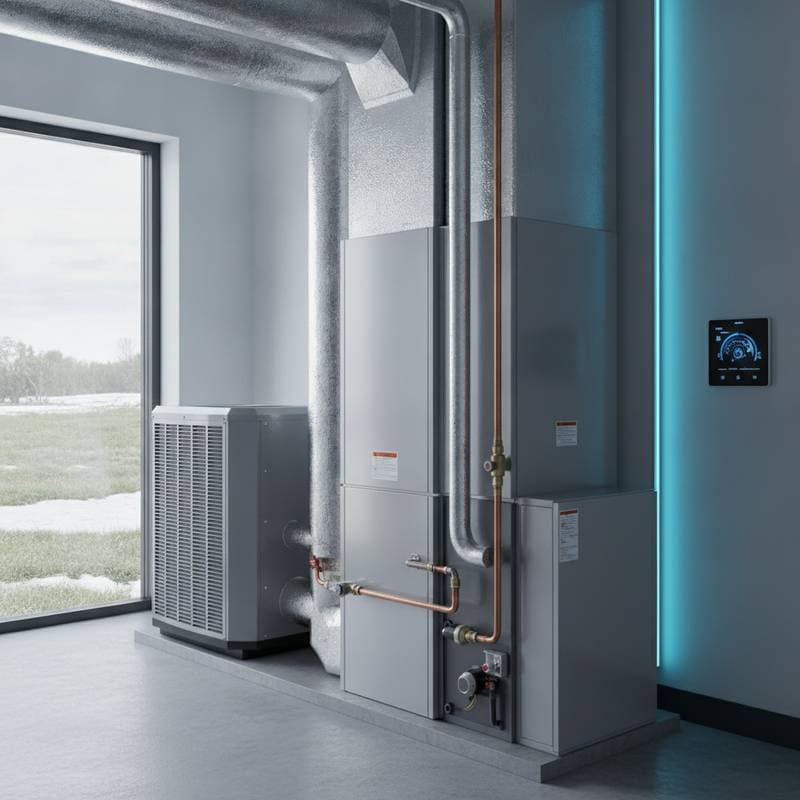
- Air Source Heat Pump: Transfers heat between indoor and outdoor air. Efficient in most climates, though less effective in extreme cold without supplemental heat.
- Ground Source (Geothermal) Heat Pump: Uses underground heat for stable efficiency. High upfront cost but very low operating expenses.
- Electric Furnace: Simple design and reliable, though often more expensive to operate than heat pumps.
Signs You Should Plan for a Change
- You live in one of the states planning gas restrictions.
- Your current furnace is over a decade old or needs frequent repairs.
- Your utility bills have been rising steadily.
- You are remodeling or adding central air conditioning.
- You want to qualify for future clean energy incentives.
The Furnace Replacement Process
- Energy Evaluation: A technician assesses your home heating needs and current ductwork.
- System Selection: Choose between a heat pump or electric furnace based on climate and efficiency goals.
- Electrical Work: Upgrade circuits or panels if needed.
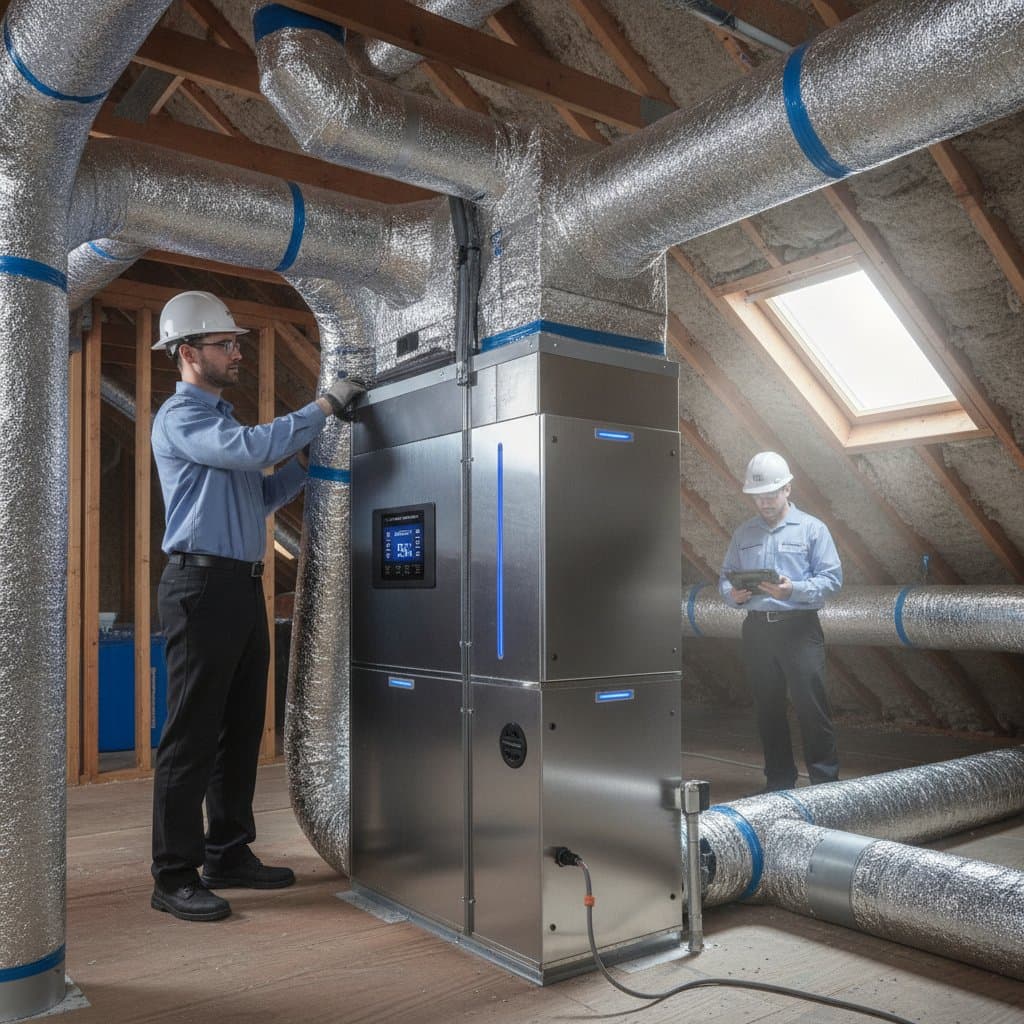
- Installation: The old gas furnace is removed and replaced with the new system.
- Testing and Inspection: The installer ensures airflow, temperature, and safety compliance.
Furnace Labor Costs
Labor expenses typically represent the largest portion of any conversion project. Regional rates, home accessibility, and required modifications all influence the final amount. Homeowners should obtain multiple quotes to compare both equipment and service pricing.
Frequently Asked Questions About Gas Furnace Bans
Will existing gas furnaces be removed?
No, most bans apply to new installations or replacements, not existing systems already in use.
Are there rebates for switching to electric?
Many states offer rebates or tax credits for heat pump installations and energy-efficient upgrades.
Will electric heating increase my energy bill?
It depends on your climate and insulation. Heat pumps are more efficient than electric furnaces and can reduce total energy use.
Can hybrid systems still use gas?
Some hybrid systems combine electric and gas heat sources, but new laws may limit future gas connections.
How long does installation take?
Most conversions take two to four days including electrical and duct modifications.
Preparing Your Home for Electrification
Homeowners who evaluate their current systems now can avoid rushed decisions later. Scheduling an energy assessment identifies potential upgrades early. Taking these steps positions households to benefit from available incentives and smoother transitions.