2026 HVAC Filters Built to Capture Wildfire Smoke
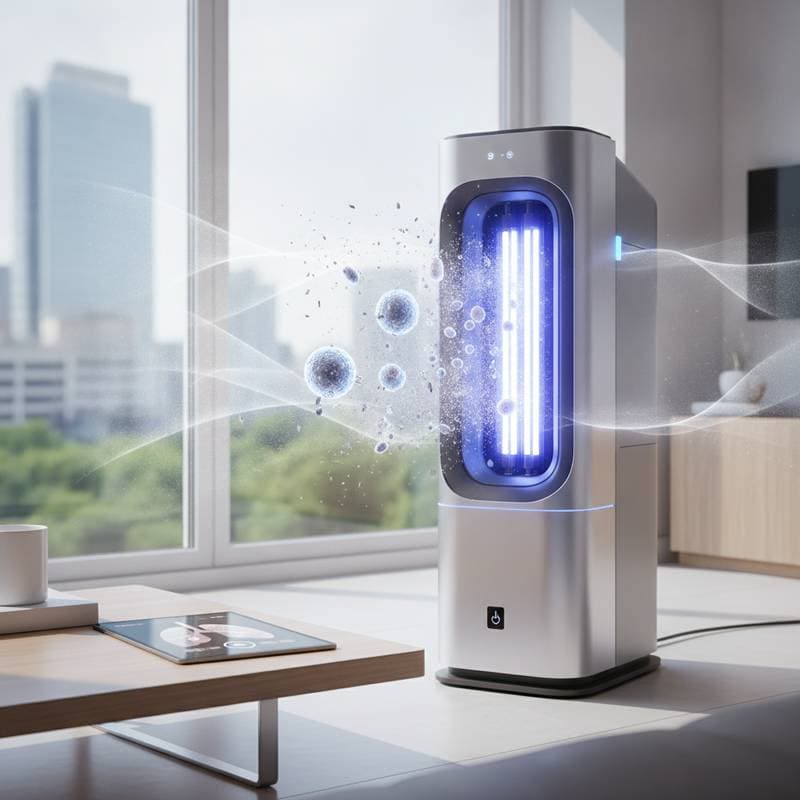
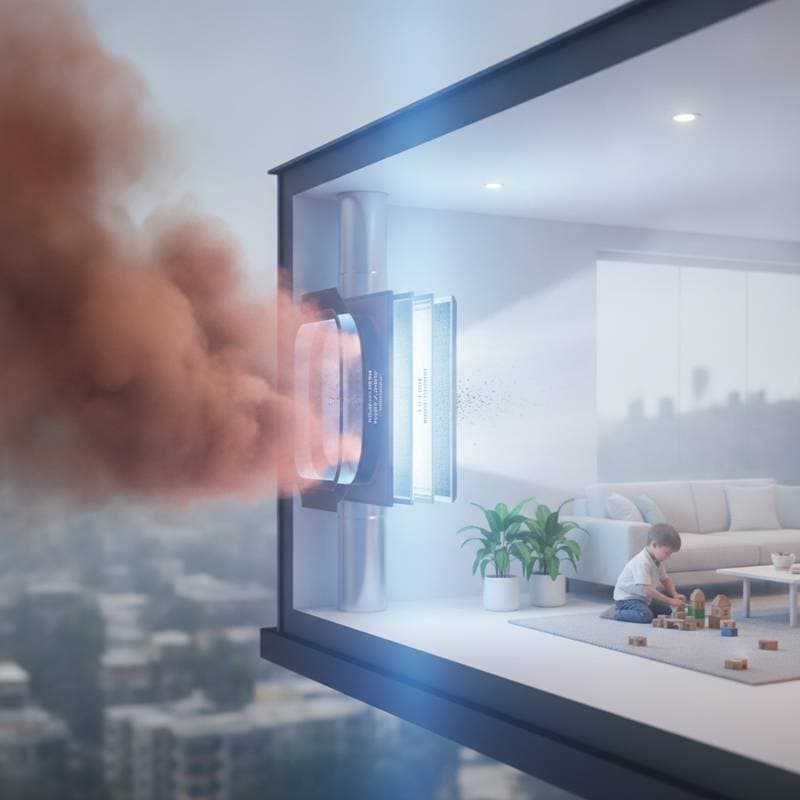
New HVAC filters for 2026 address wildfire smoke through high efficiency materials and optimized airflow. These options reduce fine particles and odors that enter homes during fire season. Homeowners in affected regions gain better indoor air quality and respiratory protection. The following sections detail operation, pricing, and selection steps.
| Key Specification | Typical Range or Detail |
|---|---|
| Filter Efficiency | MERV 13 to MERV 16 |
| Primary Use | Smoke, fine dust, and odor removal |
| Average Filter Cost | $25 to $120 per filter |
| Lifespan | 3 to 6 months, shorter with heavy smoke |
| Compatible Systems | Central HVAC, heat pumps, ducted mini splits |
Average Cost of High Efficiency Filters
Homeowners typically spend between $25 and $120 on a filter rated for wildfire smoke. Price varies with MERV rating, dimensions, and manufacturer. MERV 16 models that remove more than 95 percent of particles at 0.3 microns sit at the upper end. MERV 13 models deliver solid smoke capture at a lower cost.
Professional installation adds $150 to $250 per visit. This amount covers labor and a full system inspection. During extended smoke periods, many residents change filters more often than the standard schedule.
Factors That Influence Filter Price and Performance
Several elements determine both cost and results. Review each factor to match a product to your system and budget.
MERV Rating
The Minimum Efficiency Reporting Value shows particle capture ability. Filters rated MERV 13 or higher suit wildfire smoke.
- MERV 13 to 14 models handle most smoke particles, pet dander, and common allergens.
- MERV 15 to 16 models target particles smaller than one micron.
Higher ratings increase airflow resistance. Confirm system compatibility before purchase.
Material and Construction
Smoke targeted filters often combine pleated synthetic fibers with activated carbon. Pleated designs increase surface area for particle capture. Carbon layers reduce odors and volatile compounds. Multi layer versions provide the broadest protection.
Size and System Fit
Larger or custom sizes cost more. Common dimensions such as 16x25x1 or 20x25x4 remain easy to source. Check the furnace manual or existing filter label for exact requirements.
Replacement Frequency
Smoke accelerates filter loading. A filter that lasts six months under normal conditions may require replacement every one or two months during fires. More frequent changes raise annual filtration expense.
Brand and Standards
Premium products include third party testing. Seek filters that meet ASHRAE guidelines or carry HEPA grade labeling.
Filter Types for Smoke Conditions
Several designs address smoke. Each carries distinct advantages.
Pleated Synthetic Filters
-
Affordable and stocked at most suppliers
-
Balanced airflow and particle removal
-
Limited odor reduction
-
Require more frequent changes in smoke
Activated Carbon Filters
-
Strong odor and gas removal
-
Pair well with pleated layers
-
Higher purchase price
-
May need earlier replacement in dense smoke
HEPA Filters
-
Capture 99 percent or more of fine particles
-
Preferred for allergy or sensitivity concerns
-
Demand system modifications in many homes
-
Risk reduced airflow if mismatched
Electrostatic Filters
-
Reusable in select models
-
Use static charge for particle attraction
-
Less effective on fine smoke without carbon
-
Performance drops when loaded with debris
Indicators for Filter Upgrade
Watch for these signs that current filtration falls short.
- Lingering smoke smell inside the home
- Fine dust settling on surfaces
- Worsened respiratory symptoms
- Longer HVAC run times or weaker airflow
- Premature darkening or clogging of the filter
An upgrade to a higher MERV rating or added carbon layer often restores comfort.
Filter Replacement Steps
Follow this sequence for correct installation.
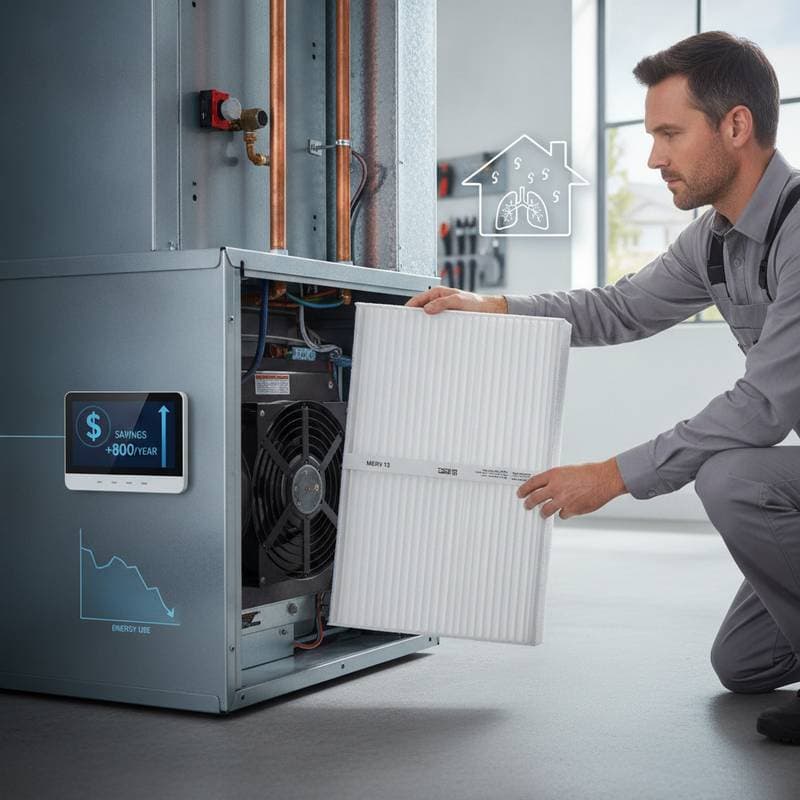
- Switch off the HVAC system.
- Open the filter compartment near the return duct.
- Remove the old filter and note airflow direction.
- Clean the compartment of loose dust.
- Insert the new filter with arrows aligned to airflow.
- Note the installation date.
- Restore power and verify normal operation.
Inspect filters weekly during smoke events. Replace any that appear dark or restricted.
Professional Installation Costs
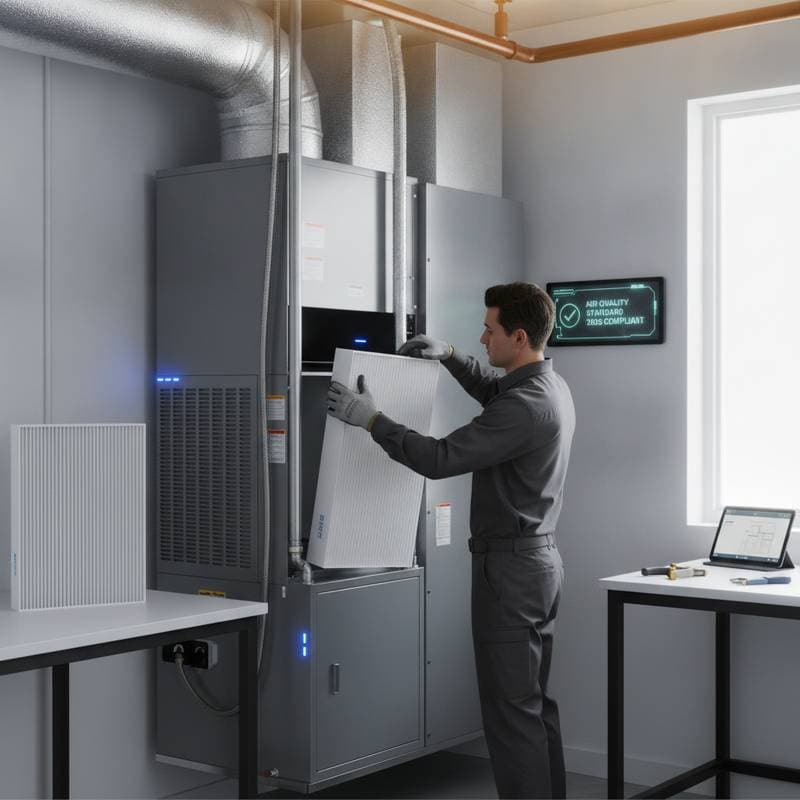
Technicians charge $80 to $150 per hour for replacement and inspection. The visit typically includes checks on the blower, ducts, and controls.
Common Questions
How do MERV 16 filters compare with HEPA filters?
MERV 16 units capture up to 95 percent of 0.3 micron particles. HEPA units reach 99 percent or higher. Most homes use MERV 16 filters for practical airflow balance.
Can an existing system accept a higher MERV filter?
Yes, after verification of static pressure. A technician can adjust fan speed if needed.
Do carbon filters eliminate smoke odor entirely?
They reduce odor substantially. Complete removal usually requires both filtration and extra ventilation.
How often should filters be changed in smoke season?
Plan for replacement every one to two months, or sooner if visibly soiled.
Are washable filters suitable for wildfire smoke?
Washable models miss many fine particles. Disposable pleated or carbon filters perform better.
Do portable purifiers add value?
Units with HEPA and carbon media provide extra protection in bedrooms during peak smoke.
Next Steps for Cleaner Indoor Air
Select a compatible MERV 13 to 16 filter, confirm system airflow capacity, and maintain a shorter replacement interval during fire season. These actions support both health and equipment longevity. Schedule a professional inspection to optimize performance.