Protect Your Home from Wildfire Smoke with UV-C Air Purifiers
Understanding the Threat of Wildfire Smoke and Indoor Air Quality
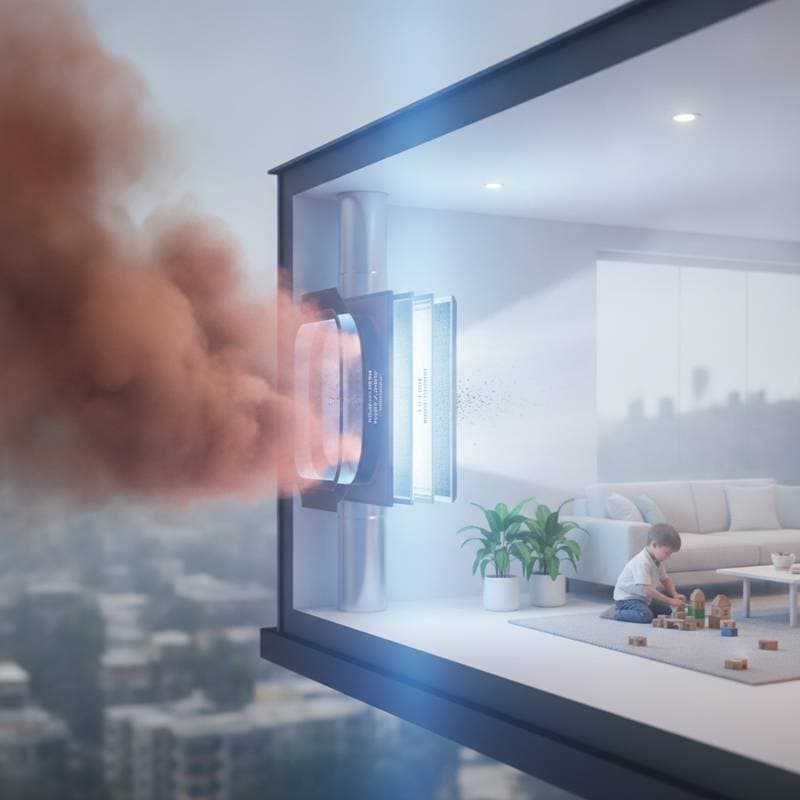
Wildfire seasons grow longer and more severe each year, spreading thick smoke over vast regions previously spared from such hazards. Homeowners face a significant challenge as this smoke infiltrates indoor spaces, compromising air quality despite sealed windows and doors. UV-C air purifiers, integrated into HVAC systems, provide a robust defense by neutralizing airborne threats and enhancing overall indoor environments.
This article explores the mechanics of UV-C technology, installation expenses, and advantages for residential use. Residents in fire-vulnerable zones or those seeking superior air purity benefit from these insights, enabling informed decisions for healthier living spaces.
The Science Behind UV-C Air Purification
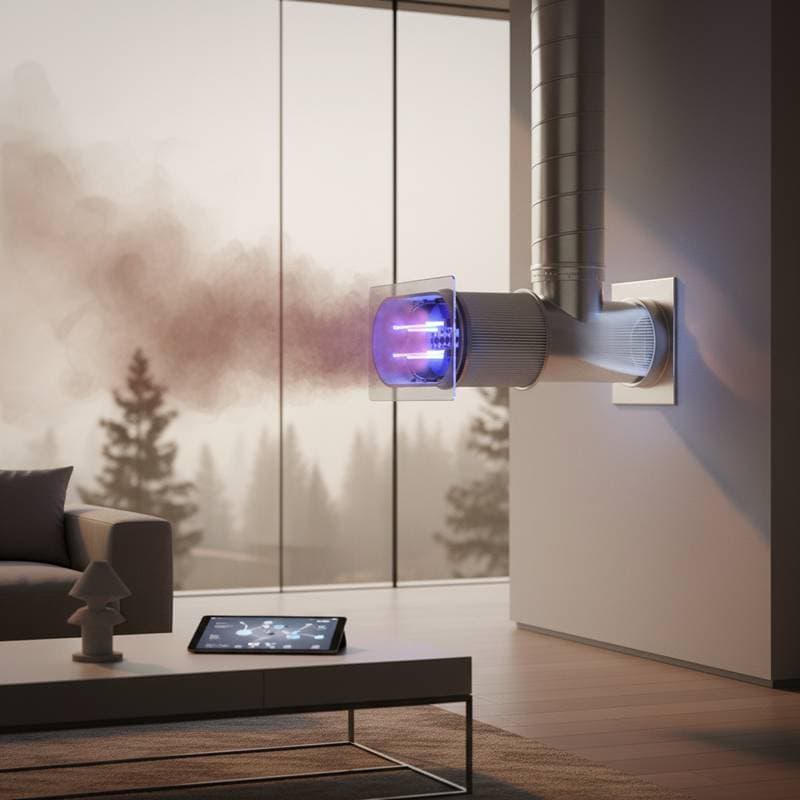
UV-C light operates at a precise ultraviolet wavelength that disrupts the genetic structure of microorganisms, rendering them harmless. Positioned within HVAC ductwork, this light treats air as it circulates through the system, targeting bacteria, viruses, and mold spores effectively.
Although UV-C does not capture particulate matter directly, its synergy with HEPA filters and activated carbon components addresses wildfire smoke comprehensively. HEPA filters trap fine particles like PM2.5, while activated carbon absorbs volatile organic compounds and odors. Key elements of a standard UV-C setup include durable bulbs secured in ducts, reflective enclosures to maximize exposure, and integrated safety mechanisms tied to the HVAC controls.
Homeowners notice reduced musty smells and fewer allergy triggers after implementation. Professional assessment ensures the system aligns with specific home layouts, optimizing performance during peak smoke events.
Factors Influencing UV-C Air Purifier Installation Costs
Budgeting for a UV-C air purifier requires consideration of multiple variables that affect both initial outlay and long-term value.
System Scale and Configuration
Whole-house installations exceed the price of standalone units, yet they deliver uniform coverage throughout the property. Homes with expansive square footage or complex layouts demand enhanced capacity, such as multiple UV-C lamps or advanced emitters, elevating expenses accordingly.
Accessibility and Labor Demands
Straightforward duct access minimizes labor time and costs. Conversely, vintage HVAC setups or confined spaces necessitate specialized tools, custom adaptations, and extended technician hours, which add to the total.
Component Durability and Features
High-grade UV-C bulbs offer extended lifespans and superior intensity, justifying a premium price through reliable contaminant neutralization. Systems with smart monitoring for bulb degradation further enhance efficiency but increase upfront investment.
Ongoing Upkeep Expenses
Bulb replacements occur annually or biennially, with costs spanning $50 to $200 based on specifications. Factor in professional inspections to verify output levels, preventing diminished efficacy over time.
Complementary Filtration Enhancements
Integrating HEPA or carbon filters alongside UV-C boosts smoke mitigation capabilities. These additions, while raising installation fees, yield substantial returns in air clarity during intense wildfire periods.
Average whole-home setups range from $500 to $1,500 for installation, excluding filters. Consult local providers for precise estimates tailored to regional labor rates.
Frequently Asked Questions About UV-C Air Purifiers
What Is the Recommended Replacement Interval for UV-C Bulbs?
Bulbs sustain optimal sterilizing output for one to two years under normal operation. Diminished intensity follows, impairing pathogen control. Timely replacements preserve system reliability and indoor safety.
Does UV-C Technology Eliminate Smoke Particles?
UV-C targets biological agents rather than physical particulates. For comprehensive wildfire smoke management, combine it with HEPA filtration to capture ultrafine particles and activated carbon to neutralize odors. This layered approach ensures thorough air cleansing.
Is UV-C Safe for Household Use?
Professional installation confines UV-C exposure to enclosed HVAC components, shielding residents and animals from direct radiation. Built-in safeguards, such as automatic shutoffs, reinforce operational security.
What Duration Does Installation Typically Require?
Skilled technicians finish most projects in two to four hours. Steps include securing the assembly, connecting electrical components, and conducting performance tests to confirm seamless integration.
Can UV-C Systems Enhance Overall HVAC Performance?
By inhibiting microbial growth on coils and surfaces, UV-C prevents efficiency losses from residue accumulation. Improved airflow results, potentially lowering energy consumption and extending equipment lifespan.
Securing Quotes and Selecting the Right UV-C System
Essential Inquiries for HVAC Professionals
- Which UV-C configuration suits my home size and existing HVAC design?
- Does this integrate smoothly with current filtration elements?
- What warranty coverage applies to bulbs and structural parts?
- What routine maintenance protocol do you suggest?
- Can the unit operate continuously via the fan setting, or only during active cycles?
- Do you provide options for supplementary filters targeting smoke?
- How frequently should bulbs undergo inspection?
- Are spare parts easily sourced from your supplier network?
- What protective measures does the enclosure incorporate?
- How might I track post-installation air quality gains?
Gather multiple quotes to compare value, emphasizing certified installers familiar with local building codes. Prioritize systems with proven track records in smoke-heavy environments.
Sustaining Long-Term Air Quality Benefits
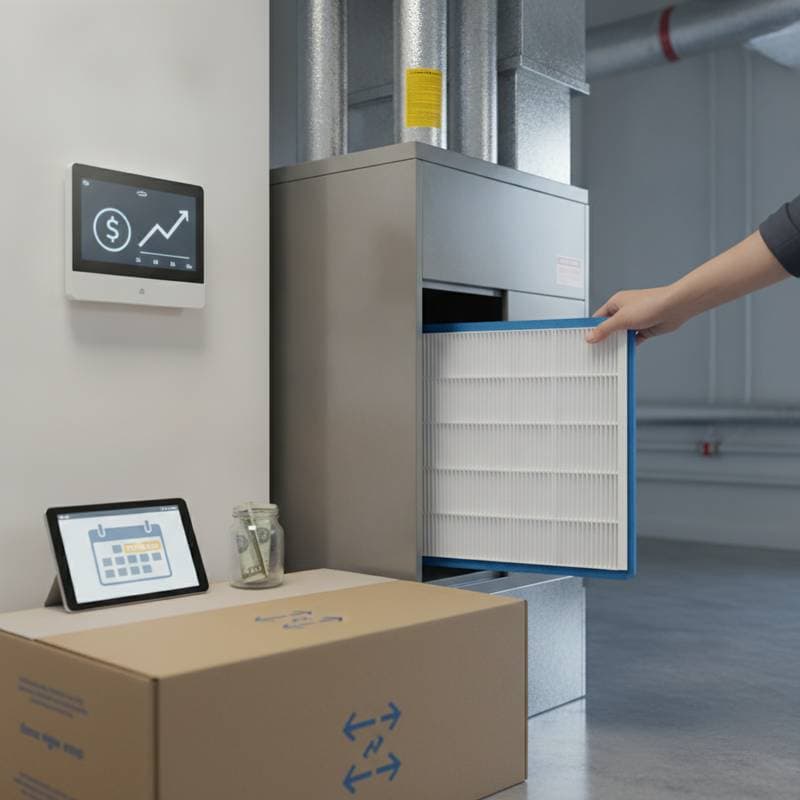
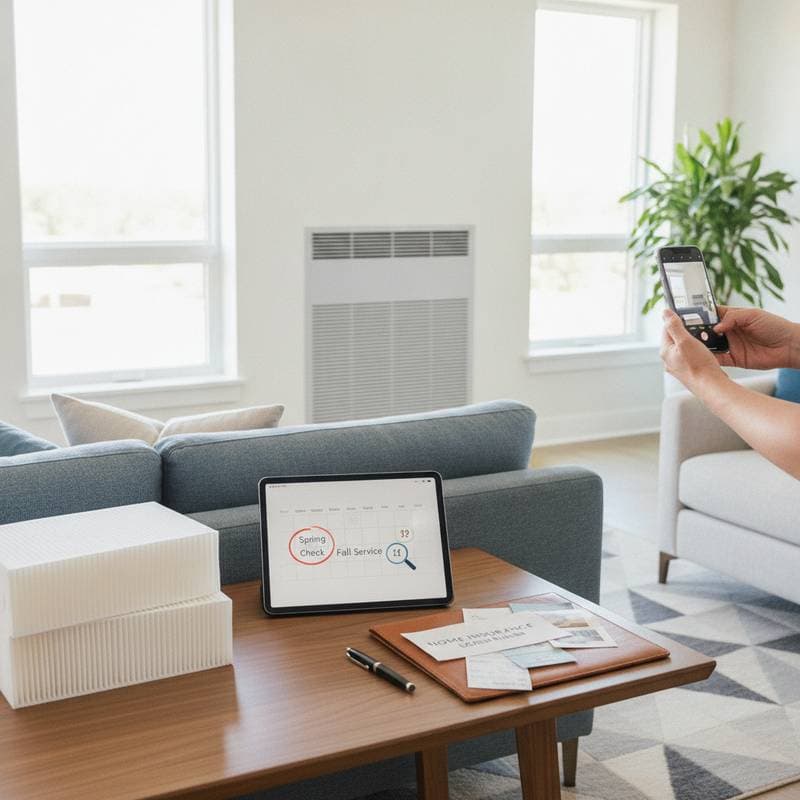
Regular upkeep forms the cornerstone of UV-C effectiveness. Schedule annual technician visits to clean housings, replace bulbs, and calibrate intensity. Monitor air quality with affordable home devices to quantify improvements, such as reduced particulate levels during smoke alerts.
Pair your UV-C investment with habits like sealing drafts and using exhaust fans, amplifying protection. These measures not only combat wildfire threats but foster a consistently healthful indoor atmosphere, supporting family well-being year-round.