Humidity Control Upgrades for Better Indoor Air Quality
Improving indoor air quality starts with managing moisture levels in the home. An HVAC system equipped with integrated humidity control maintains relative humidity between 30 and 50 percent. This range reduces allergens, prevents mold growth, and creates a more comfortable living space. Homeowners report fresher air and fewer respiratory irritations after installation.
How Integrated Dehumidification Improves Air Quality
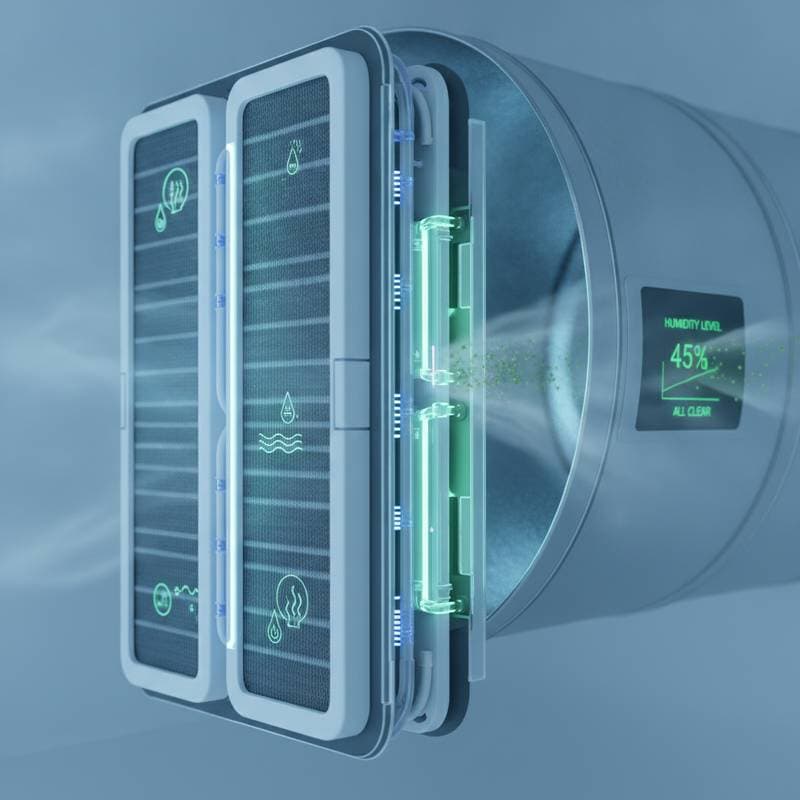
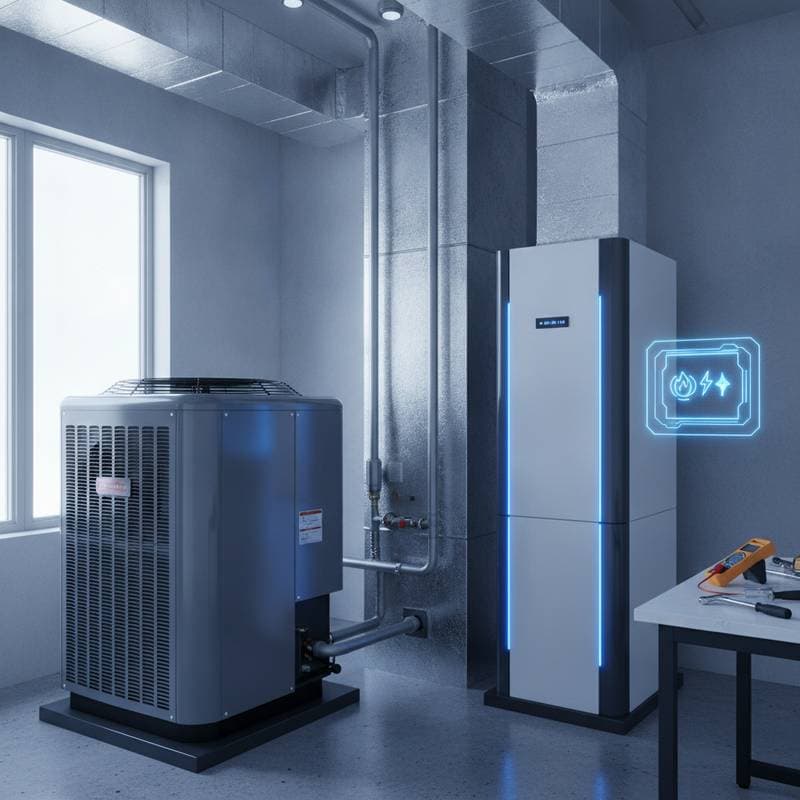
Whole-home dehumidifiers connect directly to existing ductwork and remove excess moisture from circulating air. The process prevents dust mites and mold spores from thriving while protecting wood floors, furniture, and electronics from warping. Balanced humidity also reduces odors caused by dampness. These systems operate automatically through sensors that activate the unit only when needed.
Typical Costs for Humidity Control Upgrades
Project costs depend on system type and home requirements. Whole-home dehumidifiers installed into ductwork average between 2000 and 4500 dollars. Complete HVAC replacements that include built-in humidity control range from 6000 to 12000 dollars. Smart thermostats with humidity sensors cost 250 to 600 dollars and pair with compatible equipment for precise adjustments.
| System Type | Average Cost | Description |
|---|---|---|
| Whole-Home Dehumidifier | 2000 to 4500 dollars | Connects to ductwork for whole-house moisture removal. |
| Integrated HVAC with Humidity Control | 6000 to 12000 dollars | Full system replacement featuring built-in dehumidification. |
| Portable Dehumidifier | 200 to 800 dollars | Suitable for single rooms only. |
| Smart Thermostat with Humidity Sensors | 250 to 600 dollars | Adds monitoring when paired with existing HVAC equipment. |
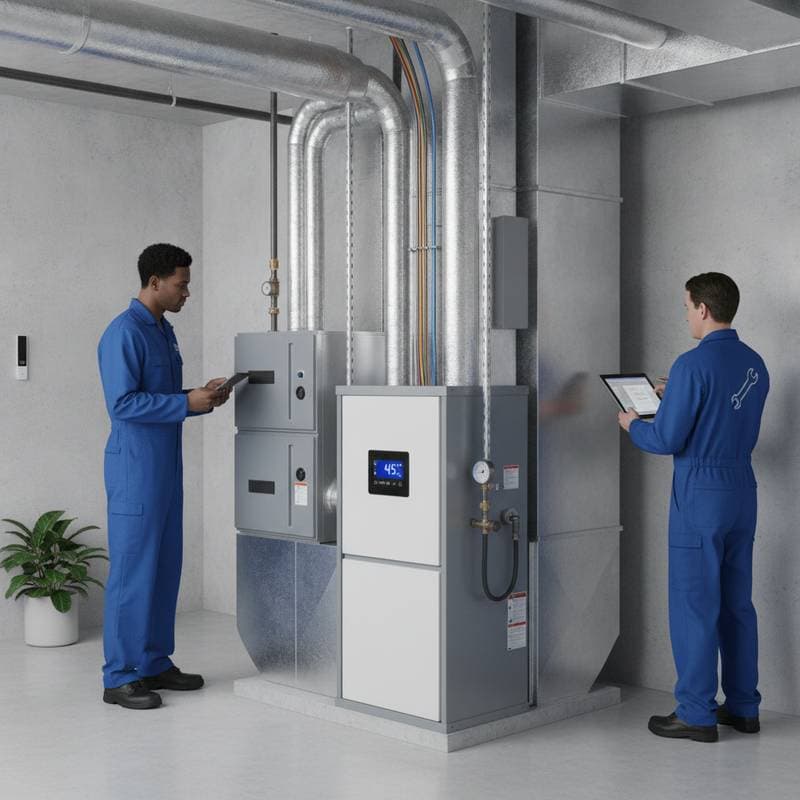
Professional installation ensures proper drainage and sensor calibration for reliable performance.
Key Benefits of Balanced Indoor Humidity
Stable moisture levels deliver measurable advantages for health and home maintenance. Respiratory symptoms decrease when air stays within the recommended range. Mold and mildew growth stops because excess water vapor is removed continuously. Air conditioners and furnaces experience less strain, which lowers energy use and extends equipment life. Homeowners notice surfaces stay cleaner and fabrics last longer.
Factors That Affect Project Pricing
Several variables determine final costs. Larger homes or those with high ceilings require higher-capacity units. Retrofitting older ductwork may involve extra labor for new drainage lines or wiring. Energy-efficient models with variable-speed compressors cost more initially yet reduce monthly utility expenses. Homes in humid regions need stronger equipment than those in drier climates. Adding air purifiers or UV lights increases total investment but further improves air cleanliness.
How These Systems Operate
Sensors measure current humidity and signal the HVAC unit or dehumidifier to engage when levels rise above the set point. Air passes over cooling coils that condense water vapor, which drains away through a dedicated line. Smart controls allow remote monitoring through mobile applications. This automation keeps conditions consistent without constant manual adjustments.
Practical Maintenance Steps
Regular service preserves system efficiency. Clean or replace filters according to manufacturer schedules. Inspect drain lines for clogs that could cause water backup. Schedule professional coil cleaning and sensor checks once or twice each year. These tasks prevent performance drops and moisture-related issues.
Questions to Discuss with Contractors
- Which system capacity matches the square footage and layout of the home?
- Will the existing HVAC equipment support a whole-home dehumidifier?
- Which efficiency ratings provide the best balance of upfront cost and long-term savings?
- How long does a typical installation require?
- What annual maintenance tasks are necessary?
- Are warranties or service agreements included?
- How will the upgrade influence monthly energy costs?
- Do local rebates apply to energy-efficient equipment?
- What humidity range will the system maintain automatically?
- Can smart controls integrate for remote access?
A properly sized humidity control upgrade improves daily comfort, supports respiratory health, and safeguards the home structure over time.