What the 2026 HVAC Codes Mean for Home Humidity Control
Understanding the Connection Between HVAC Codes and Indoor Moisture Management
The upcoming 2026 HVAC codes will reshape how builders, contractors, and homeowners approach humidity control and moisture management in residential spaces. These changes focus on improving indoor air quality, energy efficiency, and overall comfort by addressing how heating, ventilation, and air conditioning systems manage humidity levels year-round.
For homeowners, this means more than compliance with new standards. It impacts the way systems are designed, installed, and maintained. Proper humidity balance helps prevent mold, protect building materials, and enhance comfort.
This article explains what the 2026 HVAC codes mean for home humidity control, how they influence system design and installation, and what steps homeowners can take to stay ahead of regulatory and comfort expectations.
How Updated Codes Affect Home Humidity Control
Tighter Homes, Higher Expectations
Modern construction methods create homes that lose less air, which improves efficiency but challenges moisture regulation. The new codes address this by linking HVAC dehumidification capacity with home airtightness levels. Systems will need to remove moisture more effectively without overcooling indoor spaces.
Equipment Efficiency and Sizing
Humidity control depends on proper system sizing. Oversized units tend to short-cycle and fail to run long enough to remove moisture. The 2026 HVAC codes will require more precise load calculations that factor in local climate, insulation, and window performance. This ensures systems operate efficiently while maintaining stable humidity.
Smart Controls and Continuous Monitoring
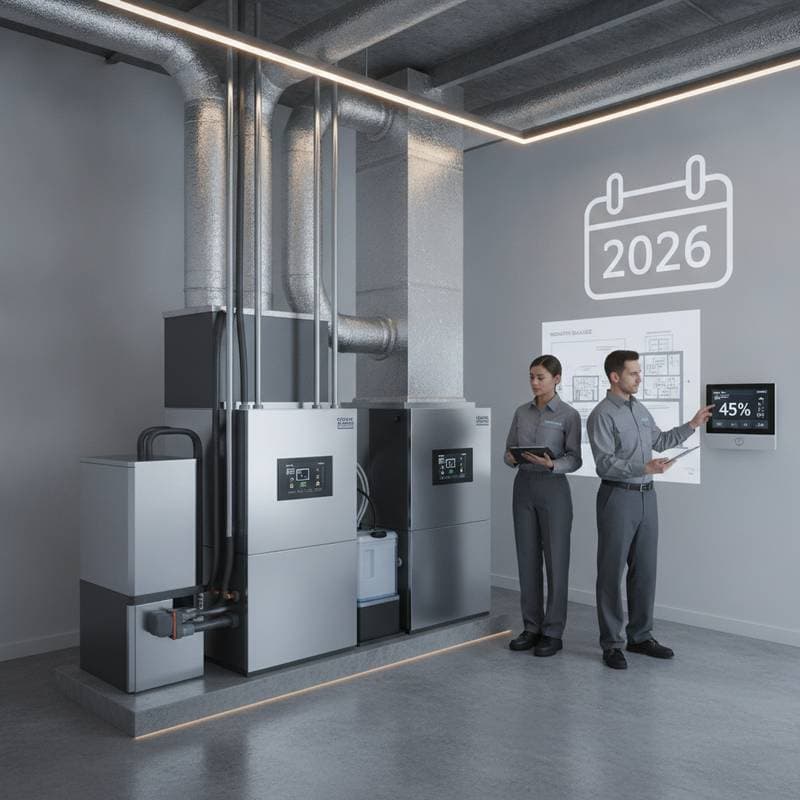
Expect requirements for humidity sensors integrated into thermostats and smart home systems. These controls will track indoor moisture levels and adjust fan speeds, compressor cycles, or ventilation rates automatically. Continuous monitoring will help homeowners maintain ideal humidity between 30 percent and 50 percent, as recommended for comfort and health.
2026 HVAC Code Factors That Influence Moisture Control
-
Climate Zone Requirements. The codes will tailor humidity control expectations to regional conditions. Homes in coastal or southern areas will need enhanced dehumidification, while dry regions may focus more on humidification and energy recovery balance.
-
Ventilation Rate Adjustments. Poor ventilation can trap moisture indoors. The new codes will define minimum ventilation rates based on occupancy and building size, ensuring enough air exchange to prevent mold and condensation while maintaining energy efficiency.
-
System Commissioning Standards. Commissioning ensures a system performs as designed. New protocols will require testing of humidity response rates, airflow balance, and system integration with building automation controls.
-
Energy Efficiency Ratings. Equipment will need to meet both energy and humidity performance metrics. This balance encourages manufacturers to design systems that remove moisture effectively without excessive energy use.
-
Condensation Control Measures. Codes will specify how ducts, windows, and insulation must handle condensation risks. Builders may need to install vapor barriers or upgrade duct insulation to comply.
Common Questions About the 2026 HVAC Humidity Standards
How will the new codes change how HVAC systems are designed?
Designers and contractors will need to consider humidity management from the earliest stages of system planning. Load calculations will include moisture loads, and system specifications will require dehumidifiers or energy recovery ventilators if the design cannot maintain proper humidity through standard cooling alone.
Will existing systems need to be replaced?
Not necessarily. Homeowners with relatively new systems can often retrofit humidity controls or add ventilation improvements to meet code expectations. However, older systems that lack variable-speed fans or humidity sensors may need upgrades to remain compliant and effective.
What humidity range will the codes target?
Although specific numbers vary by region, most standards point to an acceptable indoor relative humidity range of approximately 30 percent to 50 percent. This range minimizes microbial growth, protects finishes, and maintains comfort across seasons.
Can smart thermostats help meet the new requirements?
Yes. Smart thermostats equipped with humidity sensors and adaptive control algorithms can automatically adjust system operation for precise moisture management. They also help document compliance by tracking performance data over time.
How often should humidity control equipment be serviced?
Annual maintenance is recommended for all HVAC systems, including dehumidifiers and ventilators. Filters should be replaced regularly, and sensors should be calibrated to ensure accurate readings and optimal operation.
Hiring a Professional for Humidity Code Compliance
What to Expect from a Qualified Contractor
A licensed HVAC contractor familiar with the 2026 humidity standards can evaluate your home envelope, ventilation, and equipment to recommend adjustments or upgrades. They will also ensure that all components work together to maintain moisture balance while meeting efficiency targets.
Questions to Ask Before Hiring
- Are you familiar with the upcoming HVAC and building code updates?
- What equipment options best fit my climate and home size?
- How will you test my system for humidity performance?
- Do you offer humidity monitoring or smart control installations?
- What warranty covers the new components or controls?
- How can regular maintenance keep my system compliant?
- Will you provide documentation for code inspectors?
- What is the expected lifespan of the humidity control equipment?
- How can I improve indoor air quality while meeting humidity goals?
- Are financing or rebate programs available for upgrades?
Selecting the Right HVAC Professional
A qualified contractor provides the expertise needed to align equipment choices with local climate demands and code requirements. This partnership delivers systems that sustain balanced humidity, reduce energy costs, and support healthier indoor environments over time.