The 2026 Heat Pump Noise Rule Homeowners Must Not Ignore
The 2026 heat pump noise regulation will transform the installation, rating, and operation of outdoor HVAC units. Homeowners must verify that new systems adhere to enhanced sound restrictions. This policy targets neighborhood noise reduction and promotes adoption of quieter, higher-efficiency heat pumps. Grasping the regulation's mechanics and implications enables avoidance of expensive errors and supports informed buying choices.
| Key Information | Details |
|---|---|
| What It Is | A national standard capping outdoor heat pump noise levels |
| Applies To | Newly installed or replacement heat pumps |
| Primary Goal | Minimize residential noise pollution and elevate community well-being |
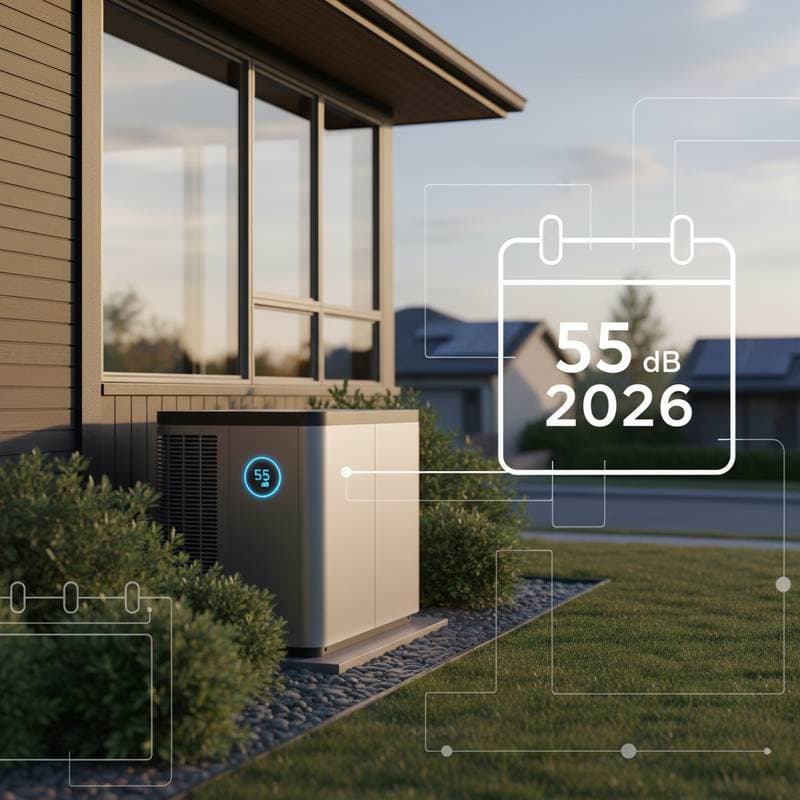
| Expected Noise Limit | 55 decibels or less at standard testing distances |
| Who Is Affected | Homeowners, HVAC contractors, and manufacturers |
| Recommended Action | Examine sound ratings prior to purchasing or replacing units |
Average Costs of Complying with the Heat Pump Noise Rule
Adhering to the noise regulation could alter heat pump installation expenses. Quieter units demand higher initial investment, yet superior efficiency and reduced neighbor disputes often balance these costs over time.
| Item | Average Cost Range |
|---|---|
| Standard Air-Source Heat Pump | $5,500 - $9,500 |
| High-Performance Quiet Model | $8,000 - $14,000 |
| Ductless Mini-Split System | $4,000 - $10,000 |
| Installation Adjustments for Noise Compliance | $1,000 - $3,000 |
| Noise Barriers or Enclosures | $500 - $2,000 |
Costs fluctuate based on system capacity, regional factors, and contractor fees. Selecting models with built-in low-decibel performance proves more economical than modifying legacy systems.
Key Factors That Affect Heat Pump Noise Levels
Multiple elements determine a heat pump's sound output. Identifying these aids in selecting units that satisfy comfort needs and regulatory thresholds.
Unit Size and Capacity
Bigger heat pumps process greater airflow volumes, which elevates noise generation. Oversized units cycle intermittently, producing abrupt sound spikes. Conduct a precise load calculation for your residence to secure steady, subdued performance.
Compressor and Fan Design
Advanced compressors incorporate variable-speed mechanisms that modulate power smoothly, avoiding abrupt activations. Such features maintain consistent low noise across operational periods. Aerodynamically optimized fan blades minimize airflow turbulence and associated mechanical sounds.
Installation Location
The positioning of the outdoor unit significantly shapes audible noise. Proximity to windows or solid barriers causes sound reflection and amplification. Position units several feet from occupied spaces, buffered by sound-absorbing vegetation or materials.
Energy Efficiency Rating
Systems boasting elevated SEER2 or HSPF2 scores integrate refined parts for quieter function. These enhancements align with noise mandates while trimming energy expenses. Prioritize efficiency to achieve dual benefits in compliance and savings.
Brand and Build Quality
Reputable manufacturers engineer products to surpass rigorous international and local noise criteria. Features like sound-insulated compressor casings, anti-vibration mounts, and reduced-speed fans enhance silence. Though pricier, these units rarely require alterations for regulation adherence.
Types of Heat Pumps and Their Noise Performance
Various heat pump categories yield distinct noise profiles. Selection depends on home configuration and desired outcomes.
Air-Source Heat Pumps
- Pros: Widely available, cost-effective, and suitable for standard residences; recent models operate at 50-60 decibels.
- Cons: Noise rises during defrost operations or harsh weather conditions.
Ductless Mini-Split Systems
- Pros: Remarkably silent, with outdoor components under 50 decibels; perfect for retrofits or duct-free homes.
- Cons: Several units demand strategic placement to prevent cumulative sound buildup.
Ground-Source (Geothermal) Heat Pumps
- Pros: Virtually noiseless, as compressors reside indoors or subterranean; deliver peak efficiency.
- Cons: Substantial upfront costs and extensive groundwork.
Hybrid Heat Pumps
- Pros: Merge electric and gas elements for versatility and compressor relief; produce moderate noise.
- Cons: Involve intricate setup and upkeep routines.
Split-System Heat Pumps
- Pros: Prevalent in homes, balancing affordability and ease.
- Cons: Sound hinges on outdoor component caliber and site placement.
Signs Your Current Heat Pump May Not Meet the New Standard
Older installations likely surpass forthcoming decibel caps. Monitor these indicators to determine if replacement looms:
- Outdoor unit generates prominent sound audible indoors
- Neighbors report disturbances from your HVAC
- Compressor exhibits rattling, humming, or vibration
- Startup involves clanging or metallic tones
- Unit locates near boundaries or common walls
- Maintenance fails to curb running noise
Early detection facilitates timely upgrades ahead of enforcement.
The Heat Pump Installation Process Under the Noise Rule
Noise compliance reshapes contractor approaches to system deployment. Anticipate these phases in a regulation-aligned setup.
-
Initial Assessment
Technicians inspect site layout, required setbacks, and prevailing ordinances. They gauge intervals to adjacent buildings and openings. -
System Selection
Evaluate decibel specifications across models. Labels indicate tested levels under controlled scenarios; contractors suggest compliant variants. -
Site Preparation
Modify the zone as needed, incorporating vibration dampeners, sound shields, or relocations from echo-prone areas. -
Professional Installation
Secure the unit on a firm, even base. Align components precisely and fasten lines to eliminate vibrational hums. -
Testing and Verification
Post-setup, measure acoustics at prescribed ranges. Fine-tune fans or compressors to attain desired sound thresholds. -
Documentation and Compliance
Local authorities may mandate proof of adherence. Installers furnish records for approvals or reviews. -
Follow-Up Maintenance
Routine servicing preserves quietude. Tasks include coil decontamination, panel securing, and mount inspections to avert noise progression.
Heat Pump Labor Costs
Labor for compliant heat pump setups ranges from $2,000 to $4,500, influenced by complexity and terrain. Densely populated zones with stringent rules may extend efforts. Upgrades to pads or wiring inflate totals. Engage certified experts to guarantee seamless integration without revisions.
Frequently Asked Questions About the Heat Pump Noise Rule
How will the new rule affect existing heat pumps?
Existing installations typically receive grandfathering, permitting continued use until renewal. Excessive volume or code breaches might necessitate prompt alterations or swaps.
What decibel level is considered acceptable for residential areas?
Regulations often cap daytime residential noise at 55 decibels, akin to subdued dialogue. The heat pump guideline anticipates matching or undercutting this benchmark.
Can I make my current heat pump quieter without replacing it?
Affirmative. Apply compressor wraps, vibration isolators, or sound fences to substantially dampen output. These measures extend viability pending full overhaul.
Do quieter heat pumps cost more to operate?
Negative. Variable-speed elements in silent designs curb power use. Efficiency-focused engineering yields long-term bill reductions.
Will the new rule make installation take longer?
Possibly. Site sound evaluations and record-keeping add phases. Established contractors integrate these seamlessly, limiting postponements.
Are all manufacturers required to comply?
Yes. U.S.-market producers must adopt updated testing and labeling upon activation, standardizing across offerings.
How can I verify a heat pump’s sound rating?
Review technical datasheets or EnergyGuide tags. Ratings reflect pressure levels in standardized tests. Contractors clarify figures against locale mandates.
Steps to Secure Compliance and Comfort
The 2026 noise regulation presents a chance for serene, optimized living spaces. Proactive steps yield systems that fulfill mandates and elevate daily ease.
Audit your present unit's acoustics, engage HVAC specialists, and survey advanced low-noise options. Solicit varied bids to weigh expenses alongside auditory merits. Attain tranquil operation, savings, and regulatory alignment through deliberate choices and expert input.