Why Hybrid Heat Pumps Dominate 2026
Homeowners seek smarter methods to heat and cool residences amid escalating energy prices and heightened environmental consciousness. Traditional furnaces and air conditioners often fall short in balancing efficiency and performance. Hybrid heat pumps, also known as dual fuel systems, integrate electric and gas technologies to provide superior comfort, reduced expenses, and dependable operation. This article explores their mechanics, advantages, and implementation details.
Understanding Hybrid Heat Pumps
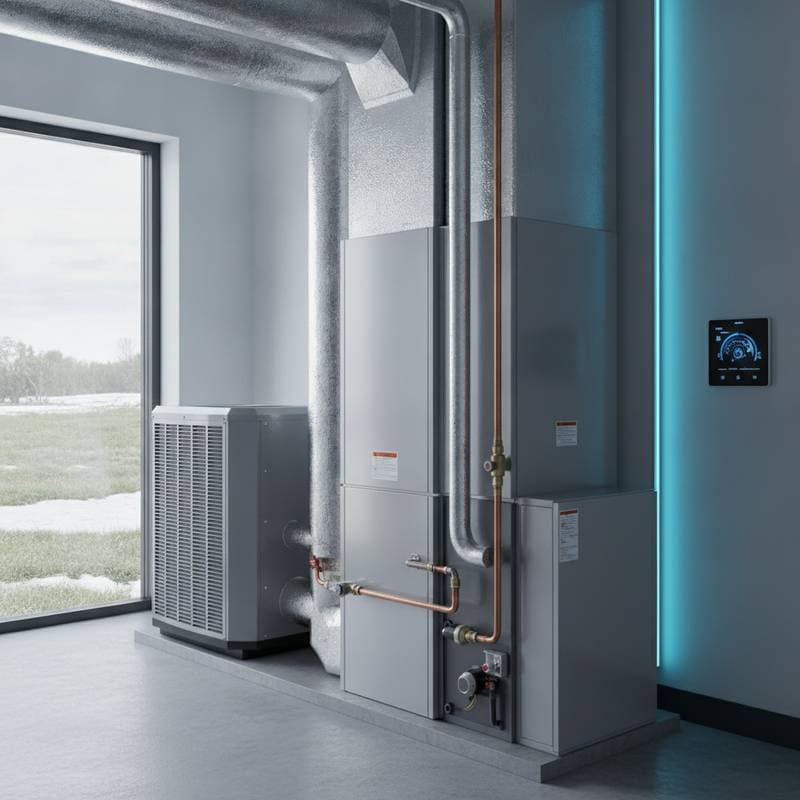
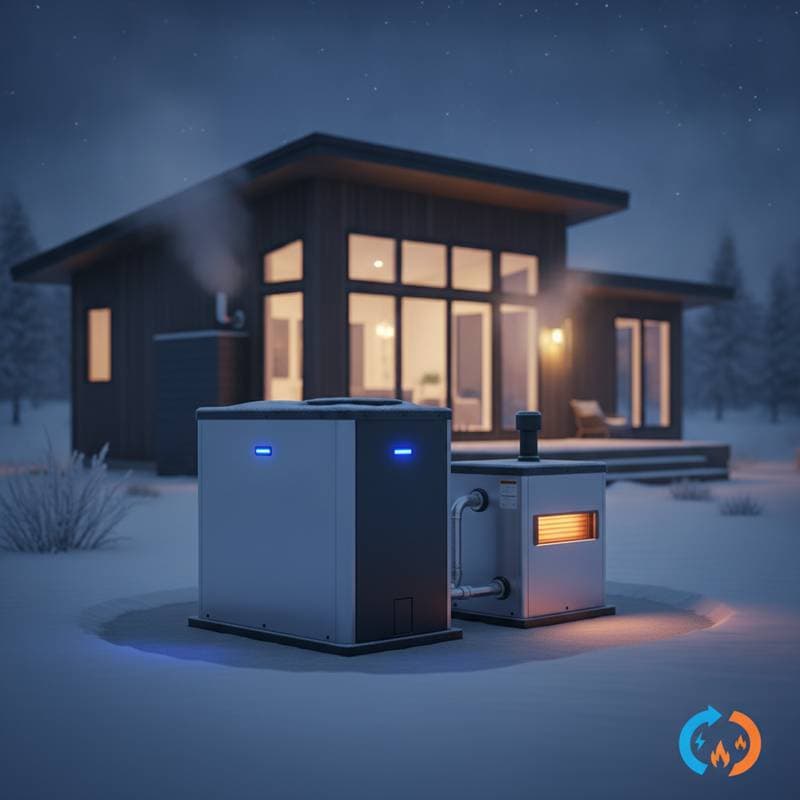
A hybrid heat pump functions as a dual fuel heating, ventilation, and air conditioning system. It pairs an electric heat pump, which manages primary heating and cooling via electricity, with a gas furnace that activates during suboptimal conditions for the heat pump. Electricity powers the system for most operations, while the gas component engages when efficiency declines, such as in subfreezing temperatures.
This setup maintains consistent indoor temperatures across seasons and minimizes reliance on a single energy type. Automatic controls monitor outdoor conditions and switch fuels seamlessly to optimize performance and costs. Homeowners benefit from a versatile solution that adapts to varying demands without manual intervention.
Reasons Homeowners Select Hybrid Systems
Hybrid heat pumps gain traction by resolving core issues of energy use and system dependability. Electric heat pumps excel in moderate weather but falter in severe cold, where gas furnaces deliver robust output yet higher consumption. The integration achieves equilibrium, ensuring steady comfort while controlling expenses.
Key benefits include:
- Cost savings through selection of the cheaper fuel based on real-time conditions.
- Comprehensive climate control for summer cooling and winter heating.
- Lower emissions by prioritizing electricity, which often derives from renewable sources.
- Reliable operation with gas support during harsh weather events.
- Extended equipment durability as components alternate duties, reducing strain.
These factors position hybrid systems as a forward-thinking option for residential HVAC needs.
Indicators for Upgrading to a Hybrid Heat Pump
An aging or underperforming heating setup signals the potential value of a hybrid installation. Persistent increases in utility statements occur even after routine servicing. Inconsistent temperatures lead to discomfort in different rooms.
Frequent breakdowns demand expensive fixes on existing units. Residences in areas with variable weather, including frigid winters and temperate periods, amplify these challenges. A desire to lessen fossil fuel dependence while preserving reliability further supports the transition.
Professionals assess these symptoms during consultations to recommend tailored solutions.
Elements Influencing Hybrid Heat Pump Expenses
Installation prices for hybrid heat pumps fluctuate based on multiple variables. System capacity scales with home size; larger properties necessitate robust units to cover extensive areas effectively.
Efficiency ratings determine initial outlays: superior models, often with SEER or HSPF scores above 16, incur higher costs but yield substantial long-term savings. Brand selections and extras, like smart diagnostics or modulating fans, add to the total.
Labor intensifies with complex retrofits, such as integrating new vents into legacy structures. Regional weather patterns dictate backup strength; extreme climates require enhanced gas components for peak performance.
Typical investments range from $6,000 to $12,000, inclusive of equipment and setup. Obtaining estimates from certified providers ensures accurate budgeting and optimal configuration.
Comparing Hybrid Heat Pumps to Conventional Options
Evaluating hybrid systems against alternatives highlights their superiority in versatility and economy.
Versus Standalone Electric Heat Pumps
Pure electric models perform adequately in temperate zones but efficiency plummets below 30 degrees Fahrenheit, raising operational costs. Hybrids mitigate this with gas augmentation, sustaining output without excessive electricity draw.
Versus Gas Furnaces Alone
Gas units excel in rapid, intense heating yet lack cooling capabilities, necessitating additional appliances. Hybrid configurations consolidate functions, streamlining energy use and simplifying maintenance.
Versus Dedicated Central Air Conditioners
Air conditioners focus solely on cooling, leaving heating to separate systems. Hybrids unify both processes, offering a consolidated, space-efficient alternative that enhances overall home efficiency.
Steps in Hybrid Heat Pump Installation
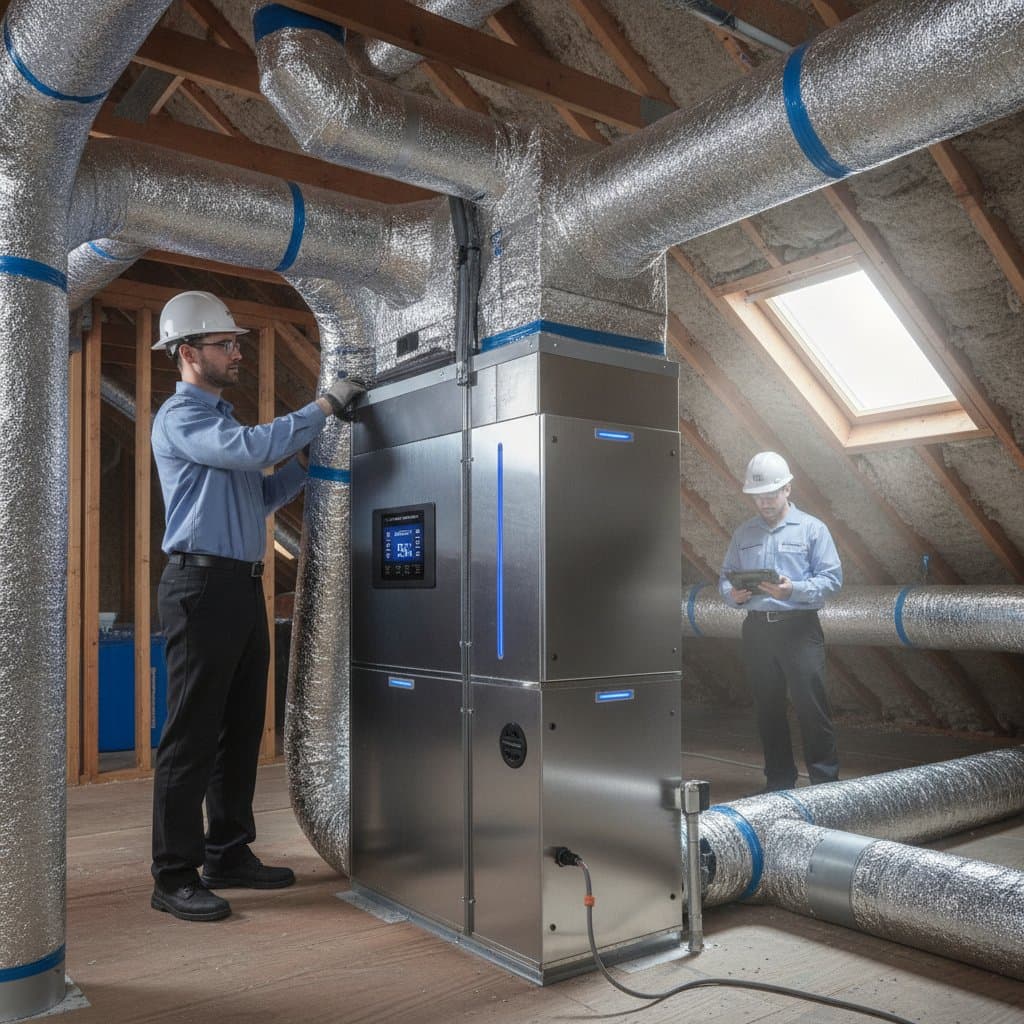
Engaging qualified HVAC specialists streamlines the process for optimal results. Initial assessments examine existing infrastructure, including ducts, wiring, and space constraints.
Load calculations determine precise sizing to match home needs without oversizing, which wastes resources. Selection involves pairing compatible heat pump and furnace models suited to local conditions.
Technicians then mount components, integrate controls, and link to the thermostat for automated operation. Final testing verifies seamless fuel transitions and balanced airflow.
Certified installers guarantee compliance with codes and maximize system longevity through precise setup.
Frequently Asked Questions
How Does a Hybrid Heat Pump Determine Fuel Switching?
Integrated sensors track ambient temperatures against programmed thresholds. Below efficient operating levels, typically around 30 degrees Fahrenheit, the gas furnace activates to preserve performance without efficiency losses.
Is Retrofitting an Existing Furnace Feasible?
Many installations incorporate current gas units by appending a suitable heat pump. Experts review compatibility and adjust controls for integrated function.
Do Maintenance Costs Exceed Those of Standard Systems?
Expenses align closely with conventional setups. Annual inspections, filter replacements, and coil servicing prevent issues and sustain peak operation.
What Efficiency Levels Do Hybrid Heat Pumps Achieve?
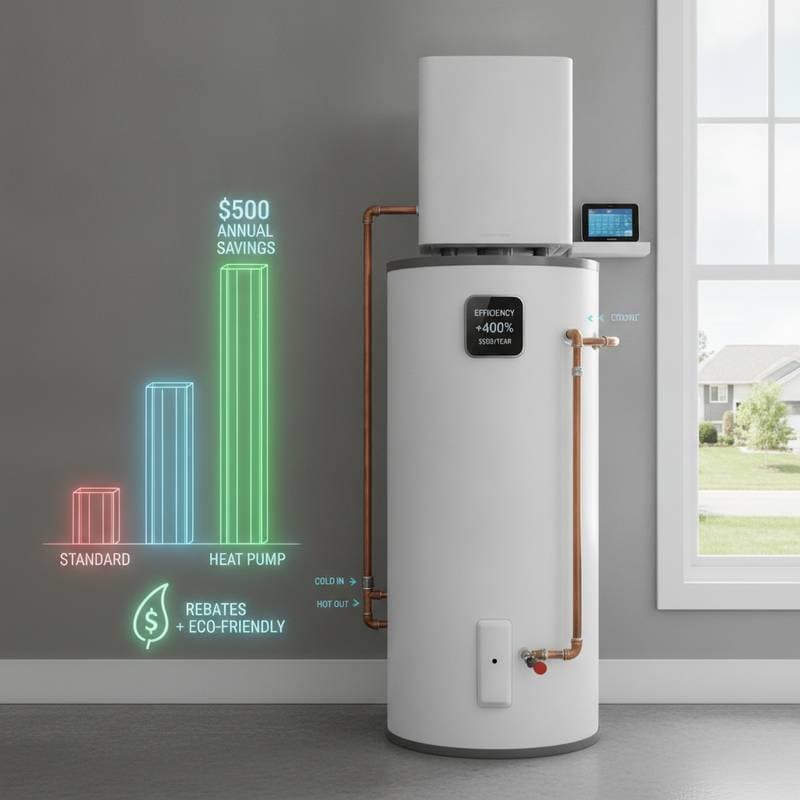
These systems rank highly, often exceeding 300% efficiency in heating mode via electricity, with gas providing supplemental support to minimize overall consumption.
Are Smart Thermostats Compatible?
Integration proves straightforward, enabling app-based monitoring, automated adjustments, and energy reports for enhanced user control.
Achieve Efficiency with a Hybrid Upgrade
Transitioning to a hybrid heat pump equips homes for sustainable comfort. Professional evaluations identify ideal setups, while incentives may offset costs. Contact local experts to explore options and secure lasting savings.