8 States Requiring Electric Heat Pumps by 2026
States across the country continue to advance clean energy policies that favor electric heating and cooling. Homeowners in select regions face new rules that promote heat pumps over fossil fuel systems. Understanding these changes helps with planning upgrades, managing costs, and maintaining comfort.
What HVAC Electrification Involves
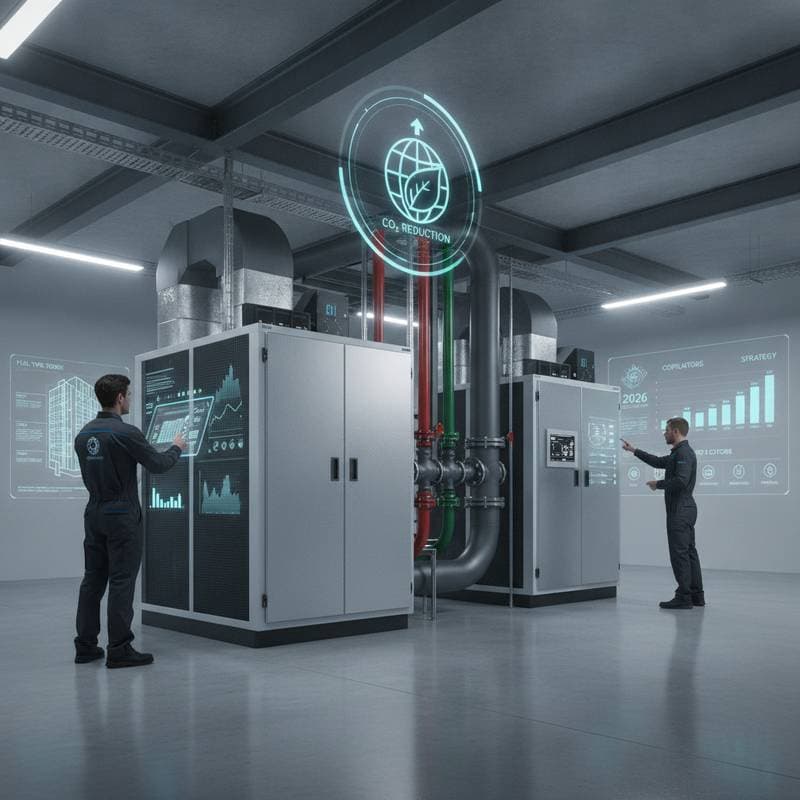
HVAC electrification replaces natural gas or oil furnaces with electric heat pumps. These systems move heat rather than create it through combustion. Modern units operate efficiently in cold weather and provide both heating and cooling from a single piece of equipment.
States Preparing for Mandates
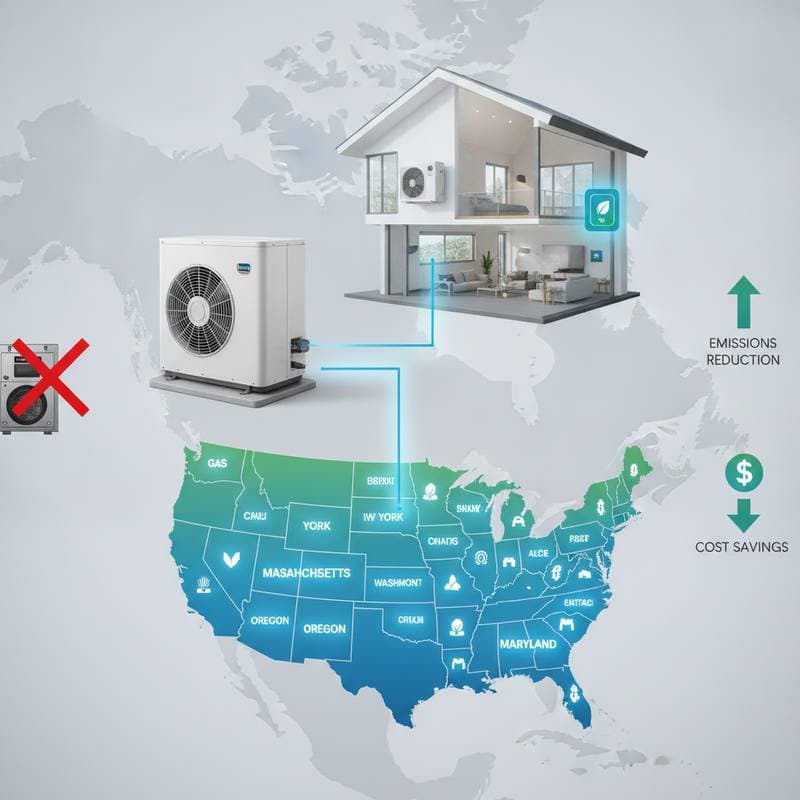
Several states have updated building codes or set timelines that limit new gas heating installations. The following locations lead these efforts.
California
California cities already enforce all-electric requirements in many new homes. State standards continue to favor heat pumps for residential projects.
New York
New York phases out fossil fuel heating in new buildings. Incentive programs support heat pump conversions in existing homes.
Massachusetts
Massachusetts building codes prioritize electric systems for new construction. Local gas hookup bans exist in several municipalities.
Washington
Washington requires electric heat pumps in most new homes through updated energy codes. Efficiency improvements and emission reductions drive the policy.
Oregon
Oregon discourages gas appliances in new construction. Programs promote heat pumps where renewable electricity is available.
Colorado
Colorado utilities receive support to install heat pumps. Policies focus first on new buildings with retrofit rules expected later.
Maryland
Maryland mandates electric HVAC in new homes and state projects. Goals center on reduced fossil fuel dependence.
Vermont
Vermont promotes all-electric heating through efficiency programs. Future rules are expected to require electric systems in most homes.
Reasons Behind the Mandates
- Carbon reduction occurs when combustion is eliminated at the home level.
- Modern heat pumps deliver up to three units of heat per unit of electricity.
- Renewable energy sources integrate more easily with electric equipment.
- Indoor air quality improves without combustion byproducts.
Effects on Homeowners
Existing gas furnaces may remain in service until replacement. New installations or major renovations must meet electric standards. Equipment availability, upfront costs, and energy bills all shift with these rules. Homes equipped with efficient electric systems often hold stronger market value.
Cost Factors to Consider
- Air-source heat pumps cost less than ground-source models.
- Larger homes require higher-capacity equipment.
- Older properties may need electrical panel upgrades.
- Improved insulation and duct sealing reduce system size needs.
- Regional labor rates affect total installation expenses.
- Federal, state, and utility incentives lower net costs.
Preparation Steps
Review the age of current heating equipment. Schedule a professional energy audit to locate insulation gaps. Research available rebates before selecting a contractor. Hire licensed installers experienced with local codes and heat pump performance.
System Comparison Points
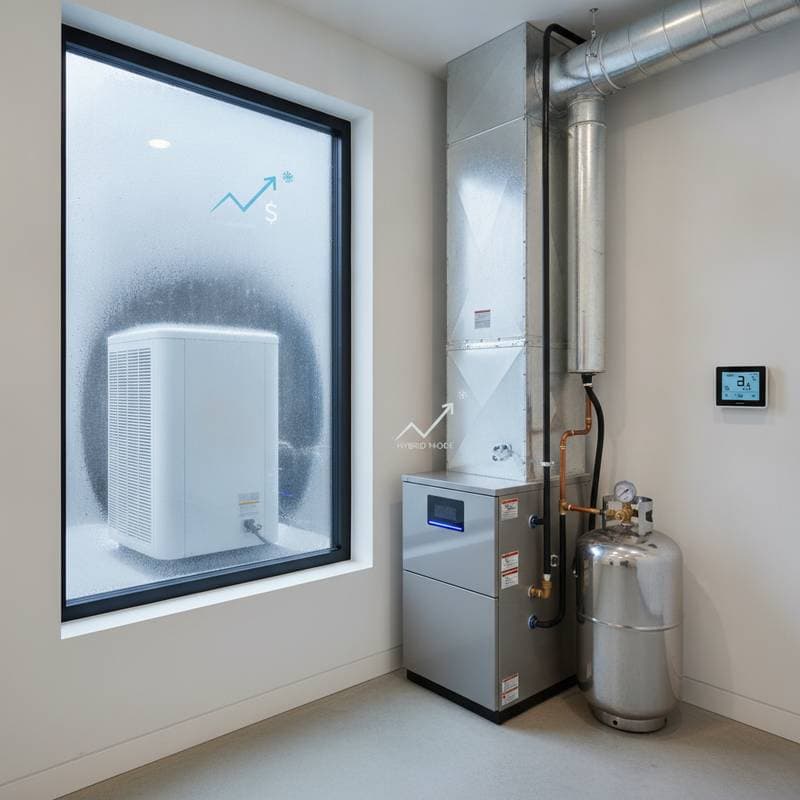
Heat pumps achieve higher efficiency than combustion furnaces because they transfer heat. Electric units require less routine maintenance without burners or flues. Cold-climate models now perform reliably in northern states. Dual-fuel setups pair a heat pump with a backup furnace for extreme conditions.
Compliance Requirements
Permits are typically required for new installations. Equipment must satisfy local energy codes. Contractors document that systems meet all-electric standards.
Frequently Asked Questions
Will existing gas furnaces need removal? Most mandates apply only to replacements or new builds. Owners may keep current equipment until the end of its service life.
Do heat pumps work in cold regions? Current cold-climate models maintain efficiency at low temperatures. Dual-fuel options add reliability during severe weather.
What is the typical cost range? Expenses depend on home size and infrastructure. Rebates and operating savings often offset initial investment.
Do electric systems raise energy bills? Efficiency gains frequently produce lower total costs, especially in well-insulated homes.
Does electrification improve air quality? Absence of combustion reduces indoor pollutants and carbon monoxide risk.
Planning Your Upgrade
Early evaluation of equipment options and incentives positions homeowners for compliance. Professional guidance ensures systems meet performance and code requirements while controlling expenses.