Benefits of Spring HVAC Maintenance
Spring maintenance allows your system to operate more efficiently and reduce overall energy consumption. It extends the lifespan of critical components such as compressors and motors. Routine checks also prevent small issues from developing into major repairs. In addition, proper care improves indoor air quality and overall comfort levels.
A professional tune-up or consistent DIY routine completed in spring can save hundreds of dollars each year by catching problems early.
Key Spring HVAC Maintenance Tasks
Replace or Clean Air Filters
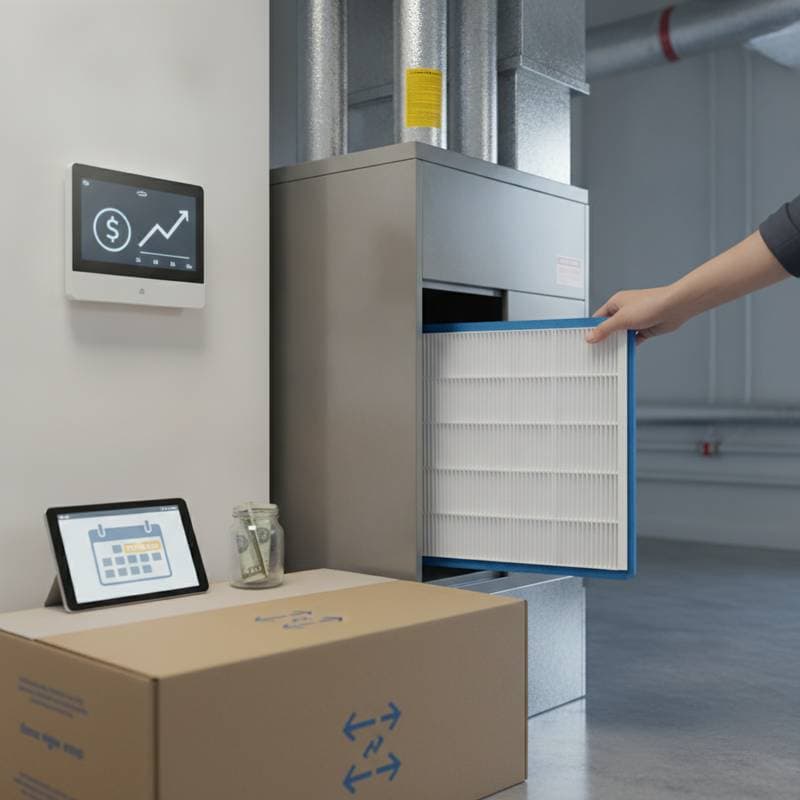
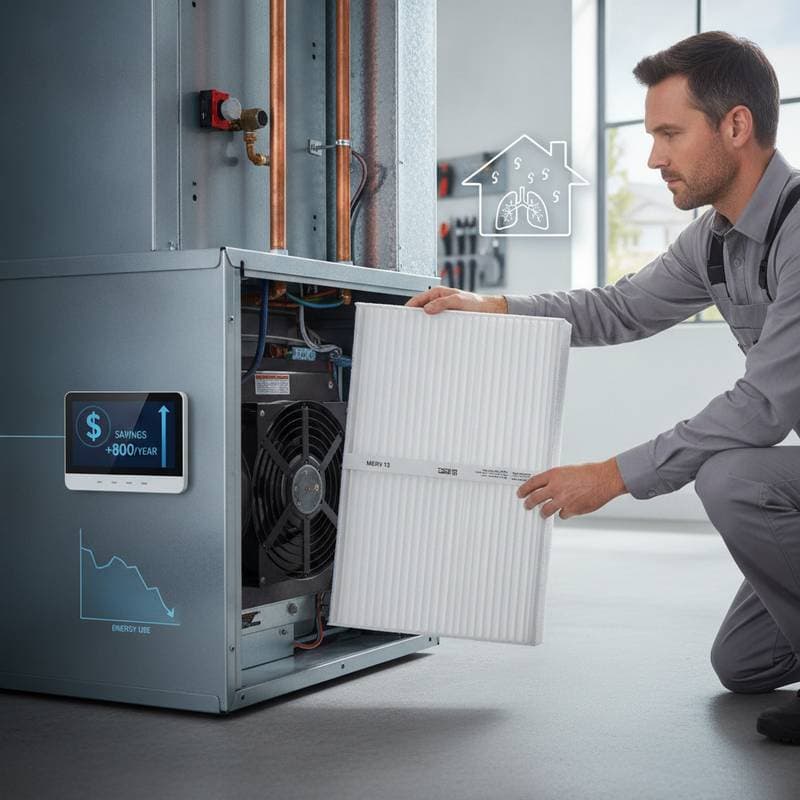
Clogged filters restrict airflow and force the system to work harder than necessary. Homeowners should replace or clean filters every one to three months to keep air moving freely and protect the blower motor. This step alone can prevent overheating and reduce strain on the entire unit.
Clean the Condenser Coils
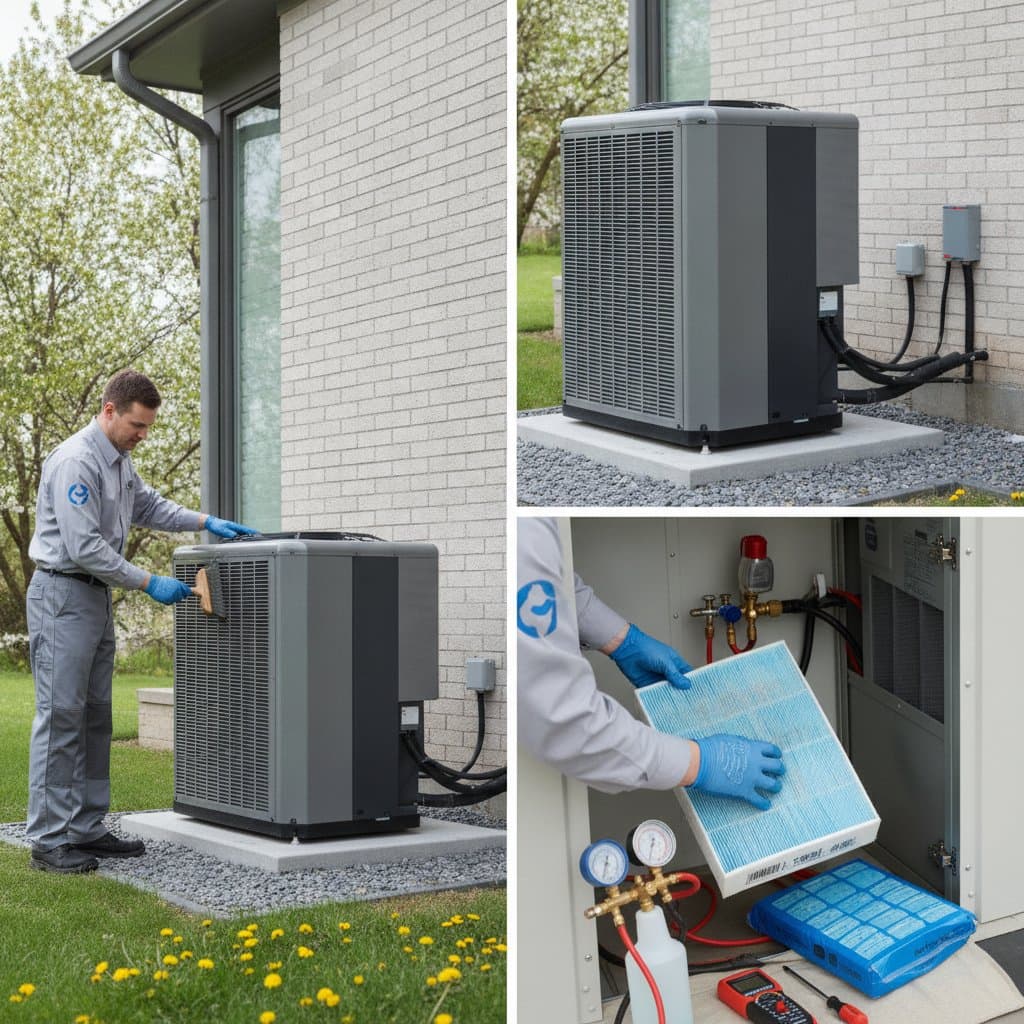
The outdoor condenser coil collects dirt and debris throughout fall and winter. Use a soft brush or gentle water spray to remove buildup from the fins. Clean coils release heat more effectively, which improves cooling performance and reduces wear on the compressor.
Inspect Refrigerant Levels
Low refrigerant often signals a leak that can cause long-term damage to the compressor. A technician can test for leaks and recharge the system if needed. Early detection prevents complete system failure during peak summer heat.
Check Electrical Connections and Thermostat Settings
Loose wiring or corroded terminals can lead to short cycling or sudden shutdowns. Tighten connections carefully and test the thermostat to confirm accurate temperature control. A properly calibrated thermostat maintains comfort without overworking the equipment.
Clear the Drain Line
A clogged condensate drain can result in water damage and mold growth inside the home. Flush the line with a mixture of water and mild vinegar to keep it clear and prevent future blockages.
Common HVAC Problems Prevented by Spring Maintenance
| Issue | Potential Cost | Prevented By |
|---|---|---|
| Compressor failure | $1,200 – $2,500 | Cleaning coils, checking refrigerant |
| Blower motor burnout | $400 – $900 | Replacing filters, inspecting airflow |
| Electrical faults | $150 – $500 | Tightening connections, visual inspection |
| Frozen evaporator coil | $200 – $1,000 | Cleaning filters, proper refrigerant charge |
| Water leaks | $100 – $600 | Clearing drain line |
Routine maintenance reduces the likelihood of these issues by identifying stress points before they cause damage.
DIY Versus Professional HVAC Tune-Up
Homeowners can manage basic tasks such as changing filters, clearing debris, and rinsing coils. Deeper inspections, including refrigerant testing and electrical diagnostics, require licensed professionals. A technician can measure system performance, test safety controls, and verify compliance with manufacturer standards.
For most homes, scheduling one professional inspection each year alongside simple DIY upkeep provides the best balance of cost and protection.
HVAC Spring Maintenance FAQs
How long does a spring HVAC tune-up take?
A standard tune-up usually requires one to two hours. The technician inspects, cleans, and tests each component to confirm efficient operation before the cooling season begins.
What signs suggest skipped maintenance?
Warning signs include uneven cooling, strange noises, higher energy bills, and reduced airflow. Homeowners who notice these symptoms should schedule a service call before the problem spreads.
Does spring maintenance affect energy costs?
Yes. Clean filters, proper refrigerant levels, and tuned components can reduce cooling costs by up to twenty percent compared with neglected systems.
Investing in Seasonal Care
Preventive maintenance in spring remains one of the smartest investments a homeowner can make. Consistent care, whether performed personally or with professional support, keeps the system efficient, safe, and reliable throughout the hottest months.