8 States Now Require Twice-Yearly HVAC Filter Changes
What the Requirement Means for Homeowners
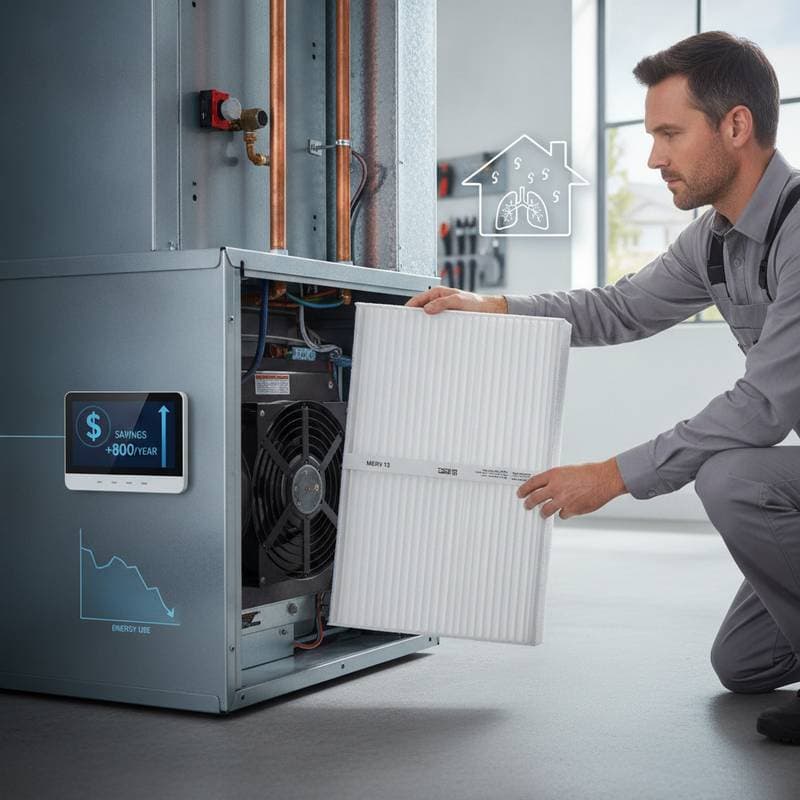
Several states have updated HVAC maintenance codes to require twice-yearly filter changes in residential and commercial systems. The regulation targets indoor air quality, energy efficiency, and equipment durability. Homeowners and property managers benefit from clear schedules that align with inspections and service visits.
This guide identifies the affected states, explains the reasons behind the updates, and outlines practical steps for compliance. It also presents maintenance practices that support system performance throughout the year.
States with the New HVAC Filter Replacement Requirement
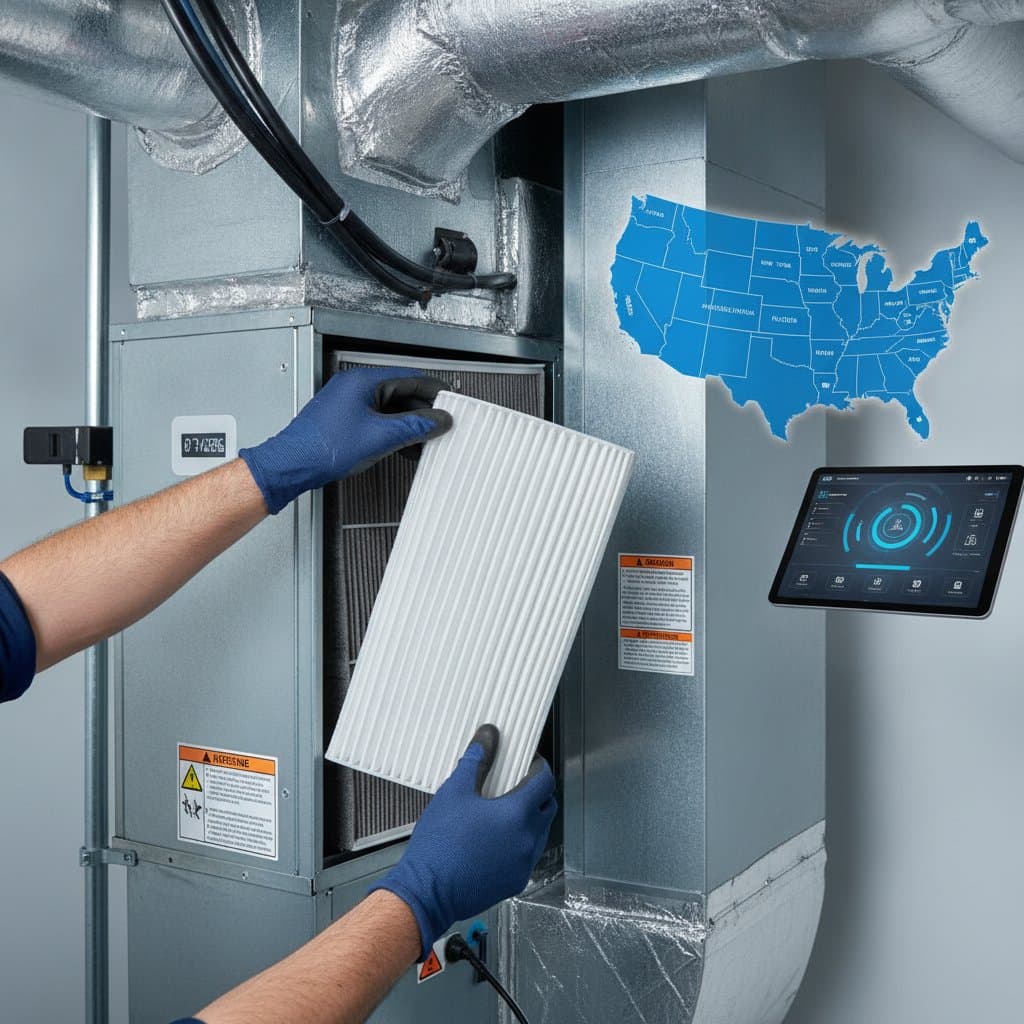
Local rules differ by jurisdiction. The states listed below have adopted or revised codes that call for filter replacement every six months.
| State | Type of Requirement | Applies To | Key Notes |
|---|---|---|---|
| California | Residential and commercial | Single and multi-family homes | Focus on energy efficiency compliance |
| Florida | Residential | Homes with central air systems | Addresses humidity and indoor air quality |
| Texas | Residential and commercial | All HVAC systems | Linked to state energy conservation code |
| New York | Commercial | Multi-unit buildings | Emphasizes air sanitation standards |
| Illinois | Residential | Homes with forced-air systems | Aims to reduce airborne contaminants |
| Arizona | Residential | High-dust regions | Mandated under environmental regulations |
| North Carolina | Residential | HVAC systems in humid climates | Encourages seasonal filter checks |
| Oregon | Residential and commercial | All HVAC units | Includes energy efficiency incentives |
Enforcement occurs through local inspectors or during energy code verification at the time of service or equipment replacement.
Benefits of Twice-Yearly HVAC Filter Replacement
Better Indoor Air Quality
Regular replacement removes pet dander, pollen, and smoke particles from circulation. Households that include allergy sufferers or individuals with respiratory conditions notice clearer air after consistent changes.
Lower Energy Consumption
Clean filters reduce resistance to airflow. Systems use up to 15 percent less energy when filters remain unobstructed. Lower stress on motors and compressors also extends overall equipment life.
Reduced Repair Frequency
Clogged filters contribute to overheating, coil icing, and weak airflow. Scheduled replacement prevents these conditions and limits emergency service calls.
Common Questions about HVAC Filter Replacement Requirements
How often should filters be changed if high-efficiency models are in use?
Premium filters still require replacement every six months under the new codes. Manufacturer claims of longer service intervals do not override state requirements. Consistent changes maintain airflow and satisfy compliance checks.
Does the rule apply to all types of HVAC systems?
The requirement covers central air conditioners, heat pumps, and combined heating and cooling units. Portable units and window air conditioners remain exempt. Commercial properties may face additional filtration standards during inspections.
What happens if filters are not changed twice a year?
Energy costs rise and comfort declines when airflow is restricted. Inspectors may issue correction notices or fines for commercial buildings that fall out of compliance.
Are there exceptions for low-use or seasonal homes?
Some states permit exceptions for properties left vacant for long periods. Filters should still be replaced before the system restarts to prevent dust from entering living spaces.
Can homeowners perform the replacement themselves?
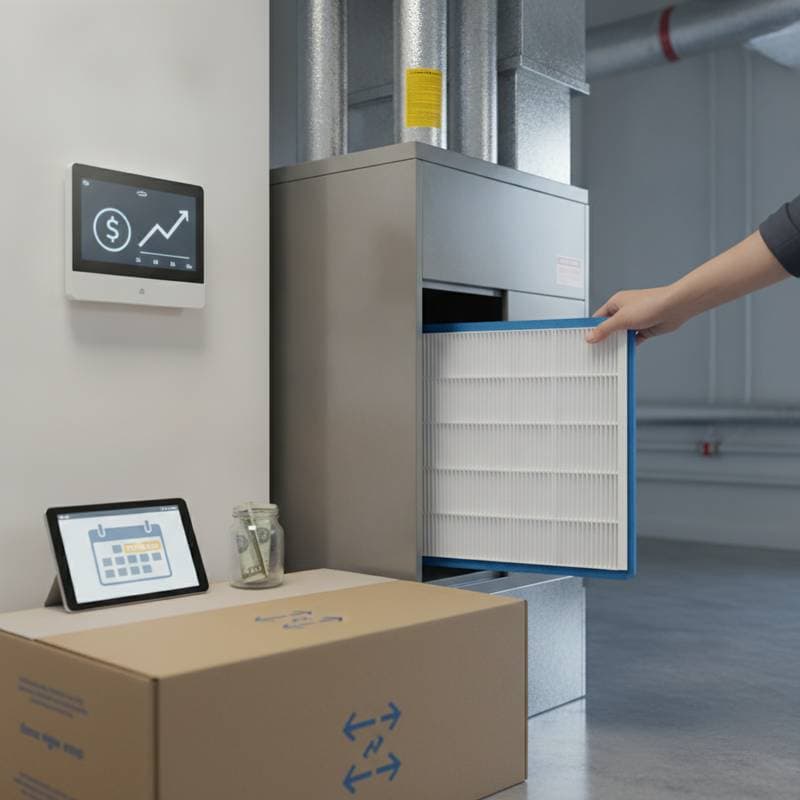
Many systems allow straightforward filter access. Owners need only match the correct size and follow the manufacturer instructions. Professional service is advisable when filters sit behind panels that are difficult to reach.
Selecting a Qualified HVAC Contractor
Questions to Ask Before Hiring
- Are you licensed and insured to perform HVAC maintenance in this state?
- Do you supply documentation that verifies code compliance?
- Which filter type suits my system and local air quality conditions?
- How frequently should full system inspections occur in addition to filter changes?
- Do you offer maintenance plans that include twice-yearly filter replacement?
- How are used filters disposed of in accordance with local rules?
- Will you inspect ducts for leaks or airflow restrictions during the visit?
- What tasks are included in a standard maintenance appointment?
Scheduling Year-Round HVAC Care
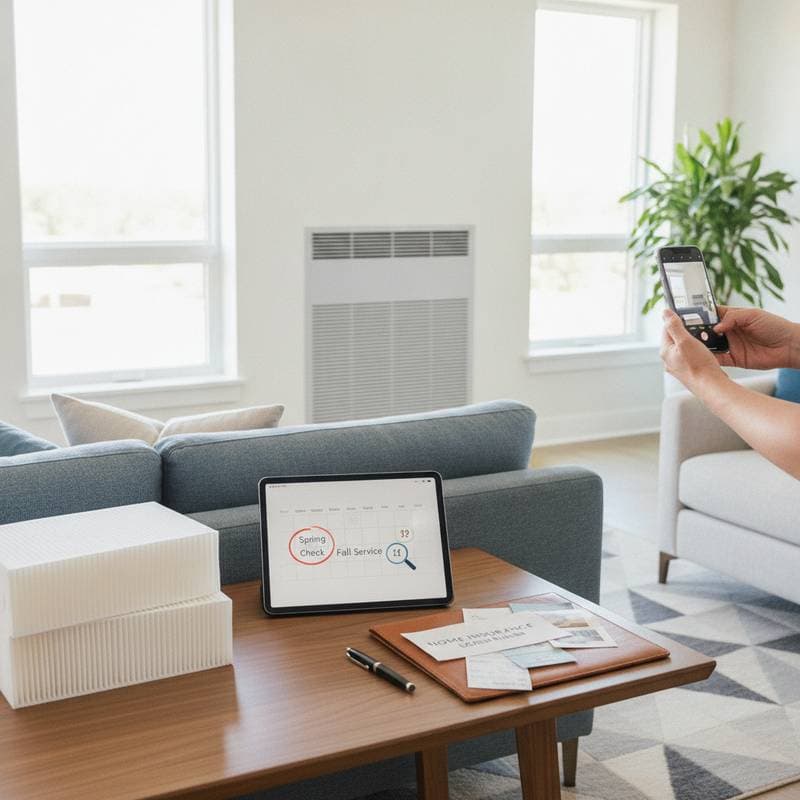
Set calendar reminders for filter changes at the start of each cooling and heating season. Pair these tasks with annual professional inspections to catch developing issues early. Consistent attention keeps systems efficient, protects indoor air, and supports compliance across all regulated states.