Cut HVAC Emergencies by 52 Percent With Predictive Maintenance Apps
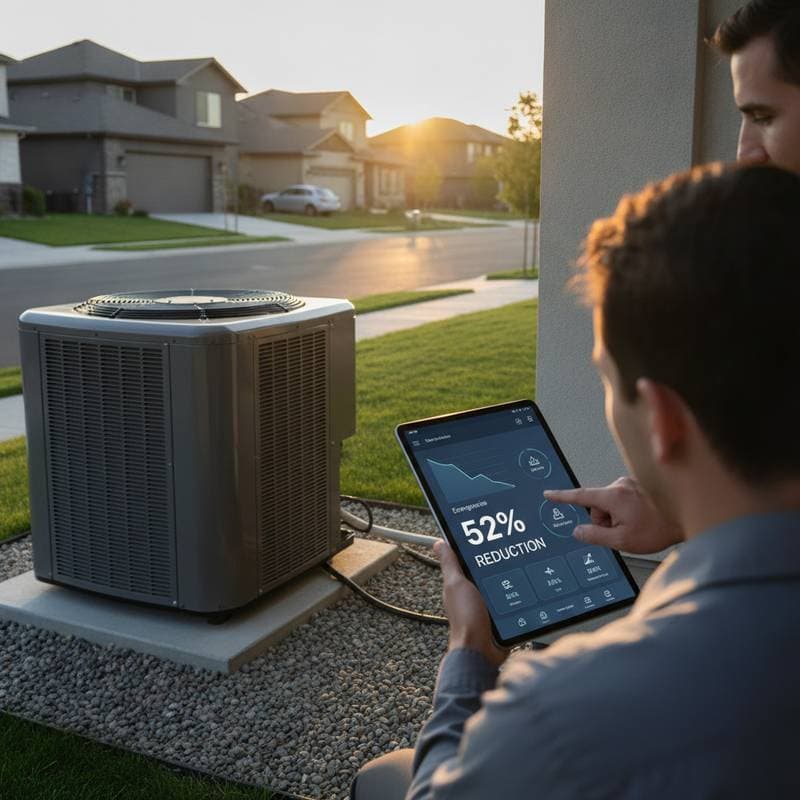
Unexpected HVAC breakdowns disrupt comfort and generate high repair expenses. Predictive maintenance apps reduce these emergencies by up to 52 percent through continuous monitoring, timely alerts, and condition-based service scheduling. The tools track performance data to identify developing faults before they produce system failure.
What Predictive HVAC Maintenance Involves
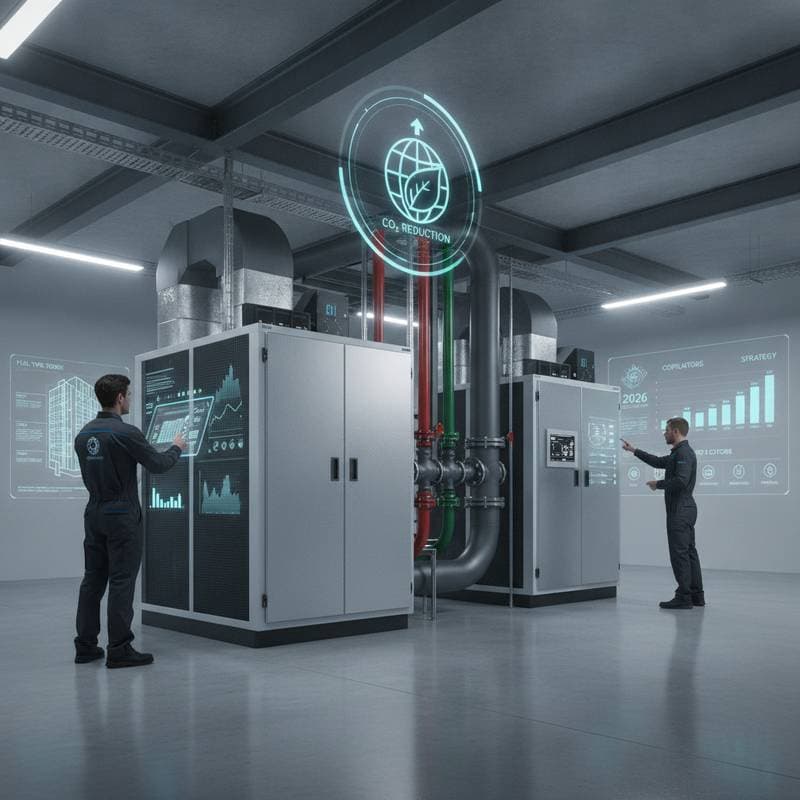
Predictive maintenance relies on sensors, connected applications, and analytics to observe equipment operation around the clock. The software examines trends in temperature, energy consumption, vibration, humidity, and airflow to forecast service needs. This approach replaces fixed twice-yearly visits with maintenance timed to actual equipment condition.
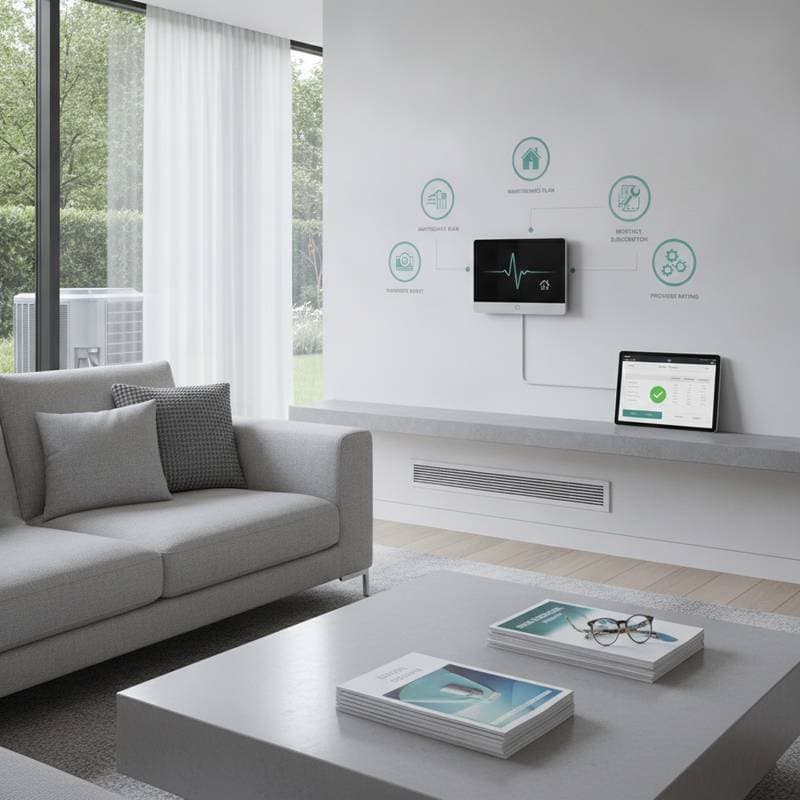
Technicians receive automatic notifications when readings deviate from established baselines. Homeowners gain visibility into system health without constant manual checks.
How These Apps Lower Emergency Repair Frequency
Early intervention prevents minor faults from escalating. The following mechanisms produce measurable reductions in urgent service calls:
- Early issue detection Sensors flag compressor strain, restricted airflow, or refrigerant loss and send alerts before complete failure occurs.
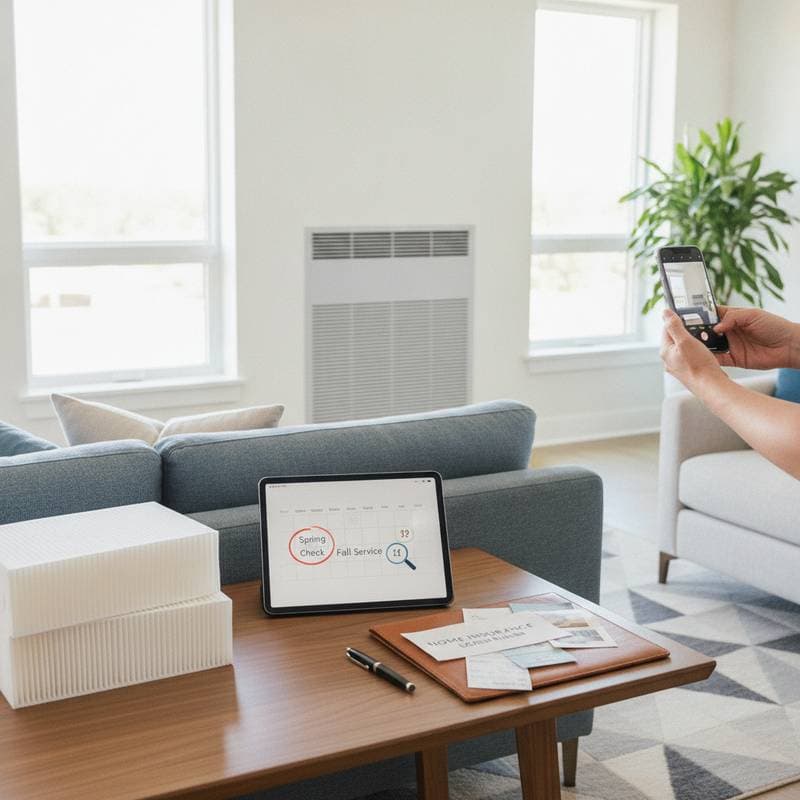
- Condition-based scheduling The application recommends service only when performance data indicate it is required, avoiding both premature and delayed visits.
- Energy use monitoring Continuous tracking identifies inefficiencies that raise operating costs and accelerate wear.
- Lower repair expenses Addressing small problems during routine visits costs far less than replacing major components after breakdown.
- Longer equipment life Regular adjustments based on real-time data reduce cumulative stress on critical parts.
Indicators That Predictive Tools May Benefit Your System
Certain patterns suggest underlying issues that predictive monitoring can resolve. Review the following conditions:
- Repeated minor repairs within a single season
- Temperature differences between rooms that persist after filter changes
- Unexplained increases in monthly energy costs
- Unusual sounds or vibrations during startup or shutdown
- Filters or coils that require cleaning more often than manufacturer guidelines specify
When these signs appear, the data collected by sensors helps isolate root causes before they produce larger failures.
Selecting an Effective Predictive Platform
Compare available applications against these core capabilities:
- Real-time sensor data collection from coils, fans, and compressors
- Automatic alerts triggered by performance thresholds
- Dashboard reports that display trends in efficiency and component health
- Direct integration options with service providers for scheduling or remote diagnostics
- Secure cloud storage of historical records for warranty support
These functions support both immediate fault prevention and long-term system planning.
Homeowner Tasks and Professional Responsibilities
Predictive applications improve homeowner oversight while preserving the need for licensed technicians on technical work.
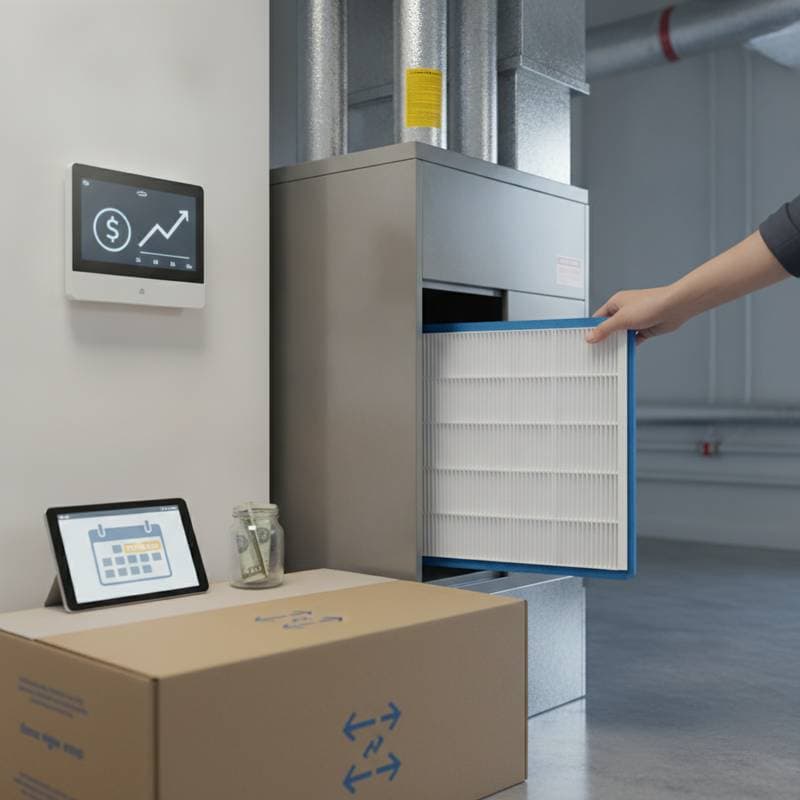
Homeowners can review alerts, replace filters on schedule, clear debris from outdoor units, and report changes in operation promptly. Technicians handle electrical checks, refrigerant verification, sensor calibration, internal diagnostics, and software updates.
Steps to Implement Predictive Monitoring
- A technician performs an initial evaluation to confirm sensor compatibility.
- Sensors attach to key components.
- The application connects to the sensors and establishes baseline performance values.
- Monitoring begins, with alerts delivered to both homeowner and service provider.
- The system refines its predictions as additional data accumulate.
Answers to Common Questions
Modern predictive applications achieve high reliability through machine-learning algorithms, although they cannot forecast every possible failure. Most installations require sensors plus a compatible smart thermostat or control module. Subscription pricing typically recovers its cost through reduced energy use and avoided emergency repairs. Older systems often accept the same sensors after minor control upgrades. Smaller homes receive the same percentage benefits in repair reduction and efficiency gains as larger properties.
Starting Predictive Monitoring on Your System
Begin with a professional assessment of your current equipment. Once sensors and the application are active, consistent review of performance data supports reliable operation and controlled maintenance expenses throughout the year.