How Self-Cleaning HVAC Filters Reduce Maintenance by 58 Percent
Homeowners seek reliable methods to lower HVAC upkeep expenses while enhancing air quality. Self-cleaning HVAC filters represent one advancement that achieves up to 58 percent less maintenance than standard options. These units automate debris removal, which extends equipment life and reduces both time and expense for property owners.
The following sections explain filter operation, associated advantages, pricing factors, and selection guidance for sustained results.
Definition and Operation of Self-Cleaning HVAC Filters
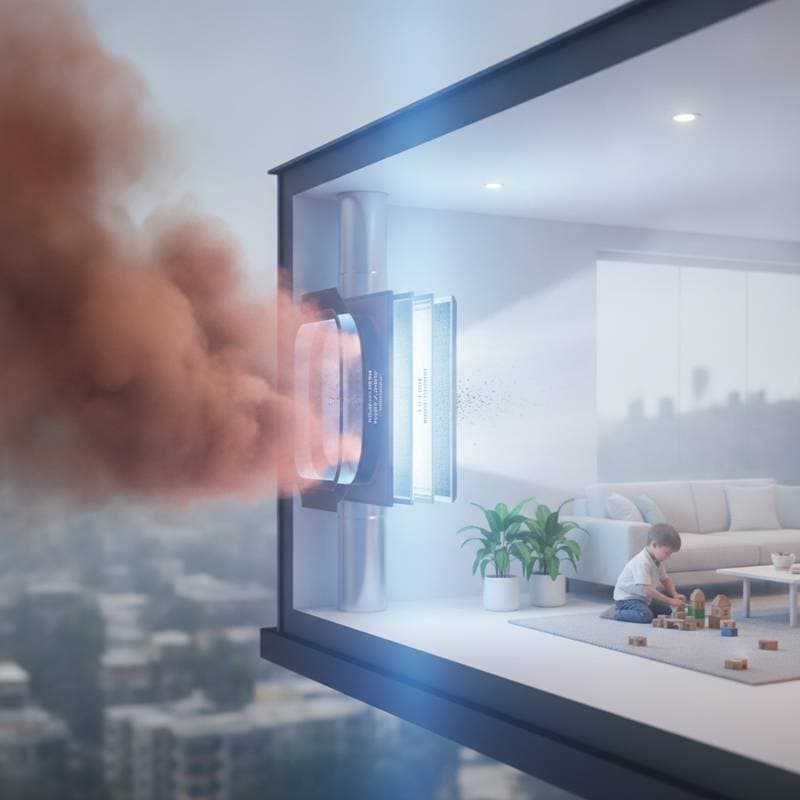
Self-cleaning HVAC filters capture dust, pollen, and additional airborne particles without repeated manual intervention. An integrated mechanism, often an electronic pulse or reverse airflow, dislodges accumulated material from the filter surface.
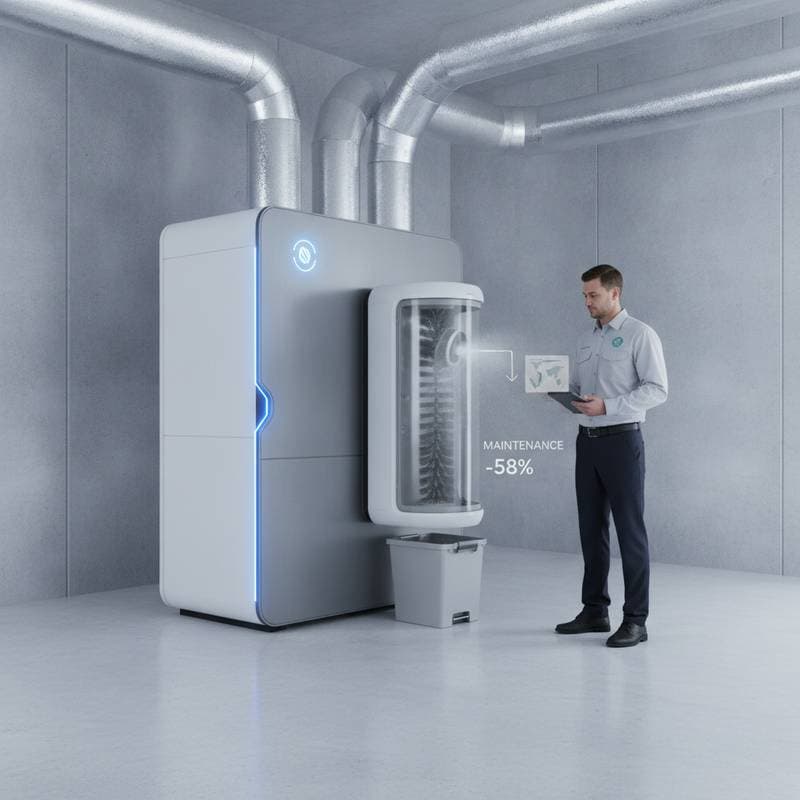
The process follows three steps. Air first passes through the media to trap contaminants. A scheduled cycle then activates to release debris via pressure changes or vibration. Finally, particles move into a collection bin or drainage area for disposal.
Consistent airflow results, and the filter maintains efficiency over extended periods.
Maintenance Savings and Pricing Comparison
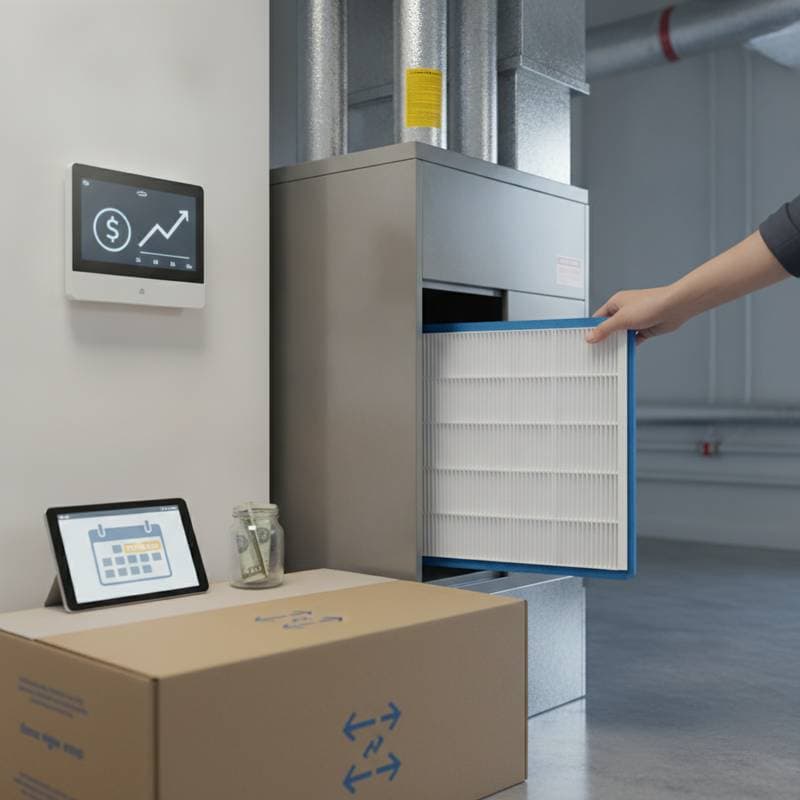
Standard filters need replacement multiple times each year. Self-cleaning models operate for three to five years with automated cycles handling most tasks. This shift cuts annual maintenance time and expense by as much as 58 percent.
| Filter Type | Average Lifespan | Maintenance Frequency | Estimated Annual Cost |
|---|---|---|---|
| Standard Disposable Filter | 3 months | 4 changes per year | $80 to $120 |
| Washable Filter | 6 months | 2 cleanings per year | $60 to $100 |
| Self-Cleaning Filter | 3 to 5 years | Automated cleaning | $40 to $70 |
Higher initial purchase prices are offset by fewer replacements and lower labor demands. Larger residences or commercial installations often realize even greater reductions.
Elements That Affect Filter Performance
Several variables determine how well a self-cleaning filter functions. System compatibility requires verification of airflow capacity and physical dimensions before installation. Technology choices include electrostatic plates, automated brushes, or reverse airflow, each suited to different dust loads and air quality goals.
Although automation handles routine tasks, periodic inspection of cycle settings and dust collection remains necessary. Energy efficiency improves when consistent airflow prevents the system from working harder than required.
Common Questions About Self-Cleaning HVAC Filters
Most units require only one or two inspections annually. The automated cycle manages daily operation, yet checks confirm proper function and prevent hidden airflow restrictions.
These filters support better indoor air quality by sustaining capture rates for pollen, dust, and pet dander without performance drops from clogging.
Households that value reduced manual work and improved efficiency find the upgrade worthwhile. Savings appear through lower energy use and extended equipment life.
Older HVAC systems sometimes accept self-cleaning filters after minor adaptations. A qualified technician can assess retrofit options or recommend full replacement.
Steps to Select and Install a Self-Cleaning HVAC Filter
Confirm HVAC compatibility, review the cleaning technology employed, and determine inspection intervals before purchase. Request details on warranties, expected energy reductions for the home size, and integration with existing controls. Professional installation ensures correct fit and reliable long-term operation.
Service support availability should also factor into the decision. Proper selection delivers steady airflow, reduced upkeep, and improved comfort throughout the year.