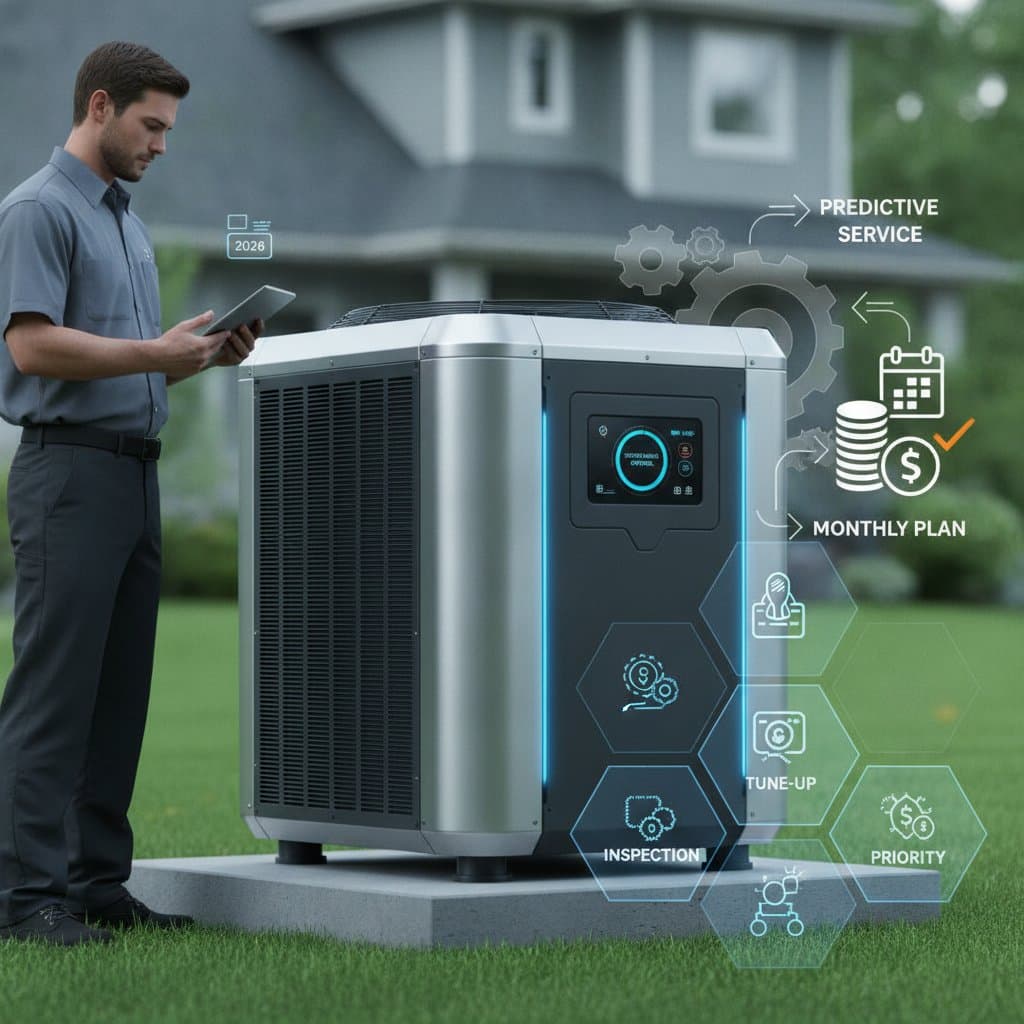
How Monthly HVAC Maintenance Plans Stop Expensive Failures
Keeping a heating and cooling system in peak condition requires ongoing attention to filters, seasonal adjustments, and component checks. Monthly HVAC maintenance plans deliver a structured approach that spreads these tasks across predictable payments. Homeowners typically invest between 15 and 45 dollars each month for scheduled inspections, priority response, and discounted parts.
This guide covers plan mechanics, pricing ranges, preventive mechanisms, selection criteria, and common questions. Readers will gain concrete steps to protect their equipment investment.
Average Monthly HVAC Plan Cost
Pricing depends on equipment size, coverage depth, and local labor rates. Most households spend 180 to 540 dollars annually, an amount that often undercuts a single major repair.
| Plan Type | Average Monthly Cost | Typical Coverage |
|---|---|---|
| Basic Tune-Up Plan | 15 to 25 dollars | Seasonal inspections, filter service, and basic cleaning |
| Comprehensive Maintenance Plan | 25 to 40 dollars | Tune-ups, repair discounts, priority scheduling, and select parts |
| Predictive Monitoring Plan | 40 to 60 dollars | Sensor tracking, remote alerts, and complete maintenance support |
A single emergency service call ranges from 300 to 900 dollars, while compressor replacement frequently exceeds 1200 dollars. Subscription coverage identifies minor issues before they require full replacement.
How These Plans Block System Failures
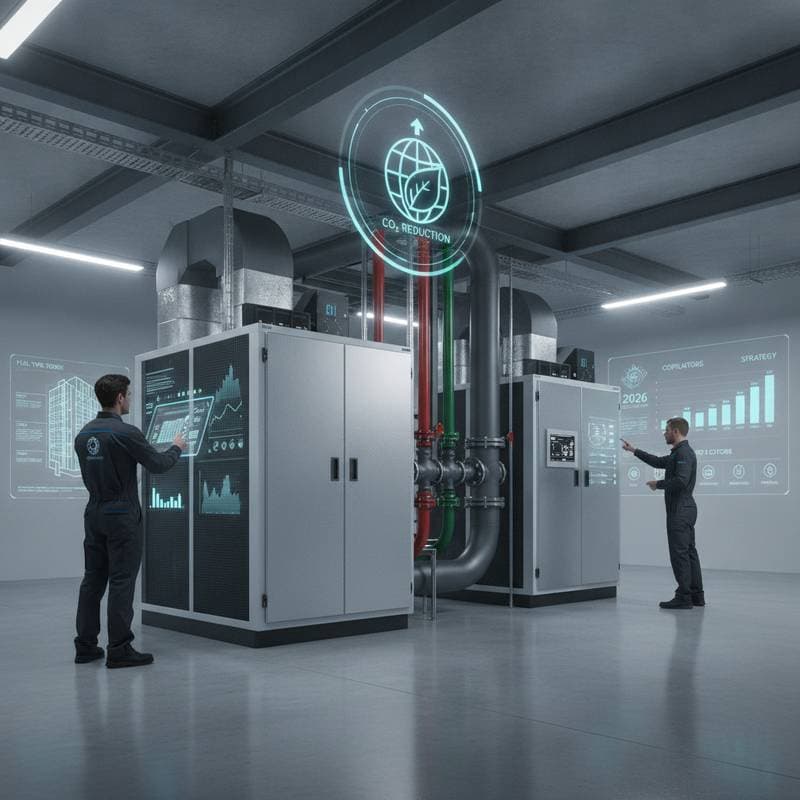
Most breakdowns trace back to skipped maintenance such as accumulated dust, restricted airflow, or drifting refrigerant levels. Regular visits interrupt this progression at early stages.
Scheduled Inspections Identify Issues Early
Technicians measure refrigerant charge, verify electrical connections, test airflow, and calibrate thermostats. Small deviations corrected on the spot protect motors and heat exchangers from accelerated wear.
Cleaning Restores Proper Operation
Dirt on coils and fans increases resistance and energy draw. Thorough seasonal cleaning lowers operating temperatures and reduces stress on moving parts.
Sensor Based Monitoring Adds Remote Oversight
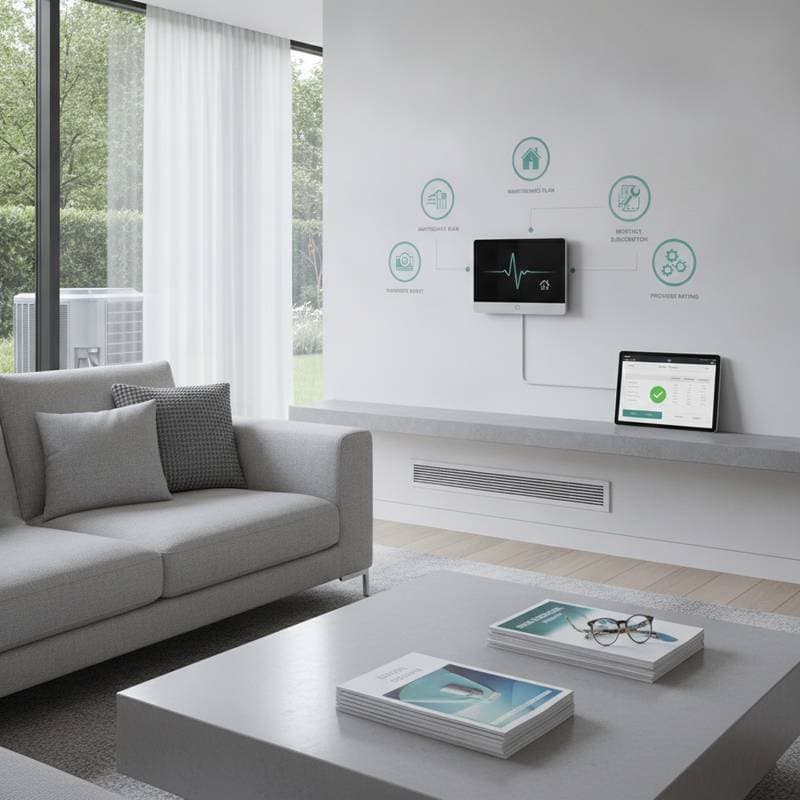
Advanced plans install performance sensors that transmit vibration, temperature, and pressure data. Technicians review trends between visits and intervene when readings move outside normal ranges.
Routine Care Extends Service Life
Consistent adjustments maintain correct balance and safety functions. Equipment treated this way commonly reaches or exceeds its expected lifespan.
Factors That Influence Plan Pricing
Several variables determine the final monthly rate. Understanding each element supports informed selection.
- System configuration: paired furnace and air conditioner units generally require more labor than standalone heat pumps.
- Property scale: larger homes or multiple systems increase visit duration and therefore the fee.
- Coverage breadth: plans that add parts replacement or 24 hour response carry higher rates.
- Regional labor costs: urban markets with elevated wages reflect those costs in subscription pricing.
- Optional services: duct cleaning or whole home air quality sensors appear as separate line items.
Advantages Beyond Breakdown Prevention
Subscribers gain budgeting stability because costs arrive in fixed increments rather than surprise invoices. Efficient systems lower monthly utility consumption through clean coils and accurate refrigerant levels.
Regular filter service reduces airborne particles and supports healthier indoor conditions. Members also receive faster scheduling during peak demand periods. Equipment that receives steady professional attention retains performance longer and preserves manufacturer warranties.
Common Questions About HVAC Subscriptions
How frequently should service occur?
Standard practice calls for two visits per year, one ahead of summer and one ahead of winter. Most plans bundle these inspections automatically.
What occurs during a covered breakdown?
Subscribers receive priority booking and reduced labor rates. Comprehensive agreements may include parts and labor at no additional charge.
Do new systems require maintenance plans?
Yes. Early attention protects warranty terms, sustains factory efficiency ratings, and corrects minor installation variances before they compound.
Can plans be ended early?
Providers generally permit cancellation after written notice. Review contract language for minimum terms or administrative fees.
Are replacement filters supplied?
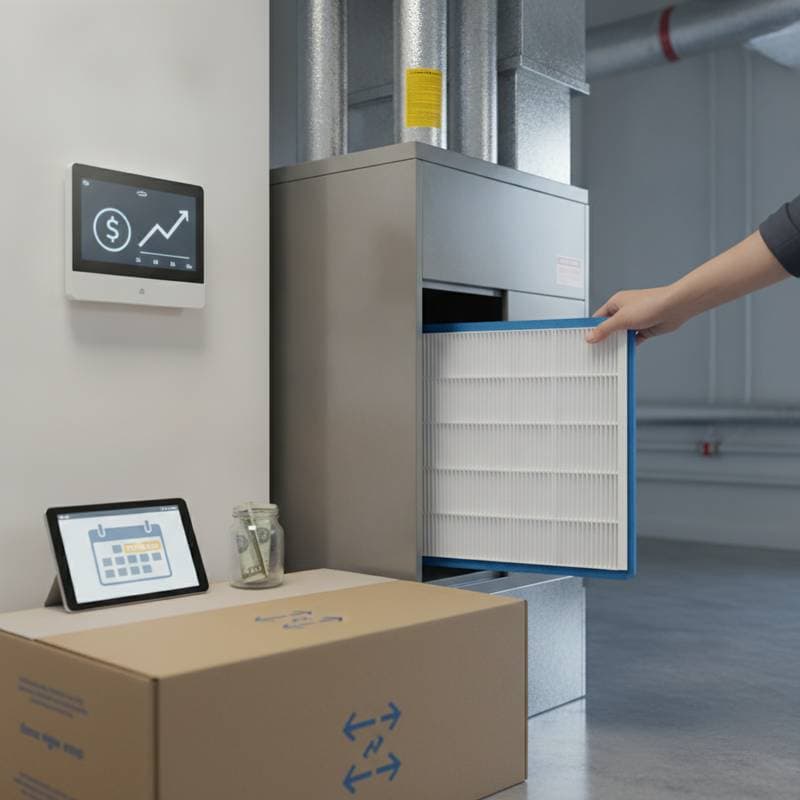
Many agreements cover filter changes during visits. Premium options ship replacement filters to the residence on a set schedule.
Selecting an Appropriate Maintenance Agreement
Match plan scope to equipment type, square footage, and risk tolerance. A qualified contractor evaluates the existing system and proposes coverage that aligns with usage patterns.
Key Questions Before Enrollment
- Which tasks fall under the monthly fee?
- How many visits occur each year?
- Are parts and labor included or limited to inspections?
- What discount or coverage applies to emergency repairs?
- Is remote monitoring offered for this equipment?
- Are filters provided or billed separately?
- What is the guaranteed response window for urgent calls?
- Does the agreement transfer upon sale of the home?
- Are cancellation penalties or multi year commitments required?
- Will documented visits satisfy warranty conditions?
Protecting Long Term Home Comfort
An HVAC system represents a major household asset. Consistent professional oversight keeps that asset efficient and reliable across seasons. Fixed monthly payments eliminate budget shocks while ensuring timely attention to emerging conditions. The result is fewer interruptions and sustained performance year after year.