MERV 13 vs HEPA: Actual Costs for DIY Filter Upgrades
Indoor air quality matters more than most homeowners realize. Dust, pollen, pet dander, and airborne particles can quietly build up in your home air. These particles affect comfort and health. Research into HVAC filtration often highlights MERV 13 and HEPA filters. The two options differ in performance, price, and installation needs.
What Is a MERV 13 Filter?
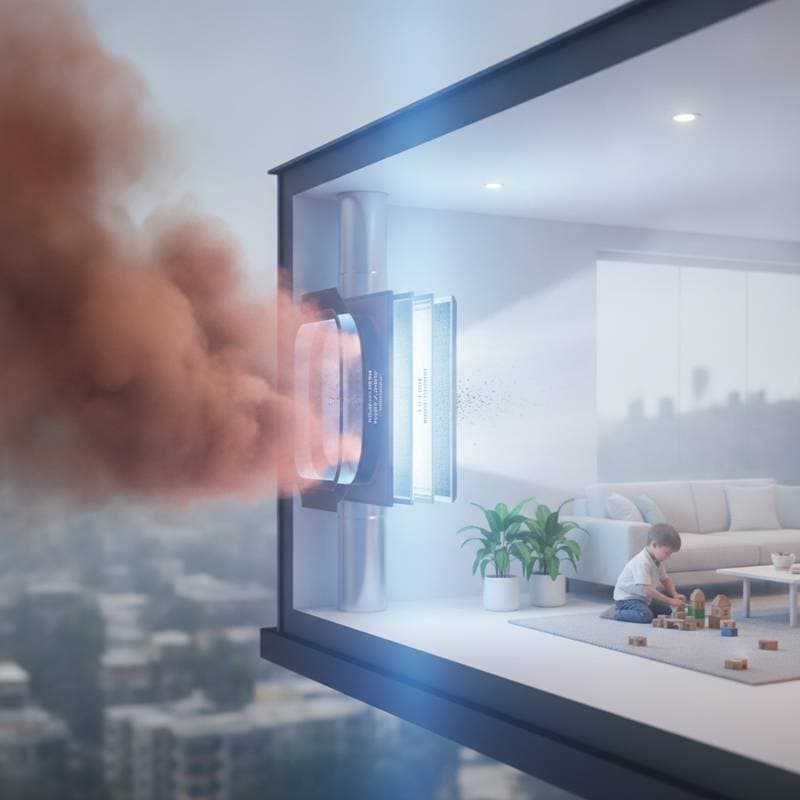
MERV stands for Minimum Efficiency Reporting Value. This scale rates how well a filter captures particles. Ratings range from 1 to 16. Higher numbers indicate finer filtration. A MERV 13 filter sits near the top of the range. It traps particles as small as 0.3 microns. These include smoke, bacteria, and fine dust.
A MERV 13 filter captures pet dander, household dust, pollen, mold spores, some bacteria, and smoke particles. For most homes this rating balances efficiency with airflow. It delivers cleaner air without excessive strain on standard HVAC systems when installed correctly.
What Is a HEPA Filter?
HEPA stands for High Efficiency Particulate Air. These filters represent the standard for air purification. They capture up to 99.97 percent of particles 0.3 microns or larger. Hospitals, laboratories, and critical environments rely on HEPA filters.
A HEPA filter captures ultrafine dust, smoke, pollen, pet dander, mold spores, bacteria, and some viruses. The high filtration level creates significant airflow resistance. Most residential HVAC systems cannot accommodate this restriction without modification.
Comparing MERV 13 and HEPA Filtration
Filtration Efficiency
- MERV 13 captures roughly 90 percent of particles between 1 and 3 microns.
- HEPA captures 99.97 percent of particles down to 0.3 microns.
HEPA provides superior filtration quality. That performance brings practical limits for home HVAC systems.
Airflow and System Compatibility
A MERV 13 filter works with most residential systems. It may reduce airflow slightly compared with lower rated filters. A HEPA filter often requires a separate housing or bypass system. Incorrect installation can cause the blower motor to overwork. This leads to higher energy costs or early component wear.
Maintenance
MERV 13 filters need replacement every 3 to 6 months. Replacement timing depends on home air quality and usage. HEPA filters last up to a year. They cost more and appear less often in standard HVAC sizes.
Actual Costs for DIY Filter Upgrades
Cost includes more than the filter price alone. System compatibility, possible modifications, and ongoing maintenance matter as well.
MERV 13 Filter Costs
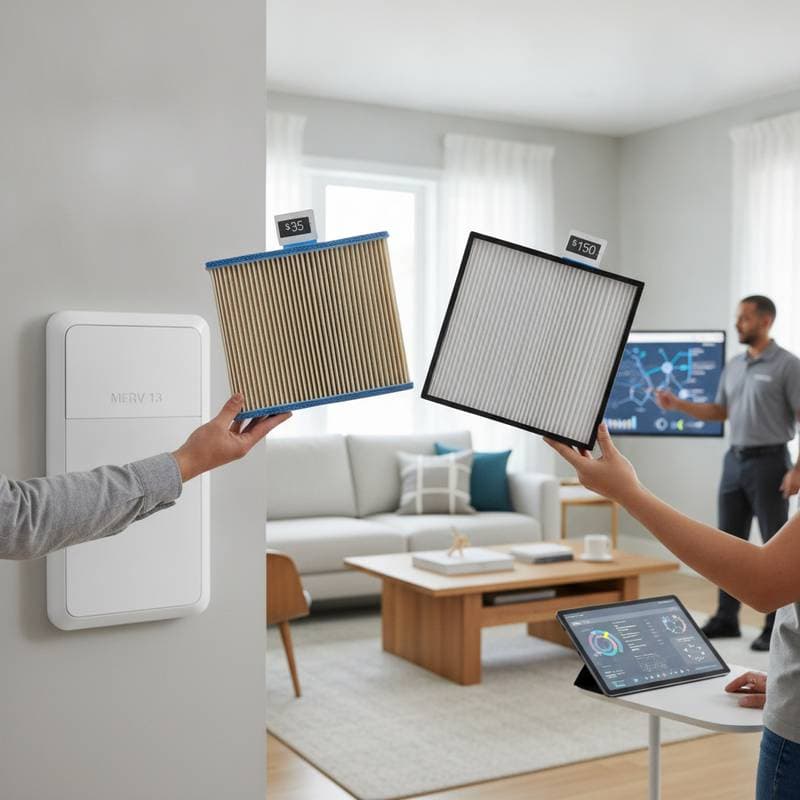
- Filter price ranges from 20 to 60 dollars for a standard residential size.
- Quarterly replacement produces an annual cost of 80 to 240 dollars.
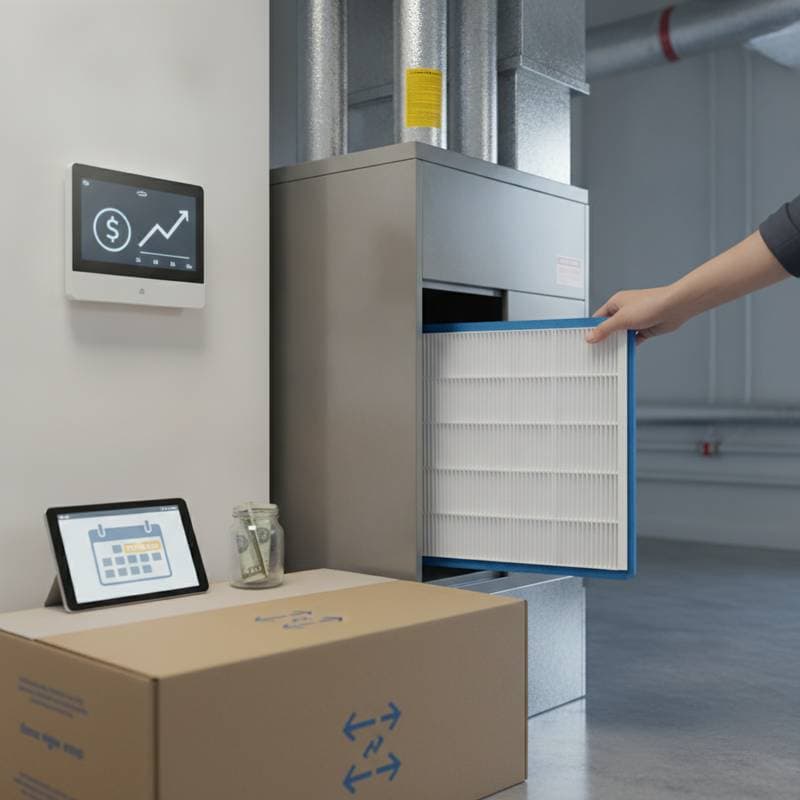
- Replacement involves a simple slide in task that most homeowners complete safely.
- Some owners add a higher capacity return grille or larger filter surface to reduce resistance.
HEPA Filter Costs
- True HEPA filters range from 100 to 300 dollars or more.
- Many systems require a bypass unit or standalone purifier. These additions cost 600 to 2000 dollars when installed.
- Direct installation into ductwork usually needs professional modification.
- Annual maintenance runs 100 to 200 dollars when the unit operates correctly.
Comparing Long Term Costs
MERV 13 offers a cost effective upgrade that improves air quality without major changes. A full HEPA system supplies better filtration yet demands higher expense and complexity. Most homeowners find the added investment impractical for DIY projects.
DIY Filter Upgrades vs. Hiring a Pro
Homeowners often ask whether they can complete installation themselves. The answer depends on system design and personal comfort with basic maintenance.
What You Can Safely Do Yourself
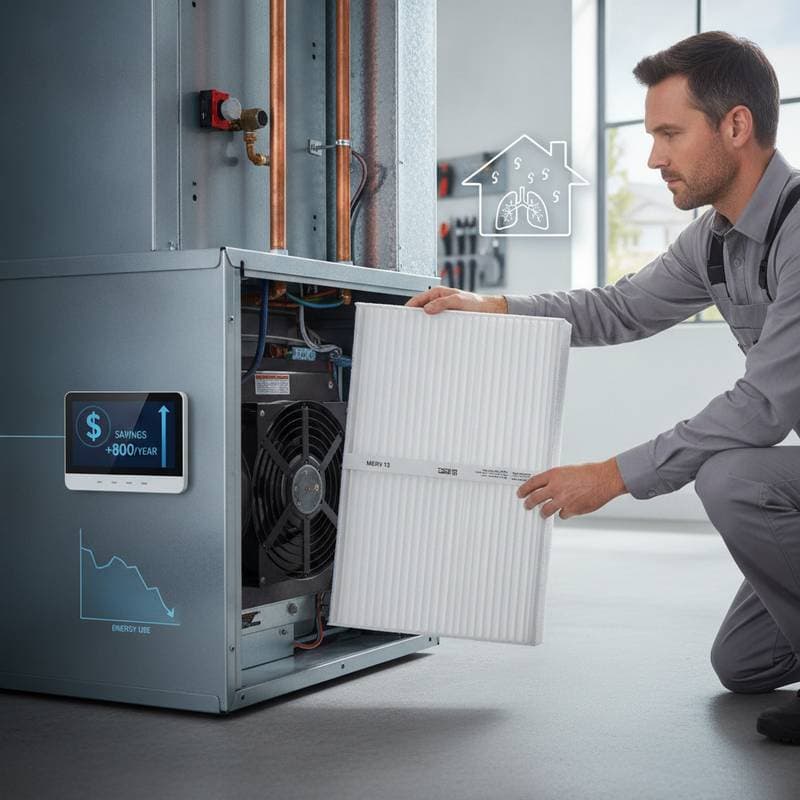
- Replace an existing filter with a MERV 13 model of identical size.
- Confirm the airflow direction arrow matches system direction.
- Vacuum around the filter slot to clear dust buildup.
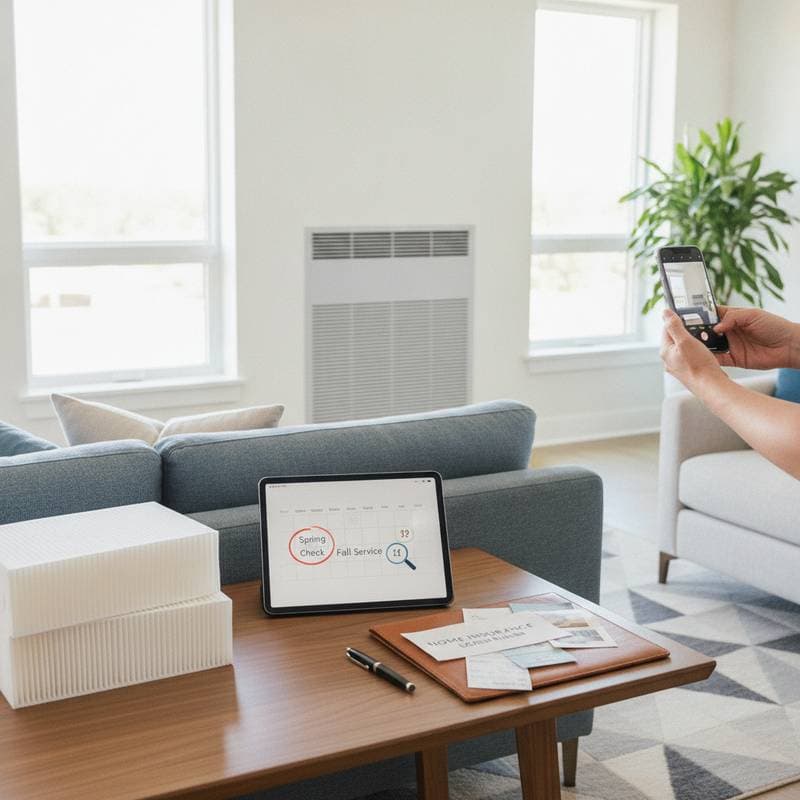
- Inspect the filter monthly to determine whether earlier replacement is needed.
These steps remain safe for most users.
What Requires a Professional
- Installation of a HEPA unit or bypass system.
- Modification of ductwork or blower components.
- Diagnosis of airflow problems after a higher efficiency upgrade.
- Verification that static pressure stays within manufacturer limits.
Attempting a HEPA retrofit without help risks system damage or reduced efficiency. A qualified technician measures airflow and pressure to confirm safe operation.
Key Factors Affecting Filter Upgrade Costs
- System size and design determine filter count and airflow impact.
- Filter type and quality affect both upfront price and particle capture.
- Installation method ranges from simple slide in to custom professional work.
- Maintenance frequency influences yearly expense while protecting equipment.
- Brand reputation influences construction quality and seal performance.
These factors guide planning for initial investment and continued upkeep.
Frequently Asked Questions
Can I replace my existing filter with a HEPA filter?
Most residential HVAC systems cannot manage HEPA resistance. A dedicated bypass unit or portable purifier becomes necessary. Consult an HVAC professional before any retrofit attempt.
Is a MERV 13 filter safe for all HVAC systems?
Most systems tolerate MERV 13. Older equipment or weak blowers may experience added resistance. Decreased airflow or unusual noise after upgrade warrants a technician visit.
Do MERV 13 filters reduce airflow?
They can reduce airflow slightly compared with standard filters. The reduction stays within safe limits when the system operates properly. A pleated design with large surface area helps maintain airflow.
How often should I replace a MERV 13 filter?
Replace every three to six months. Homes with pets, high dust, or frequent use may need more frequent changes.
Are HEPA filters worth the extra cost?
HEPA filters deliver the cleanest air available. They prove unnecessary for many homes. A MERV 13 filter supplies adequate filtration at lower cost unless severe allergies or respiratory conditions exist.
Selecting the Best Option for Your Home
Upgrading the air filter provides one of the simplest improvements to indoor air quality. A MERV 13 filter supplies strong performance, reasonable cost, and broad compatibility. Homeowners complete the change themselves and notice results quickly. A HEPA filter delivers maximum capture yet requires professional work and greater expense.
When system limits remain unclear, a licensed HVAC technician evaluates equipment, measures airflow, and recommends the appropriate filtration level.