Savings Potential of Dual-Fuel Heating Systems
Core Principles of Dual-Fuel Heating and Efficiency Gains
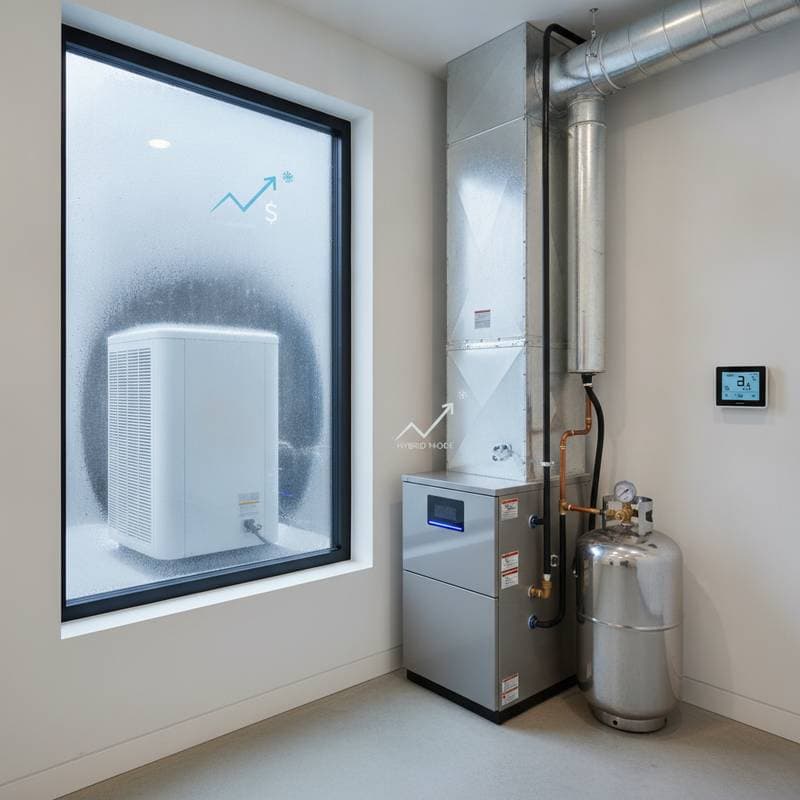
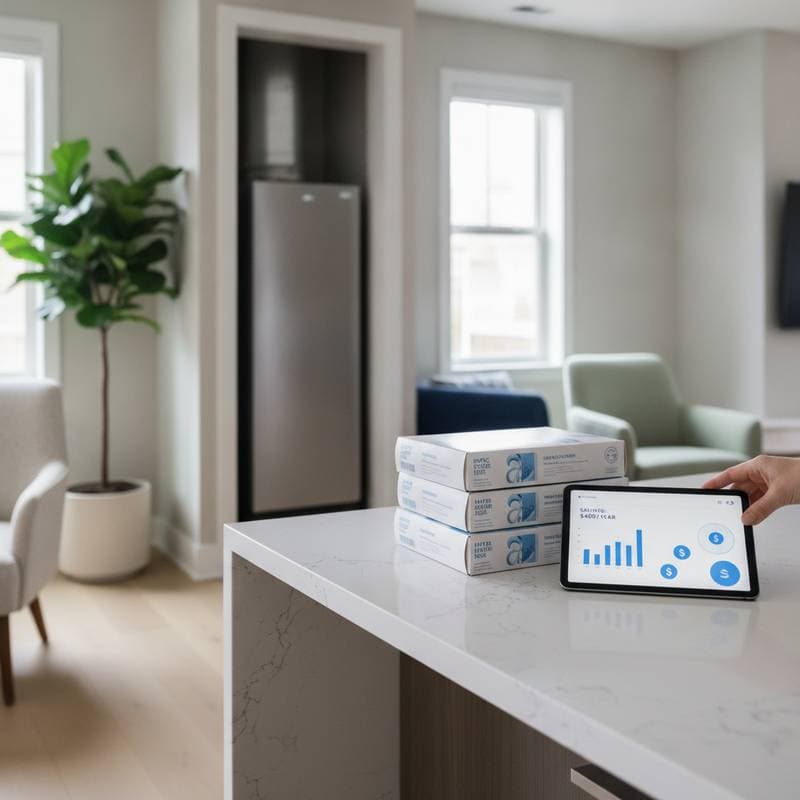
A dual-fuel heating system integrates an electric heat pump with a gas furnace to optimize performance across varying climates. The setup automatically selects the most suitable component based on external temperatures, ensuring both comfort and energy conservation. Homeowners typically realize annual savings of approximately $840 when compared to traditional gas-only furnaces.
This overview details the operational mechanics of dual-fuel systems, average installation expenses, variables affecting overall costs, and strategies for maximizing energy reductions. Additional sections address upkeep requirements, expected durability, and guidance for those evaluating a transition to hybrid solutions.
Operational Mechanics of Dual-Fuel Systems
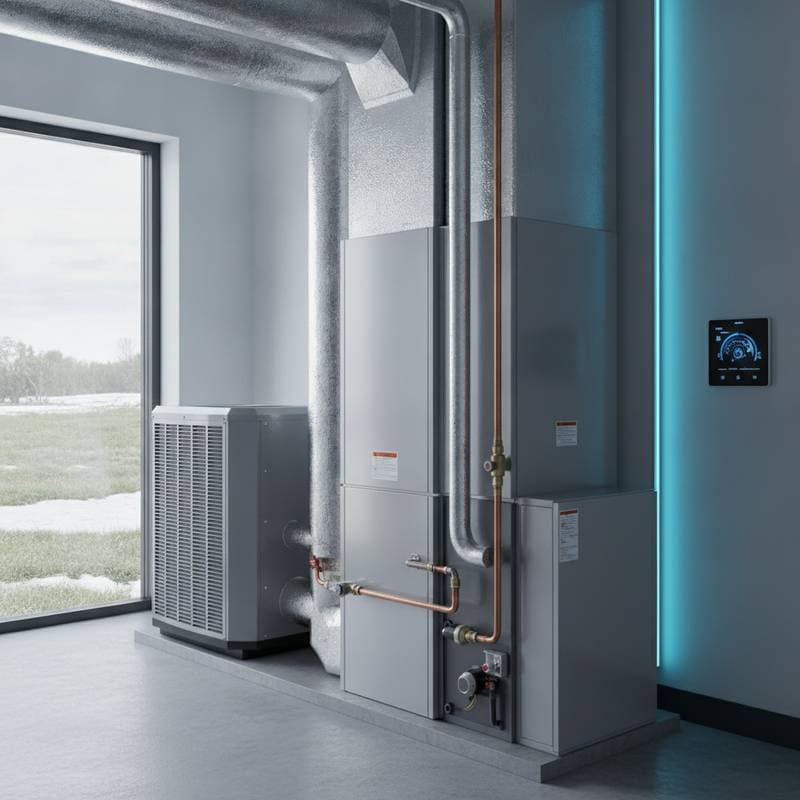
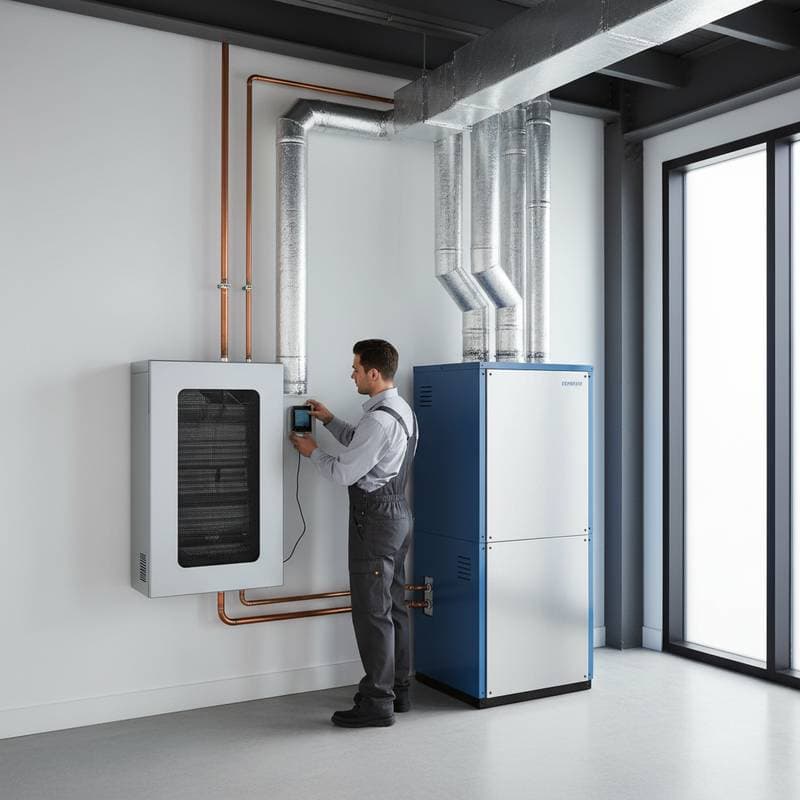
Dual-fuel systems consist of an electric heat pump and a gas furnace, coordinated to respond to environmental demands.
- Moderate Temperatures: The heat pump activates, extracting ambient heat from outdoor air and transferring it indoors. This process proves far more efficient than direct heat generation, as it leverages existing thermal energy.
- Extreme Cold: Upon reaching a predefined temperature threshold, the system shifts to the gas furnace, which delivers robust heating without straining efficiency.
- Integrated Management: A thermostat or control module oversees the switchover, maintaining uninterrupted operation and precise temperature control.
By prioritizing the heat pump in milder conditions, the system minimizes dependence on costlier gas usage, yielding consistent financial benefits throughout the heating season.
Factors Influencing Dual-Fuel System Expenses
Installation costs for dual-fuel systems vary according to multiple elements. A clear understanding of these components enables precise budgeting.
System Capacity Based on Home Size
Heating and cooling demands correlate directly with square footage. Capacity is rated in tons or BTUs, with larger residences requiring more powerful units that elevate both equipment and labor expenses.
| Home Size | Required Capacity | Typical Cost Range |
|---|---|---|
| 1,000–1,500 sq. ft. | 2–2.5 tons | $6,500–$8,000 |
| 1,500–2,500 sq. ft. | 3–4 tons | $8,000–$10,500 |
| 2,500+ sq. ft. | 4.5–5 tons | $10,000–$13,000 |
Efficiency Metrics
Performance levels are quantified by SEER for cooling and HSPF for heating. Systems with elevated ratings consume less energy over time, though initial investments increase accordingly. Advanced models can decrease overall energy demands by as much as 30 percent relative to basic configurations.
Manufacturer and Configuration Choices
Reputable manufacturers such as Trane, Lennox, and Carrier command premium prices due to innovations like variable-speed operations, integrated smart controls, and reduced noise profiles. More economical options provide foundational functionality without specialized enhancements.
Installation Labor and Site-Specific Challenges
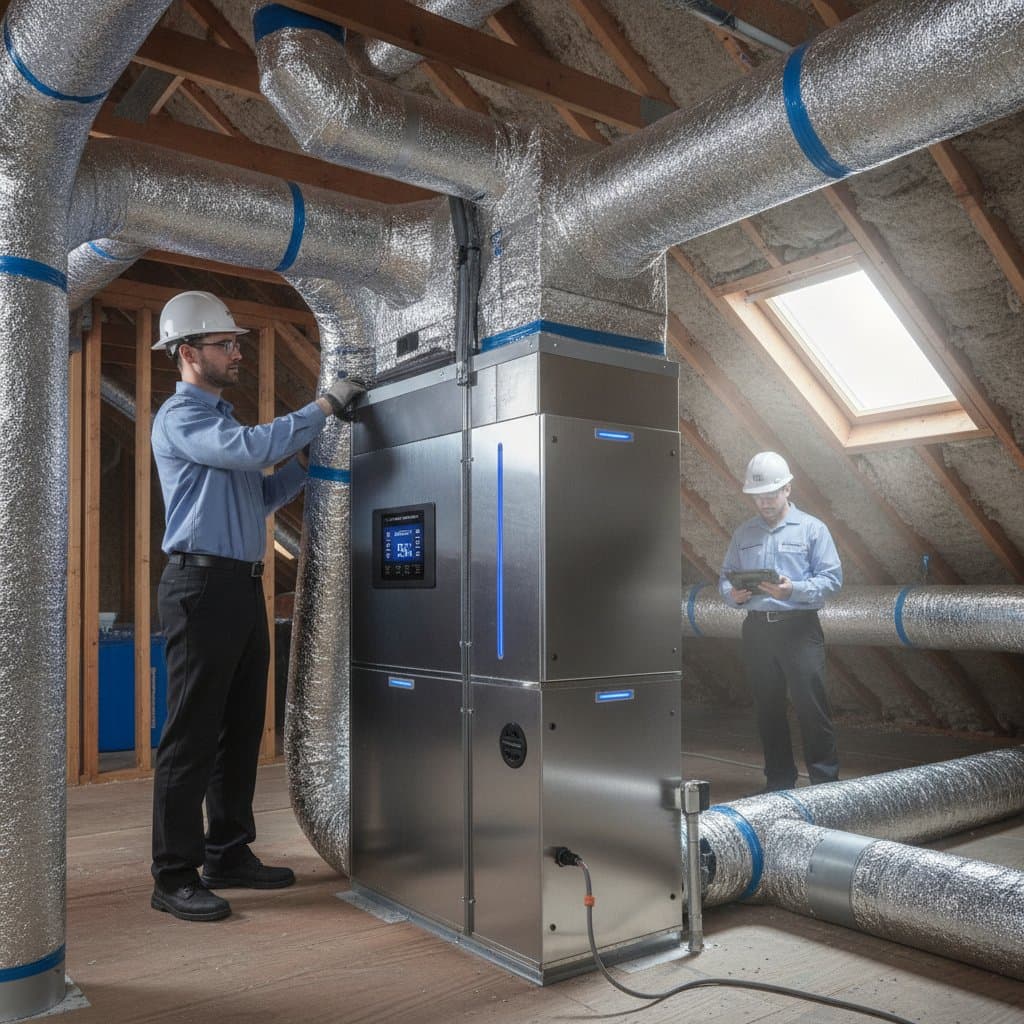
Professional fees fluctuate with local wage standards and project intricacies. Retrofitting into existing infrastructure with compatible ducts incurs lower charges than full-system overhauls. Labor often accounts for 30 to 50 percent of the final bill.
Supplementary Features
Enhancements that boost functionality come at additional expense but enhance user experience. Popular options encompass:
- Programmable thermostats for customized scheduling
- Multi-zone controls to address varied room needs
- Integrated air purification and humidity regulation
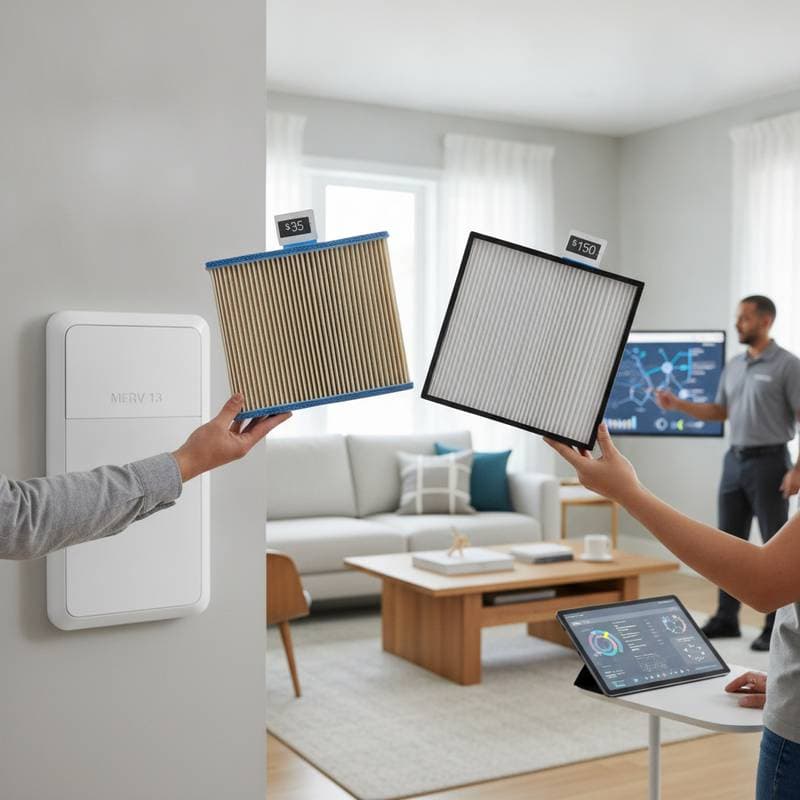
- High-grade filtration for improved indoor air quality
Financial Incentives
Utilities and governmental initiatives frequently provide rebates for high-efficiency installations. These credits, often amounting to hundreds of dollars, accelerate payback periods and strengthen the economic case for adoption.
Upkeep and Longevity of Dual-Fuel Systems
Regular servicing preserves the efficiency and reliability of dual-fuel setups. Annual inspections by certified technicians for the heat pump and furnace components remain crucial.
Essential procedures involve:
- Air filter cleaning or replacement at intervals of one to three months
- Refrigerant level verification and recalibration as required
- Examination of wiring, controls, and safety mechanisms
- Coil and blower decontamination to prevent efficiency losses
- Thermostat calibration and switchover functionality tests
Under diligent maintenance, these systems endure 15 to 20 years, although individual parts like compressors may necessitate earlier renewal.
Securing Quotes for Dual-Fuel Installations
Multiple estimates from qualified providers facilitate competitive pricing and tailored recommendations. Site-specific evaluations, including load computations and performance audits, prove indispensable for accurate sizing.
Essential Inquiries for HVAC Professionals
To guide decisions effectively, pose these targeted questions prior to commitment:
- What capacity suits my residence, and what methodology supports this assessment?
- Which manufacturer models balance efficiency with my financial parameters?
- Do regional or national programs offer rebates for these installations?
- What elements comprise the quoted price, and exist any unforeseen charges?
- How many days will setup require, and what home preparations are advisable?
- What guarantees apply to both equipment and workmanship?
- Is my current ducting and control system compatible?
- Which servicing regimen ensures sustained optimal function?
- How does the automatic mode transition operate in practice?
- Based on my past consumption, what savings projections can you furnish?
Realizing Benefits Through Hybrid Heating Adoption
Transitioning to a dual-fuel system equips homeowners with adaptable, cost-effective climate control. The synergy of electric and gas elements guarantees dependable output across seasons, while curbing utility outlays by up to $840 yearly. These reductions gradually recoup upfront expenditures, fostering sustained financial and environmental advantages.
Selection of an appropriate configuration, executed by experienced specialists, yields streamlined performance and unwavering indoor conditions. By researching options thoroughly, securing informed bids, and committing to ongoing care, individuals secure decades of efficient, hybrid-driven thermal management.