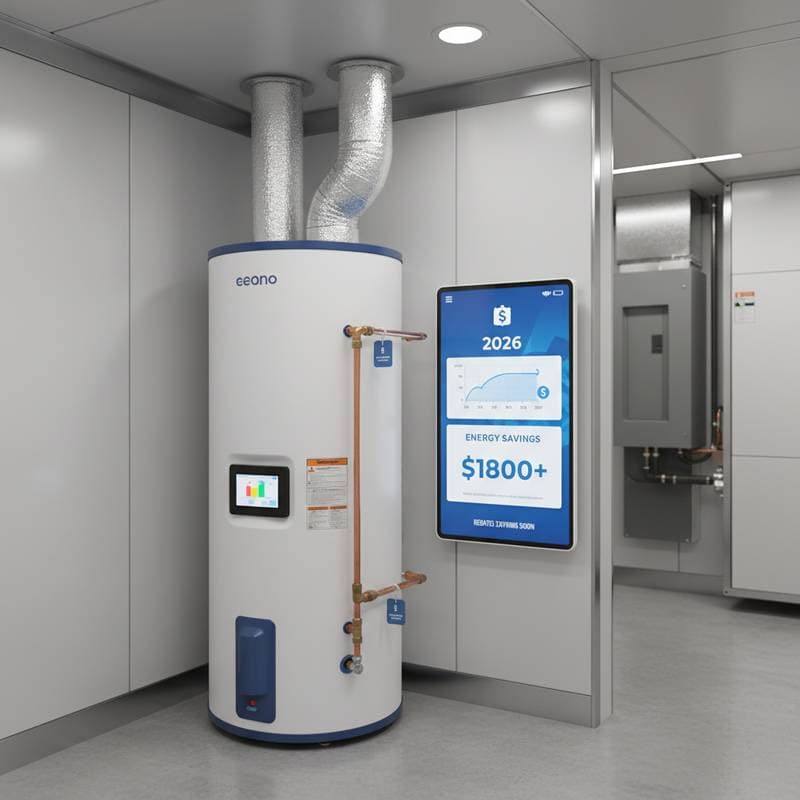
Heat Pump Water Heaters Cut Energy Bills by Two Thirds
Homeowners planning a water heater upgrade can receive rebates up to 1800 dollars for installing an ENERGY STAR certified heat pump model. These systems lower water heating energy consumption by as much as two thirds compared with conventional electric units. The result is hundreds of dollars in annual utility savings along with dependable hot water delivery over a decade or more.
| Item | Rebate or Cost Range |
|---|---|
| Maximum Available Rebate | Up to 1800 dollars |
| Average Heat Pump Water Heater Cost (Installed) | 2000 to 4500 dollars |
| Average Energy Savings Per Year | 250 to 500 dollars |
| Expected Lifespan | 10 to 15 years |
| Typical Payback Period After Rebate | 3 to 5 years |
Understanding Heat Pump Water Heater Costs
Installed prices for heat pump water heaters range from 2000 to 4500 dollars depending on tank capacity and site conditions. Smaller 40 gallon models serve households of one or two people while 80 gallon units accommodate families of five or more. Although standard electric tanks cost less initially the reduced operating expenses of a heat pump unit offset the difference within a few years.
Factors Influencing Installation Expenses
Several elements determine the final project cost. Tank capacity directly affects price because larger units require more materials and space. Efficiency ratings measured by Uniform Energy Factor also matter. Models with higher ratings and smart controls deliver greater savings yet carry a higher initial price.
Installation complexity adds further variables. Units placed in confined areas may need ventilation upgrades or extra electrical work. Homeowners should request a site assessment to identify these requirements early.
Brand selection and warranty length influence long term ownership costs. Established manufacturers often provide 10 year coverage on the compressor and tank which protects the investment against unexpected repairs.
Available Heat Pump Water Heater Configurations
Integrated units combine the tank and heat pump in one cabinet. They suit most replacement projects because of straightforward installation.
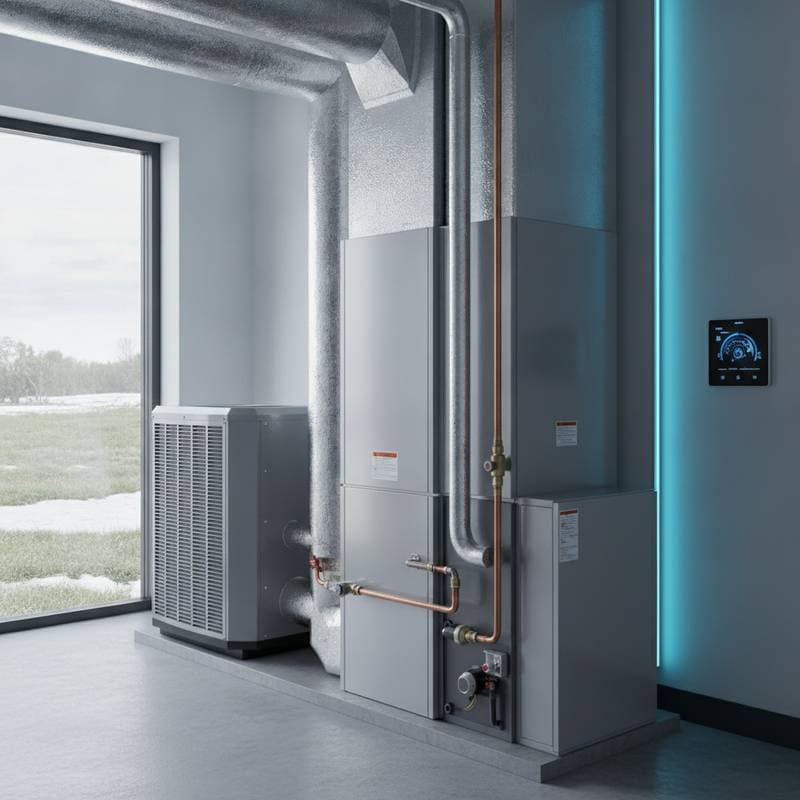
Split systems locate the heat pump outdoors and keep the tank inside. This arrangement reduces indoor noise and offers placement flexibility.
Add on units connect to an existing tank. They represent a lower cost option when the current tank remains in good condition yet they may not achieve maximum efficiency or full rebate eligibility.
Indicators for Replacing Your Current Water Heater
Several performance issues signal that replacement will soon become necessary.
- Hot water takes longer to arrive or runs out during normal use
- Monthly energy bills continue to rise without changes in household habits
- Water appears rust colored or the tank shows external corrosion
- Popping or rumbling sounds occur during heating cycles
- The unit has operated for more than 10 years
- Repairs have become frequent
Addressing these conditions before failure allows proper planning and capture of available incentives.
Step by Step Installation Procedure
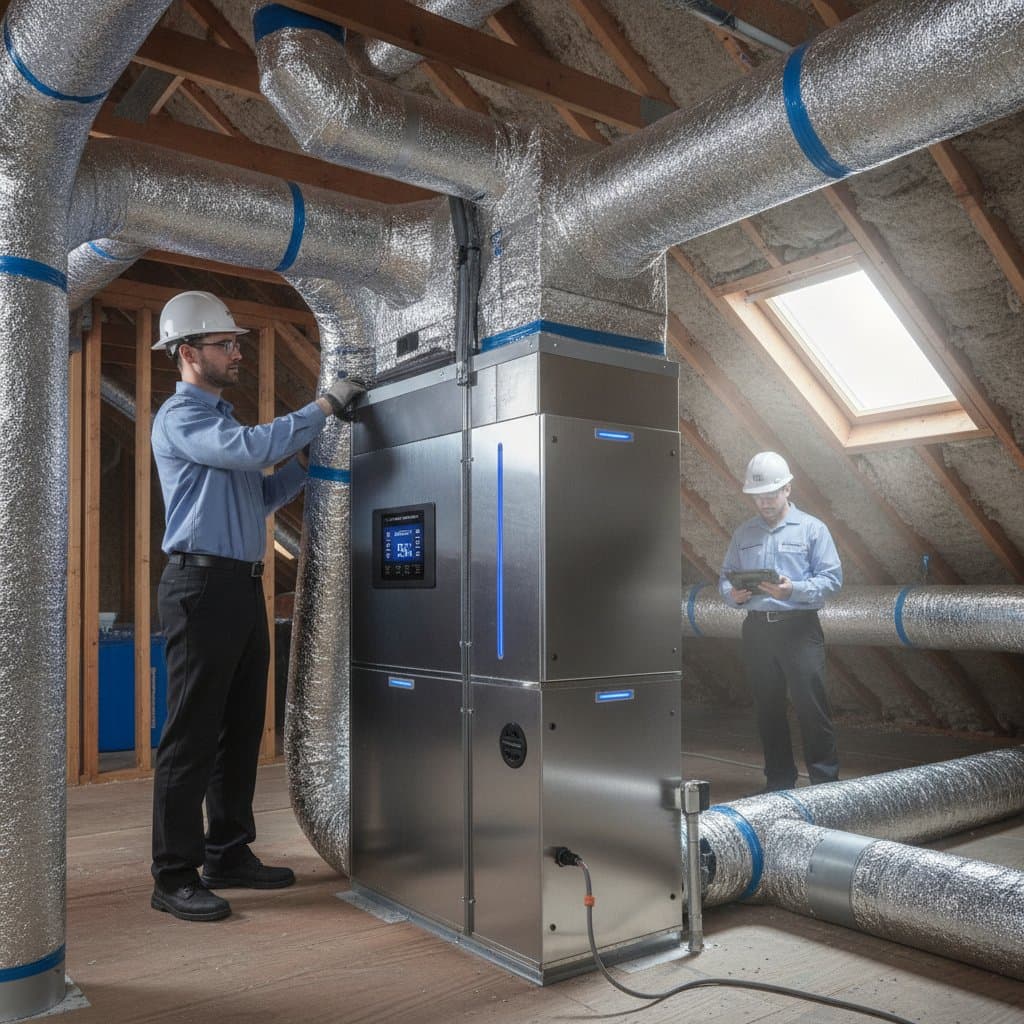
- A technician evaluates household hot water demand and selects the correct tank size.
- The old unit is drained and removed safely.
- The installation area is prepared for proper airflow and electrical service.
- New plumbing electrical and condensate connections are completed.
- The system is filled tested and programmed.
- The work area is cleaned and the old equipment is hauled away.
Labor and Installation Expenses
Labor typically represents 30 to 50 percent of the total project cost. Additional charges may apply for electrical panel upgrades or condensate drainage modifications. Obtaining multiple written estimates helps homeowners compare options accurately.
Frequently Asked Questions About Heat Pump Water Heater Rebates
How do I qualify for the 1800 dollar rebate?
Purchase and install an ENERGY STAR certified model through a licensed contractor. Rebate amounts vary by household income and local program rules.
Can I combine this rebate with other incentives?
Federal state and utility incentives can often be stacked. Confirm current eligibility requirements with each program administrator before purchase.
How much energy can I save with a heat pump water heater?
Most households reduce water heating energy use by 60 to 70 percent relative to standard electric tanks. Actual savings depend on usage patterns and local electricity rates.
Where should I install a heat pump water heater?
Place the unit in a space that maintains temperatures between 40 and 90 degrees Fahrenheit such as a basement garage or utility room. Adequate airflow around the appliance is essential for efficient operation.
How long does a heat pump water heater last?
Quality units operate for 10 to 15 years. Regular filter cleaning and periodic sediment flushing extend service life.
Are heat pump water heaters noisy?
Sound levels resemble those of a refrigerator. Proper location minimizes any audible disturbance.
Plan Your Energy Efficient Upgrade
Rebates of up to 1800 dollars reduce the net cost of a heat pump water heater substantially. Contact a licensed contractor for a site evaluation and personalized savings estimate while incentives remain available.