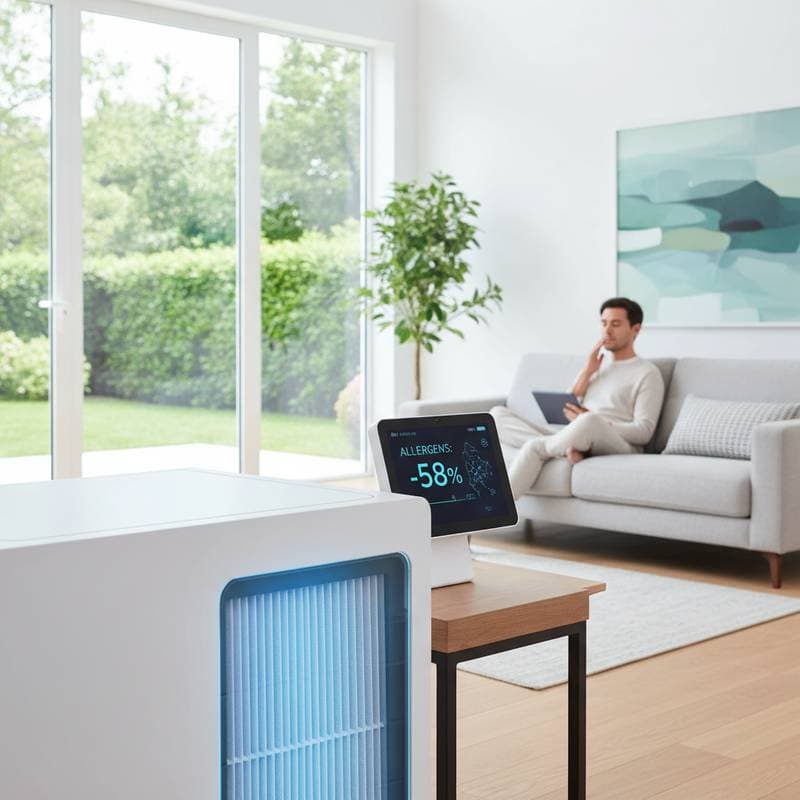
2026 HVAC Filter Standards Reduce Allergens by 58 Percent
Indoor air quality affects comfort, health, and HVAC system performance. Homeowners who experience frequent allergies or respiratory irritation often trace the issue to inadequate filtration. The 2026 HVAC filter standards address this concern by raising minimum efficiency requirements and targeting a reduction in airborne allergens of up to 58 percent.
What the 2026 HVAC Filter Standards Require
These standards establish higher efficiency thresholds for residential and light commercial air filters. They increase the minimum MERV rating, which measures a filter ability to capture particles of varying sizes. The change moves most homes from MERV 8 filters to MERV 13 filters that trap smaller contaminants such as pollen, mold spores, and pet dander.
How MERV Ratings Determine Filtration Performance
MERV ratings range from 1 to 20, with higher numbers indicating finer particle capture. MERV 1 through 4 filters handle only large dust and lint. MERV 5 through 8 filters manage basic household dust and some pollen. MERV 9 through 12 filters address mold spores and pet dander more effectively. MERV 13 through 16 filters capture bacteria, smoke, and microscopic allergens at hospital grade levels.
The new requirement for MERV 13 performance represents a substantial improvement over current common practice.
How Improved Filtration Cuts Allergens
MERV 13 filters capture particles as small as 0.3 microns. They maintain steady airflow when replaced on schedule, which prevents re circulation of contaminants. Reduced dust and dander accumulation on surfaces follows directly from higher capture rates. Fewer mold spores travel through ducts, lowering growth risk. Sensitive individuals notice fewer allergy triggers and easier breathing as a result.
Signs That Indicate a Filter Upgrade Is Needed
Worsening allergy symptoms indoors often point to insufficient filtration. Rapid dust buildup after cleaning suggests the current filter allows too many particles to pass. Longer HVAC run times and weaker airflow from vents also signal restricted or ineffective filtration. Musty odors when the fan operates and dark, clogged filters after brief use confirm the need for higher efficiency media.
Factors That Influence Filter Effectiveness
Correct filter size prevents air bypass around edges. Pleated designs typically balance airflow and particle capture better than flat fiberglass options. Older HVAC systems may require blower motor adjustments or added return ducts before accepting MERV 13 filters. Regular replacement every one to three months preserves performance, especially in homes with pets or recent construction activity.
Steps to Prepare for the 2026 Standards
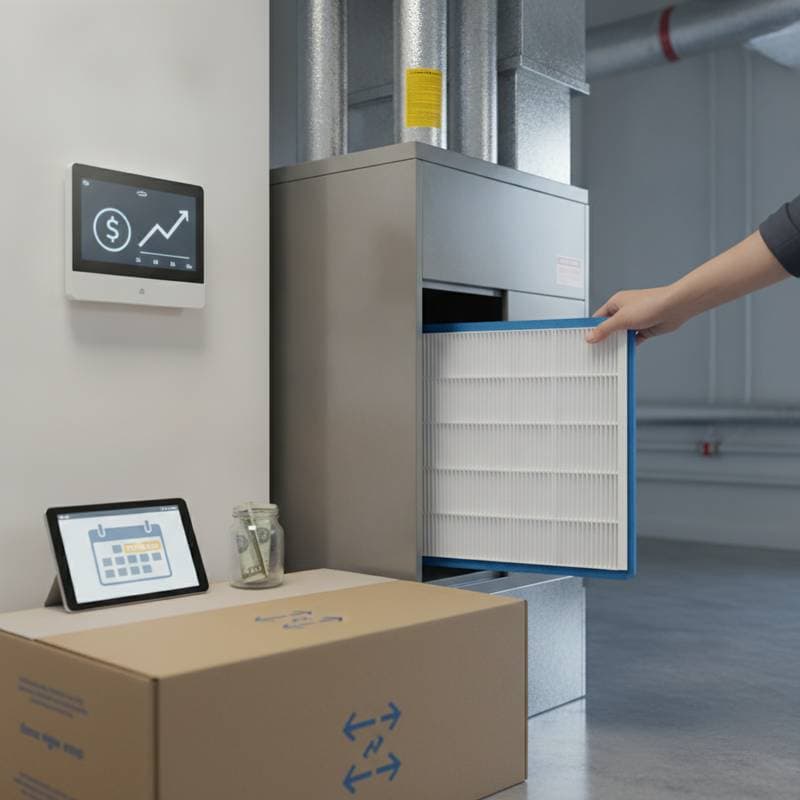
Schedule a professional inspection to measure static pressure and confirm system compatibility. Technicians can recommend motor upgrades or media cabinets when needed. Select filters that display certified MERV 13 performance data. Establish a recurring replacement schedule and arrange duct cleaning if buildup appears around vents.
Tasks Homeowners Can Handle and Tasks Best Left to Professionals
Monthly visual checks and timely disposable filter swaps fall within homeowner capability. Vacuuming around return grilles and keeping supply vents unobstructed also support system health. Installation of new cabinets, blower speed adjustments, and compliance verification require licensed technicians.
High Efficiency Filter Options
Pleated media filters deliver strong particle capture at reasonable cost and fit most residential systems. Electrostatic models attract particles through static charge and can be washed for reuse. HEPA filters achieve 99.97 percent capture down to 0.3 microns yet often need system modifications due to high airflow resistance. Activated carbon layers add odor control when paired with pleated media. Hybrid designs combine multiple technologies for both allergen reduction and freshness.
Typical Professional Replacement Process
A technician begins with system and duct inspection. Next comes selection of a compatible MERV 13 filter. Installation follows, then airflow and pressure testing confirm proper operation. The visit concludes with guidance on replacement intervals.
Answers to Common Questions
The standards seek to lower indoor allergen loads by requiring finer filtration. Many existing systems accept MERV 13 filters after airflow verification. Replacement intervals range from 60 to 90 days depending on household conditions. Properly installed high efficiency filters do not raise energy use and can improve overall system performance. Long term health benefits generally justify the modest increase in filter cost.
Next Steps Toward Healthier Indoor Air
Consistent filter maintenance and professional guidance position homeowners to meet the 2026 requirements without disruption. Cleaner air reduces allergy symptoms, limits dust accumulation, and supports efficient HVAC operation throughout the year.