HVAC Predictive Sensors Reduce Emergency Repairs by 55 Percent
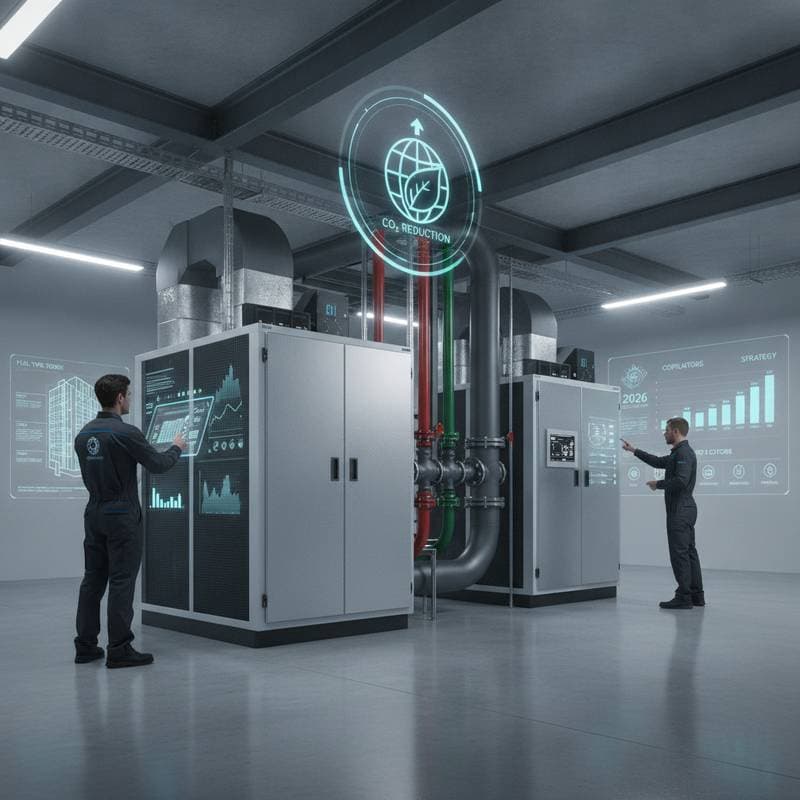
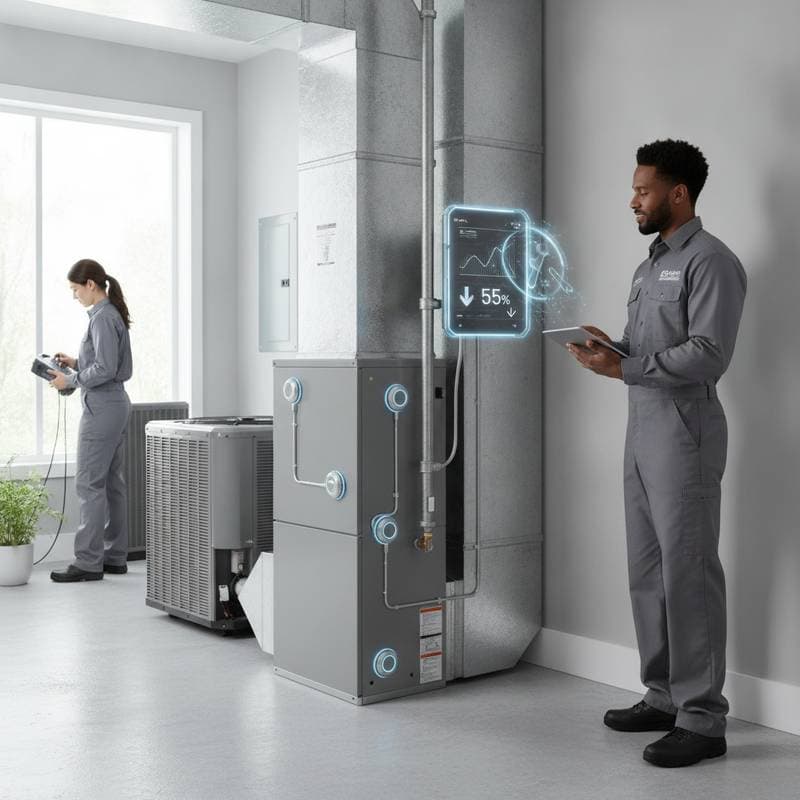
Predictive HVAC sensors reduce emergency repairs by as much as 55 percent. They save homeowners money and prevent unexpected downtime. These devices monitor system performance around the clock and notify technicians about small issues before they become major failures.
| Benefit | Description |
|---|---|
| Average Reduction in Emergency Repairs | Up to 55 percent fewer unexpected breakdowns |
| Maintenance Cost Savings | 20 to 40 percent reduction in annual repair spending |
| Energy Efficiency Improvement | 10 to 25 percent better energy performance |
| Typical Installation Cost | 200 to 600 dollars for residential systems |
| Ideal For | Homeowners with central HVAC or smart home systems |
How Predictive HVAC Sensors Work
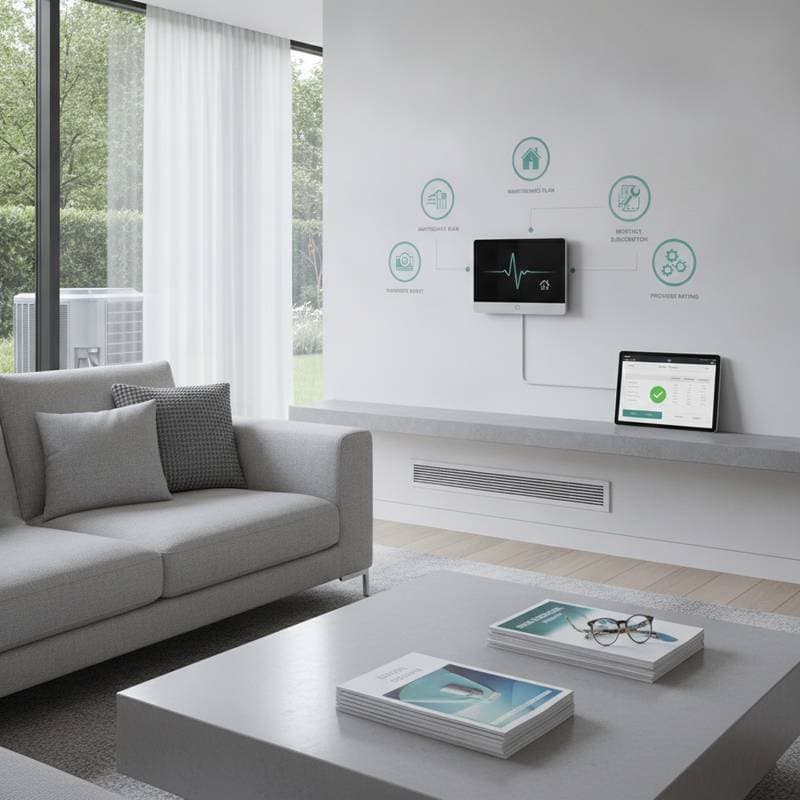
Predictive HVAC sensors collect continuous data on air pressure, temperature, vibration, humidity, refrigerant flow, and electrical patterns. When readings move outside normal ranges, the system sends an alert through a thermostat app or directly to a service provider. Technicians can then inspect and correct the issue during scheduled hours.
The sensors build a real-time model of system performance. They compare current data against past readings to forecast problems such as clogged filters, refrigerant leaks, or worn bearings. Homeowners move from reactive repairs to planned maintenance.
Average Cost of Predictive HVAC Sensors
Most homeowners pay between 200 and 600 dollars to install predictive sensors on a residential system. Cost varies with the number of sensors required, system size, and existing smart home connections.
| Sensor Type | Average Installed Cost | Typical Use |
|---|---|---|
| Temperature and Humidity Sensors | 200 to 350 dollars | Track comfort levels and air quality |
| Vibration and Motor Sensors | 300 to 500 dollars | Detect motor wear or imbalance |
| Refrigerant Pressure Sensors | 400 to 600 dollars | Identify leaks and compressor strain |
Professional installation includes calibration and secure data connections. Many service agreements now bundle sensor monitoring with annual maintenance visits.
Key Factors That Affect Predictive Sensor Cost
System Type and Size
Larger homes often need additional sensors to monitor airflow, duct pressure, and component health. Central systems typically require sensors on both indoor and outdoor units, while ductless setups may need only one or two.
Integration with Smart Thermostats
Existing smart thermostats simplify sensor addition and reduce setup time. Systems without smart controls may require extra hardware or on-site configuration.
Data Connectivity and Monitoring
Some sensors connect directly to Wi-Fi. Others use a central hub. Cloud monitoring services add a modest monthly fee yet deliver continuous oversight and automatic technician alerts.
Professional Installation
Basic sensors allow DIY placement, yet professional setup protects data accuracy and warranty coverage. Labor charges usually range from 100 to 250 dollars based on system complexity.
Types of Predictive HVAC Sensors
Several sensor types support predictive maintenance. Each focuses on a specific performance area.
- Temperature sensors measure supply and return air temperatures to reveal cooling or heating inefficiency.
- Pressure sensors track refrigerant and duct pressure to locate leaks or blockages.
- Vibration sensors monitor motor and compressor movement for early signs of imbalance or bearing wear.
- Current sensors measure electrical draw to flag failing capacitors or wiring faults.
- Humidity sensors maintain indoor comfort and reduce risks of mold or condensation.
Pros
- Lower major repair expenses
- Longer equipment life
- Better energy performance
- More consistent comfort
Cons
- Upfront installation cost
- Need for Wi-Fi or data connection
- Occasional recalibration requirement
Signs You Need Predictive HVAC Monitoring
Frequent service calls or uneven performance often indicate deeper issues. Consider sensors when any of the following appear:
- Repeated emergency visits during recent seasons
- Temperature differences between rooms
- Sudden rises in energy bills
- Unusual noise or vibration from the unit
- Airflow changes without thermostat adjustments
- Ongoing filter or coil problems
These patterns frequently precede larger mechanical failures. Early sensor data allows targeted service before a complete breakdown.
The Predictive Maintenance Process
Predictive maintenance uses live data to determine service timing. The sequence follows these steps:
- A technician installs sensors on critical HVAC components.
- Sensors begin recording performance metrics.
- Software compares new readings against baseline values.
- Alerts notify the homeowner or provider when trends indicate a problem.
- A technician reviews the alert, confirms the issue, and completes targeted service.
- The system refines maintenance intervals over time for maximum efficiency.
This approach prevents costly failures and keeps equipment operating at peak condition.
HVAC Labor Costs for Predictive Sensor Installation
Labor represents 30 to 50 percent of total installation expense. Typical price ranges depend on system access and the number of sensors placed.
Frequently Asked Questions About Predictive HVAC Sensors
How do predictive sensors reduce emergency repairs?
Predictive sensors detect small deviations in temperature, vibration, or pressure before they escalate. Early alerts allow scheduled service and cut emergency calls by up to 55 percent.
Do predictive sensors work with all HVAC systems?
Most modern central air conditioners, furnaces, and heat pumps accept predictive sensors. Older units may require minor compatibility upgrades.
Are predictive sensors worth the cost?
The initial investment typically recovers itself within one or two service cycles through fewer emergency repairs and lower utility bills.
How often should predictive sensors be checked?
Sensors perform self-calibration. Technicians verify accuracy during regular maintenance visits to maintain reliable data.
Can predictive sensors improve energy efficiency?
Yes. Clean and properly tuned components raise efficiency by 10 to 25 percent, which reduces monthly utility costs.
Do predictive sensors replace regular maintenance?
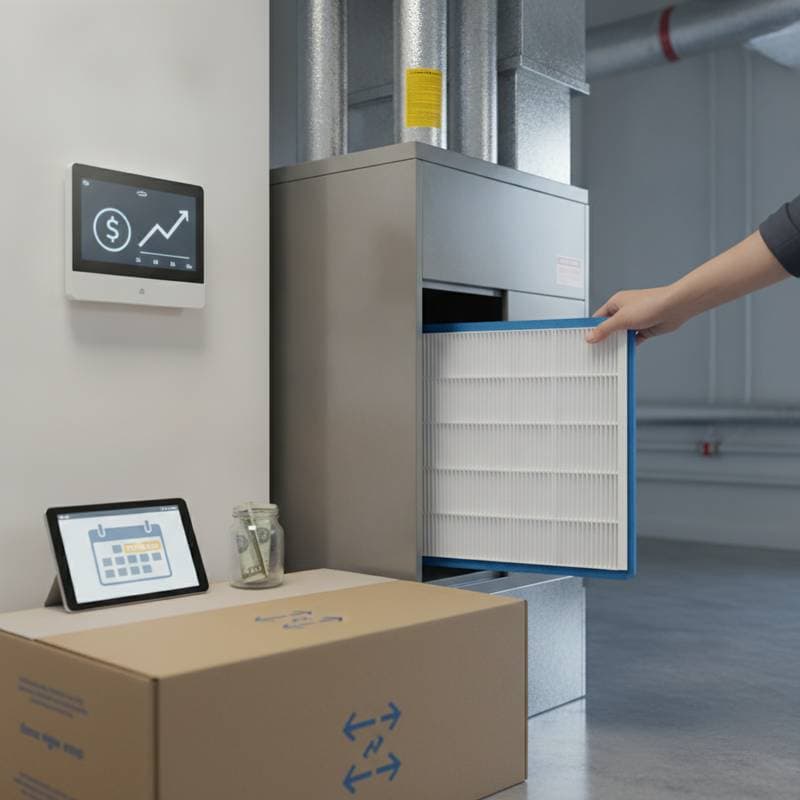
They do not replace maintenance. They improve its timing so service occurs only when data shows it is necessary.
Protecting Your Home Comfort Investment
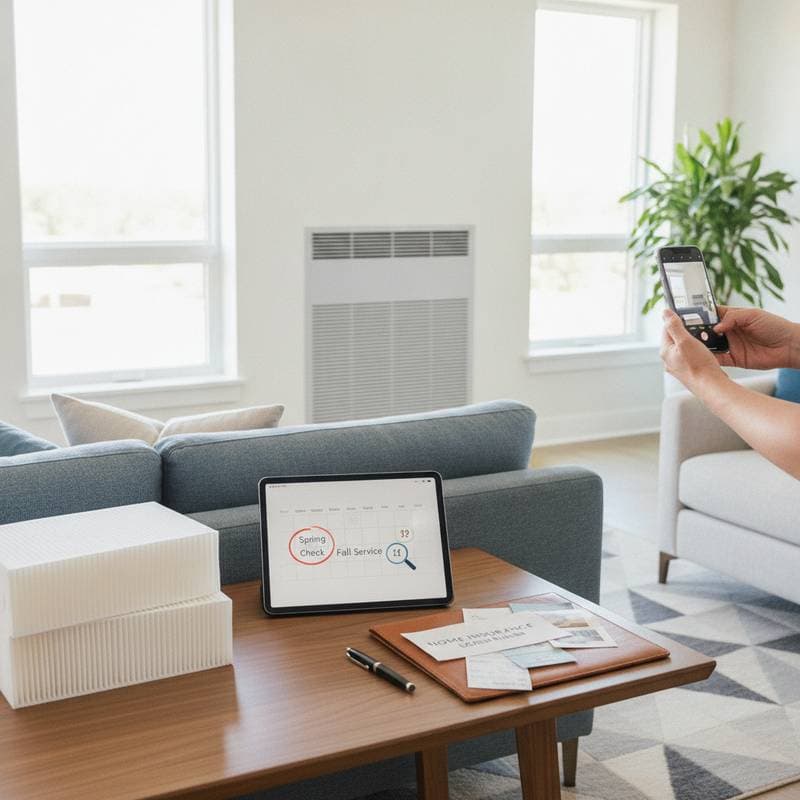
Homeowners who install predictive sensors gain earlier visibility into system health. They schedule service at convenient times, avoid peak-season breakdowns, and maintain steady indoor temperatures. Over multiple seasons the combination of fewer repairs, lower energy use, and extended equipment life produces measurable savings and greater peace of mind.